Shrimp Lo Mein: Ultimate 25-Minute Recipe
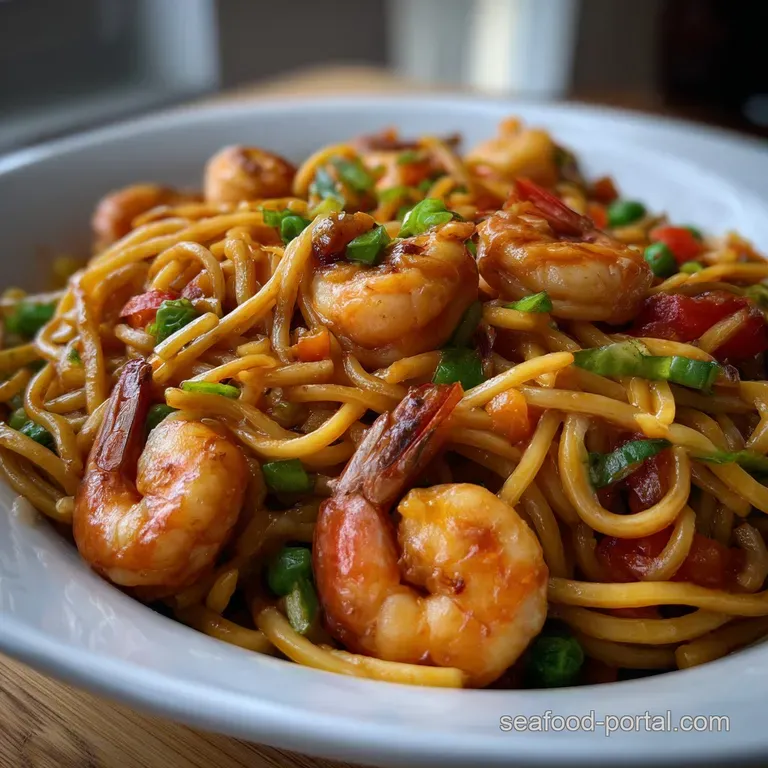
- The 25 Minute Wok Wonder: Skip the Takeout and Make Authentic Lo Mein
- The Science of Stir-Frying: Why This Shrimp Lo Mein Delivers Maximum Flavour
- Everything You Need for Ultimate Shrimp Lo Mein Success
- Mastering the Technique: Simple Steps to Make This Speedy Lo Mein
- Expert Advice: Troubleshooting Common Stir-Fry Mistakes
- Planning Ahead: Storage, Reheating, and Make-Ahead Notes
- Perfect Pairings: What to Serve Alongside Your Homemade Lo Mein
- Recipe FAQs
- 📝 Recipe Card
The 25 Minute Wok Wonder: Skip the Takeout and Make Authentic Lo Mein
I swear, the aroma of a perfectly tossed Shrimp Lo Mein hitting the wok is better than any fancy restaurant meal. You get that salty, savory breath of ginger and garlic mixed with the deep, caramelized notes of the soy glaze.
Seriously, the noodles need to be glossy, the shrimp plump and bouncy, and the vegetables should still snap satisfyingly when you bite them. When you realize how easy it is to make fantastic Shrimp Lo Mein at home, your takeout budget is going to thank you.
Let’s be real, often the delivery guy is still stuck in traffic when I’m already digging into my second helping of this homemade delight. This is one of those phenomenal quick shrimp recipes that saves dinner when you only have 25 minutes but crave something deeply flavourful.
This recipe bypasses the usual pitfalls of soggy noodles and rubbery seafood, delivering true takeout quality every single time.
This isn't the gloopy, bland mess you sometimes get delivered at 11 PM. This is the good stuff, the classic Shrimp Lo Mein Recipe designed for maximum flavor and minimal fuss.
We’re going to achieve that authentic smoky ‘wok hei’ even on a standard kitchen stove by using a few key techniques.
The Science of Stir Frying: Why This Shrimp Lo Mein Delivers Maximum Flavour
The secret to why this particular version shines is all about sequencing and temperature control. We are not just dumping everything into a pan and hoping for the best. We are treating the ingredients the shrimp, the veg, the sauce as individual components that need precise handling before they meet for the grand finale.
Decoding the Perfect Lo Mein: What Makes This Recipe Special?
We tackle the shrimp first, getting a quick sear before they’re fully done, which prevents them from turning into flavorless little rubber balls later. Then we hit the vegetables with massive heat, locking in their crisp tender texture.
But the real game changer in this Homemade Shrimp Lo Mein recipe is the sauce ratio; we use a cornstarch slurry that gives us a glossy, clinging glaze rather than a watery puddle at the bottom of the bowl.
Is Lo Mein Hard to Make? Busting the Myths of Chinese Stir Fry
Absolutely not. People often assume you need expensive, professional equipment to make Shrimp Lo Mein , but that’s a myth. All you need is high heat, a decent pan (preferably a wok or cast iron skillet), and the discipline to prep everything before you start cooking.
Stir frying is a sprint, and organization is the only way to win.
Achieving 'Wok Hei': High Heat Cooking in a Home Kitchen
"Wok Hei" literally means the "breath of the wok," that unique, slightly smoky, deeply savory flavor. To simulate this at home, use the highest heat your stove can safely manage. We cook in stages and make sure the pan is blazing hot when the protein and vegetables hit the oil.
This quick searing action prevents the food from steaming and gives you that complex, roasted flavor that makes great Lo Mein Recipes so addictive.
The Magic of the Glaze: Sauce Ratios That Cling
Have you ever made a stir fry where the sauce just disappears? That’s usually a lack of thickening agent. For the ideal Shrimp Lo Mein Sauce , we use a combination of Dark Soy (for color), Oyster Sauce (for deep umami richness), and a cornstarch slurry.
This mixture guarantees a gorgeous, non-greasy coat that hugs every single noodle strand.
Everything You Need for Ultimate Shrimp Lo Mein Success
If you're making Chinese noodles for dinner, you need these ingredients. They aren't just for this dish, either; they are staples for almost all Asian Noodle Recipes .
Selecting Your Noodles: Fresh vs. Dried Lo Mein Options
For the perfect texture in your Shrimp Lo Mein , I always recommend fresh egg noodles if you can find them. They cook faster, usually only taking 3 to 4 minutes, and they have the ideal springy bounce.
If fresh isn't available, dried Chinese wheat noodles or even thick spaghetti or linguine cooked al dente will work in a pinch. Key tip: Always rinse those noodles after cooking!
Sourcing the Best Shrimp: Sizing, Prep, and Marinating Tips
Go for large or jumbo shrimp (16/20 count is ideal). Make sure they are peeled and deveined. I leave the tails on sometimes because it looks great, but tails off is easier for eating.
Crucially, we are skipping a long marinade here; a tiny pinch of salt and pepper right before hitting the pan is all the seasoning needed, as the Shrimp Lo Mein Sauce provides the flavour later.
The Essential Sauce Components: Building Deep Umami Flavour
We combine low sodium soy (control the salt!), dark soy (mandatory for color), oyster sauce, a touch of sugar, and sesame oil. This combo gives the Shrimp Lo Mein Ingredients the perfect balance of sweet, salty, and savory depth.
Trust me, the dark soy is non-negotiable if you want that classic dark, beautiful color.
Quick Ingredient Substitutions for Common Pantry Items
| Ingredient | My Recommended Substitution | Why it works |
|---|---|---|
| Oyster Sauce | Vegetarian Mushroom Stir Fry Sauce | Maintains rich, savory umami depth. |
| Lo Mein Noodles | Thick Spaghetti or Linguine | Provides a similar chewiness and thickness. |
| Napa Cabbage | Green Cabbage or Boy Choy | Offers crunch; adjust cooking time slightly. |
| Brown Sugar | Honey or Maple Syrup | Provides necessary sweetness to balance the salt. |
Mastering the Technique: Simple Steps to Make This Speedy Lo Mein

Making your own fantastic Shrimp Lo Mein is mostly about timing. You need to be prepared!
Preparation Is Key: The 10 Minute Mis En Place
Before the stove goes on, chop your carrots into thin matchsticks, shred your cabbage, mince your ginger and garlic, and slice your scallions (keeping the white and green parts separate). Whisk the sauce until the cornstarch is completely dissolved. When I start prepping, I also get my water boiling for the noodles.
Chef’s Note: Do not skip the cornstarch in the sauce. It's the only thing that ensures your sauce clings beautifully, giving your finished Shrimp Lo Mein that glossy, irresistible sheen.
Cooking in Stages: Achieving Crisp Tender Vegetables
Get the wok screaming hot. Add the first batch of oil and sear the shrimp fast about 60 to 90 seconds per side. Remove them immediately. Now, add the second batch of oil and drop in the ginger and garlic. Sautéing them for only 30 seconds until they smell intensely aromatic is enough.
Follow with the carrots and mushrooms, stirring non-stop for 60 seconds, then the cabbage and white scallion parts. We want them cooked, but still crunchy.
Timing is Everything: Securing Perfectly Tender Shrimp
When you cook the shrimp briefly and remove them, they carry residual heat, which continues to cook them without turning them tough. This technique is brilliant for making sure your Shrimp Recipes For Dinner are always succulent.
They finish cooking the moment they go back into the wok with the noodles and the boiling hot sauce.
The Grand Finale: Tossing the Noodles and Finishing the Glaze
Push the vegetables to the side, then dump the pre-oiled noodles and the partially cooked shrimp back into the pan. Give your sauce bowl one final whisk (the cornstarch always settles!) and pour the entire sauce mixture right over the ingredients. Now, toss aggressively!
You will hear the sauce bubble and thicken instantly. Keep tossing for about 90 seconds until every strand of the Shrimp Lo Mein is coated and the shrimp is opaque pink. Done!
Expert Advice: Troubleshooting Common Stir Fry Mistakes
The worst thing that can happen is a soggy, bland Easy Shrimp Lo Mein . Here is how we avoid disaster.
Preventing Soggy Lo Mein: The Secret to Dry Noodles
This is where people fail 90% of the time. After boiling, drain your noodles and rinse them under cold water. Then, you must shake them vigorously, or even better, spin them in a salad spinner. Excess water will destroy your carefully balanced sauce and make the whole dish watery and sad.
Dry noodles absorb the sauce, maximizing the flavor of this quick Lo Mein .
Optimizing Heat Management for Flavour and Safety
If your pan temperature drops too low (usually because you added too much cold food at once, or you're using a small burner), your stir fry will steam instead of sear. Use high heat and work in batches.
If you are worried your stove isn't hot enough, cook the vegetables separately from the shrimp and combine them right at the end. This is a crucial step when making any Shrimp Lo Mein Recipe .
How to Fix an Over Salty Sauce (And How to Prevent It)
I prevent this by only using low-sodium soy sauce as the base. If you accidentally went heavy handed, add a little squeeze of lime juice or rice vinegar to cut through the saltiness. A teaspoon of brown sugar can also help mellow out the intense salt flavor.
Planning Ahead: Storage, Reheating, and make-ahead Notes
Best Practices for Refrigerating Leftovers
Once the Shrimp Lo Mein cools, the noodles start absorbing the sauce and can stick together. Store leftovers in an airtight container in the fridge for up to 3 days. I recommend storing it in smaller portions so it cools quickly, reducing the chance of bacterial growth.
Can You Freeze Lo Mein? Understanding Noodle Texture After Thawing
Technically, yes, you can freeze Lo Mein, but I strongly advise against it. The shrimp texture suffers badly, becoming extremely chewy, and the cooked noodles tend to get mushy when thawed and reheated. This is a dish meant to be enjoyed fresh.
If you want to prep something ahead, try preparing the sauce mixture and chopping the vegetables a day ahead of time.
Reheating Strategies to Restore Takeout Quality
You absolutely cannot microwave leftover Shrimp Lo Mein if you want it to taste good; it makes the shrimp tough and the noodles rubbery. The best method is to reheat it quickly in a hot wok or skillet with just a tiny splash of stock or water. This creates steam and revives the sauce, making the noodles silky again. Stir fry for 2- 3 minutes until piping hot, just like your other favorite quick seafood dinners like Shrimp Tostadas Slaw: Easy Tostadas with Creamy Chipotle Slaw .
Perfect Pairings: What to Serve Alongside Your Homemade Lo Mein
I love serving this Easy Shrimp Lo Mein with something light and tangy to balance the richness. A simple side of blanched garlic ginger broccoli or a crisp Asian cucumber salad works wonders. If you are hosting a full Chinese feast, start with homemade shrimp toast or some fantastic Shrimp Empanadas: Flaky Pastry Zesty Prawn Filling as an appetizer. Enjoy your beautiful, glossy, perfect Shrimp Lo Mein !
Recipe FAQs
Why are my noodles dry instead of glossy and coated?
Noodles become dry if there is insufficient sauce or if the liquid evaporated too quickly due to a non-hot wok. Ensure your pan is screaming hot before adding the sauce, and toss vigorously for only 60-90 seconds to allow the cornstarch in the sauce to thicken properly and cling to the noodles.
What kind of noodles should I use for authentic Lo Mein?
The best choice is fresh, medium thick Chinese egg noodles, often labeled 'Lo Mein Noodles' or 'Hong Kong Style Noodles,' which provide the classic springy texture. If fresh options are unavailable, dry Chinese wheat noodles are the second best, or you can use dried linguine or spaghetti in a pinch.
Can I substitute the shrimp with chicken or beef?
Yes, any protein works well in Lo Mein, including thinly sliced chicken breast or flank steak. Ensure you slice the meat thinly against the grain and use a small amount of cornstarch or baking soda in its marinade to keep it tender during the high heat cooking process.
How should I store and reheat leftover Lo Mein?
Store leftovers in an airtight container in the refrigerator for up to three days. To reheat, avoid the microwave if possible, as it can dry out the noodles; instead, quickly stir fry the leftovers in a pan with a splash of water or broth to restore moisture and texture.
My Lo Mein tastes bland; how do I increase the flavor depth?
Blandness often indicates a lack of salt (soy sauce) or insufficient high heat searing. Try adding a little more soy sauce or, for umami depth, incorporate dark soy sauce or a teaspoon of toasted sesame oil right before serving.
Should the vegetables be fully cooked or slightly crunchy?
For authentic texture, the vegetables should always retain a crisp tender bite. This is achieved through the rapid cooking process inherent in stir frying; avoid simmering them, which would cause them to become mushy and release too much water.
Can I make this recipe gluten-free?
Yes, simply substitute the traditional soy sauce with tamari or a certified gluten-free soy sauce substitute. You will also need to ensure that you use rice noodles or certified gluten-free noodles, as most traditional Lo Mein noodles contain wheat.
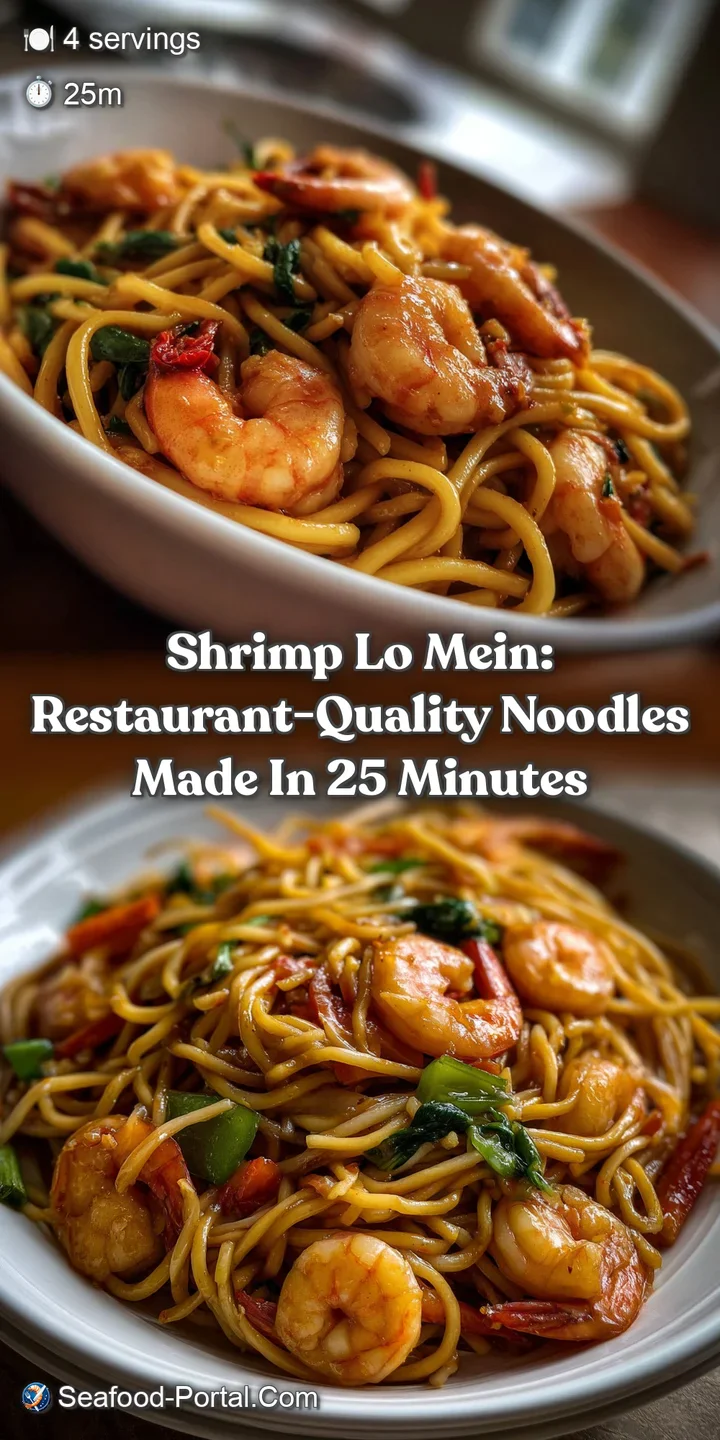
25 Minute Shrimp Lo Mein

Ingredients:
Instructions:
Nutrition Facts:
| Calories | 747 kcal |
|---|---|
| Protein | 32.6 g |
| Fat | 15.9 g |
| Carbs | 85.0 g |
