Shrimp Bisque How to Make Velvety Frenchstyle Seafood Soup
- Elevating the Evening: Why This Shrimp Bisque is Truly Velvety
- The Essential Inventory for Coastal Flavour
- Specialized Equipment for Achieving Silky Smoothness
- Crafting the Foundation: The Slow and Simmered Shell Stock
- From Roux to Rhapsody: Assembling Your Luxurious Shrimp Bisque
- Mastering Your Bisque: Expert Tips and Troubleshooting
- Recipe FAQs
- 📝 Recipe Card
Elevating the Evening: Why This Shrimp Bisque is Truly Velvety
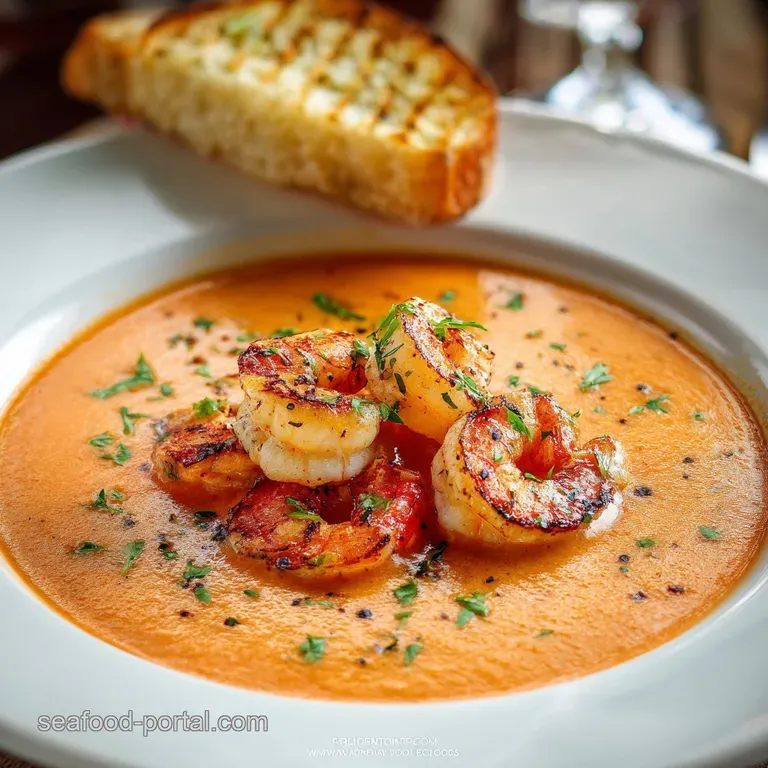
If you ask me, there are few things that transform a regular Tuesday night into a culinary event quite like a proper, silky, French and style bisque. We’re talking full and bodied, rich, warm, and deeply savoury. Forget those thin, watery "cream of shrimp" imposters.
We are here to make the bisque. The kind that makes you close your eyes and momentarily forget your worries. This isn't a quick dinner; this is a labour of love, but the steps are surprisingly straightforward. Trust me, once you nail this recipe, you'll feel like a total kitchen wizard.
The Critical Difference Between Soup and Bisque
Okay, let's clear up the semantics, because people always ask. What makes a bisque a bisque and not just a fancy soup? It’s all about the foundation. Bisque requires the primary flavour (usually crustacean like lobster, crab, or our lovely shrimp) to be extracted directly from the shells, not just the meat.
We sear those shells hard, almost caramelize them, then simmer them for hours. That’s step one. Step two? The texture. Traditional bisque is thickened either with rice that dissolves during the cook, or a classic French roux, and then it is aggressively blended until it’s smooth as satin.
It has to coat the back of a spoon. If it doesn’t, you’ve got a cream soup, and that's just fine, but it’s not the luxurious, velvety shrimp bisque we're aiming for.
The Role of Shells: Unlocking Deep Ocean Flavor
This is non and negotiable. If you buy pre and peeled shrimp, you’re missing 80% of the flavour potential. Why? Because the shells, specifically the heads if you can get them, are packed with chitin and residual flavour compounds that release beautifully when gently toasted in butter.
When we make the stock for this Seafood Bisque Recipe Easy —and yes, it is easy, just requires patience we’re basically building a flavour bomb. If you skip the shell and simmering stage and just use store and bought stock, your bisque will taste flat.
It’ll taste like cream and seasoned water. We need that deep, resonant, oceanic backbone that only comes from toasting and slow and simmering those shells.
A Dash of Decadence: Integrating Cognac into Your Base
I know, I know. Adding expensive booze to soup feels extravagant. But here’s the thing about Cognac (or a good Brandy or Sherry, if you prefer): alcohol acts as a powerful flavour carrier.
When you add it early, right after searing the shells or the mirepoix, the alcohol evaporates, leaving behind a complex, subtly sweet, and slightly woody essence that cuts through the creaminess. It elevates the whole profile. Without it, the bisque can sometimes feel a little heavy. The Cognac provides lift.
Don't use the cheap stuff, either. If you wouldn't sip it, don't cook with it. My personal rule.
The Essential Inventory for Coastal Flavour
This is less of an ingredient list and more of a shopping list for victory. We’re using incredibly simple components, but their quality matters. You need real, full and fat butter period. The Shrimp Bisque Ingredients list emphasizes fresh aromatics (onion, carrot, celery).
You chop them finely for the soup base so they dissolve completely, but for the initial shell stock, just rough chop them. We’re throwing them away anyway, so don't overthink the first round. Make sure you get fresh thyme and bay leaf; dried herbs just don't offer the same bright lift here.
And if you can find quality, low and sodium fish stock, grab it. It deepens the flavour of the shrimp bisque far beyond what plain water can do.
Specialized Equipment for Achieving Silky Smoothness
Selecting the Perfect Shrimp and Shells for Stock
When you're shopping for this quick shrimp recipe , grab the largest, raw, shell and on shrimp you can find. I usually aim for 21/25 count or bigger. Why big? Because big shrimp usually have big shells, and big shells mean more concentrated flavour for your stock.
Don’t be afraid of buying shrimp with the heads still on, either. Those heads contain heaps of flavour and help create a wonderfully rich, reddish stock. Just make sure to rinse the shells thoroughly before tossing them in the pot. Any residual sand or grit is your enemy.
Prepping the Aromatic Base (Mirepoix and Sachet)
The mirepoix (the finely diced onion, carrot, and celery) is the unsung hero. For a bisque, you want to chop these vegetables incredibly small almost minced so they practically melt into the sauce after blending.
The goal is to maximize surface area for flavour release, but also to ensure no large chunks survive the blending process and compromise that velvety texture.
For the stock stage, we use a simple sachet (a little bundle) of herbs (thyme and bay leaf) tied up, often with kitchen twine. This means you don't have stray herb leaves floating around that can make your strained liquid cloudy or gritty.
Understanding the Importance of Quality Cream and Butter
This is where I get seriously opinionated. If you are going to indulge in a luxurious recipe like this gourmet bisque recipe , you simply must use full and fat dairy. Skimping on the cream or the butter will result in a flat taste and a thin texture.
Heavy cream (or double cream) has a high enough fat content that it’s less likely to curdle when added to a hot, acidic stock, which is a major win.
Crucial Warning: Do not substitute the heavy cream with milk or half and half. The fat is what prevents separation, and the richness is fundamental to the bisque experience. Seriously, just save this recipe for a day when you can commit to the fat. It’s worth it.
Tools for Success: Blender vs. Immersion Mixer
To get that truly silky texture, blending is required. But which tool is best?
| Tool | Pros | Cons |
|---|---|---|
| Standard Blender | Achieves superior smoothness; heats the soup less aggressively. | Dangerous! Must transfer hot liquid in batches; needs firm lid holding. |
| Immersion Blender | Convenient; blends right in the pot. Fewer dishes. | Harder to get truly smooth; can aerate the soup too much (foam). |
I personally lean towards the standard high and speed blender for the ultimate texture. Yes, transferring hot liquid is a hassle, but the silkiness you get is unparalleled. Just remember to only fill it halfway, hold the lid on tight with a kitchen towel, and don't panic when the steam starts pushing up!
Related Recipes Worth Trying
- Shrimp Balls Achieve the Perfect Crispy Bouncy Dim Sum Texture — Master these restaurantquality Crispy Shrimp Balls Our recipe guarantees the bouncy Q texture and a golden crispy exterior perfect for a Dim Sum appetizer...
- Coconut Shrimp Recipe RestaurantQuality Crispy Appetizer — Our ultracrispy Coconut Shrimp recipe uses Panko for maximum crunch Served with a zesty mangolime dipping sauce these are the best shrimp recipes for dinner...
- Lemon Shrimp Pasta RestaurantQuality Scampi in Under 25 Minutes — Lemon Shrimp Pasta is the ultimate easy weeknight dinner Get creamy glossy Lemon Shrimp Pasta Sauce without the heavy cream in just 22 minutes Perfect...
Crafting the Foundation: The Slow and Simmered Shell Stock
Right then. This is the stage where we separate the amateurs from the absolute bosses. The stock is the bisque. We need patience here. You want to cook the shells long enough to extract every drop of flavor but not so long that the stock becomes bitter or murky (which usually happens around the one and hour mark).
Thirty minutes is my sweet spot. Once you sauté those shells with a bit of butter and tomato paste until they are screaming red and fragrant, add your liquid and let it do its thing. Keep the simmer low just barely bubbling.
From Roux to Rhapsody: Assembling Your Luxurious Shrimp Bisque
Searing the Shells and Flambé for Ultimate Depth
The initial searing process should be done over medium and high heat. You're trying to create those lovely brown bits (called fond ) at the bottom of the pot. Stir those shells constantly for five minutes until the whole kitchen smells like a seaside restaurant.
Then, you stir in the tomato paste and cook it down until it turns almost brick red. If you’re feeling bold and using Cognac, pour it in at this point, step back, and ignite it with a long lighter. Flambéing burns off the harsh alcohol, leaving that beautiful, deep flavour behind.
(If you don't want to flambé, just let the Cognac bubble and reduce completely.)
Building the Velouté Base (The Thickening Technique)
Once the stock is strained and set aside, we move to the mirepoix, cooking it slow and low until it’s nearly melting. Now comes the roux. Melt your butter, stir in the flour, and cook it for two full minutes until it smells like toasted nuts.
This is your thickening agent, creating the velouté texture. If you skip this, or if you don't cook the flour out, your soup will taste raw and pasty. Then, slowly, slowly whisk in the reserved stock. This slow addition prevents lumps.
The Art of the Pass: Straining and Refining the Liquid
I cannot stress this enough: The difference between good bisque and great bisque is the straining. You strain the stock initially, yes. But after you simmer and blend the entire soup base, you strain it again . Yes, through that fine and mesh sieve.
This second pass catches any tiny, undissolved bits of carrot, thyme leaf fragments, or grainy bits of rice/roux that didn't liquefy. It’s tedious. It's extra work. But when you pour that liquid gold back into the pot, you realize why you bothered. It is impeccably, beautifully smooth.
That is the texture we demand from a velvety shrimp bisque .
Achieving the Perfect Silky Finish and Seasoning Balance
We are in the home stretch! The soup should be back in the pot, strained, and heated gently over low heat. Add the heavy cream now. Remember the rule: do not boil . If you boil the cream, it's game over. Stir it in until the soup turns that beautiful peachy orange colour. The final touch?
Lemon juice. A tiny squeeze brightens the flavour profile immensely, cutting the richness just enough. Season aggressively with salt and pepper right at the end. Taste, adjust, taste again.
Mastering Your Bisque: Expert Tips and Troubleshooting
Troubleshooting: How to Prevent Curdling or Grittiness
If your Shrimp Bisque Recipe ends up looking grainy or slightly separated (curdled), it’s almost always related to heat control or the fat content.
- Curdling: You either boiled the soup after adding the cream, or the cream was too cold when added. The fix? Sometimes you can save it by stirring in a spoonful of cold heavy cream very quickly, off the heat.
- Grittiness: You didn't strain properly, or you rushed the roux. If it’s gritty, run it through the sieve one more time. If that fails, and you're desperate, you can try blending it for an extra three minutes.
Freezing and Reheating Without Compromising Texture
Since this recipe makes a good amount, you might want to freeze it. Here’s the catch: Soups containing large amounts of cream or flour/rice tend to separate or get mealy when thawed. The trick is to freeze the base before adding the cream.
Make the soup all the way through Step 11 (blending and final straining). Let that rich liquid cool completely, then freeze.
When you want to serve it, thaw the base, reheat it gently, and then stir in the required amount of fresh heavy cream (Step 12). It will taste freshly made.
Flavor Variations: Adding Lobster, Crab, or Spice
I love the classic version, but sometimes you gotta mix it up.
- Make it a Trio: Add 1 cup of lump crab meat or finely chopped lobster during the last 5 minutes of heating for a mixed seafood bisque.
- Spice it Up: Stir in a pinch of red pepper flakes with the paprika or substitute the Cognac for a splash of good quality sherry for a nuttier complexity.
- The Tomato Factor: For a deeper colour and richer tomato taste, double the amount of tomato paste used in the base.
Presentation Matters: Elegant Garnishes for Your Bowl
Don't just slop it into a bowl! We did all this work, let's finish strong.
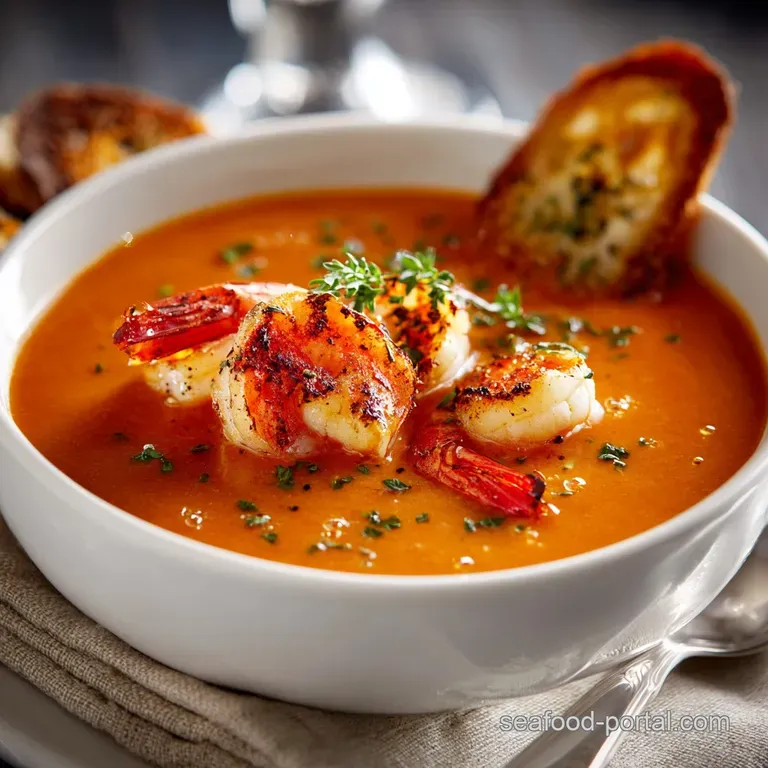
- The Meat: Always hold back some cooked shrimp (seared quickly) to place right in the middle of the bowl just before serving.
- Herbs: A tiny sprinkle of finely minced fresh chives or parsley adds a welcome hit of green.
- Cream Swirl: Drizzle a thin stream of fresh heavy cream onto the surface of the bisque and use a toothpick to create a decorative swirl. It looks incredibly professional and only takes two seconds.
- Crunch: Sometimes I add a few garlic and rubbed croutons or a dusting of smoked paprika on top for visual interest. Done. You’re ready for company.

Recipe FAQs
What's the difference between a proper Shrimp Bisque and just a creamy shrimp soup?
A true bisque, like this classic French style version, relies on a deeply concentrated stock made by aggressively roasting and simmering the shrimp shells, which provides the complex, multi layered flavour.
A simple creamy soup typically uses basic stock and cream, lacking the sophisticated depth achieved by the full shell extraction technique.
How do I guarantee my bisque ends up super smooth and velvety? It sometimes feels a bit grainy!
The secret to that impeccable velouté texture is filtering! Strain your initial shell stock, blend the cooked soup until ultra smooth using a high powered blender, and then pass the final bisque through a fine mesh sieve one last time to catch any stray fibres or graininess.
It’s a bit of a faff, but Bob's your uncle, it’s worth the effort.
This recipe takes time can I make the Shrimp Bisque ahead of time or freeze the leftovers?
Absolutely, this soup keeps brilliantly! You can make the bisque (stopping before adding the final heavy cream) and store it in the fridge for up to four days; stir the cream in when reheating.
If you plan to freeze it, it's best to freeze it dairy-free and only add the cream after it has thawed and been reheated, as high fat soups can sometimes separate.
I want to skip the booze (Cognac) or need a dairy-free option. Will the flavour still be top-notch?
You can certainly skip the alcohol; simply replace the Cognac with an extra splash of rich fish stock or a teaspoon of high-quality sherry vinegar for balancing acidity. For dairy-free indulgence, substitute the heavy cream with full fat canned coconut milk or a smooth cashew cream for a finish that is surprisingly luxurious.
My stock was a bit weak what is the secret to extracting maximum flavour from the shrimp shells?
The key is intense caramelisation; you must sauté those shrimp shells aggressively in butter until they are bright pink and fragrant (5-7 minutes) before adding the liquid, as this extracts and concentrates the deepest flavour compounds.
Also, make sure to thoroughly scrape the bottom of the pot when deglazing, as that browned crust is pure flavour gold.
Velvety Classic Shrimp Bisque
Ingredients:
Instructions:
Nutrition Facts:
| Calories | 500 calories |
|---|---|
| Fat | 40 g |
| Fiber | 1 g |
