Chinese Shrimp: Master the Velveting Technique for Tender Prawns
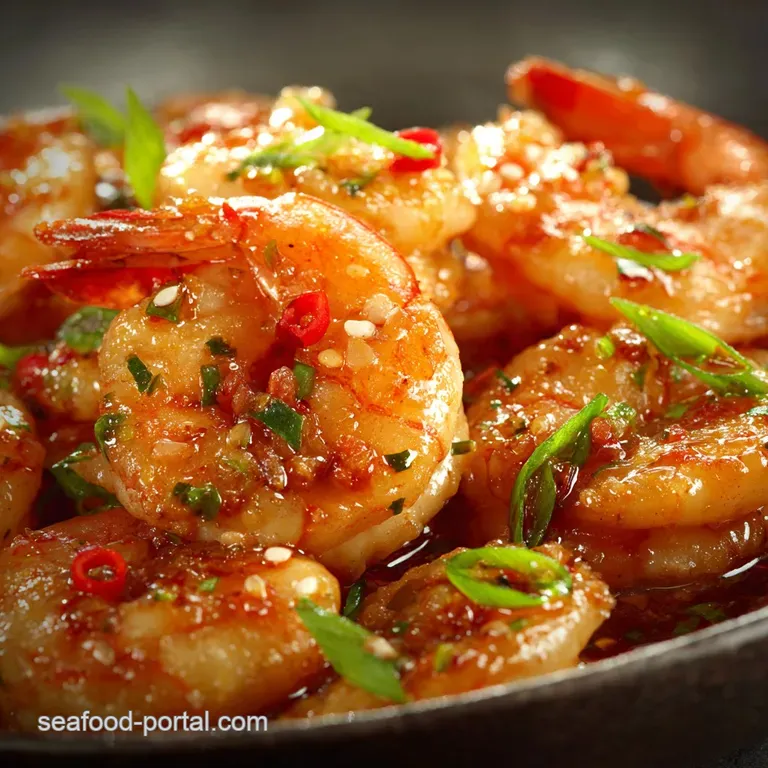
- Mastering Chinese Shrimp at Home: The Velvet Texture Secret
- The Science of Velveting: Achieving Restaurant-Quality Prawn Texture
- Essential Ingredients for Authentic Wok-Kissed Flavor
- Executing the Stir-Fry: Instructions for Perfect Velveted Chinese Shrimp
- Troubleshooting Your Stir-Fry: Advanced Wok Techniques and Timing Tips
- Handling Leftovers: Storage, Reheating, and Shelf Life
- Complementary Dishes: What to Serve Alongside Your Ginger Prawns
- Recipe FAQs
- 📝 Recipe Card
Mastering Chinese Shrimp at Home: The Velvet Texture Secret
This isn't just another Chinese shrimp dish; this is the bouncy, silky, tender texture you’ve been chasing since your last great dim sum experience. It’s all about the mouthfeel. That clean, bright flavor explosion of fresh ginger and garlic, followed by that perfect springy bite, is completely addictive.
I promise you, once you nail this texture, you will never tolerate rubbery, dry shrimp again.
Look, weeknights are chaotic, and I need a dinner that delivers restaurant level satisfaction without the drama. This recipe is genuinely faster than calling for takeout, and it uses ingredients you likely already have stashed in the pantry.
It’s cheap, it’s fast, and the minimal sauce means you really taste the freshness of the prawns.
We’re getting into some serious kitchen secrets today, specifically the technique used by every great Cantonese kitchen: velveting. Forget complicated sauces; this dish is a masterclass in treating the protein right. Ready to achieve truly perfect Asian Shrimp Recipes results at home? Let’s crack on.
The Science of Velveting: Achieving Restaurant Quality Prawn Texture
The Cantonese Clean Flavor Profile: Why Texture Wins Over Sauce
In many Chinese Shrimp Recipes, especially those from the Cantonese school, the goal is not to drown the main ingredient in thick, sweet sauce. Instead, the focus is hyper local: maximizing the natural, delicate sweetness of the seafood itself.
Achieving that iconic, almost cloud like velvety texture is the entire point. That bounce, or tan as the Cantonese call it, signals freshness and flawless technique.
Overview of the Velveting Process
Velveting is a straightforward pre-treatment that shields the shrimp during over high heat cooking. We coat the raw protein in a thin mixture before it hits the wok. Think of it like putting on a highly protective culinary raincoat.
The shrimp cooks incredibly quickly while this layer locks the moisture inside, preventing the proteins from seizing up into tough little curls.
The Role of Egg White and Cornstarch in Protecting Protein
This is the magic part, trust me. When you whisk the egg white and cornstarch (cornflour) together, they form a simple, powerful colloid. As the shrimp hits the super hot oil, the cornstarch instantly gelatinizes and the egg white coagulates.
This flash sealing process prevents water loss , which is the primary cause of rubbery prawns. Seriously, this step changes everything.
Why Rapid Cooking Preserves Juiciness
We are cooking these prawns in stages, not just one long fry. The initial "slipping" or flash blanch in oil is about speed. We only cook them halfway through, just until they turn pink. Then we immediately pull them out.
This prevents overcooking before the sauce even enters the equation, ensuring the finished product is perfectly juicy.
The Importance of the Hot Wok ("Wok Hei")
You need heat, and I mean serious heat. If you've ever made my speedy Shrimp Chop Suey: The Best 30 Minute Stir Fry Recipe , you know the drill. That unique smoky, caramelised aroma, known as Wok Hei (the breath of the wok), develops when the oil is just about smoking and the ingredients hit it fast. This high heat is crucial for searing the aromatics without steaming the shrimp.
Essential Ingredients for Authentic Wok-Kissed Flavor
Prawn Selection: Size, Freshness, and Preparation
Always go for large or extra large prawns if you can; they handle the intense heat better than tiny ones. Fresh is always best, but good quality frozen prawns work perfectly, provided you defrost them completely and pat them bone dry before starting the marinade.
I keep the tails off for easier eating.
Chef's Note: If your prawns are wet when you add the marinade, the cornstarch won't stick, and your velveting layer will wash right off. Dry, dry, dry them!
Core Aromatics: Garlic and Ginger Ratios
We are using a generous amount of garlic and ginger here this is what defines this dish's clean, aromatic profile. I like a 3:4 ratio, favoring garlic slightly over ginger, but feel free to push the ginger if you love that fiery bite.
Make sure both are very finely minced so they release their flavor quickly into the hot oil.
Key Stir Fry Sauces and Simple Substitutions
The sauce base is incredibly simple, designed to be glossy and light, not heavy or sticky. Low-sodium stock forms the body, while Shaoxing rice wine provides necessary depth and fermented notes. If you're missing an ingredient, don't panic!
| Ingredient | Role | Viable Substitute |
|---|---|---|
| Shaoxing Rice Wine | Essential for authentic depth, nuttiness. | Dry Sherry or Japanese Sake. |
| Cornflour (Cornstarch) | Velveting layer and sauce thickening. | Tapioca Starch (use 1.5x the amount) |
| Low-Sodium Stock | Base for the sauce, adds salinity. | Water with a pinch of bouillon powder. |
| Light Soy Sauce | Salt and Umami. | Tamari (for gluten-free needs). |
Executing the Stir Fry: Instructions for Perfect Velveted Chinese Shrimp
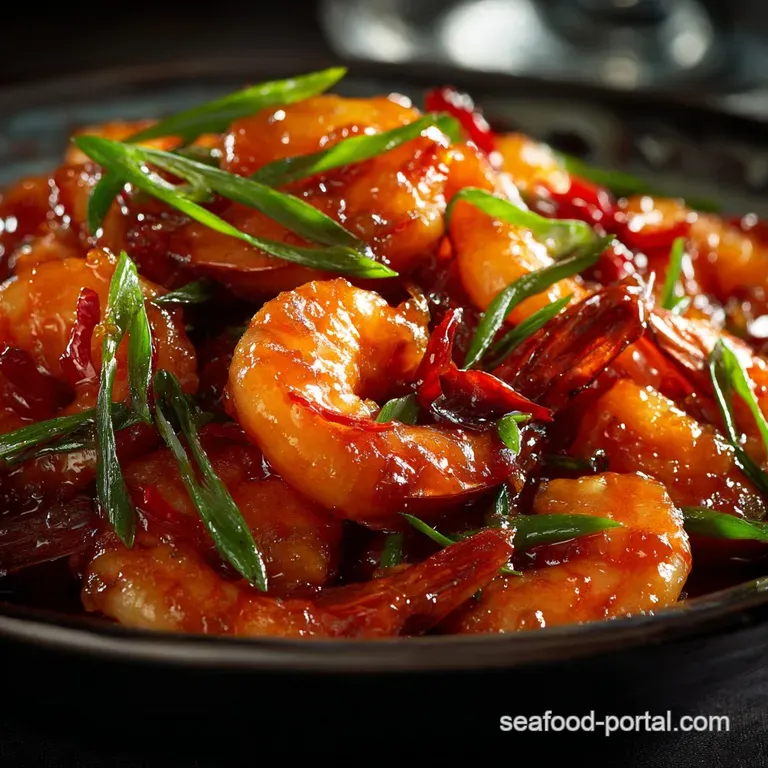
Step 1: Prepping and Marinating the Prawns for Velveting
Pat your 1 lb (500g) of prawns dry using paper towels. In a mixing bowl, whisk the single egg white until it’s slightly frothy. Stir in the 2 Tbsp Shaoxing wine, 2 Tbsp cornflour, salt, and white pepper until you have a smooth paste. Add the dried prawns and gently toss until every piece is coated beautifully.
Let them sit for exactly 10 minutes.
Step 2: The Flash Blanch (Slipping) or Oil Bath
Heat 3 Tbsp of neutral oil in your wok over high heat until it shimmers (almost smoking). Add the marinated prawns, spreading them quickly into a single layer. Stir very gently for only 60 to 90 seconds until they turn opaque pink on the outside.
Immediately dump the contents of the wok (prawns and oil) into a sieve set over a heatproof bowl. Do not let them fully cook. Set those velveted, semi cooked prawns aside.
Step 3: Building the Aromatic Base with Garlic and Ginger
Wipe out your wok quickly and return it to high heat. Add the remaining 1 Tbsp of fresh oil. Toss in the minced ginger, minced garlic, and the white parts of the spring onions. Stir fry rapidly for about 30 seconds. You want them fragrant and slightly nutty, but they absolutely cannot burn .
If the garlic turns brown, your dish will taste bitter, so move fast!
Step 4: Final Toss and Thickening the Sauce
Pour in the chicken stock, sugar, soy sauce, and the final teaspoon of Shaoxing wine. Bring this mixture to a rolling boil. Whisk your cornflour slurry (1 Tbsp cornflour mixed with 2 Tbsp cold water) one last time, then pour it into the simmering sauce while stirring constantly.
The sauce will thicken instantly and become glossy. Quickly return the semi cooked velveted prawns to the wok. Toss gently for just 30 to 45 seconds until they are fully opaque, hot, and glistening with the sauce. Take the wok off the heat immediately.
Stir in the sesame oil and the green parts of the spring onions and serve immediately.
Troubleshooting Your Stir Fry: Advanced Wok Techniques and Timing Tips
Avoiding Rubberiness: The Three Second Rule
The moment the prawns hit the hot oil, you are on the clock. During the flash blanch (Step 2) and the final toss (Step 4), a few seconds can make the difference between silky and tough. Always aim to undercook slightly during Step 2.
If you cook them fully in the initial bath, they will absolutely be rubber when you finish them in the sauce.
Maximizing Wok Heat for a Better Result
If you aren't using a powerful gas burner, preheat your wok for 5 minutes empty before adding any oil. This helps build up enough residual heat to compensate for lower BTUs. If the wok stops sizzling when you add the aromatics, you are not hot enough.
Take it off the heat, let it recover heat, and try again.
The Biggest Mistake: Overcrowding the Pan
I made this mistake countless times when I first started learning Asian cooking. I tried to cook 1.5 lbs of prawns in my 12 inch frying pan, and what I got was soggy, gray shrimp soup. If you are doubling the recipe or using a smaller pan, you must cook the prawns in two separate batches during the flash blanch phase.
This maintains the high temperature necessary for true stir frying.
Handling Leftovers: Storage, Reheating, and Shelf Life
Optimal Refrigeration Time for Cooked Seafood
Cooked Chinese shrimp should be cooled rapidly and stored in an airtight container in the refrigerator. Due to the high protein nature of seafood, plan to consume the leftovers within 2 days. Anything beyond that risks textural breakdown and safety issues.
The Best Way to Reheat Without Losing Texture
Reheating stir fried seafood can be tricky; the microwave is usually a disaster. To preserve that precious velvety texture, the best method is to use a slightly oiled, non-stick pan over medium high heat. Add the leftovers and stir fry for 60 to 90 seconds until they are just piping hot throughout.
Alternatively, you can briefly warm them in a covered container in a steamer basket.
Is Freezing Cooked Chinese Shrimp Recommended?
Honestly? No. While it is technically possible to freeze cooked Chinese Shrimp, I strongly advise against it if texture is your goal. The subtle, delicate coating created by the velveting process breaks down completely upon thawing. The result will be mushy and watery.
If you must freeze, freeze the raw, velveted prawns before cooking for better results, though even then, fresh is best.
Complementary Dishes: What to Serve Alongside Your Ginger Prawns
Because this dish has such a clean and gentle flavor, it pairs beautifully with robust sides. Steamed Jasmine rice is non-negotiable for soaking up that glossy sauce.
If you’re looking to make a massive, complete meal, try pairing the light flavor of these Asian Prawn Dishes with something spicy, like my Dynamite Shrimp Recipe: Crispy, Spicy, Restaurant Style Results on the side (if you're having a party, maybe?), or go for a simple side of quick blanched Chinese greens like Gai Lan or Bok Choy dressed simply with a little oyster sauce and a touch of roasted garlic oil. Perfection!
Recipe FAQs
What exactly is velveting and why is it necessary for this recipe?
Velveting is a classic Cantonese technique where protein is coated in a mixture of egg white, cornstarch, and sometimes baking soda before cooking. This protective coating seals in the shrimp's moisture and creates a tender, silky texture when it hits the hot oil.
Velveting is crucial because it prevents the common rubbery texture often associated with stir fried prawns.
My shrimp turned out tough and chewy. What did I do wrong?
The most common cause of tough shrimp is overcooking. Shrimp cooks very quickly, typically within 2 to 3 minutes total in a hot wok. You must ensure your wok is preheated properly and immediately remove the shrimp as soon as they curl into a C-shape and turn opaque, rather than leaving them until they form a tight O-shape.
Can I use frozen shrimp instead of fresh for velveting?
Yes, frozen shrimp works perfectly well, but it must be completely thawed and thoroughly patted dry before starting the velveting process. Excess moisture will prevent the cornstarch coating from adhering properly, ruining the texture when introduced to the wok. Always squeeze the moisture out gently before coating.
My wok temperature dropped, and the shrimp steamed instead of searing. How can I prevent this?
The key to successful stir frying is maximum heat; your wok must be smoking hot before adding any oil or protein. If you have a low-powered stovetop, never crowd the wok, as this drops the temperature instantly. Try cooking the shrimp in two smaller, quicker batches to maintain the essential high heat searing.
How can I make this recipe gluten-free?
To make this dish safe for those avoiding gluten, substitute standard soy sauce entirely with Tamari or a certified gluten-free soy sauce alternative. You should also verify that the rice wine used is plain, and ensure that any auxiliary sauces like Oyster Sauce are specifically labeled gluten-free, as they often contain wheat thickeners.
How should I store leftover Wok-Kissed Prawns, and is it safe to reheat them?
Store any leftovers in an airtight container in the refrigerator for up to 3 days. While it is safe to reheat shrimp, they can easily become rubbery during the second cooking. We recommend reheating quickly in a very hot pan, or using a microwave for short bursts, until just warm to minimize texture loss.
What are the best vegetables to add to this shrimp stir fry?
Since the shrimp cooks so quickly, it is best to use quick cooking vegetables or blanch firmer ones beforehand. Excellent additions include snow peas, sliced bamboo shoots, water chestnuts, or bell peppers, as they maintain a satisfying crispness.
Ensure you cook the vegetables until almost done before adding the velveted shrimp.
Velveted Chinese Shrimp Stir Fry
Ingredients:
Instructions:
Nutrition Facts:
| Calories | 379 kcal |
|---|---|
| Protein | 19.3 g |
| Fat | 16.4 g |
| Carbs | 31.4 g |
