Tuna Onigiri: the Ultimate Umami-Packed Tuna Mayo Rice Balls
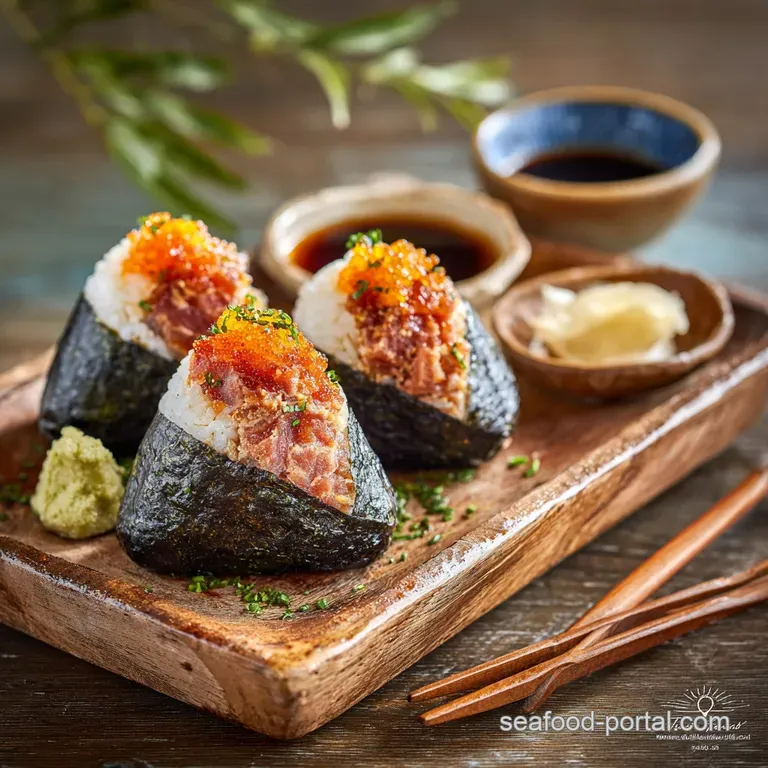
- Mastering the Art of Onigiri: Japan’s Perfect Portable Snack
- The Culinary Science: Why This Tuna Onigiri Recipe Works So Well
- Essential Ingredients for Authentic Tuna Mayo Onigiri
- Critical Kitchen Tools for Successful Onigiri Shaping
- Preparing the Foundation: Perfecting the Sushi Rice
- Step-by-Step Guide: Shaping and Assembling Your Tuna Onigiri
- Chef’s Troubleshooting: Common Mistakes and Expert Tuna Onigiri Tips
- Storing, Freezing, and Reheating Onigiri Safely
- Perfect Pairings: What to Serve Alongside Tuna Rice Balls
- Frequently Asked Questions About Tuna Onigiri
- Recipe FAQs
- 📝 Recipe Card
Mastering the Art of Onigiri: Japan’s Perfect Portable Snack
Imagine biting into that perfectly shaped triangle: warm, slightly salty rice yielding to a cool, creamy center of seasoned tuna mayo. It’s heaven in your hand. The subtle scent of toasted nori and savory soy sauce just completes the experience, truly making this the ultimate comfort food and a fantastic [Portable Japanese Snack].
For years, I struggled with packed lunches soggy sandwiches, boring salads. This Japanese staple is the ultimate lifesaver, fast, easy, and incredibly cheap to make, transforming leftover rice into genuine fuel for the day.
It’s the perfect, high protein boost for those brutal mid-week slumps, and honestly, making them is surprisingly therapeutic.
We aren't just slapping some filling into rice here; there's a technique to mastering that sticky texture and perfect shape. I've made all the mistakes, believe me, so let's skip the rookie errors and get straight to making the best [Tuna Onigiri Recipe] you’ll ever taste.
The Culinary Science: Why This Tuna Onigiri Recipe Works So Well
Defining the Classic Tuna Onigiri
What exactly are we making? [Tuna Onigiri] is Japan's iconic rice ball, usually a tidy triangle or cylinder, wrapped in crisp seaweed. It’s designed for easy transport, essentially a delicious, carb wrapped package protecting a glorious filling inside.
I think of it as the original, customizable grab and go meal that actually tastes satisfying.
The Historical Significance of Rice Balls
These humble rice balls have been around forever, feeding samurais and farmers alike for centuries. It’s a tradition born out of necessity rice is fuel, and shaping it compactly kept people going through long days of hard labor. Plus, it just feels so good to eat food shaped by hand, right?
Why Tuna Mayo Became the Champion Filling
While traditional fillings leaned salty, like pickled plum or salted salmon, the Tsunamayo or [Japanese Tuna Salad Onigiri] became a nationwide obsession when it hit convenience stores. It’s the perfect balance of richness and salt, appealing immediately to almost everyone's palate.
This creamy tuna filling is the undisputed champion for a very good reason.
Achieving the Ideal Sticky Rice Texture
This isn't risotto rice; we need specific stickiness without any trace of mushiness. The secret is using short grain Japanese rice and properly rinsing off the exterior starch before cooking.
If the rice is too hard, it crumbles when you press it; too wet, and it becomes a gummy paste we are aiming for perfection.
Balancing the Umami Bomb (Tuna and Soy Sauce)
Tuna provides a savory, mild base layer, but the soy sauce is what really amplifies the umami in the filling. We absolutely need that depth to cut through the richness of the mayonnaise. This creates a deeply satisfying, savory salty combination that hits every part of your tongue just right.
The Magic of Mayonnaise Emulsification
Why mayo? It brilliantly binds the flaky tuna flakes into a creamy, stable mass, which is crucial for shaping stability. I swear by Kewpie mayonnaise if you can find it it uses only egg yolks, giving it a much richer, tangier flavor profile that truly elevates the entire filling.
Essential Ingredients for Authentic Tuna Mayo Onigiri
Selecting the Right Short Grain Japanese Rice
Please, for the love of rice, do not use long grain basmati or even standard American rice. You must have short grain Japanese rice, often simply labeled "sushi rice," because its naturally high starch content is necessary for pliability.
Nothing else creates that essential stickiness required to hold the triangle shape.
Building the Perfect Tuna Mayo Filling Base
The single most important step here is draining your canned tuna until it is absolutely desert dry. Seriously, squeeze it hard with the back of a spoon! Any residual liquid will seep into the rice, making the onigiri unstable and guaranteeing a messy failure. We want creamy texture, not a watery disaster.
Critical Notes on Salt and Nori Wraps
Salt is not just flavoring the exterior of the rice; dipping your hands in salted water is your secret weapon against stickiness when shaping. The nori seaweed adds necessary texture and that classic, slightly briny finish.
Buy the high-quality, pre-toasted sheets for the best crispy snap it makes a huge difference.
Ingredient Swaps and Substitutions for Dietary Needs
You absolutely have options if you are missing an item or have dietary requirements.
| Ingredient | Viable Substitution | Why It Works |
|---|---|---|
| Short Grain Rice | Calrose Rice (medium grain) | It’s the stickiest medium grain rice available and provides decent pliability. |
| Mayonnaise | Plain Greek Yoghurt (+ dash of lemon) | Provides the necessary binding acidity without the fat or eggs. |
| Soy Sauce | Tamari (for gluten-free) | Delivers the same deep umami flavor without any wheat ingredients. |
| Canned Tuna | Canned Cooked Salmon | Use the same preparation technique (drain thoroughly) for a similar protein base. |
Critical Kitchen Tools for Successful Onigiri Shaping
Honestly, you don't need fancy tools to make great [Tuna Onigiri]. A good saucepan or a rice cooker is the most important piece of equipment you’ll need for the rice. The only other tool that truly saves beginner cooks is plastic wrap it makes shaping non-stick and stress free.
Preparing the Foundation: Perfecting the Sushi Rice
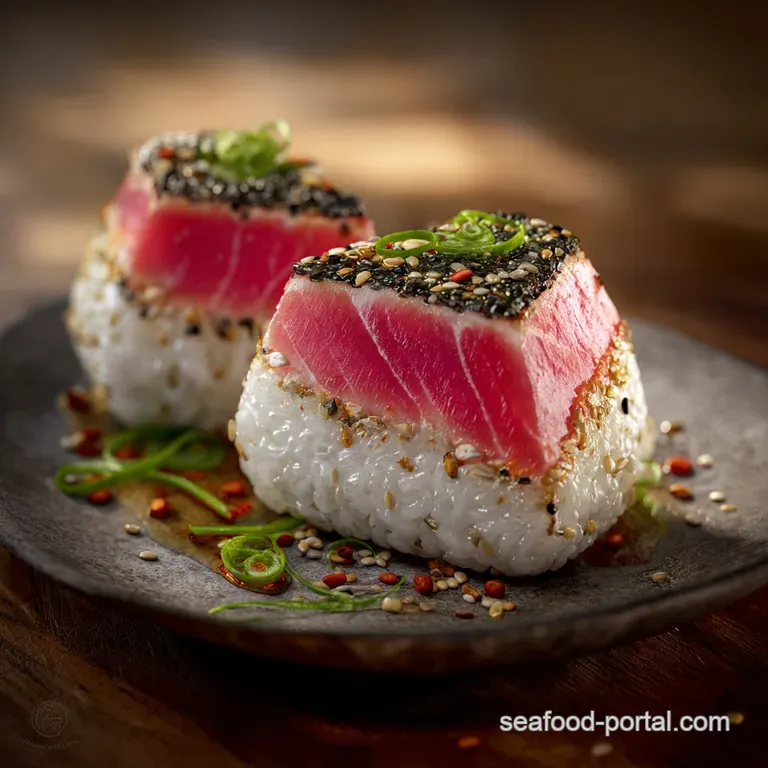
If your rice is wrong, the entire project fails, so don't rush this stage. Rinsing the rice is non-negotiable. This removes excess surface starch, preventing a gummy exterior while retaining enough stickiness inside.
Cook it covered, steam it properly, and then let it rest that rest period is essential for firm, separate grains.
step-by-step Guide: Shaping and Assembling Your Tuna Onigiri
Rinsing and Cooking Rice for Optimal Stickiness
Rinse the rice under cold water until the water is completely clear, otherwise, the grains will be gluey. After cooking, transfer the hot rice to a non-metallic bowl and spread it out slightly. We need the rice to cool until it’s warm enough to handle comfortably, not piping hot, and certainly not cold.
Mixing the Creamy Tuna Mayo Filling
This step is super easy: drain the tuna, then combine it with the mayo, soy sauce, and a little pepper. If you want to make it extra special, a dash of toasted sesame oil adds wonderful depth.
If you enjoy quick, tuna based meals, this filling is just as simple as the base for my recipe for [OnePot Creamy Tuna Noodle Casserole The 35Minute Weeknight Wonder].
The Triangle Shaping Method (Hand vs. Mold)
The key to perfect shaping is the salted water technique. Dip your hands in the salt water before touching the rice this prevents sticking and seasons the rice beautifully.
Chef's Note: Take about 1/2 cup of rice, press lightly, create a small indentation, spoon in the filling, and seal it completely. The pressure should be firm enough to hold its shape but not so hard that you crush the individual grains.
Securing the Nori Seaweed Wrap
Gently attach the nori strip to the bottom of the onigiri. If the rice is still warm, the nori will immediately adhere and soften slightly. If you prefer a truly crunchy wrap, wait until the last minute before serving to attach it.
Chef’s Troubleshooting: Common Mistakes and Expert Tuna Onigiri Tips
Making rice balls sounds easy, but two common problems plague beginners. Here is how we fix them instantly.
- Rice Balls are Crumbly and Won't Hold: You either didn't use short grain rice, or you used cold rice straight from the fridge. Fix: Always use warm, freshly cooked rice, and ensure you use the salted water on your hands, applying firm but gentle pressure to compress the grains properly.
- Soggy Nori Wraps: This is entirely a timing issue. If you wrap the nori too far in advance, the moisture in the rice will inevitably turn the crisp seaweed rubbery. Fix: Cut your nori strips ahead of time, but store them separately in an airtight container until moments before serving or packing.
- Filling Seeps Out/Soggy Rice Center: This almost always comes down to insufficiently drained tuna. Fix: Pat the tuna dry with paper towels if you have to; absolute dryness is essential. Also, make sure you thoroughly seal the rice around the filling so none of it is exposed during shaping.
Storing, Freezing, and Reheating Onigiri Safely
Does [Tuna Onigiri] freeze well? You bet it does! Onigiri is best eaten the day it is made, but storage is entirely possible.
If you store them in the fridge, wrap each onigiri tightly in plastic wrap to prevent the rice from drying out, and consume within 2 days. For longer storage, freeze the tightly wrapped, shaped rice balls (without the nori) in a freezer bag for up to one month. This is perfect for quick meal prepping!
To reheat frozen onigiri, unwrap it and place it on a microwave safe plate. Cover lightly with a damp paper towel and microwave on medium heat for 60 90 seconds until warm throughout. Once warm, then you can wrap it with the nori sheet.
Perfect Pairings: What to Serve Alongside Tuna Rice Balls
Onigiri is a standalone snack, but they pair beautifully with light Japanese side dishes. A small, clear bowl of miso soup or some quick pickled ginger adds a cleansing contrast. If you’re making a full dinner centered around tuna, this works as a great starter.
This Onigiri is pure comfort food, similar to how satisfying a big batch of [Tuna Bake Pasta The Ultimate Creamy Cheesy Comfort Food Recipe] can be on a cold night. For a protein heavy, quick evening meal, check out my killer recipe for a [Seared Tuna Steak RestaurantQuality Sesame Crust in Under 15 Minutes].
Frequently Asked Questions About Tuna Onigiri
Why Your Rice Balls Are Falling Apart (The Salt Water Technique)
Avoiding a Soggy Nori Wrap
Maximizing Flavor by Resting the Filling
Best Practices for Refrigerated Storage
Does Tuna Onigiri Freeze Well?
Reheating Instructions for Fluffiness
Recipe FAQs
Why is my Onigiri falling apart when I try to shape it?
This is usually due to using the wrong type of rice; short grain Japanese sticky rice (like sushi rice) is mandatory for its high starch content and adhesion properties. Ensure your rice is freshly cooked, slightly cooled, and that you are using slightly firm pressure, but not so much that you crush the grains.
Can I use regular long grain rice instead of specific Japanese short grain rice?
No, long grain varieties like Basmati or Jasmine lack the necessary stickiness and structure required to form stable rice balls. Authentic onigiri relies on the high amylopectin starch found only in short grain Japanese varieties, which holds the rice shape without being overly glutinous.
What is the best way to prevent the rice from sticking to my hands during shaping?
The traditional technique involves wetting your hands thoroughly with cold water before you begin handling the rice. Additionally, sprinkling a pinch of coarse salt onto your wet palms creates a perfect non-stick barrier and seasons the exterior of the rice simultaneously.
How long can I safely store Tuna Onigiri, and should I refrigerate it?
Onigiri is best consumed within 6-8 hours, but if using refrigerated tuna, it can be safely stored in the fridge for up to 2 days. Always wrap each rice ball tightly in plastic wrap before refrigerating, as cold air causes the rice to dry out and become hard very quickly.
My rice tastes bland; did I forget to season the rice itself?
Yes, while the filling is savory, the surrounding rice needs seasoning for balance; unlike sushi rice, onigiri rice is traditionally seasoned with salt, not vinegar. Make sure you are using salt water on your hands (as noted above) or mixing a small amount of fine sea salt directly into the warm rice.
Are there good variations for the Tuna Mayo filling if I want it spicier or non-mayo?
For a spicier kick, mix a teaspoon of Sriracha or a pinch of shichimi tōgarashi into the tuna and mayonnaise mixture. To go mayo free, blend the drained tuna with a dash of soy sauce, a small drizzle of sesame oil, and freshly minced scallions for an umami rich flavor.
Do I need to drain the canned tuna completely before mixing the filling?
Absolutely, it is crucial to drain the tuna as completely as possible, whether it is packed in oil or water. Excess moisture is the enemy of onigiri structure; if the filling is too wet, it will soak into the rice and cause the rice balls to collapse and become mushy.
Ultimate Tuna Onigiri Recipe
Ingredients:
Instructions:
Nutrition Facts:
| Calories | 351 kcal |
|---|---|
| Protein | 9.0 g |
| Fat | 17.3 g |
| Carbs | 36.4 g |
