The Ultimate Fresh Ginger Sauce: 5 Minute Magic
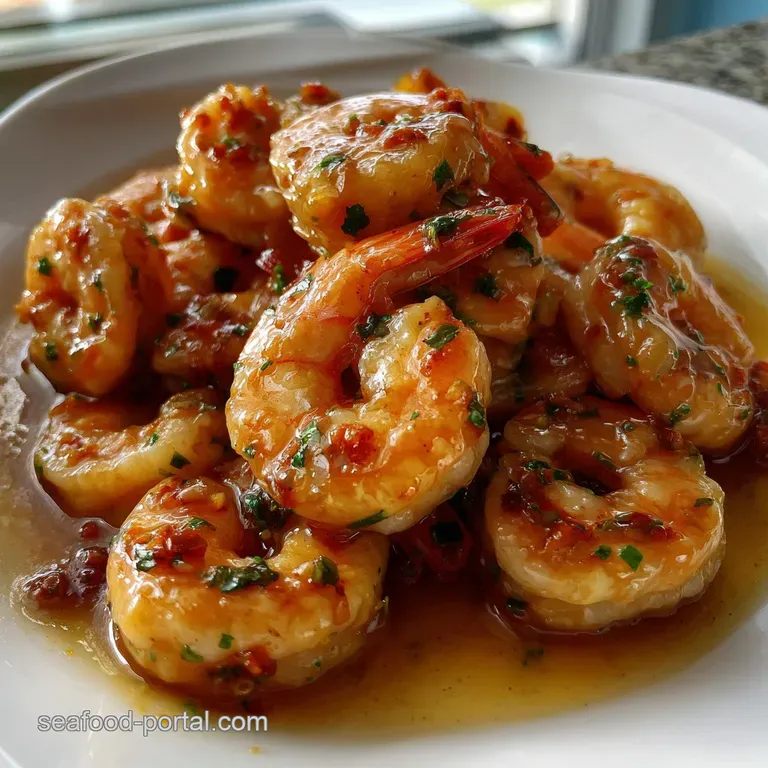
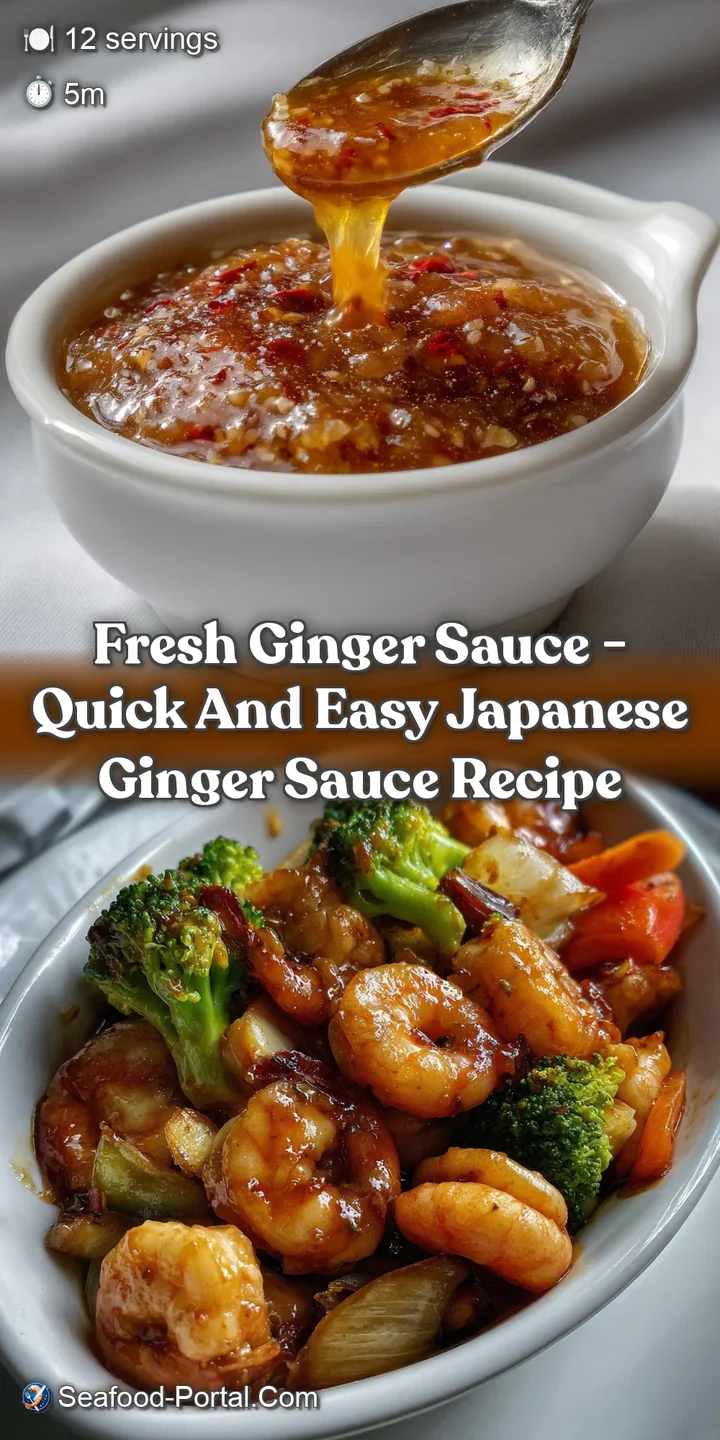
- The Ultimate Fresh Ginger Sauce: That Japanese Steakhouse Magic in 5 Minutes
- Why This Fresh Ginger Sauce Recipe Works So Well
- Essential Ingredients and Smart Substitutions
- Nutrition Information
- Step-by-Step Guide to Making Fresh Ginger Sauce
- Troubleshooting and Common Ginger Sauce Mistakes
- Storage, Freezing, and Shelf Life
- Creative Ways to Use Your Fresh Ginger Dipping Sauce
- Recipe FAQs
- 📝 Recipe Card
The Ultimate Fresh Ginger Sauce: That Japanese Steakhouse Magic in 5 Minutes
Okay, let’s talk about that electric, pungent smell that hits you when you walk into a great Japanese steakhouse. It's the scent of raw, sharp ginger mixing with sizzling oil and savory soy.
You know the sauce I mean that slightly chunky, beautiful orange/tan miracle that makes literally everything (grilled chicken, shrimp, even bland rice!) taste phenomenal. For years, I tried to replicate it, buying sketchy bottled versions that tasted flat and overly sweet. Forget that noise.
This homemade Fresh Ginger Sauce is the real deal.
I promise you, this is the quickest, most authentic Fresh Ginger Sauce Recipe you will ever make. You need about 5 minutes of total time, maybe six main ingredients, and a food processor. It’s spicy, savory, slightly sweet, and unbelievably fast.
Get ready, because once you taste this, you’ll never order the restaurant version again.
| Prep Time | Cook Time | Total Time | Yield | Category |
|---|---|---|---|---|
| 5 minutes | 0 minutes | 5 minutes | 12 servings | Sauces |
Why This Fresh Ginger Sauce Recipe Works So Well
The reason most homemade ginger sauces fail is simple: they cook the ginger down, which kills its powerful aromatic compounds, or they use too much filler. This method relies on brute force processing of fresh ginger and the power of umami to create something that’s simultaneously intense and refreshing.
The Science of Ginger's Pungency
The characteristic "heat" or sharpness of ginger comes from compounds called gingerols. When you process the ginger (grating or chopping), you break down the cell walls, releasing the gingerols and the volatile oils that give the sauce its incredible aroma.
Since we don't cook this Fresh Ginger Sauce , we keep those precious volatile oils intact, resulting in a much brighter, zestier flavor than any simmered sauce.
Achieving the Perfect Umami Balance
This sauce tastes incredible because it hits every major flavor note. The high sodium content (3559mg per serving) comes from the soy sauce, which provides that essential deep umami foundation.
That savory base is immediately counteracted by the bright acidity of rice vinegar, the sweetness of the sugar, and the explosive heat of the grated ginger. It’s a perfect flavor loop.
Textural Goals: Grated vs. Minced Ginger
While you could grate the ginger by hand, the secret to the Hibachi style sauce texture is using a food processor to rapidly mince the ginger and scallions into a chunky purée, which gives it body. We aren't making a smooth oil; we want a rustic, toothsome texture that coats food perfectly.
Essential Ingredients and Smart Substitutions
The beauty of this Fresh Ginger Dipping Sauce is its simplicity. Focus on using quality, plump ginger if it looks shriveled or dry, skip it.
| Ingredient | Role in the Recipe |
|---|---|
| Fresh Ginger | The structural and flavor foundation. Must be fresh! |
| Soy Sauce | Provides intense umami and the high sodium content (the base seasoning). |
| Scallions (Green Onion) | Adds freshness, mild onion flavor, and body. |
| Rice Vinegar | Provides essential acidity and cuts through the richness. |
| Sugar (Granulated) | Balances the high sodium and the vinegar tang. |
| Water/Oil | Used to adjust consistency and help the blade move in the food processor. |
Ingredient Swaps for Dietary Restrictions
Life happens, and sometimes you need to pivot. Here are the best ways to keep the flavor profile intact, even if you’re missing a component.
| Original Ingredient | Best Substitute | Why It Works (Scientific Function/Trade Off) |
|---|---|---|
| Soy Sauce | Tamari or Coconut Aminos | Tamari offers similar umami depth and is gluten-free. Coconut Aminos is lower in sodium but requires additional salt adjustment; the flavor will be notably sweeter. |
| Granulated Sugar | Honey or Maple Syrup | Provides necessary simple carbohydrates for balancing acidity. Note: Maple syrup slightly changes the overall color, and honey can add a floral undertone. |
| Rice Vinegar | Apple Cider Vinegar (ACV) | ACV provides the necessary acetic acid, but it is slightly sharper/fruitier than mild rice vinegar. Use 1/4 less than the recipe calls for, then taste. |
| Fresh Ginger | Frozen Ginger Cubes (Grated) | When processed, they provide the fresh flavor, but may require slightly more resting time as they introduce extra water. The texture will be smoother. |
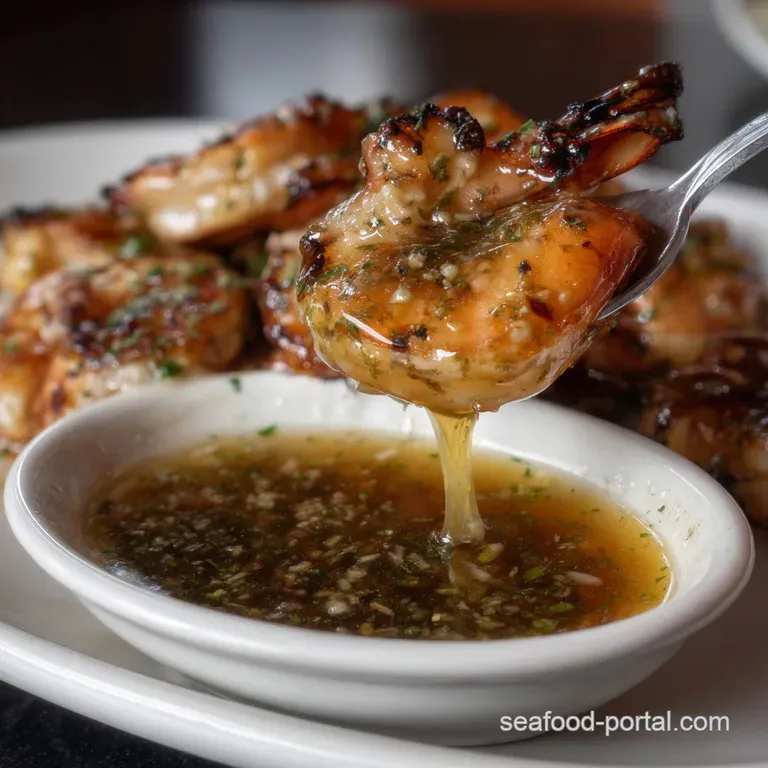
Nutrition Information
| Nutrient | Amount |
|---|---|
| Calories | 81 cal |
| Protein | 1.4 g |
| Fat | 4.7 g |
| Carbs | 8.7 g |
| Fiber | 0.5 g |
| Sugar | 7.7 g |
| Sodium | 656 mg |
step-by-step Guide to Making Fresh Ginger Sauce
This is a Fresh Ginger Sauce Recipe that relies entirely on a food processor or a high powered blender. Don't try to mince 12 servings of ginger by hand!
- Prep the Aromatics (The 5 Minute Clock Starts Now!): Roughly chop your peeled ginger and scallions. Don't worry about getting them too fine that’s the machine’s job.
- Combine the Base: Place the rough chopped ginger, scallions, sugar, and soy sauce into the bowl of your food processor. Add the rice vinegar and a tablespoon or two of water or neutral oil (like grapeseed or canola).
- Process to Perfection: Pulse the ingredients rapidly. Do not turn the machine on high and walk away. Pulse until the ginger and scallions are finely minced and the mixture is well combined but still retains texture. We are aiming for a thick, chunky consistency— not a smooth, thin liquid.
- The Critical Rest: Transfer the Fresh Ginger Sauce to an airtight container. If you serve it right away, the flavor will be harsh and underdeveloped. You need to let the flavors marry! Let it rest on the counter for 30 minutes, or even better, tuck it into the fridge for 2 hours. This resting time is non-negotiable for flavor optimization.
Troubleshooting and Common Ginger Sauce Mistakes
I’ve made all the mistakes so you don’t have to. Here are the most common pitfalls when making this Sweet Ginger Sauce Recipe .
| Common Mistake | Root Cause | The Fix |
|---|---|---|
| Sauce Tastes Bitter or Pithy | Over processing the ginger, or failing to peel the skin thoroughly (the skin contains bitter compounds). | Add 1/2 teaspoon more sugar to cut the bitterness, and/or process in 1 tablespoon of neutral oil to emulsify. Always peel your ginger well. |
| Consistency is Too Watery | Too much water/oil added, or the ginger was not processed long enough to integrate with the soy sauce. | Add 1/2 teaspoon of cornstarch or arrowroot powder and whisk vigorously (optional: briefly heat to activate starch), or simply reduce liquids next time. |
| Flavor is Flat/Too Salty | Skipping the critical resting time, or not using enough vinegar/sugar to balance the heavy soy base. | Let the sauce rest for at least 30 minutes. If still too salty, whisk in another teaspoon of water and a pinch more sugar and vinegar until balanced. |
Storage, Freezing, and Shelf Life
One of the best things about making a large batch of this Garlic Ginger Sauce Recipe (yes, I often add a clove of garlic!) is how well it keeps.
How Long Does Homemade Ginger Sauce Last?
Because this sauce contains vinegar and high sodium soy sauce, it acts as a mild preservative. Stored in a sealed glass jar, this Fresh Ginger Sauce will last beautifully in the refrigerator for up to 7 days.
Give it a good shake or stir before serving, as the suspended solids (the ginger and scallion bits) will naturally settle to the bottom.
Can I Freeze Ginger Sauce?
Yes, but with a caveat. The flavor remains perfect, but the texture changes slightly when thawed. The fresh ginger granules tend to become a little softer and more mushy.
- To Freeze: Transfer the sauce into ice cube trays or small, freezer safe containers.
- To Use: Thaw overnight in the fridge. Use frozen cubes immediately in a marinade or a stir fry base, where the textural difference won't matter.
Creative Ways to Use Your Fresh Ginger Dipping Sauce
This sauce is not just for pretending you’re at a Japanese hibachi grill (though, feel free!). It is incredibly versatile.
Beyond Hibachi: Using it as a Marinade
The high acidity and enzymatic power of the raw ginger make it a phenomenal marinade for meat and seafood. Marinate chicken thighs or pork tenderloin for 30 minutes before grilling the ginger tenderizes the protein beautifully.
Pairings for Grilled Meats and Seafood
This sauce is the definition of a great counterpoint. The sharp, clean flavor cuts through rich dishes. If you are using this sauce to drizzle over fresh fish, you might also be looking for something clean and light to serve alongside, like my quick and easy [Tuna Poke Bowl Recipe: Fresh Flavor in Every Bite].
I love serving this Spicy Ginger Sauce For Sushi or grilled salmon, or just drizzling it heavily over steamed rice and vegetables. It's fantastic paired with robust flavors.
But when you want something bright and clean, this Fresh Ginger Sauce is your answer, standing opposite heavy options like [Crab Cake Remoulade: Easy Lump Cakes with Smoked Paprika Sauce].
The Perfect Dressing for Asian Slaw
Thin this Fresh Ginger Sauce slightly with a tablespoon of sesame oil and use it to dress shredded cabbage, carrots, and bell peppers. It creates a vibrant, zero fat dressing that instantly amps up any side salad.
Recipe FAQs
How to make fresh ginger sauce?
To make this sauce, you must blend fresh, raw ginger with oil, soy sauce, and likely some vinegar and sweetness until slightly chunky. The magic comes from using raw ginger which provides that sharp, pungent flavor signature to Japanese steakhouse dipping sauces.
How to make sweet ginger sauce?
Yes, this recipe benefits significantly from added sweetness, typically sugar or mirin, to balance the sharp bite of the raw ginger. Adjusting the sweetener is key to achieving that perfect savory sweet contrast, much like the balance needed in a good marinade, for example, when making Shrimp with Garlic Sauce: Speedy Restaurant Style Succulent Prawns.
How to make homemade ginger sauce?
Making this homemade sauce is quick, requiring only about 5 minutes of active preparation time, as it primarily involves rapid blending of raw ingredients. The goal is to maintain the vibrant color and sharp texture, which is why high powered blending is often necessary to break down the ginger fibers without fully liquefying it.
How to make fresh ginger dressing?
While this recipe leans toward a thick sauce consistency, you can easily convert it into a dressing by increasing the liquid component, usually water or rice vinegar, by about 50%. This thinner consistency is great for salads; alternatively, if you prefer bright, acidic dressings, you might enjoy the citrus notes in our Fish Ceviche: Fresh, Zesty Peruvian Sea Bass Recipe.
How to make fresh kitchen ginger sauce (storage)?
Store leftover fresh ginger sauce in an airtight container in the refrigerator immediately after use to maintain freshness and prevent oxidation. Because it contains raw ginger and no heavy preservatives, it is best consumed within 5 to 7 days, as the flavor profile will begin to dull significantly after that time.
Can I use dried ginger instead of fresh ginger in this recipe?
No, substituting dried ginger powder for fresh ginger will fundamentally change the texture and flavor profile of this specific sauce, rendering it unrecognizable from the steakhouse original.
Fresh, raw ginger is essential because it provides the necessary bulk, pungent essential oils, and distinct texture that defines this popular condiment.
What gives the sauce its orange/tan color?
The signature orange/tan color usually comes from a combination of the natural hue of the raw ginger itself mixing with the dark color provided by the soy sauce and sometimes a touch of oil-based emulsification. If you are aiming for a richer flavor pairing for shellfish, you might look at how color is developed in our Creamy Lobster Sauce: Decadent Bisque Finish at Home.
Ultimate Fresh Ginger Sauce Recipe
Ingredients:
Instructions:
Nutrition Facts:
| Calories | 81 cal |
|---|---|
| Protein | 1.4 g |
| Fat | 4.7 g |
| Carbs | 8.7 g |
| Fiber | 0.5 g |
| Sugar | 7.7 g |
| Sodium | 656 mg |
