Lobster Tail: the Ultimate Butterflied Recipe
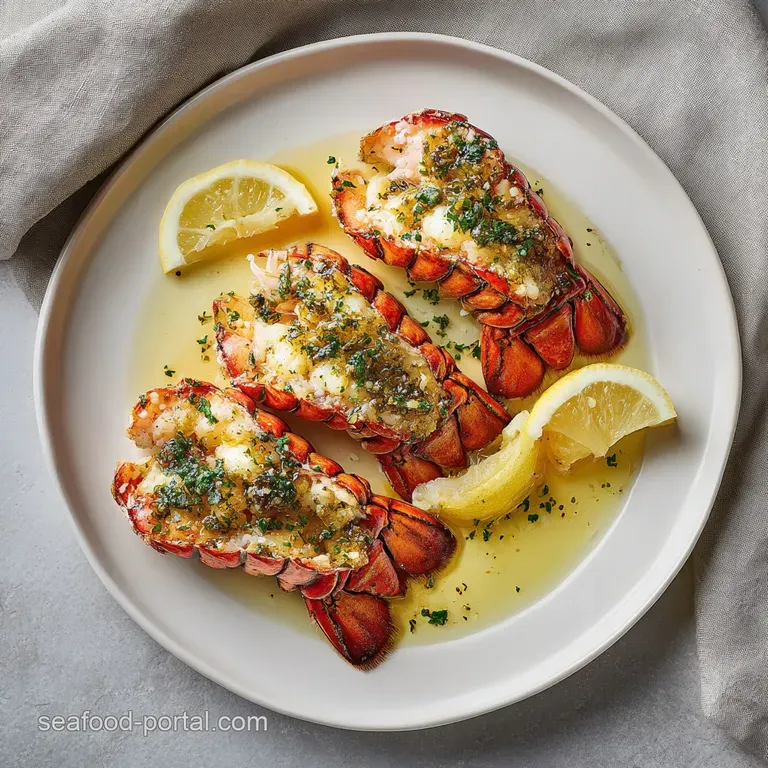
- Unlocking the 'Showstopper' Secret: Perfectly Roasted Lobster Tails
- Precision Roasting: The Science of Succulent Seafood
- Essential Components: Sourcing and Preparing Your Lobster Tail
- Ingredient Deep Dive: Swapping and Scaling
- The Butterflying Masterclass: Preparing the Shell
- Broiling Perfection: Infusing the Garlic Compound
- Expert Tips for Troubleshooting and Finishing Touches
- Handling Leftovers: Storing Cooked Lobster and Butter
- Elevating the Plate: Elegant Serving Suggestions
- Recipe FAQs
- 📝 Recipe Card
Unlocking the 'Showstopper' Secret: Perfectly Roasted Lobster Tails
That moment when the broiler hits the butter and garlic, and the scent of sweet ocean fresh meat fills your kitchen? That is pure magic, and the hallmark of a perfectly cooked Lobster tail . The meat should be firm but yield with the slightest touch, never rubbery.
Look, preparing a gorgeous Lobster tail feels seriously intimidating, but it is actually one of the fastest and easiest fancy meals you can make. Forget those pricey restaurant versions; you can achieve buttery, luxurious results at home in under 15 minutes of actual cook time.
It’s a total lifesaver for date night when you want to look like you tried hard, but actually didn't.
I’ve messed up plenty of expensive tails in my time I once steamed them into tiny rubber balls but I finally cracked the code. This is the simple, foolproof method for the most succulent, beautiful Lobster tail you will ever eat, guaranteed. Let's dive into the details.
Precision Roasting: The Science of Succulent Seafood
The reason this method reigns supreme lies in two simple techniques: high heat and the impressive 'piggyback' presentation. Using the broiler (or grill) delivers intense, focused heat right to the exposed meat, cooking it rapidly before the internal moisture evaporates.
This quick cook time is absolutely crucial for achieving that tender, sweet texture in your favorite Lobster tail .
The Butterflying Advantage: Why the 'Piggyback' Method Works
This 'piggyback' technique, where you lift the meat entirely out and place it on top of the shell, isn’t just for looks it’s pure physics, honestly. It ensures that the thickest part of the Lobster tail is fully exposed to the heat, allowing it to cook evenly alongside the thinner tip.
Plus,, lifting the meat creates a perfect little boat where that amazing lemon garlic butter glaze can pool and soak right in. If you simply leave the meat inside the shell, you risk the shell insulating the bottom half, resulting in uneven cooking and textural disaster.
Time vs. Temperature: Achieving Flawless Lobster Texture
Forget cooking by sight alone; that’s where expensive mistakes happen, trust me. The sweet spot for tenderness is hitting an internal temperature of 140°F (60° C) .
Because Lobster tail meat is so lean and delicate, every minute beyond that risks squeezing out the moisture and turning your beautiful seafood into chewing gum.
We are aiming for a rapid, quick roast, usually between 8 and 12 minutes under the broiler, and we rely entirely on the thermometer.
The Role of Clarified Butter in Flavor Infusion
While I use softened compound butter in this specific preparation, if you are planning to grill or use extremely high heat, clarified butter (ghee) is your absolute best friend. Clarified butter has had its milk solids removed, giving it a much higher smoke point.
This means you can baste the gorgeous Lobster tail repeatedly without the butter burning or smoking, ensuring maximum flavor penetration and a beautiful golden crust.
Preventing Toughness: Monitoring Internal Temperature
As I mentioned, a meat thermometer is your non-negotiable insurance policy here. Insert it into the very thickest part of the exposed meat, making sure you avoid touching the shell, which will give a false reading.
Once the temperature registers 140°F, pull that Lobster tail immediately, no hesitation allowed. Carryover cooking will handle the rest, pushing it up to that perfect, succulent texture before serving.
Essential Components: Sourcing and Preparing Your Lobster Tail
Sourcing high-quality seafood makes a massive difference, especially when the ingredient list is so refreshingly minimal. A truly great Lobster tail starts long before you turn the oven on; don't skimp on quality, especially for a treat this special.
Ingredient Deep Dive: Swapping and Scaling
This Lobster tail recipe relies on simple, fresh ingredients that let the sweet flavor of the seafood shine through. We're keeping it classic, but I always have some backup options in case you're missing something essential at the last minute.
Selecting Premium Tails: Fresh vs. Frozen Considerations
Most home cooks purchase frozen Lobster tail , and that’s perfectly acceptable, provided you follow the proper thawing instructions. Flash frozen tails are often frozen immediately after harvesting, which preserves peak freshness, sometimes even better than what you find "fresh" at a standard grocery store counter.
If buying fresh, look for tails that feel firm and smell purely of clean ocean water avoid any unpleasant fishy or ammonia smells entirely. I always recommend going for cold water species (like Maine or Canadian) because the slower growth rate yields slightly sweeter, firmer meat compared to warm water varieties.
Optimal Size for Even Cooking
I strongly prefer 6 to 7 ounce tails for this preparation. They are substantial enough for a main course but cook relatively quickly and evenly under the broiler. Once you start dealing with huge 10 ounce Lobster tail portions, the cooking time increases dramatically, and it becomes much harder to prevent the thinner end from drying out before the centre is done.
Preparing the Lemon Garlic Herb Compound
The compound butter is where the magic happens; it’s basically flavor pre-loaded and ready to melt. Ensure your butter is truly soft not melted or oily, but easily spreadable and slightly pliable.
This allows the fresh minced garlic, zingy lemon zest, and delicate herbs to fully incorporate, ensuring every bite of the finished Lobster tail is fully infused with flavor.
Alternative Fats if You Don't Have Clarified Butter
If you don't have clarified butter (ghee) on hand and are worried about your regular butter burning under a fierce broiler, try swapping half the butter for a neutral, over high heat oil. Olive oil adds great flavor, but sometimes burns easily under extreme heat.
I often use a 50/50 blend of unsalted butter and avocado oil for basting my Lobster tail when I crank the heat up all the way.
| Ingredient Needed | Viable Substitute | Notes |
|---|---|---|
| Fresh Parsley | Fresh Chives or Tarragon | Tarragon provides a subtle anise note that pairs wonderfully with sweet Lobster tail meat. |
| Lemon Zest | Lime Zest | Use slightly less lime zest, as it’s generally more concentrated and possibly bitter. |
| Unsalted Butter | high-quality Vegan Butter | Ensure your vegan butter substitute can handle the heat without separating. |
Best Herbs for Pairing with Sweet Lobster
While parsley is the absolutely classic choice, don't limit yourself to tradition! Dill is fantastic, giving the Lobster tail a bright, almost Scandinavian lift that feels incredibly fresh.
Thyme is wonderful if you're aiming for a slightly earthier, roasted flavor profile that goes well with side dishes like risotto. I tend to avoid strong, resinous herbs like rosemary or sage, as they can easily overpower the delicate natural sweetness of the Lobster tail .
The Butterflying Masterclass: Preparing the Shell

This is the only part that requires concentration, but once you do it once, you'll feel like a total professional. It’s what transforms a simple broiled dish into an elegant, restaurant quality presentation of Lobster tail .
Safe and Clean Shell Cutting Technique
Grab those sturdy, sharp kitchen shears. Flip the Lobster tail so the hard, domed shell is facing up toward you. Start cutting about half an inch from the tail fin, moving straight down the centre line right up to the neck, using firm, steady pressure.
Warning: Be incredibly careful not to cut through the bottom membrane of the shell or the actual tail fan. You want the shell to stay completely intact to act as a supportive boat.
Gently Separating the Meat from the Shell
Once the top shell is cut open, use your thumbs and fingers to gently pry the shell open along the precise cut line. Slide a finger beneath the meat to gently detach it from the shell base and sides; it should pull away fairly easily. You are essentially liberating the entire chunk of meat.
Be extremely delicate around the tail fin, ensuring the meat stays firmly attached right at the bottom where it connects to the fan. That attachment is necessary for the final "piggyback."
How to Properly Position the 'Piggyback' Presentation
Once the meat is loosened, lift it up and entirely out of the split shell. Gently press the empty shell halves back together underneath, creating a stable base. Now, lay the plump, exposed meat right on top of the closed shell where you just lifted it from.
Give the meat a very light squeeze to flatten and widen it slightly; this creates a beautiful, thick display and helps immensely with even cooking. Your perfect Lobster tail presentation is now ready for the broiler!
Broiling Perfection: Infusing the Garlic Compound
Broiling is fast, direct, and famously unforgiving. Think of it like a turbocharger for your oven; it requires your complete, undivided attention. This technique is specifically designed to create that gorgeous, slightly crusted edge on the Lobster tail while locking in the moisture so the interior remains impossibly succulent.
Preheating Strategies for Optimal Broiler Performance
Your broiler needs to be fully, screaming hot before the delicate Lobster tail enters the scene. Set the rack high about 6 to 8 inches (15 20 cm) from the heating element because this heat is what seals the deal.
Turn the broiler on high and let it preheat for at least 5 to 10 minutes, allowing the element to reach maximum temperature. A cold broiler will just bake the tails slowly, totally defeating the purpose of quick, intense heat.
Glazing and Basting Timeline for Maximum Flavor
We utilize the compound butter at two extremely important stages. Stage 1 (Pre-Broil): Brush the majority of the butter liberally over the exposed meat before it goes under the broiler. This begins the flavor infusion and helps create the delicious golden crust.
Stage 2 (Post Rest): Reserve that last tablespoon of cold compound butter. Brush it immediately onto the hot, rested Lobster tail right before serving.
The intense heat of the meat instantly melts the cold butter, creating a beautiful, fresh sheen and a potent burst of fresh garlic and lemon flavor.
Determining Doneness Without Guesswork
A perfectly cooked Lobster tail changes color dramatically in the heat. The shell turns a brilliant orange red, and the meat transforms from translucent greyish white to completely opaque white. However, the true test remains the thermometer: 140°F (60° C) is the target.
Once you see the internal temperature climb above 145°F, you've started the journey toward rubbery disappointment, so please don't push it.
Expert Tips for Troubleshooting and Finishing Touches
Cooking a magnificent Lobster tail can be remarkably simple, but there are a few common pitfalls that even experienced cooks fall into. Getting these details right ensures your results are consistently perfect and worth the price tag.
Avoiding the #1 Mistake: Overcooking the Tips
Because the Lobster tail tapers dramatically, the thinner tip often finishes cooking minutes before the thick centre section. If you notice the very tip turning slightly dry, translucent, or starting to curl excessively, gently tent that end with a small piece of foil for the last few minutes of cooking.
This shields the delicate meat from the direct heat while allowing the main, thick portion of the Lobster tail to finish cooking perfectly.
Salvaging Slightly Undercooked Meat
What if you checked the thermometer, pulled the Lobster tail , and then cut into it only to find a tiny translucent patch near the base? Don't panic, it happens! Place the tail back on the sheet tray and return it to the broiler for 60 to 90 seconds, monitoring it closely, of course.
If you prefer not to broil again, slice the slightly undercooked meat and gently sauté it quickly in a pan with a knob of butter for 2 minutes, then simply stir it back into the final beautiful presentation.
The Importance of the Final Rest Period
Just like a good steak, a perfectly cooked Lobster tail benefits enormously from a brief rest. Three minutes is all you need, seriously. This resting time allows the internal juices, which were driven toward the center by the intense heat, to redistribute evenly throughout the delicate meat fibers.
Skip the rest, and those precious, sweet juices will leak all over your beautiful platter instead of staying locked inside the delicious meat.
Handling Leftovers: Storing Cooked Lobster and Butter
Did you actually manage to save some? Highly unlikely, but let’s talk storage just in case you scaled this fantastic Lobster tail recipe up for a small dinner party.
Refrigeration Guidelines for Maximum Freshness
Cooked lobster is incredibly perishable and needs careful handling. Store leftover Lobster tail meat (removed entirely from the shell) in an airtight container immediately after cooling.
It will keep safely in the refrigerator for up to 3 days, although ideally, you should aim to eat it within 24 hours while the texture is still excellent. The leftover lemon garlic butter can be refrigerated in a small sealed container for up to two weeks and is absolutely glorious tossed with hot pasta or slathered on toast.
Best Ways to Reheat Without Drying Out the Meat
Reheating any delicate seafood is tricky business because you are almost guaranteed to dry out the meat if you blast it in the microwave. The absolute best method is low and slow: place the cooked Lobster tail (or sliced pieces) in a baking dish with about 1 tablespoon of water or broth, cover the dish tightly with foil, and gently warm it in an oven set to 250°F (120°C) for 5 to 7 minutes. Alternatively, you can use the leftover cooked Lobster tail meat cold! It makes a brilliant, speedy version of my popular Maine Lobster Roll: Authentic Chilled Recipe (Ready in 60 Minutes) .
Elevating the Plate: Elegant Serving Suggestions
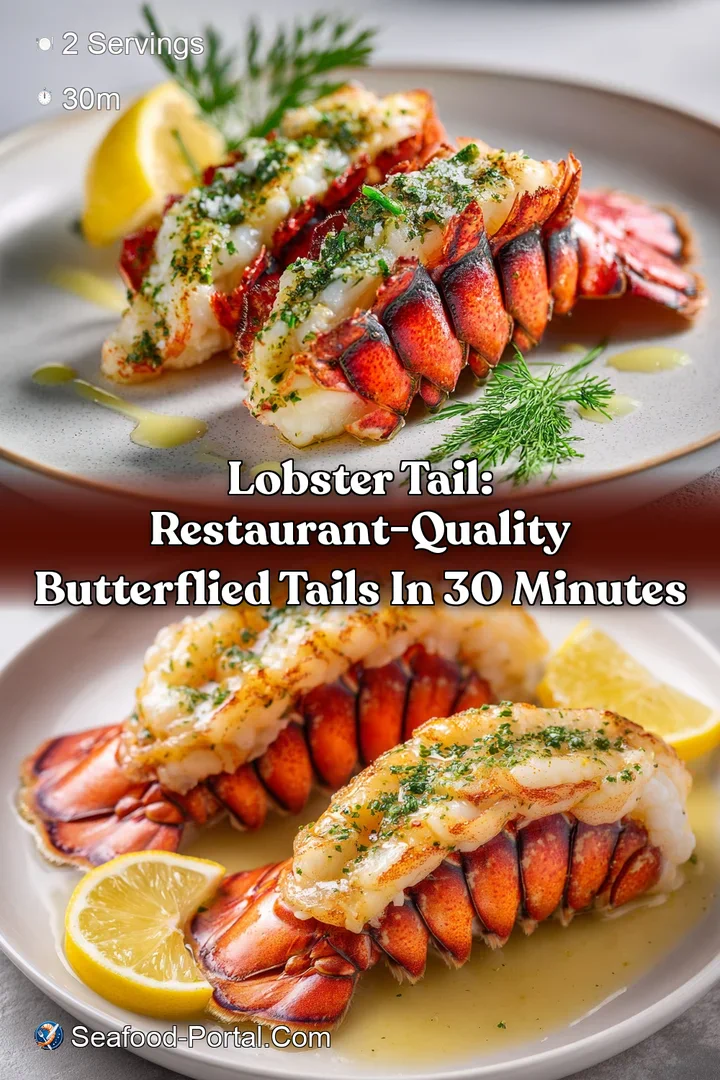
The great thing about this impressive dish is that the beautiful piggyback presentation does most of the visual work for you. Here are a few ways to really complete the luxurious experience of eating a perfect Lobster tail .
Perfect Simple Side Dishes
Because the butterflied Lobster tail is rich and butter heavy, pair it with sides that offer texture and brightness.
- Asparagus: Quick roasted asparagus spears with a dash of sea salt and lemon zest keeps things clean and elegant.
- Simple Rice Pilaf: Use a light, herby rice pilaf, avoiding overly rich, heavy sides like mac and cheese or creamy mashed potatoes.
- Crisp Salad: A bitter green salad (like arugula or radicchio) dressed simply with a bright vinaigrette provides a wonderful acidic and textural contrast to the richness of the Lobster tail .
If you have a bit more time and want to make a truly proper feast, pairing this broiled Lobster tail with a comforting bowl of Lobster Bisque: The Proper French Classic Soup Recipe is a truly decadent plan. Whether you serve it alongside a filet mignon or as the star attraction, this brilliant method for preparing a butterflied Lobster tail guarantees success every single time. Now go impress yourself and enjoy every buttery bite!
Recipe FAQs
Why is my lobster meat tough or rubbery after cooking?
Toughness is the most common indicator of overcooking the lobster. The meat should be cooked quickly until it is fully opaque white and slightly firm to the touch, usually around 12-15 minutes total depending on size.
For precision, use an instant read thermometer to confirm the internal temperature has reached 140°F (60°C).
I struggle with the butterflying process; how deep should I cut the shell?
Cut lengthwise along the center top of the hard shell, going almost all the way through, but be careful not to pierce the soft bottom shell. The goal is to fully expose the meat so you can lift it up and rest it ‘piggyback’ style atop the shell.
This ensures the meat cooks evenly and maximizes the absorption of the lemon garlic butter.
Can I use frozen lobster tails for this recipe, and how should I thaw them?
Yes, frozen tails are perfectly acceptable, but proper thawing is critical to prevent a watery texture. Thaw them slowly in the refrigerator overnight, or place them in a sealed plastic bag under cold running water for about 60-90 minutes before preparation.
Never microwave frozen lobster tails, as this can start the cooking process unevenly.
How do I know the lobster is perfectly cooked without a thermometer?
The main visual cues are the shell turning a vibrant, bright red and the meat transforming from translucent gray to solid opaque white. If the meat still has any translucent or gray spots, it is undercooked and must return to the heat immediately.
If the tail has curled up tightly, it’s usually a sign that it is done or slightly overdone.
How should I store leftover cooked lobster and can I reheat it?
Store leftover cooked lobster meat immediately in an airtight container in the refrigerator for up to 2 days. To reheat, the best method is a gentle steam or a quick bake at 350°F (175°C) covered tightly in foil for 5 minutes. Avoid the microwave, which tends to make the meat rubbery upon reheating.
Can I substitute other herbs in the lemon garlic butter mixture?
Absolutely; while parsley and chives are classic, tarragon offers a wonderful anise like depth that pairs exceptionally well with seafood. You could also incorporate thyme or a pinch of smoked paprika for a slightly richer, earthier flavor profile.
Ensure you use fresh herbs, as dried herbs lose potency when mixed into cold butter.
Is it possible to grill these butterflied tails instead of baking them?
Grilling works beautifully and provides a light smoky char that enhances the sweet flavor of the lobster. Preheat your grill to medium high heat, brush the meat side generously with the herb butter, and grill meat side down for about 5 minutes.
Flip the tails and cook shell side down until done, brushing the exposed meat once more.
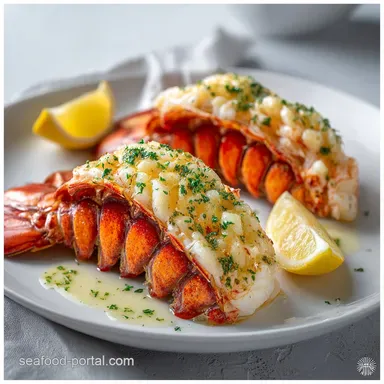
Ultimate Butterflied Lobster Tail Recipe
Ingredients:
Instructions:
Nutrition Facts:
| Calories | 485 kcal |
|---|---|
| Protein | 48.3 g |
| Fat | 27.0 g |
| Carbs | 1.9 g |
