Tuna Salad Sandwich: Classic & Crisp
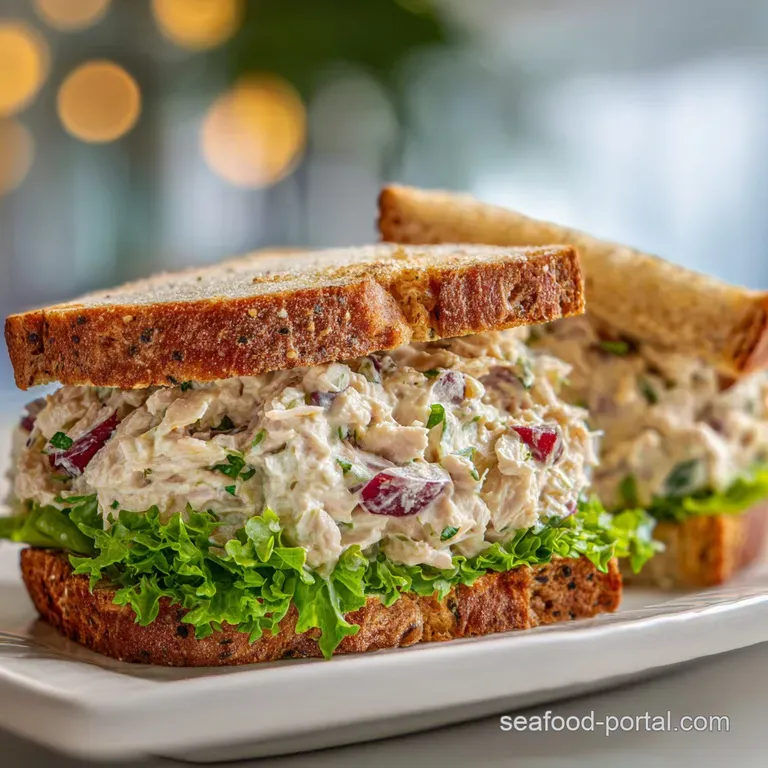
- Time: Active 15 minutes, Passive 0 minutes, Total 15 minutes
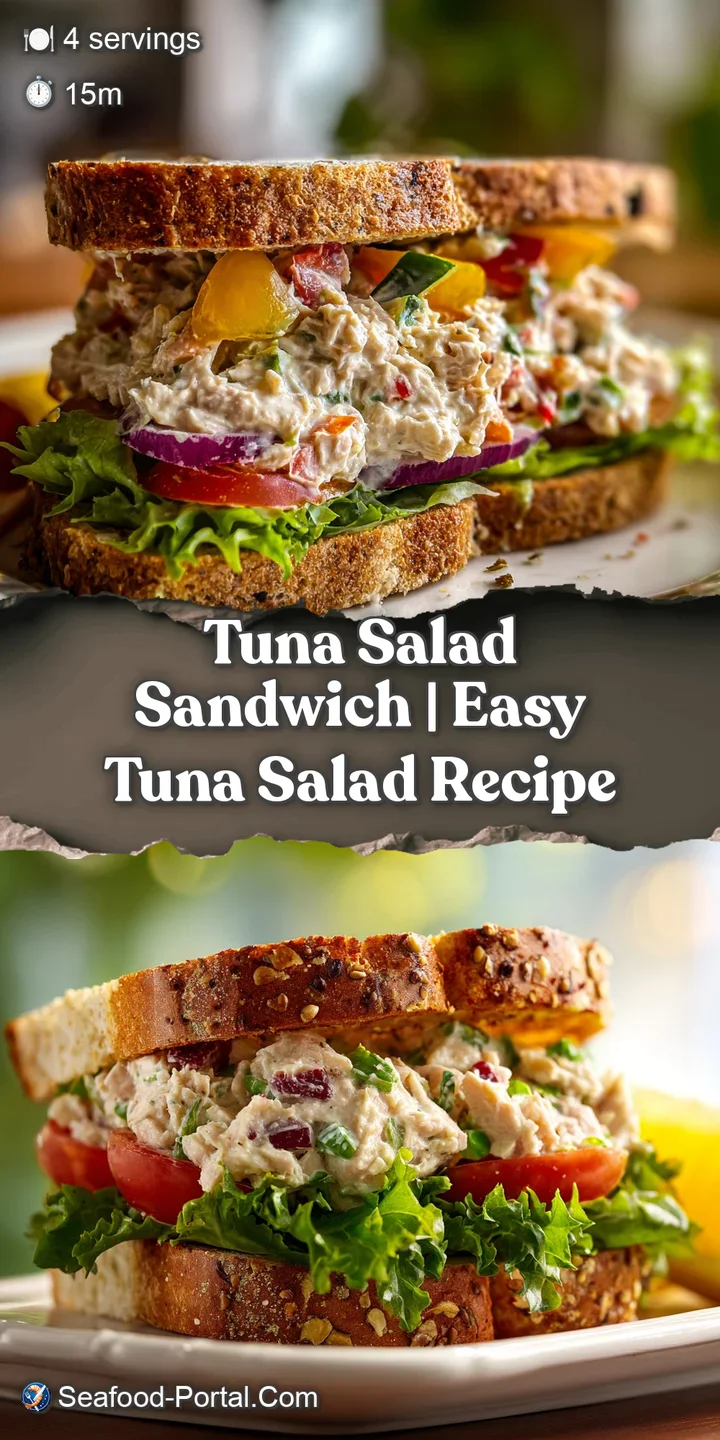
- Flavor/Texture Hook: Velvety mayo base with a sharp, tangy snap from red onions and fresh dill.
- Perfect for: A reliable weekday lunch or a high protein meal prep that stays fresh in the fridge.
- Create the Best Classic Tuna Salad Sandwich
- The Science of Textural Balance
- Breaking Down Core Components
- Tools for Ideal Mixing
- Ingredients & Substitutes
- From Prep to Assembly
- Solving Texture Problems
- Swaps for Every Palate
- Myths About Canned Tuna
- Keeping Every Bite Fresh
- Serving the Final Dish
- High in Sodium
- Recipe FAQs
- 📝 Recipe Card
Create the Best Classic Tuna Salad Sandwich
I remember the exact moment I realized I had been making my tuna sandwiches wrong for years. I was sitting at a tiny, sun drenched coastal shack, watching the chef prepare what I thought would be a standard lunch.
When I took that first bite, the bread didn't just collapse; it had a distinct, toasted resistance that gave way to a filling so bright and herbaceous I had to stop and stare at the plate.
Most people just dump a can of fish into a bowl with a glob of mayo and call it a day. That is how you end up with a sad, mushy mess that leaves you feeling heavy. The secret isn't just in what you add, but in how you treat the ingredients before they ever touch the bowl.
We are looking for that specific harmony where the lemon cuts the richness of the fish and the celery provides a rhythmic, percussive crunch in every mouthful.
Trust me, once you start soaking your onions and grating your eggs, there is no going back to the basic version. We've all had those soggy sandwiches in a plastic bag at the office, but this version is different. It is about building layers of flavor that actually make sense together.
We're going for a lunch that makes you feel energized, not like you need a three hour nap.
The Science of Textural Balance
The Crunch Factor
Osmotic Equilibrium: Soaking chopped red onions in cold water for ten minutes draws out the harsh sulfurous compounds. This leaves you with the sharp flavor you want without the lingering "onion breath" that can ruin your afternoon.
Balancing the Acidity
Ph Manipulation: The citric acid in lemon juice doesn't just add flavor; it physically tightens the protein fibers in the tuna. This prevents the fish from turning into a paste when you mix it with the mayonnaise.
Structural Integrity
Starch Gelatinization: Using toasted sourdough creates a moisture barrier. The heat from the toaster creates a crust that prevents the dressing from seeping into the bread, ensuring the sandwich stays crisp until the last bite.
| Method | Time | Texture | Best For |
|---|---|---|---|
| Classic Cold | 15 minutes | Crisp and Refreshing | Office lunches or picnics |
| Lightly Toasted | 18 minutes | Warm crunch, cool center | Weekend brunch at home |
| Open Faced | 12 minutes | Soft and creamy | Low carb snack or appetizer |
Choosing between these methods depends on your mood, but if you have the time, I highly recommend the toasted sourdough route. It provides a beautiful contrast to the velvety tuna mixture. If you find yourself craving something even more indulgent, you might want to try a Classic Tuna Melt Sandwich recipe which adds that gooey, melted cheese layer we all love.
Breaking Down Core Components
To get this right, we have to talk about the fish. Not all cans are created equal, and for a truly great sandwich, you want white albacore. It has a firmer texture that holds up to the mixing process.
If you use the shredded "chunk light" varieties, you often end up with a texture closer to baby food than a proper salad.
| Ingredient | Science Role | Pro Secret |
|---|---|---|
| Albacore Tuna | Protein Base | Drain thoroughly and flake with a fork to maintain distinct chunks. |
| Hard Boiled Eggs | Fat Emulsifier | Grate the eggs instead of chopping them for a silkier mouthfeel. |
| Dijon Mustard | Chemical Binder | The mustard helps the mayo and lemon juice stay bonded together. |
| Fresh Dill | Aromatic Brightness | Use the stems too; they hold a concentrated, peppery punch. |
Chef's Tip: Freeze your lemon for 10 minutes before zesting and juicing. It firms up the skin, making it much easier to get those bright, citrus oils into the bowl without the bitter white pith.
Tools for Ideal Mixing
You don't need a kitchen full of gadgets, but a few specific items make a world of difference. A sharp chef's knife is non negotiable for getting that celery and onion into a fine, consistent dice. If the chunks are too big, they'll fall out of the sandwich; too small, and you lose the texture.
A stainless steel mixing bowl is better than plastic here. Plastic can hold onto fishy smells even after a trip through the dishwasher. You'll also want a sturdy silicone spatula to fold the ingredients together gently. If you over mix with a spoon, you'll break the tuna down into a mushy paste.
Finally,, a box grater is your secret weapon for those eggs.
Ingredients & Substitutes
- 12 oz white albacore tuna (2 cans): This is the meaty foundation.
- Substitute: Canned salmon for a richer, pinker variation.
- Why this? Albacore provides a clean flavor and firm texture that mimics fresh fish.
- 2 large hard boiled eggs: These add creaminess and protein.
- Substitute: 2 tablespoons of Greek yogurt for a lighter, tangier fat source.
- 0.5 cup celery: For that essential snap.
- Substitute: Finely diced fennel for a subtle licorice note.
- 0.25 cup red onion: Adds a sharp bite and color.
- Substitute: Shallots for a milder, more delicate sweetness.
- 3 tbsp sweet pickle relish: Provides the "sweet" in our sweet and savory balance.
- Substitute: Chopped capers if you prefer a salty, briny profile.
- 2 tbsp fresh dill: The primary herb that defines the aroma.
- Substitute: Fresh parsley if you want a cleaner, grassy finish.
- 0.33 cup mayonnaise: The glue that holds it all together.
- Substitute: Avocado oil mayo for a more "healthy" fat profile.
- 1 tbsp Dijon mustard: For depth and a tiny bit of heat.
- Substitute: Yellow mustard for a more nostalgic, "lunchbox" flavor.
- 1 tbsp fresh lemon juice: To brighten the entire dish.
- Substitute: Apple cider vinegar in a pinch.
- 0.5 tsp cracked black pepper: For a subtle, woody spice.
- Substitute: White pepper for a hidden heat without the black specks.
- 8 slices sourdough bread: Our sturdy, tangy vehicle.
- Substitute: Whole wheat or rye for an earthier flavor.
- 4 leaves butter lettuce: Provides a barrier and a soft crunch.
- Substitute: Romaine or arugula for more bitterness.
From Prep to Assembly
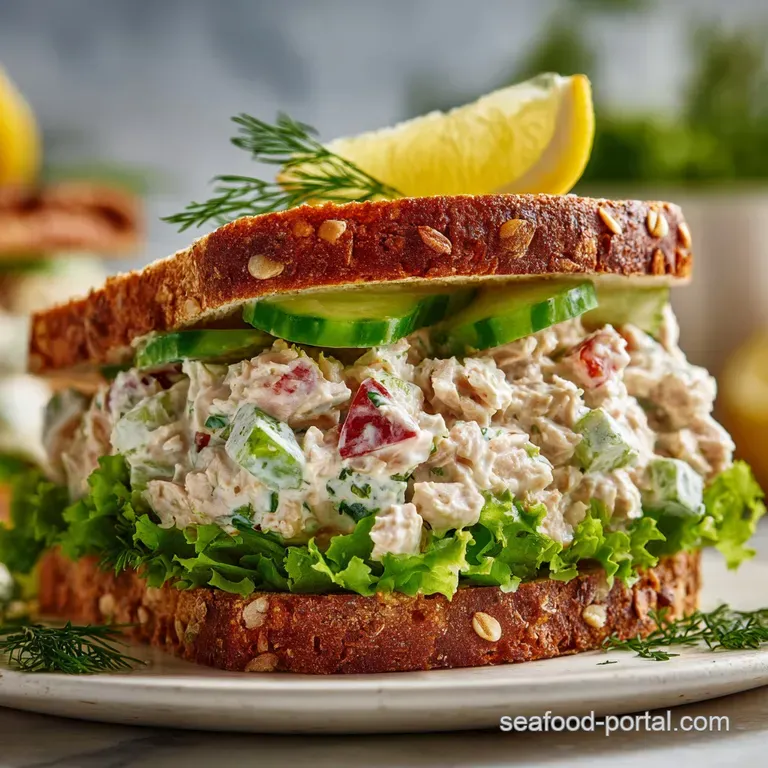
- Prep the onions. Dice 0.25 cup red onion and submerge them in a bowl of ice cold water. Note: This removes the bite that lingers on the tongue.
- Drain the tuna. Open the cans and press the lid down firmly to squeeze out every drop of water. Wait until the tuna feels dry and flaky.
- Grate the eggs. Use the large holes on a box grater to shred the 2 hard boiled eggs into a large bowl.
- Flake the fish. Add the tuna to the eggs and use a fork to break it into bite sized chunks. Note: Avoid over shredding.
- Add the crunch. Drain the onions and pat them dry. Fold in the onions, 0.5 cup celery, and 3 tbsp sweet pickle relish.
- Create the dressing. In a separate small bowl, whisk 0.33 cup mayo, 1 tbsp Dijon, 1 tbsp lemon juice, 2 tbsp dill, and 0.5 tsp black pepper.
- Combine gently. Pour the dressing over the tuna mixture and fold with a spatula until everything is evenly coated and glistening.
- Toast the bread. Lightly toast 8 slices of sourdough until the edges are golden and the surface feels firm.
- Build the layers. Place a leaf of butter lettuce on four slices of bread, then scoop a generous portion of the tuna salad on top.
- Seal and slice. Top with the remaining bread and slice diagonally until the knife shatters the crust with a clean snap.
If you are a fan of this specific style of prep, you should definitely look at our Deli Tuna Salad Recipe which goes even deeper into that traditional New York style. It is fascinating how a few small changes in the aromatics can shift the whole personality of the dish.
Solving Texture Problems
Fixing Runny Salad
If your salad looks like it is swimming in liquid, it is usually because the vegetables weren't dried properly after washing. To fix this, you don't want to add more mayo. Instead, add another hard boiled egg or a tablespoon of breadcrumbs to absorb the excess moisture without diluting the flavor.
Saving Dry Tuna
Sometimes canned tuna is exceptionally lean and sucks up all the dressing. If the mixture looks chalky or stiff, add a teaspoon of the pickle juice from the relish jar. This adds moisture and a hit of acidity that wakes up the fats in the mayo.
Preventing Soggy Bread
The biggest mistake is putting the salad directly on the bread. Use a "moisture barrier" like a large leaf of lettuce or even a thin swipe of softened butter on the bread. This prevents the liquid in the salad from migrating into the crumb of the sourdough.
| Problem | Root Cause | Solution |
|---|---|---|
| Bland Flavor | Lack of acidity | Add a squeeze of lemon or more Dijon. |
| Mushy Texture | Over mixing | Fold gently; don't stir vigorously. |
| Heavy Feeling | Too much mayo | Swap half the mayo for Greek yogurt. |
Common Mistakes Checklist
- ✓ Always squeeze the tuna dry until it looks almost like wood shavings before mixing.
- ✓ Don't skip the onion soak; it is the difference between "fresh" and "harsh."
- ✓ Use fresh dill rather than dried; the oils in the fresh herb are essential for the aroma.
- ✓ Toast your bread just before serving so the heat doesn't wilt the lettuce.
- ✓ Let the mixed salad sit for 5 minutes before building the sandwich to let flavors meld.
Swaps for Every Palate
When I first started experimenting with this, I found that the ratios are quite forgiving. If you are watching your carb intake, you can ditch the sourdough entirely and scoop the mixture into hollowed out bell peppers or large tomato "cups." It's a brilliant way to keep the crunch while losing the grain.
For a bit of a twist, you might consider the SouthernStyle Tuna Macaroni Salad recipe if you want to turn these same flavors into a hearty side dish for a barbecue. It uses a very similar flavor profile but adds the chew of pasta.
Scaling the Recipe
If you are cooking for a crowd, you can easily double this. When scaling up, keep the salt and spices at 1.5x the original amount first, then taste. Sometimes doubling the pepper can make it overwhelmingly spicy.
For a solo lunch, simply halve all ingredients and use one small can of tuna; it scales down perfectly without any weird math.
Myths About Canned Tuna
One big misconception is that you need to buy the most expensive "ventresca" or belly tuna for a salad. While that tuna is incredible on its own with some sea salt, its delicate texture actually gets lost once you mix it with mayo and pickles.
Save the pricey stuff for a charcuterie board and stick to solid white albacore for your sandwiches.
Another myth is that "oil packed" tuna is always better. While oil packed fish is richer, the oil often prevents the mayo based dressing from sticking to the fish fibers. Water packed tuna acts more like a sponge, soaking up the lemon and dill flavors much more effectively.
Keeping Every Bite Fresh
Storage Guidelines Keep your tuna salad in an airtight glass container in the fridge. It will stay safe and flavorful for up to 3 days. I don't recommend freezing the finished salad; mayonnaise is an emulsion that will "break" or separate when frozen and thawed, leaving you with a watery, oily mess that is honestly quite unappealing.
Zero Waste Tips Don't toss the celery leaves! They have a concentrated celery flavor that works beautifully as a garnish or chopped right into the salad. If you have leftover red onion soaking water, it's actually great for watering your plants (once it reaches room temperature).
Also, any leftover sourdough crusts can be pulsed into breadcrumbs for your next batch of meatballs.
Serving the Final Dish
When you are ready to plate, think about what else is on the table. A handful of kettle cooked potato chips provides a salty, greasy crunch that complements the tangy tuna perfectly.
If you want something lighter, a simple side of sliced cucumbers with a splash of rice vinegar is a great way to keep the meal refreshing.
If you are looking for another quick option that follows this same easy going vibe, check out our The Proper Classic recipe. It’s a slightly different take that focuses even more on that traditional deli texture we all crave during a busy work week.
There is something so satisfying about a well made sandwich. It’s a reminder that you don't need fancy ingredients or hours in the kitchen to make something that tastes like a real treat. Just remember the onion soak and the egg grate, and you'll be the hero of your own lunch break.
Right then, let's get to the kitchen and make something worth eating!
High in Sodium
915 mg mg of sodium per serving (40% % of daily value)
The American Heart Association recommends limiting sodium intake to about 2,300mg per day.
Tips to Reduce Sodium in Your Tuna Salad Sandwich
-
Low-Sodium Tuna-20%
Choose low-sodium or no-salt added tuna. Rinse the tuna thoroughly under water before using to remove even more sodium.
-
DIY Relish-15%
Make your own sweet pickle relish using low-sodium ingredients. You can control the sodium content this way.
-
Lighten the Mustard-10%
Use half the amount of Dijon mustard, or substitute with a low-sodium mustard variety. Taste and adjust accordingly.
-
Bread Choice-10%
Select low-sodium bread or a different type of bread with naturally less sodium than sourdough. Check the nutrition label!
-
Skip the Soak-5%
While soaking reduces the onion's bite, it doesn't significantly reduce sodium. Skip this step and use a smaller amount of red onion.
-
Herb Power
Enhance the flavor with fresh herbs and spices like more dill, lemon zest, or a pinch of garlic powder, instead of relying on salt.
Recipe FAQs
What are the main ingredients in a tuna salad sandwich?
Canned tuna, mayonnaise, and bread are the core components. You'll also typically find ingredients like celery, onion, relish, dill, Dijon mustard, and lemon juice for added flavor and texture.
What goes well in a tuna sandwich for extra flavor and texture?
Celery, red onion, and fresh dill are excellent additions. For creaminess and binding, grated hard boiled eggs work wonderfully. A touch of sweet pickle relish or Dijon mustard adds complexity, while lemon juice brightens everything up.
What is the secret to a great tuna sandwich?
The secret lies in texture and balancing flavors. Soaking red onions in ice water removes harshness, grating eggs adds silkiness, and toasting the bread creates a moisture barrier for crunch. These techniques, similar to how we achieve The BEST Tuna Melt, elevate the sandwich beyond a simple mix.
What does Martha Stewart put in her tuna salad?
Martha Stewart's tuna salad often includes canned tuna, mayonnaise, chopped celery, red onion, capers, Dijon mustard, and fresh dill or parsley. She emphasizes fresh ingredients and proper technique to achieve a well balanced flavor profile.
Can I substitute something for mayonnaise in tuna salad?
Yes, you can use Greek yogurt or avocado oil mayonnaise. Greek yogurt provides a tangier, lighter base, similar to how it's used in healthier variations like our NoMayo Tuna Melt, while avocado oil mayo offers a richer fat profile.
How do I prevent my tuna salad sandwich from being soggy?
Toast your bread and use a moisture barrier. Sourdough bread holds up well when toasted, and a layer of lettuce or a thin spread of butter on the bread acts as a barrier against the salad's moisture.
What kind of tuna is best for tuna salad?
Solid white albacore tuna is generally preferred. Its firmer texture holds up better to mixing without becoming mushy, and it offers a clean flavor that pairs well with other ingredients, much like the tuna used in a classic Tuna Dip.
Tuna Salad Sandwich
Ingredients:
Instructions:
Nutrition Facts:
| Calories | 558 kcal |
|---|---|
| Protein | 31.2 g |
| Fat | 19.8 g |
| Carbs | 62.4 g |
| Fiber | 2.8 g |
| Sugar | 6.1 g |
| Sodium | 915 mg |
