Canned Tuna Recipe with Lemon and Parsley
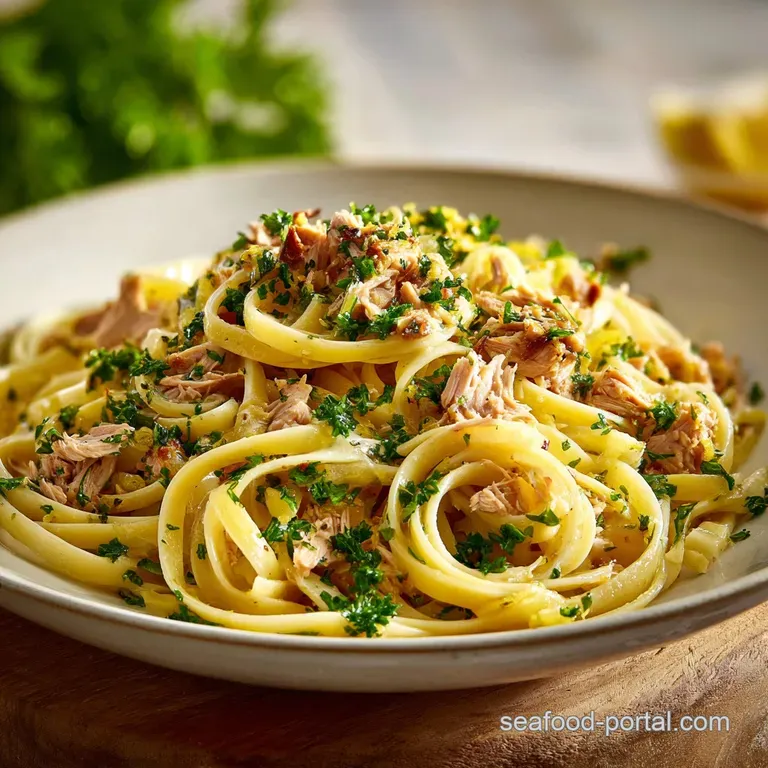
- Time: Active 5 minutes, Passive 10 minutes, Total 15 minutes
- Flavor/Texture Hook: Zesty lemon meets briny capers and silky, oil coated pasta
- Perfect for: Busy weeknights when the fridge looks empty but you want a high protein dinner
- Best Canned Tuna Recipe with Lemon and Parsley
- The Secret to Bright Mediterranean Flavor
- Analyzing the Chemical Impact of Ingredients
- Sourcing the Best Pantry Staples
- Essential Gear for Your Quick Pasta
- Step-by-Step Guide to a Flawless Finish
- Solving Common Texture and Flavor Issues
- Creative Twists to Customize Your Meal
- Effective Ways to Preserve Your Leftovers
- Presentation Ideas for a Stunning Plate
- High in Sodium
- Recipe FAQs
- 📝 Recipe Card
Best Canned Tuna Recipe with Lemon and Parsley
Imagine it's a Tuesday night, you've just walked through the door, and the last thing you want to do is spend an hour over a hot stove. I've been there more times than I can count.
One evening, staring at a lonely tin of tuna and a half empty box of spaghetti, I realized that the best meals aren't always the most complex. The smell of garlic hitting warm olive oil began to fill the kitchen, followed by the sharp, clean scent of fresh lemon zest.
This Canned Tuna Recipe with Lemon and Parsley offers a bright, flavorful dish that's quick to prepare. It’s the kind of meal that feels like a secret weapon because it transforms basic pantry items into something that tastes like a sunny afternoon on the Mediterranean coast.
We aren't just tossing fish with noodles here; we're building layers of zingy, salty, and herbal notes that hit every part of your palate.
You can expect a dish that is light yet deeply satisfying. There's no heavy cream or gloopy sauce to weigh you down, just a shimmering emulsion of pasta water and extra virgin olive oil. Trust me on this: once you master the balance of the citrus and the briny capers, you’ll never look at a can of tuna the same way again. If you're looking for something with a bit more of a baked finish, you might also enjoy a Classic Tuna Casserole recipe for those colder nights.
The Secret to Bright Mediterranean Flavor
Understanding the "how" behind this dish makes the difference between a dry pasta bowl and a silky masterpiece. It’s all about the interaction between the fats and the starches.
- The Starch Bridge: Pasta water contains released starches that act as a natural binder, turning oil and lemon juice into a velvety sauce that clings to the spaghetti.
- Cold Infusion: Adding the lemon zest at the very end prevents the heat from turning the citrus oils bitter, keeping the aroma sharp and fresh.
- Protein Preservation: We fold the tuna in at the last second so it stays in chunky, moist flakes rather than disintegrating into the sauce.
- Acidity Balance: The capers provide a sharp, acetic "pop" that cuts through the richness of the oil packed fish.
Comparison of Cooking Methods
| Method | Time | Texture | Best For |
|---|---|---|---|
| Stovetop | 15 minutes | Silky and light | Quick weeknight dinners |
| Oven Finish | 25 minutes | Crispy breadcrumb topping | Adding extra crunch and depth |
| Cold Salad | 10 minutes | Firm and refreshing | Meal prep and summer lunches |
Choosing the stovetop method allows the fresh parsley and lemon to stay vibrant. While the oven provides a nice "shatter" if you add crumbs, it can sometimes mute the delicate herbal notes we're aiming for today.
Analyzing the Chemical Impact of Ingredients
This isn't just a list of items; it's a collection of components that work together to create a specific mouthfeel and flavor profile.
| Ingredient | Science Role | Pro Secret |
|---|---|---|
| Extra Virgin Olive Oil | Primary Fat Carrier | Use the oil from the tuna tin for an extra punch of savory depth. |
| Lemon Juice | Denatures Proteins | The acid brightens the heavy oils and keeps the tuna tasting fresh, not "fishy." |
| Sliced Garlic | Aromatics | Slicing instead of mincing prevents burning and gives a mellow, sweet nutty flavor. |
| Pasta Water | Emulsifier | The "liquid gold" that binds the oil to the pasta so it doesn't pool at the bottom. |
The relationship between the lemon and the capers is particularly important. Both provide acidity, but the capers add a fermented, briny complexity that lemon juice alone cannot achieve.
Sourcing the Best Pantry Staples
For this Canned Tuna Recipe with Lemon and Parsley, the quality of your ingredients dictates the final result. Since there are so few components, each one needs to stand on its own.
- 200g spaghetti: Use a high-quality bronze die pasta if possible; it has a rougher surface that grips the sauce better.
- 1 tsp sea salt: Essential for the pasta water.
- 10 oz canned tuna: Go for oil packed yellowfin or albacore. It's much more succulent than the water packed variety.
- 3 tbsp extra virgin olive oil: Look for something with a peppery finish.
- 3 cloves garlic: Fresh is non negotiable here. Why this? Pre minced garlic lacks the essential oils needed for a true aromatic base.
- 0.5 tsp red pepper flakes: Adds a gentle background warmth without being "spicy."
- 1 large lemon: We need both the zest and the juice for a dual layer citrus profile.
- 0.5 cup fresh flat leaf parsley: Adds a grassy, clean finish.
- 2 tbsp capers: These provide the essential briny "pops." Why this? They mimic the saltiness of the sea, grounding the lighter citrus notes.
- 0.25 tsp freshly cracked black pepper: For a final floral, spicy note.
If you find yourself with extra tuna and want a more traditional lunch option, this Classic Tuna Fish recipe is a fantastic way to use up the remaining pantry stock.
| Original Ingredient | Substitute | Why It Works |
|---|---|---|
| Spaghetti | Linguine or Bucatini | Similar long strand surface area; bucatini adds a fun, hollow texture. |
| Capers | Chopped Green Olives | Provides the same briny, salty kick with a slightly fruitier undertone. |
| Parsley | Fresh Basil | Changes the profile to a sweeter, more peppery Italian vibe. |
Essential Gear for Your Quick Pasta
You don't need a professional kitchen, but a few specific tools make the process much smoother.
- Large Pot: For boiling the spaghetti. You want enough room so the pasta doesn't clump.
- Wide Skillet: A 12 inch pan is ideal. It gives you enough surface area to toss the pasta thoroughly with the tuna and oil.
- Microplane or Fine Grater: Crucial for getting that fluffy lemon zest without the bitter white pith.
- Tongs: These are the best tool for moving long pasta from the pot to the pan while dragging a little of that starchy water with it.
- Liquid Measuring Cup: To scoop out and save at least a cup of pasta water before draining.
Chef's Tip: Freeze your lemon for 10 minutes before zesting. It makes the peel firmer and much easier to grate without squashing the fruit.
step-by-step Guide to a Flawless Finish
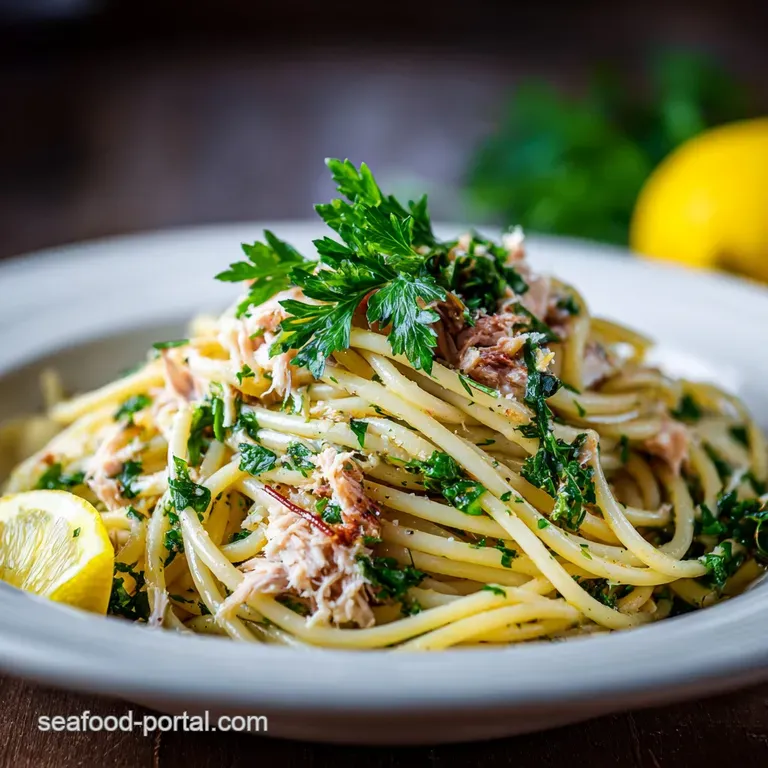
Let's get cooking. This moves fast, so have your ingredients prepped before the pasta hits the water.
- Boil the water. Fill a large pot with water and 1 tsp sea salt. Bring to a rolling boil.
- Cook the spaghetti. Add 200g spaghetti. Cook for about 8 minutes until it is slightly firmer than al dente. Note: It will finish cooking in the pan.
- Prep the aromatics. While the pasta boils, thinly slice 3 cloves of garlic. Finely chop 0.5 cup parsley.
- Sizzle the garlic. In a wide skillet, add 3 tbsp extra virgin olive oil over medium heat. Add the garlic and 0.5 tsp red pepper flakes.
- Infuse the oil. Cook for 2 minutes until the garlic is fragrant and just beginning to turn golden.
- Add the briny bits. Stir in 2 tbsp drained capers. Let them sizzle for 1 minute to release their flavor.
- Save the water. Before draining the pasta, reserve about 1 cup of the starchy cooking water.
- Combine. Transfer the spaghetti directly into the skillet with the garlic oil.
- Emulsify the sauce. Add the lemon juice and half of the reserved pasta water. Toss vigorously until a glossy sauce coats every strand.
- Fold and finish. Turn off the heat. Gently fold in 10 oz canned tuna, 1 large lemon's zest, and 0.5 cup parsley. Season with 0.25 tsp black pepper.
Solving Common Texture and Flavor Issues
Even the simplest recipes can hit a snag. But don't worry, most pantry pasta "fails" are easily fixed with a little heat or extra liquid.
The Dish is Too Dry
If your pasta feels sticky or looks dull, it’s likely because the starch has absorbed all the moisture. This often happens if the pasta sits for too long before serving.
| Problem | Root Cause | Solution |
|---|---|---|
| Dry/Clumpy Pasta | Lack of emulsifying liquid | Add 2 tbsp of reserved pasta water and a drizzle of oil; toss over low heat. |
| Overpowering Fishiness | Low quality tuna or old oil | Increase lemon juice and add an extra handful of fresh parsley to mask. |
| Burnt Garlic | Heat was too high | Start over. Burnt garlic is bitter and will ruin the delicate lemon flavor. |
Common Mistakes Checklist
- ✓ Never rinse your pasta after boiling; you need that surface starch for the sauce to stick.
- ✓ Don't drain the tuna into the sink; use that flavored oil in the skillet for a bigger flavor boost.
- ✓ Avoid using the "green can" Parmesan; if you want cheese, use fresh Pecorino or skip it to keep the lemon bright.
- ✓ Always zest your lemon before you juice it; it’s nearly impossible to zest a squeezed lemon half.
- ✓ Stop cooking the garlic the second it smells sweet; it goes from golden to burnt in a heartbeat.
Creative Twists to Customize Your Meal
While I love the simplicity of the base recipe, sometimes you want to clean out the pantry or add a bit of luxury.
- The Low Carb Swap: Replace the spaghetti with zucchini noodles or hearts of palm pasta. Since these don't have starch water, add a splash of vegetable broth to help the oil coat the "noodles."
- The Crunchy Texture Twist: Toast 1/4 cup of panko breadcrumbs in a little butter and garlic powder. Sprinkle these over the top just before serving for a "shatter" that contrasts with the soft tuna.
- Mediterranean Veggie Boost: Toss in a handful of halved cherry tomatoes or some marinated artichoke hearts during the last 2 minutes of cooking.
If you find you've scaled this up and have plenty of leftovers, you can repurpose the flavors by checking out a Proper Classic Tuna recipe for a different take on the tuna and noodle pairing.
Effective Ways to Preserve Your Leftovers
This dish is best eaten immediately because the pasta continues to absorb the sauce as it sits. However, if you have leftovers, here is how to handle them.
- Storage: Place in an airtight container and keep in the fridge for up to 2 days. The lemon flavor will actually mellow out, and the garlic will become more pronounced.
- Freezing: I don't recommend freezing this specific pasta dish. The tuna can become grainy, and the spaghetti will turn mushy upon thawing.
- Reheating: The microwave is your enemy here as it will dry out the fish. Instead, put the pasta in a skillet with a splash of water or broth. Heat over medium low, tossing constantly until it's just warmed through and the sauce becomes silky again.
- Zero Waste: Don't throw away the lemon rinds after juicing. Toss them into a jar of white vinegar to create a natural kitchen cleaner, or use the parsley stems to flavor a quick vegetable stock.
Presentation Ideas for a Stunning Plate
Even a 15 minute meal deserves to look good. Plate your spaghetti using a large carving fork to twirl it into a neat nest in the center of the bowl.
Top with an extra pinch of fresh parsley and a final dusting of lemon zest to signal to your guests (or just yourself!) that the flavors are fresh. A few extra capers scattered on top add visual interest. This dish pairs beautifully with a crisp, dry white wine like a Pinot Grigio or a Sauvignon Blanc.
The acidity in the wine mirrors the lemon in the pasta, creating a bright, cohesive dining experience.
Right then, let's get that water boiling. You're only 15 minutes away from a meal that tastes like a vacation. Trust me, once you see how that simple emulsion transforms a humble can of tuna, this will become your new Tuesday night tradition.
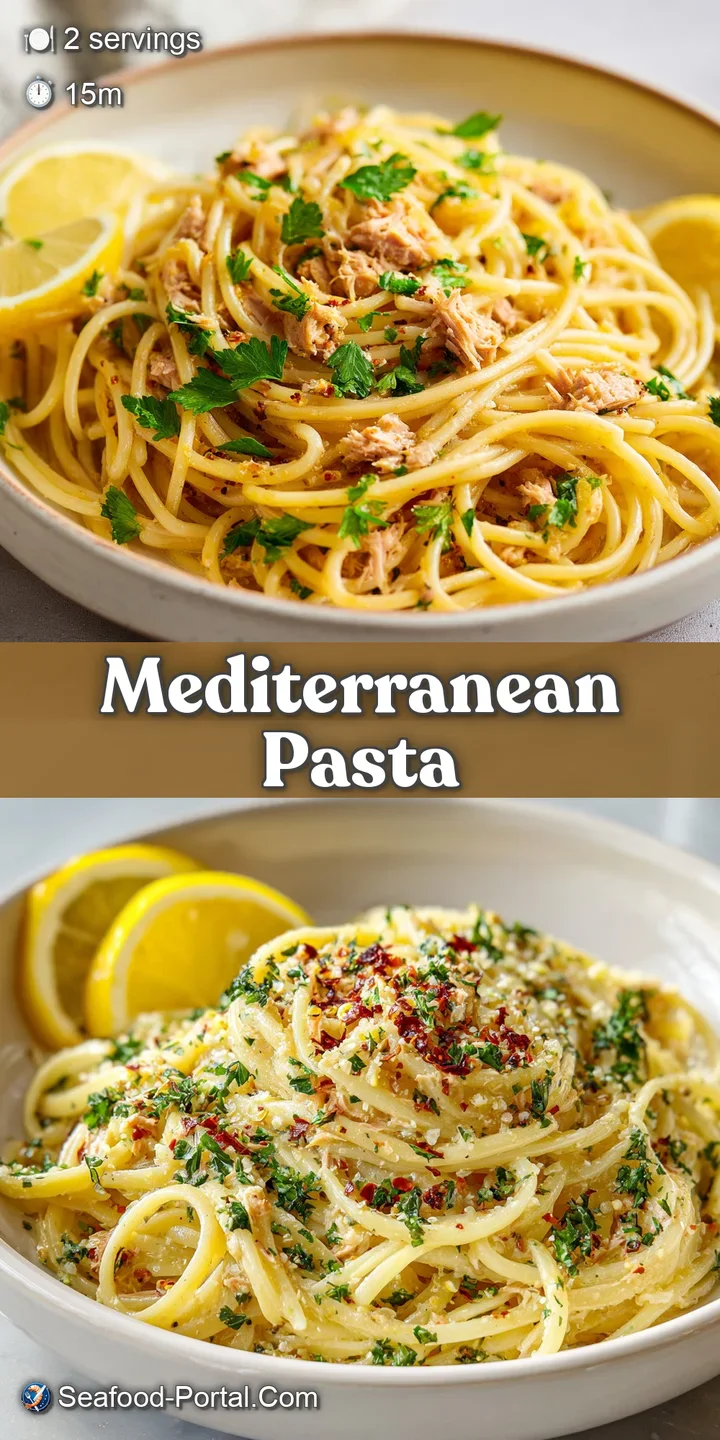
High in Sodium
895 mg of sodium per serving (39% of daily value)
The American Heart Association recommends limiting sodium intake to about 2,300mg per day.
Tips to Reduce Sodium in Tuna Pasta
-
Choose Low-Sodium Tuna-20%
Opt for tuna that is specifically labeled as low-sodium or no-salt added. This can significantly reduce the overall sodium content of the dish.
-
Rinse the Tuna-15%
If you can't find low-sodium tuna, thoroughly rinse the canned tuna under water before adding it to the pasta. Rinsing helps remove excess sodium.
-
Reduce Added Salt-15%
Eliminate or significantly reduce the amount of sea salt added to the pasta water. Taste and adjust seasoning at the end, if needed. Lemon zest and juice are good sodium free flavor substitutes.
-
Capers Consideration-10%
Capers contribute sodium; use them sparingly or rinse them well before adding. Consider using half the amount called for in the recipe or substituting with freshly chopped green olives.
-
Enhance with Lemon
Instead of relying on salt for flavor, use more lemon zest and juice to brighten the dish. The acidity will enhance the other flavors and reduce the need for salt.
-
Spice it Up!
Boost the flavor with herbs and spices! Use fresh parsley, red pepper flakes, and black pepper liberally. These additions enhance the taste without adding sodium.
Recipe FAQs
Can I substitute water packed tuna instead of oil-packed for this recipe?
No, it is strongly recommended to use oil-packed tuna. Oil-packed tuna retains significantly more moisture and carries more inherent flavor, which is necessary for creating the silky sauce when combined with the pasta water.
How do I ensure the sauce coats the pasta instead of pooling as oil at the bottom of the bowl?
Use starchy pasta water to create an emulsion. Vigorously toss the pasta in the skillet with the oil and lemon juice, gradually adding the starchy water. If you enjoyed mastering the stable emulsion in this dressing, see how the same whisking principle applies to making homemade mayonnaise.
Is it true that I must use fresh parsley, or can I substitute dried herbs?
No, you must use fresh parsley for the best flavor. Dried parsley lacks the bright, grassy aroma needed to cut through the richness of the oil and tuna; dried herbs will result in a muted, earthy flavor profile.
How can I make this recipe spicier without using excessive red pepper flakes?
Infuse the oil with a chili of your choice. Gently sauté a thinly sliced bird's eye chili or a small piece of Calabrian chili paste along with the garlic until fragrant. If you liked the quick flavor infusion here, check out The Spicy Tuna recipe for another way to balance heat and seafood.
What is the best way to prevent the lemon zest from becoming bitter during preparation?
Add the lemon zest only after turning off the heat. High, direct heat damages the delicate oils in the zest, causing a bitter flavor; add it right at the end along with the fresh parsley when folding in the tuna.
How long can I safely store leftover Canned Tuna with Lemon and Parsley?
Refrigerate leftovers for up to two days in an airtight container. Because this is an emulsion based pasta, it reheats best gently in a skillet with a splash of water, not in the microwave, to revive the sauce texture.
How do I adapt this simple recipe for a richer, baked dinner?
Transfer the mixed pasta to a baking dish and top with breadcrumbs. If you prefer a heartier, baked finish rather than the bright pantry version, try adapting the components into a Cheesy Tuna Casserole recipe for a much creamier profile.
Tuna Recipe Lemon Parsley
Ingredients:
Instructions:
Nutrition Facts:
| Calories | 762 kcal |
|---|---|
| Protein | 47 g |
| Fat | 31 g |
| Carbs | 76 g |
| Fiber | 4.2 g |
| Sugar | 2.4 g |
| Sodium | 895 mg |
