Tilapia with Lemon Caper Sauce: 25-Minute Weeknight Winner
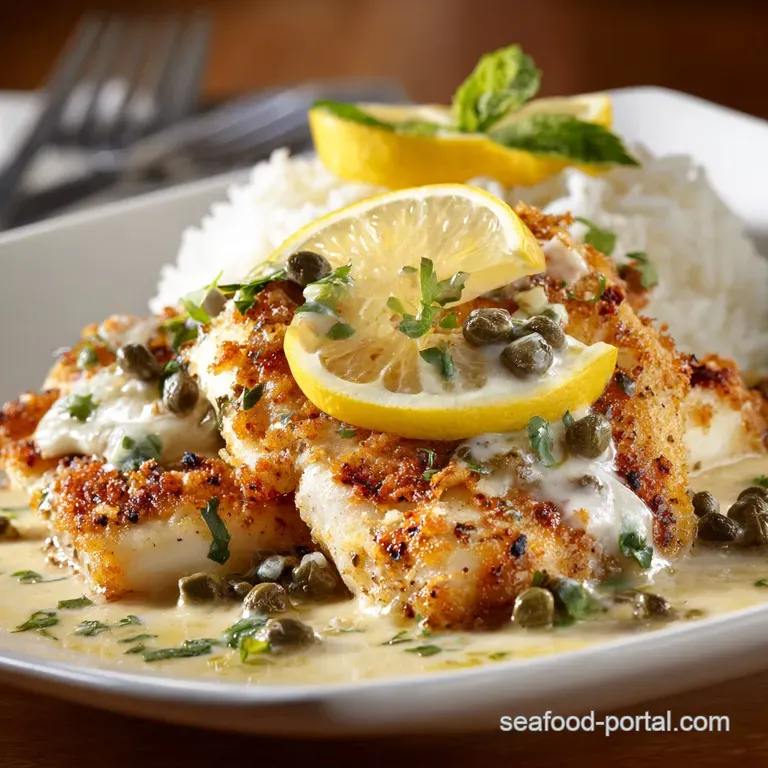
- Pan-Seared Tilapia with Zesty Lemon-Caper Sauce: A 25 Minute Weeknight Winner
- Mastering the Pan: Flavor Science of Tilapia and Lemon-Caper Emulsion
- Essential Ingredients for the Perfect Tilapia with Lemon Caper Sauce
- How to Prepare Pan-Seared Tilapia with Lemon Caper Sauce: Detailed Method
- Chef’s Secrets and Troubleshooting for Tilapia Success
- What to Serve Alongside Tilapia with Lemon Caper Sauce: Perfect Pairings
- Storing and Reheating Leftover Tilapia Dishes
- Recipe FAQs
- 📝 Recipe Card
Pan-Seared Tilapia with Zesty Lemon Caper Sauce: A 25 Minute Weeknight Winner
Picture this: the sizzle of tilapia hitting a fiercely hot pan, followed almost instantly by the sharp, bright aroma of fresh lemon and salty capers bubbling together. That’s the exact smell of dinner being saved when you think you have zero time or energy left.
Honestly, the resulting sauce is better than most expensive plates of fish I’ve paid far too much for.
You know I live for recipes that deliver massive flavor payoff for minimal effort, right? This Pan-Seared Tilapia with Lemon Caper Sauce is the ultimate weeknight hack because it’s a 25 minute meal using super affordable ingredients.
We’re transforming simple fish into something zesty and sophisticated, proving that fast food doesn't have to mean takeout.
The key here isn't the fish; it's the beautiful, glossy pan sauce. We’re essentially making a Tilapia Piccata, mastering a quick emulsification technique that gives the sauce that luxurious, velvety texture. So ditch the frozen dinner tonight. Let’s crack on and master this quick weeknight dinner together.
Mastering the Pan: Flavor Science of Tilapia and Lemon Caper Emulsion
The Mediterranean Secret Behind Our Zesty Sauce (Piccata Inspiration)
We are drawing heavily on classic Italian Piccata here, which relies heavily on acidity (lemon) and salt (capers) to cut through richness. That dynamic contrast is pure culinary brilliance. The goal is a light, sharp sauce that completely brightens the mild flavor profile of the Tilapia.
Why Tilapia Is the Perfect Canvas for Bright, Acidic Flavors
Tilapia gets a bad rap sometimes, but it’s inexpensive and incredibly mild. That neutral flavor is exactly why it’s the perfect foundation for this zesty sauce. It lets the lemon, capers, and rich butter shine through completely without competing.
It's truly a great foundation for a quick, flavour forward dish.
What Makes This a Truly Easy Weeknight Meal?
Everything cooks in one pan, and the cook time for the fish itself is less than ten minutes total. You don’t need complicated ingredients or fancy tools to pull this off. Seriously, you can have this Baked Grouper with Garlic Lemon Butter: A 30 Minute Easy Weeknight Meal ready in about the same amount of time, but searing is so much more satisfying.
Achieving the Perfect Sear: The Maillard Reaction on Tilapia
The Maillard Reaction is just a fancy way of saying "getting that beautiful golden crust." We achieve this by keeping the pan fiercely hot and making absolutely sure the Tilapia fillets are bone dry before they touch the fat.
Wet fish means steam, and steam means a rubbery, mushy crust, which we absolutely do not want.
The Importance of Monté au Beurre (Whisking in Cold Butter)
Monté au Beurre sounds fancy, but it just means "mounting with butter," and it’s the magic behind our glossy, thick sauce. By whisking in cubes of cold butter off the heat, we create a stable emulsion that thickens the sauce without needing any flour or cornstarch.
It adds intense, luxurious richness and a perfect glossiness to the final Lemon Caper Sauce.
Balancing Brightness and Salt: The Role of Capers and Lemon
Capers are salty little flavour bombs, and lemon is pure, bright acid. You have to balance those two carefully. The final richness achieved by the emulsified butter sauce tames the sharpness of the fresh lemon juice, ensuring the final product tastes balanced and never sour.
Essential Ingredients for the Perfect Tilapia with Lemon Caper Sauce
Selecting the Freshest Tilapia Fillets for Pan-Searing
Look for fillets that are firm and moist, avoiding any that smell strongly "fishy." Frozen Tilapia works perfectly fine here, which is usually what I keep stocked for quick weeknight dinners. Just make sure to thaw the frozen fish completely in the fridge and pat it extra, extra dry before cooking.
Pantry Staples for the Lemon Caper Sauce Base
You really just need fresh lemons (bottled juice is a crime here, trust me), a little quality dry white wine, and some good non-pareil capers. The smaller capers tend to have the best texture and burst of flavour. If you're looking for other ways to use bright lemon butter sauces, try this Grilled Walleye Recipe: Perfectly Flaky Fillets with Lemon Herb Butter .
Butter vs. Olive Oil: Best Fats for Pan-Searing
We use a mix of both! Olive oil provides the necessary high heat tolerance for searing without smoking. The tablespoon of butter, added alongside, provides that irreplaceable nutty flavour depth as it browns slightly. Never use only butter for searing delicate fish at high heat, or it will scorch instantly.
Quick Swaps and Ingredient Substitutions (If You're Out of Capers or Lemon)
| Ingredient | Recommended Substitute | Notes on Flavor Change |
|---|---|---|
| Tilapia | Cod, Flounder, or Halibut | Will increase cooking time slightly. |
| Capers | Chopped Green Olives (Pimento stuffed) | Will be less tart but still provide salinity. |
| Dry White Wine | Low-sodium Chicken Stock or Broth | Reduces complexity, but still works for deglazing. |
| Shallot | Half a small yellow onion, minced very fine | Cook longer to ensure the onion is fully tender. |
How to Prepare Pan-Seared Tilapia with Lemon Caper Sauce: Detailed Method
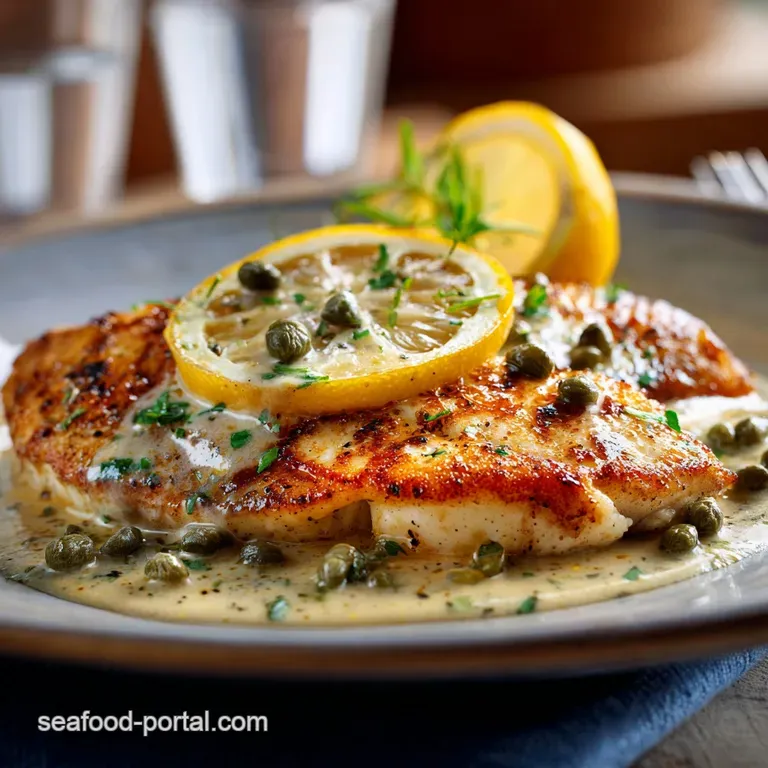
Prepping the Fillets: Seasoning and Light Flour Dredging
This is where I messed up early on I used to skip the drying step! Always pat those fillets until they feel tacky and completely dry. A very light dusting of seasoned flour helps create a superb, crisp barrier, preventing the fish from sticking and ensuring that lovely golden sear.
step-by-step: Achieving the Golden Pan Sear without Overcooking
Heat your oil and butter until shimmering; that hot pan is non-negotiable. Place the fish down gently and then leave it alone —don't poke or try to move it for a full four minutes.
When a beautiful crust has formed, the fish will release easily when you attempt to flip it using a good fish spatula.
Building the Sauce: Deglazing and Reducing the Lemon Base
Immediately after removing the fish, toss in your minced shallots. Use the liquid (wine or stock) to deglaze the pan, aggressively scraping up all those delicious brown bits, or fond , from the bottom.
This step creates the flavor foundation of your entire sauce, so let that liquid reduce until it looks thick and slightly syrupy.
Finishing the Dish: Emulsifying the Sauce for a Velvety Texture
Once the capers and lemon juice are added, pull the pan completely off the heat. The residual heat is plenty to melt the butter. Now, whisk in the cold butter, cube by cube, until it's fully incorporated. Whisking creates a beautiful, stable emulsion it should look creamy and glossy, like liquid sunshine.
Chef's Note: If your sauce starts looking greasy or separated at any point, it means it's too hot! Remove the pan immediately, and try whisking in one tiny splash of cold water or a clean ice cube to bring the temperature down and force the emulsion back together.
Chef’s Secrets and Troubleshooting for Tilapia Success
Preventing Tilapia from Sticking or Flaking Apart
Sticking is almost always caused by adding cold or wet fish to a cold or lukewarm pan. Ensure the fillets are dry and the fat is aggressively hot before introducing the fish. If you need to handle it, wait until after the first sear, and use a wide, flexible fish spatula for flipping.
Why Your Lemon Caper Sauce Broke (And How to Fix It)
If your sauce looks greasy and separated instead of creamy, you overheated the butter when finishing the emulsion. The best immediate fix is to pull the pan off the heat and aggressively whisk in a single teaspoon of cold stock or water. Sometimes, you can save it completely with this quick cooling trick!
What to Serve Alongside Tilapia with Lemon Caper Sauce: Perfect Pairings
Ideal Starchy Sides (Rice, Potatoes, or Pasta)
Since the sauce is so light and bright, it pairs perfectly with something satisfyingly creamy or starchy. Think classic risotto, simple potato mash, or maybe a light rice pilaf. For something complementary, incorporating those caper and lemon flavours into a side is fantastic, similar to the profile of my Seafood Pasta Salad: Easy, Creamy Lemon Dill Recipe .
Light and Bright Vegetable Accompaniments
Steamed green beans, blanched asparagus spears, or quick sautéed broccoli rabe are ideal vegetable companions. You want something with a slight crunch and very minimal seasoning. A quick side salad with only olive oil and flaked salt works wonders, too.
Wine Pairings That Enhance the Citrus Notes
Look for something crisp, unoaked, and high in acidity to mirror the sauce. Sancerre or Sauvignon Blanc are my go-tos because they enhance the lemon brightness beautifully. If you prefer beer, a sharp, pale, hoppy lager is exactly the ticket.
Storing and Reheating Leftover Tilapia Dishes
Best Practices for Refrigerating Cooked Tilapia
Cooked Pan-Seared Tilapia should be stored in an airtight container immediately after cooling completely. It will keep well and taste great in the fridge for up to 3 days. Always separate the fish from the sauce before storing if possible, as the sauce can make the fish soggy.
Can You Freeze Tilapia with Lemon Caper Sauce?
Can you freeze it? Technically, yes, but I really don't recommend it if you care about texture. Freezing and thawing fish breaks down its delicate cells, making the Tilapia mushy when reheated. Plus, the butter emulsion sauce will almost certainly separate upon thawing, losing its beautiful glossiness.
This quick weeknight dinner is truly best enjoyed fresh.
Reheating Instructions to Retain Moisture and Texture
Forget the microwave; it makes fish rubbery and dry. The best way to reheat is gently in a covered skillet on the stovetop over low heat. Add a tiny splash of water or stock to the pan to generate steam, which keeps the fish moist and prevents drying out. Warm the sauce gently in a separate small pan until just shimmering before serving. If you love crispy reheated fish, you might enjoy my Fried Smelt Recipe: Crispy Golden Fish with Zesty Lemon Dip instead.
Recipe FAQs
How do I prevent the tilapia from becoming dry or rubbery when pan-searing?
Tilapia is a thin fish and cooks very quickly, making overcooking the primary risk for dryness. To ensure a perfect texture, monitor the fillets closely and remove them immediately when they flake easily or reach an internal temperature of 145°F (63°C).
Use high heat for the sear, but finish the cooking on medium heat to prevent burning the exterior before the interior is done.
Why did my lemon caper sauce split or look greasy instead of creamy?
The sauce split because the pan was too hot when you added the finishing butter, or the sauce base boiled after the butter was incorporated. To properly emulsify the sauce, ensure you reduce the heat to the absolute lowest setting before swirling in the cold butter cubes one at a time.
The cold butter thickens the sauce without melting into pure oil, maintaining that luxurious creamy consistency.
Can I use a different type of fish, such as cod or snapper, for this recipe?
Absolutely; this lemon caper sauce pairs wonderfully with most mild, flaky white fish. Cod, flounder, or red snapper are excellent alternatives to tilapia, though thicker fillets may require an extra minute or two of cooking time.
Maintain the high heat for searing to ensure a golden crust, regardless of the protein choice.
I dislike capers; is there a suitable ingredient substitution?
The capers provide an essential salty, briny burst that contrasts the bright lemon flavor. If you wish to substitute, try finely mincing some Kalamata olives or adding sun-dried tomatoes for a punch of umami. Be mindful of the olive quantity, as they are significantly saltier than capers.
How should I store leftover tilapia and sauce, and can I freeze it?
Store any leftovers in separate airtight containers in the refrigerator for up to three days. We highly discourage freezing this dish, as tilapia tends to become very mushy upon thawing, and the delicate emulsified butter sauce will certainly separate. For best results, plan to consume the meal fresh.
How do I achieve a perfect, golden, crispy crust on the tilapia?
The key to a good sear is ensuring the fish fillets are completely dry before seasoning, so pat them down thoroughly with paper towels. Use a high smoke point oil, like avocado or grapeseed, and ensure the pan is shimmering hot before placing the fish flesh side down.
Avoid crowding the pan and resist the urge to flip the fish until a deep golden color has formed, usually after about 3-4 minutes.
Can I make the lemon caper sauce dairy-free?
Yes, you can easily make the sauce dairy-free by substituting the final finishing butter with a high-quality plant based butter alternative, ensuring it is very cold. Alternatively, you can omit the butter entirely and use a very small cornstarch slurry (1/2 tsp cornstarch mixed with 1 tsp cold water) to lightly thicken the sauce before serving.
Tilapia With Lemon Caper Sauce 25 Min
Ingredients:
Instructions:
Nutrition Facts:
| Calories | 425 kcal |
|---|---|
| Protein | 32.3 g |
| Fat | 24.6 g |
| Carbs | 6.5 g |
