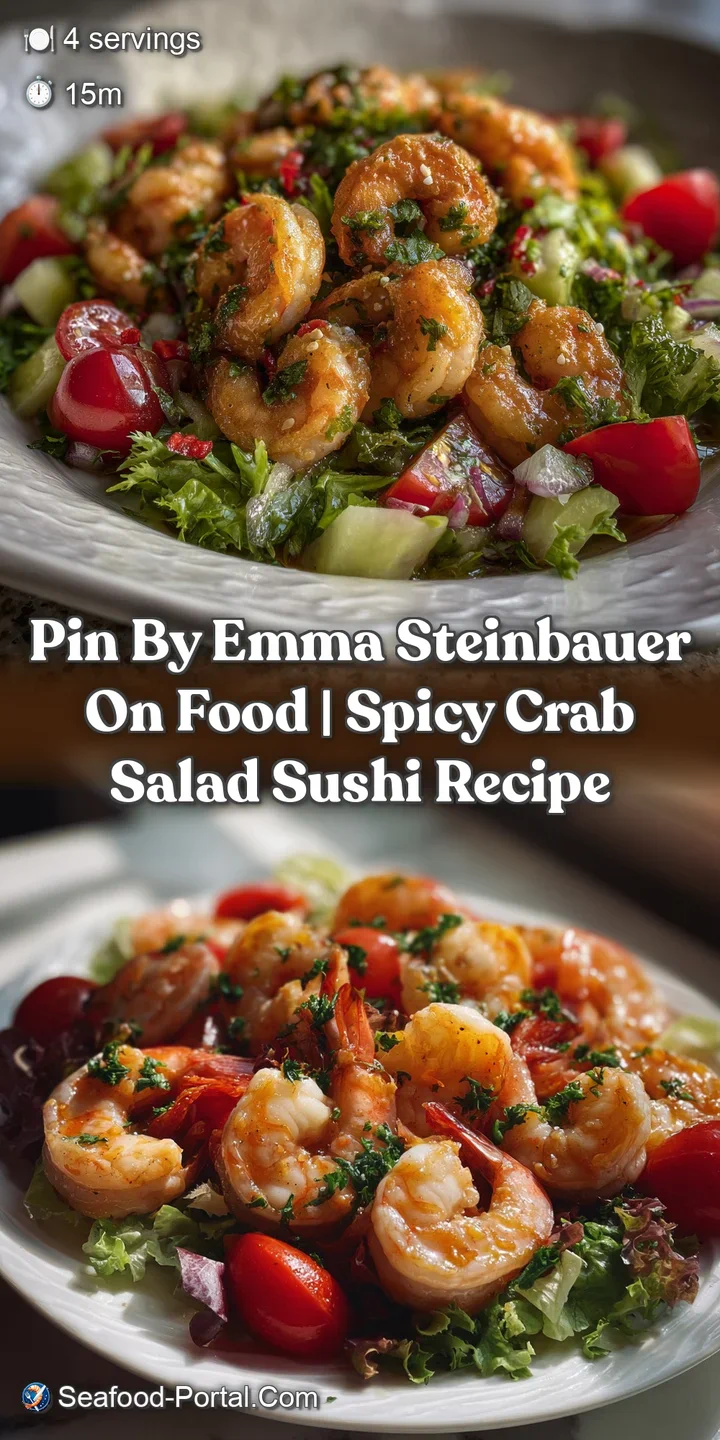
Pin by Emma Steinbauer on Food: Crispy Crab Sushi
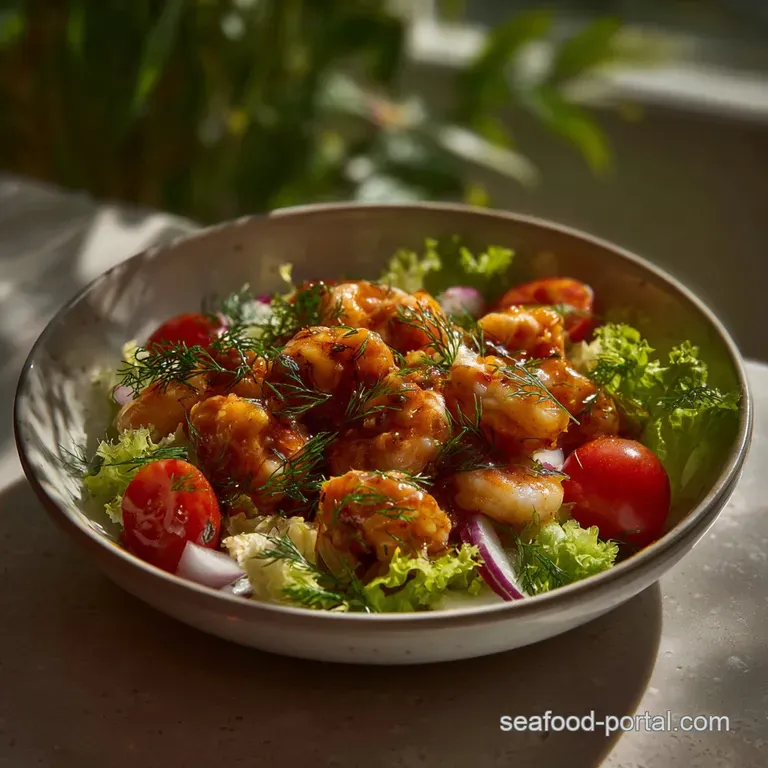
- Effort/Time: 15 minutes total; high-velocity technique
- Flavor Hook: Spicy-sweet heat met with a chilled, savory-fat finish
- Perfect for: Post-workout fuel or a rapid-fire weeknight luxury
- Master the Bold Flavors of Pin by Emma Steinbauer on Food
- The Culinary Physics of Flash-Searing and Emulsion Stability
- Precision Timing and Thermal Efficiency for Optimal Seafood Results
- The Alchemy of Umami: Selecting Your Elements and Aromatics
- Technical Tool Selection for over High heat Precision Searing
- The Sequential Assembly Protocol for Maximum Flavor Saturation
- Why Your Seafood Turns Rubbery: Solving Common Technical Failures
- Flavor Architecture: Creative Modifications and Component Alternatives
- Preserving Structural Integrity: Cold Storage and Zero Waste Philosophy
- Plating Dynamics and Texture Pairing for Professional Results
- Recipe FAQs
- 📝 Recipe Card
Master the Bold Flavors of Pin by Emma Steinbauer on Food
There is nothing more frustrating than spending good money on a pound of fresh, large shrimp only to have them emerge from the pan as rubbery, shrunken discs swimming in a puddle of gray water.
I’ve been there standing over a lukewarm pan, watching $15 worth of seafood steam itself into oblivion because I didn't understand the thermodynamics of surface moisture. It’s a texture failure that ruins the entire experience; you want a snap, but you get a struggle.
I used to think that "more heat" was the only answer, but I destroyed three batches of shrimp trying to rush the process before I realized I was actually causing massive protein denaturation by overcrowding the pan. I was treating the pan like a bowl instead of a searing surface.
It was a humbling lesson in thermal mass that forced me to rethink how I approached quick seafood builds.
The scientific revelation for this Pin by Emma Steinbauer on Food came when I stopped viewing the sauce as just "toppings" and started seeing it as a stabilized emulsion. The secret to that signature "shatter snap" of the shrimp isn't just the sear; it's the 15 minute rest that allows carryover cooking to finish the centers while the residual heat helps the sriracha mayo bond to the protein fibers.
We are aiming for a velvety, mahogany edged result that looks as professional as it tastes.
The Culinary Physics of Flash Searing and Emulsion Stability
- Maillard Reaction Optimization: High velocity searing at 375°F (190°C) triggers the reaction between amino acids and reducing sugars, creating the complex savory crust.
- Emulsion Stability: Using Kewpie mayo leverages a higher egg-yolk-to-oil ratio, where lecithin acts as a powerful emulsifier to prevent the sriracha from breaking into an oily mess.
- Protein Denaturation Control: Pulling the shrimp at an internal temperature of 120°F (49°C) allows carryover heat to reach the 145°F (63°C) safety zone without tightening the muscle fibers into a rubbery texture.
- Osmotic Balance: Adding sea salt just before searing draws minimal moisture to the surface, preventing the "steaming effect" common in pre-salted seafood.
Precision Timing and Thermal Efficiency for Optimal Seafood Results
| Metric | Specification |
|---|---|
| Prep Time | 10 minutes |
| Cook Time | 5 minutes |
| Total Time | 15 minutes |
| Servings | 4 servings |
| Calories | 357 calories |
| Protein | 23g |
The Alchemy of Umami: Selecting Your Elements and Aromatics
Selecting the right components for Pin by Emma Steinbauer on Food requires an understanding of fat-to-acid ratios. We aren't just making a salad; we are building a flavor architecture.
- 1 lb Large Shrimp, peeled, deveined, and tails removed: Why this? Larger surface area allows for better Maillard browning without overcooking the delicate center protein.
- 1 tbsp Neutral oil (Avocado or Grapeseed): Why this? High smoke point (above 400°F) prevents acrid flavor development during the over high heat flash sear.
- ½ cup Japanese Mayo (Kewpie preferred): Why this? Higher egg yolk concentration provides superior emulsification and a richer, more velvety mouthfeel.
- 1 tsp Rice vinegar: Why this? Mild acetic acid (4 5%) cuts through the fat without curdling the mayo emulsion.
- ½ tsp Fine sea salt
- ¼ tsp White pepper
- 2 tbsp Sriracha
- 1 tsp Toasted sesame oil
- ½ tsp Sugar or honey
- 2 stalks Green onions, thinly sliced
- 1 tbsp Toasted sesame seeds
Ingredient Chemistry Breakdown
| Ingredient | Chemical/Physical Role (Science) | The Pro Secret (Why This Matters) |
|---|---|---|
| Japanese Mayo | Lecithin driven emulsification | Creates a thick, stable coating that clings to shrimp without sliding off |
| Toasted Sesame Oil | Volatile aromatic compounds | Provides a high impact olfactory finish that mimics deep fried richness |
| Large Shrimp | Collagen-to-gelatin transformation | Proper searing converts tough fibers into a tender, snappy texture |
Technical Tool Selection for over High heat Precision Searing
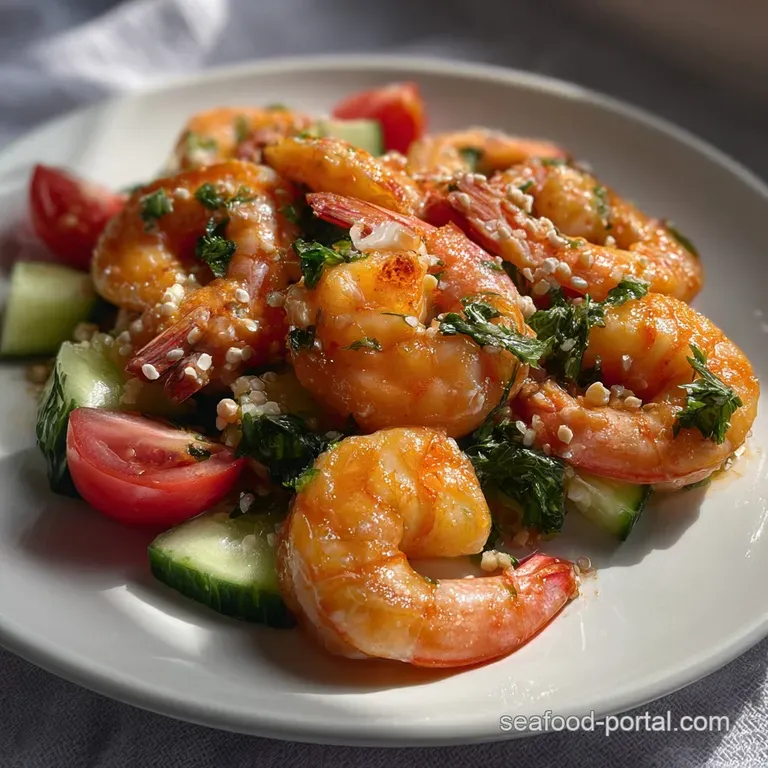
To achieve the results seen in Pin by Emma Steinbauer on Food, you need tools that manage heat distribution effectively. I recommend using a Lodge Cast Iron Skillet. The thick walls of cast iron provide the necessary thermal mass to maintain a constant temperature even when cold shrimp are added.
A thin stainless steel pan will drop 50 75 degrees instantly, leading to poaching rather than searing.
You will also need a Mercer Culinary Offset Spatula for precision flipping and a Thermapen Digital Thermometer. In seafood, 10 degrees is the difference between a "velvety snap" and "chewy rubber." If you’re looking to expand your seafood repertoire, these tools are also vital for perfecting a Rich Buttery Seafood recipe where sauce consistency is king.
The Sequential Assembly Protocol for Maximum Flavor Saturation
Follow these steps exactly to ensure the shrimp maintain their structural integrity while absorbing the spicy dressing.
- Pat 1 lb Large Shrimp dry with paper towels until the surface is matte. Note: Surface water creates steam, which prevents the Maillard reaction.
- Season the shrimp with ½ tsp Fine sea salt and ¼ tsp White pepper immediately before cooking. Note: Early salting draws out moisture via osmosis.
- Heat 1 tbsp Neutral oil in your Lodge Cast Iron Skillet until a faint wisp of smoke appears. Note: This signifies the oil has reached its optimal searing temperature.
- Place shrimp in a single layer, leaving at least half an inch of space between each. Note: Crowding the pan drops the temperature, causing the juices to leak out and boil.
- Sear for 2 minutes without moving them until a mahogany crust forms on the bottom. Note: Movement interferes with the formation of the crust.
- Flip each shrimp and cook for 1 2 minutes until the flesh turns opaque and the edges curl slightly. Note: Shrimp should form a "C" shape; an "O" shape means they are overcooked.
- Transfer shrimp to a chilled bowl and let rest for 3 minutes. Note: Cooling prevents the mayo based sauce from breaking into oil when tossed.
- Whisk ½ cup Japanese Mayo, 2 tbsp Sriracha, 1 tsp Rice vinegar, 1 tsp Toasted sesame oil, and ½ tsp Sugar until the sauce is glossy and uniform.
- Fold the cooled shrimp into the dressing until every crevice is filled with the spicy cream.
- Garnish with 2 sliced stalks of Green onions and 1 tbsp Toasted sesame seeds until the aroma of toasted nuts becomes prominent.
Why Your Seafood Turns Rubbery: Solving Common Technical Failures
Why Your Shrimp Is Tough
When shrimp are exposed to heat, the muscle proteins (myosin and actin) begin to coil and tighten. If the heat is applied too long, these proteins squeeze out all internal moisture, leaving you with a dry, rubbery texture. This is often the result of ignoring carryover cooking.
| Problem | Root Cause | The Fix | Pro Protocol |
|---|---|---|---|
| Rubbery Texture | Protein over denaturation | Pull shrimp at 135°F | Allow for 10°F carryover |
| Breaking Sauce | Heat induced emulsion failure | Cool shrimp before tossing | Whisk mayo and vinegar first |
| Pale, Wet Shrimp | Pan crowding/Moisture | Cook in small batches | Pat dry with multiple towels |
Thin or Watery Sauce
If your Pin by Emma Steinbauer on Food ends up with a thin, watery dressing, the culprit is usually residual moisture on the shrimp or the use of a low-fat mayonnaise.
Chef's Note: Always use full fat Japanese mayo. The higher fat content is what creates the "velvety" texture that clings to the shrimp. If you use a light version, the water content will cause the sriracha to separate.
Flavor Architecture: Creative Modifications and Component Alternatives
While the original Pin by Emma Steinbauer on Food is designed for a specific balance, you can swap components if you understand the underlying chemistry. If you prefer a more traditional barbecue finish, you might consider techniques found in a Bbq Seafood Sauces recipe to introduce smoke elements.
Substitution Table
| Original Ingredient | Substitute | Why It Works |
|---|---|---|
| Japanese Mayo | Plain Greek Yogurt + 1 tsp Honey | Similar acidity and thickness, but adds a probiotic tang |
| Sriracha | Sambal Oelek | Provides a chunkier texture and more raw chili heat without the garlic sweetness |
| Rice Vinegar | Lime Juice | Both provide the necessary pH drop to brighten the fats, though lime is more floral |
The "Emma Steinbauer" Bowl
To turn this into a full meal, serve the spicy shrimp over a bed of sushi rice seasoned with rice vinegar and sugar. This mimics the flavors of Spicy Crab Salad Sushi or a Spicy Crab recipe often associated with this curation.
Adding cucumber ribbons provides a necessary "shatter" texture to contrast the velvety sauce.
Preserving Structural Integrity: Cold Storage and Zero Waste Philosophy
Seafood is highly perishable and sensitive to texture changes during storage. For Pin by Emma Steinbauer on Food, the sauce acts as a protective barrier, but oxygen is still the enemy.
- Fridge: Store in an airtight glass container for up to 2 days. The sauce will thicken; do not add water to thin it.
- Freeze: I do not recommend freezing once the sauce is applied. The emulsion will break during the thawing process, resulting in a grainy texture.
- Reheating: This dish is best served cold or at room temperature. If you must warm it, use a gentle "pulsing" method in the microwave (15 second intervals) to avoid cooking the shrimp further.
⚗️ The Scaling Lab
When you decide to double this Pin by Emma Steinbauer on Food for a party, the physics of your kitchen change:
- The Square Cube Law: A double batch of shrimp has twice the volume but the same surface area in one pan. This leads to "Pan Crowding." You must cook in batches to maintain a sear temperature above 300°F.
- Flavor Saturation: Do not double the salt or sriracha initially. Scale spices to 1.5x and taste. Capsaicin and sodium levels can become overwhelming as volume increases.
- Thermal Mass: Doubling the cold ingredients into one bowl can drop the sauce temperature too quickly, making it difficult to spread. Let the sauce sit at room temperature for 10 minutes before tossing a large batch.
💡 Zero Waste Philosophy
Don't discard the shrimp tails if you are peeling them yourself. Transform: Sauté tails in a little oil until bright red, then simmer in 1 cup of water for 20 minutes to create a concentrated shrimp tea. Science: The shells contain chitin and glutamate, which provide a deep umami base for soups like a Soul Food Gumbo recipe.
Plating Dynamics and Texture Pairing for Professional Results
To elevate the Pin by Emma Steinbauer on Food, focus on "Sensory Precision." You want a mix of velvety sauce, snappy shrimp, and shattering sesame seeds.
- Height: Pile the shrimp in the center of the plate rather than spreading them flat. This retains heat and looks more intentional.
- Color Contrast: The vibrant orange of the sriracha mayo pops against a dark blue or slate colored bowl.
- Texture: Add a side of crispy fried onions or tempura flakes to lean into the Crab Salad Sushi With Crispy Rice vibe.
- Myth
- You should wash shrimp under cold water before cooking.
- Truth
- This actually introduces more moisture and increases the risk of cross contamination. Simply pat them dry.
- Myth
- "Deveining" is strictly for safety.
- Truth
- The "vein" is the digestive tract. While safe to eat, it can contain grit which ruins the "velvety" mouthfeel of the Pin by Emma Steinbauer on Food.
By mastering these technical protocols, you're not just following a recipe from the Pin by Emma Steinbauer on Food; you're applying culinary science to ensure every bite has that perfect, snap and cream balance. Enjoy the process, and remember: dry shrimp, hot pan, cold sauce. That's the secret.
Recipe FAQs
What is the critical temperature to remove shrimp from heat?
Pull shrimp at 120°F (49°C) to prevent rubberiness. The residual heat will raise the internal temperature to the safe 145°F zone without tightening the muscle fibers excessively.
- Aim for a C-shape, not an O-shape
- Use a fast reading thermometer
- Rest shrimp briefly before saucing
Should I use salted or unsalted butter for the sear?
Grapeseed or Avocado oil is preferred over butter for the sear. Butter solids burn easily above 375°F, causing bitter off-flavors during the Maillard reaction. Oil maintains a higher smoke point, ensuring a clean, fast crust formation.
Why does my creamy sauce separate and become oily after tossing?
Cold cheese added to hot liquid causes protein clumping. Temperature shock denatures casein proteins, creating grainy texture instead of smooth emulsion.
- Remove pan from heat first
- Add cheese in small handfuls
- Use fresh grated Gruyère (pre-shredded has cellulose coating)
Is it okay to use regular American mayonnaise instead of Kewpie?
Kewpie is superior due to its higher lecithin content. Standard mayo has a lower egg yolk-to-oil ratio, making its emulsifying capabilities weaker, often resulting in a thinner, less stable coating.
If you mastered the stable emulsion technique here, see how the same principle works when stabilizing a Rich Creamy Seafood Chowder The Best New England Classic.
Myth: I should salt the shrimp an hour before cooking for maximum flavor.
Myth: I should salt the shrimp an hour before cooking for maximum flavor. Reality: Pre-salting draws moisture to the surface via osmosis, inhibiting the high heat sear needed for browning. Salt right before they hit the pan.
Myth: You can skip resting the shrimp before coating them in the sauce.
Myth: You can skip resting the shrimp before coating them in the sauce. Reality: Resting allows carryover heat to dissipate slightly; tossing piping hot shrimp directly into the mayo based emulsion causes the fats to break instantly.
Can I substitute rice vinegar with apple cider vinegar?
Rice vinegar offers milder acidity compared to cider vinegar. Cider vinegar has a stronger, fruitier profile and slightly lower pH, which can sometimes aggressively cut the richness or curdle the mayonnaise base.
If you prefer robust flavor integration, try the acidic balance in our San Francisco Soul Classic Cioppino Seafood Stew My Take.
Spicy Crab Salad Sushi Masterclass
Ingredients:
Instructions:
Nutrition Facts:
| Calories | 357 calories |
|---|---|
| Protein | 23g |
| Fat | 28g |
| Carbs | 3g |
| Fiber | 0.5g |
| Sugar | 1.2g |
| Sodium | 488mg |
