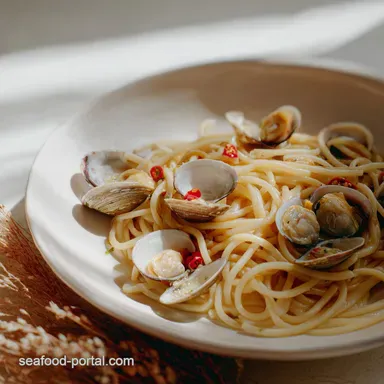
Spaghetti Alle Vongole: Failure-Proof
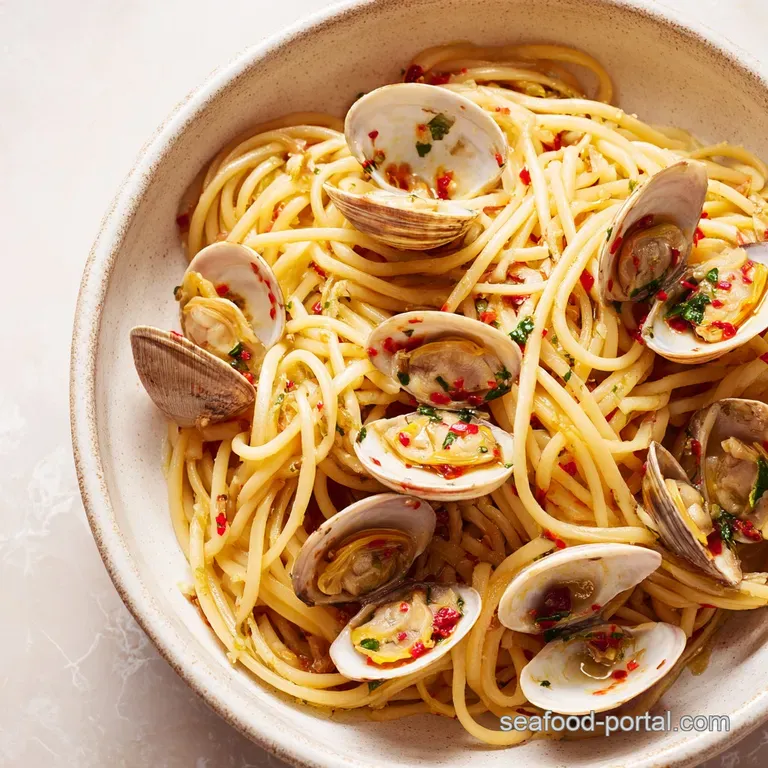
- Time: 15 min active + 25 min cook = Total 40 mins
- Flavor/Texture Hook: Velvety, glossy sauce with tender, briny clams
- Perfect for: Mediterranean style dinner gatherings or an impressive date night
- Authentic Spaghetti Alle Vongole Clam Pasta
- The Glossy Sauce Secret
- Component Analysis
- The Fresh Ingredient List
- Necessary Kitchen Gear
- How To Cook It
- Avoiding Common Pitfalls
- Customizing Your Plate
- Adjusting the Volume
- Myths About Vongole
- Storage and Waste
- Perfect Mediterranean Pairings
- Recipe FAQs
- 📝 Recipe Card
That sudden, sharp sizzle of sliced garlic hitting hot olive oil is where the magic begins. It's the scent of a coastal Italian summer, filling the kitchen with an aroma that's salty, pungent, and completely irresistible. I remember the first time I tried this for a crowd, and it was a disaster.
The clams were rubbery, like chewing on pencil erasers, and the sauce was just a thin, salty liquid that didn't even stick to the pasta.
The issue wasn't the ingredients, but the technique. I had cooked the pasta fully in the pot and just tossed it in at the end. That's the biggest trap. To get that restaurant style cling, you have to finish the pasta in the pan, letting it soak up the clam liquor.
When you get this right, the spaghetti alle vongole clam pasta becomes a celebration of a few high-quality ingredients. You'll see a glossy, shimmering glaze that coats every strand, punctuated by the pop of fresh parsley and a bright hit of lemon.
It's a dish that feels expensive but actually comes together in under an hour.
Authentic Spaghetti Alle Vongole Clam Pasta
The heart of this dish is the balance between the sea saltiness of the clams and the acidity of the white wine. Most people treat the sauce as a separate entity, but in a true Mediterranean kitchen, the sauce is created through the marriage of pasta starch and fat.
I've spent years tweaking the timing of the "mantecatura," which is the vigorous tossing at the end. If you pull the pasta too early, it's raw. If you pull it too late, it doesn't absorb the sauce. The goal is a texture that's firm to the bite but feels unified with the emulsion.
Whether you're hosting a big gathering or just want a vibrant weeknight meal, this method ensures the clams stay tender and the sauce stays velvety. Let's get into how to avoid those rubbery pitfalls.
The Glossy Sauce Secret
Instead of a heavy cream or a thickener, we use the pasta's own chemistry to create the sauce.
- Starch Suspension
- Cooking the pasta slightly underdone allows it to release starch directly into the pan sauce, acting as a natural binder.
- Fat Emulsion
- The combination of olive oil, butter, and starchy water creates a stable emulsion, which is why the sauce looks shimmering rather than greasy.
- Acid Balance
- The white wine and lemon juice break through the richness of the butter, preventing the dish from feeling too heavy.
- Steam Pressure
- Covering the pan traps the aromatic vapors and forces the clams to open quickly without overcooking the delicate meat.
According to the experts at Serious Eats, the starch in the pasta water is the essential "glue" that prevents the oil and water from separating.
Between the stove and the oven, the choice is easy for this specific dish.
| Method | Time | Texture | Best For |
|---|---|---|---|
| Stovetop | 40 mins | Velvety & Unified | Authentic emulsion and control |
| Oven | 50 mins | Steamed & Separate | Bulk cooking for huge crowds |
Component Analysis
Before we start, let's look at what each piece of the puzzle actually does for the final flavor.
| Ingredient | Science Role | Pro Secret |
|---|---|---|
| Manila Clams | Brine Provider | Purge in salt water for 2 hours first |
| White Wine | Acidic Deglazer | Use a crisp Pinot Grigio or Sauvignon Blanc |
| Pasta Water | Binding Agent | Never discard it until the dish is plated |
| Butter | Gloss Finisher | Cold butter creates a more stable emulsion |
The Fresh Ingredient List
I'm a bit of a purist here, so don't be tempted to add cream or heavy cheeses. The clams are the star of the show.
- 2 lbs fresh Manila clams or Littleneck clams, scrubbed and purged Why this? Manila clams have a sweeter, more delicate flavor
- 1/2 cup dry white wine Why this? Cuts through the fat and adds depth
- 1/4 cup extra virgin olive oil
- 4 cloves garlic, thinly sliced
- 1 tsp red pepper flakes
- 1/2 tsp kosher salt
- 1 tbsp unsalted butter Why this? Adds a velvety finish and shine
- 1 lb spaghetti or linguine
- 1/2 cup fresh Italian parsley, finely chopped
- 1 tbsp fresh lemon juice
- 1 cup reserved pasta water
Ingredient Swaps
| Original Ingredient | Substitute | Why It Works |
|---|---|---|
| Manila Clams | Littleneck Clams | Very similar size and saltiness. Note: Slightly meatier texture |
| Dry White Wine | Dry Vermouth | Similar acidity and herbal notes. Note: Much more potent, use slightly less |
| Spaghetti | Linguine | Flatter surface area helps the sauce cling. Note: Classic choice in Italy |
| Unsalted Butter | Vegan Butter | Maintains the emulsion. Note: Ensure it's a high fat version for the same gloss |
Necessary Kitchen Gear
You don't need a professional kitchen, but a few specific tools make this a lot easier. I recommend a wide sauté pan or a deep skillet; you need enough room for the clams to sit in a relatively single layer so they steam evenly.
A large pot for the pasta is obvious, but I highly suggest using a spider strainer or tongs. Trying to drain 1 lb of slippery linguine while keeping a cup of pasta water reserved can be a chaotic mess if you're not prepared.
Also, a tight fitting lid for your pan is non negotiable, as it's the only way to ensure those clams pop open in the 5-7 minute window.
How To Cook It
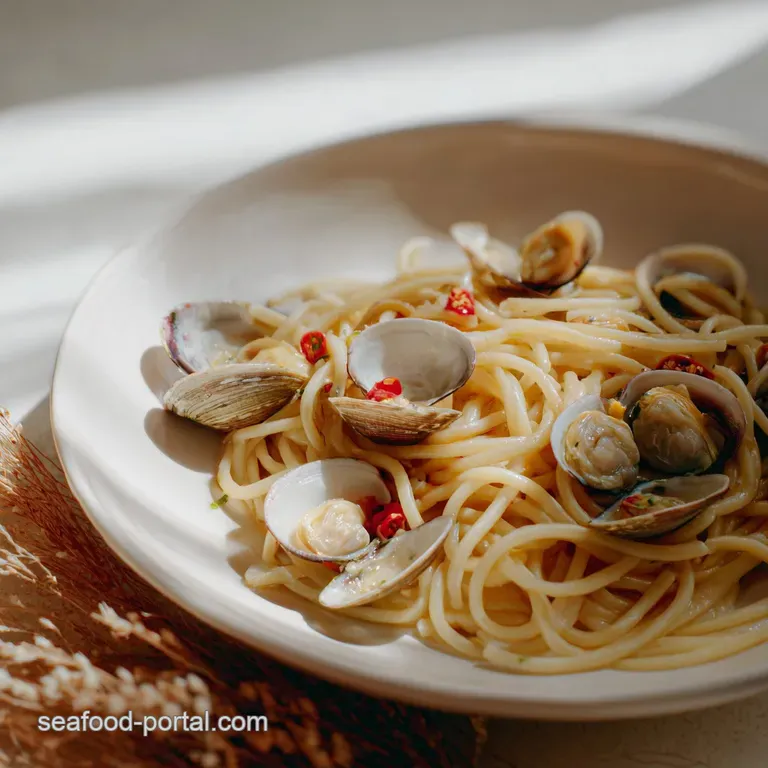
Right then, let's crack on with the process. Follow these steps closely, especially the timing of the pasta.
Phase 1: The Pasta Foundation
- Bring a large pot of salted water to a boil.
- Add the spaghetti and cook for 2 minutes less than the package instructions until it's very al dente. Note: This ensures it doesn't turn to mush in the pan
- Scoop out 1 cup of the cloudy pasta water and set it aside before draining the noodles.
Phase 2: Steaming the Clams
- Heat olive oil in a sauté pan over medium heat.
- Add sliced garlic and red pepper flakes, sautéing for 1 minute until fragrant and translucent.
- Increase heat to medium high and add the scrubbed clams.
- Pour in the white wine and immediately cover with a lid.
- Steam for 5-7 minutes. As soon as the clams pop open, remove the pan from heat and discard any clams that remained closed. Note: For more tips on handling seafood, check out how to cook clams in various styles
Phase 3: The Emulsion Finish
- Transfer the undercooked pasta directly into the pan with the clams and their liquor.
- Add the reserved pasta water and butter.
- Toss vigorously over medium heat for 2 minutes until the liquid thickens into a glossy, velvety glaze.
- Stir in the chopped parsley and lemon juice.
- Remove from heat immediately to preserve the vibrant green color of the parsley.
Avoiding Common Pitfalls
The most common issue is a sauce that looks like a puddle of oil and water. This usually happens because the pan wasn't hot enough during the final tossing phase, or you didn't use enough pasta water. The agitation of tossing the noodles is what forces the fat and water to bind.
Why Your Clams Are Rubbery
If you leave the clams in the pan too long after they've opened, they shrink and toughen. The moment they pop, get them off the direct heat or move to the pasta phase.
Why Your Sauce Is Watery
This happens when the pasta is overcooked or the "mantecatura" (tossing) was too brief. You need that vigorous movement to create the emulsion.
| Problem | Root Cause | Solution |
|---|---|---|
| Rubbery Clams | Overcooked by 2-3 mins | Remove from heat immediately after opening |
| Greasy Sauce | Not enough pasta water | Add 1/4 cup more water and toss harder |
| Sandy Texture | Inadequate purging | Soak clams in salted water for 2 hours before cooking |
Common Mistakes Checklist
- ✓ Did you purge the clams to remove grit?
- ✓ Did you undercook the pasta by 2 minutes?
- ✓ Did you save the cloudy pasta water?
- ✓ Did you discard the clams that didn't open?
- ✓ Did you add the parsley at the very last second?
Customizing Your Plate
If you want a different vibe, you can easily tweak this. For a "red" version, stir in a tablespoon of tomato paste with the garlic. For a dairy-free version, simply skip the butter; the olive oil and starch will still create a decent sauce, though it'll be slightly less velvety.
If you're looking for something even more garlic forward, you can incorporate a bit of garlic scampi sauce techniques into the base. For those avoiding gluten, a high-quality brown rice pasta works, but be warned: the starch levels are different, so you may need to simmer the sauce for an extra minute to get the same thickness.
Adjusting the Volume
When you're cooking for a crowd, you can't just multiply everything by four and hope for the best.
Scaling Down (½ batch): Use a smaller 10 inch skillet. Reduce the garlic to 2 cloves and the red pepper to ½ tsp. The cooking time for the clams remains the same, but the emulsion phase might happen 30 seconds faster.
Scaling Up (2x-4x batch): Work in batches for the clams. If you crowd the pan, they will steam unevenly and some will overcook while others stay shut. Increase the red pepper flakes and salt to only 1.5x the original amount, as these flavors intensify when scaled.
Use a very large pot for the pasta to prevent the noodles from sticking.
Myths About Vongole
Myth: You must add cream for a rich sauce. Truth: Authentic spaghetti alle vongole relies on the emulsion of butter and starch. Adding cream masks the delicate briny flavor of the clams and makes the dish feel heavy rather than vibrant.
Myth: Any white wine will do. Truth: Using a sweet wine (like Moscato) will ruin the balance. You need a dry, high acid wine to cut through the olive oil and complement the sea salt.
Storage and Waste
This is a dish designed to be eaten the moment it hits the table. However, if you have leftovers, store them in an airtight container in the fridge for up to 2 days.
To reheat, don't use the microwave, or the clams will turn into rubber. Instead, gently warm the pasta in a skillet with a splash of water or white wine over low heat.
For zero waste, save the clam shells! If you have a garden, crushed shells make an excellent calcium supplement for your soil. Also, any leftover white wine used for cooking can be frozen in ice cube trays to use for future pan sauces.
Perfect Mediterranean Pairings
To turn this into a full feast, pair it with a crisp arugula salad with shaved parmesan and a lemon vinaigrette. The peppery greens cut through the richness of the butter sauce. A toasted baguette is also essential for mopping up every last drop of that velvety liquor.
Depending on who you're serving, you can vary the presentation to match the mood.
| Plating Level | Arrangement | Key Detail |
|---|---|---|
| Simple | Casual twirl in a bowl | Clams scattered on top |
| Polished | Ramekin twisted nest | Clams ringed around the base |
| Restaurant | High vertical stack | Micro parsley and lemon zest |
Trust me, once you nail the timing of that final toss, you'll never go back to the "drain and pour" method. It's the difference between a home meal and a true Mediterranean experience. Enjoy your spaghetti alle vongole clam pasta!
Recipe FAQs
Can I use frozen clams instead of fresh?
No, stick with fresh. Fresh Manila or Littleneck clams provide the essential natural liquor and briny flavor needed for the sauce.
How to prevent the clams from becoming rubbery?
Remove the pan from heat immediately once they pop open. Overcooking the clams beyond the 5 7 minute steam time makes them tough.
How to achieve a glossy, velvety sauce?
Toss the pasta vigorously with butter and reserved pasta water. Do this over medium heat for 25 minutes to emulsify the liquid. If you enjoyed mastering this emulsion technique here, see how the same principle works in our creamy lobster sauce.
Is it true I should cook the pasta fully before adding it to the pan?
No, this is a common misconception. Cook the spaghetti for 2 minutes less than the package instructions so it finishes cooking while absorbing the clam liquor.
How to reheat leftover clam pasta?
Warm it in a skillet over low heat. Add a splash of water or white wine to loosen the sauce and avoid the microwave to keep the clams tender.
What should I do with clams that stay closed after steaming?
Discard them immediately. Clams that do not open during the cooking process are likely spoiled and are not safe to eat.
Can I use linguine instead of spaghetti?
Yes, linguine is an excellent substitute. Its slightly flat shape is traditional for seafood pasta and holds the garlic wine glaze well.
Spaghetti Alle Vongole Clam Pasta