Grilled Monkfish: Skippers Lobster-Like Tail Recipe
- Hook, Line, and Sinker: Mastering the Grilled Monkfish Tail
- The Science of Succulence: Why This Monkfish Recipe Triumphs
- Deep Dive into Your Larder: Essential Ingredients and Expert Swaps
- Full Steam Ahead: The Skipper’s Step-by-Step Grilling Method
- Pro Techniques from the Galley: Troubleshooting Your Grilled Monkfish
- Anchor Down: Perfect Side Dishes and Wine Pairings for Monkfish
- Handling Leftovers: Storage, Shelf Life, and Repurposing Monkfish
- Recipe FAQs
- 📝 Recipe Card
Hook, Line, and Sinker: Mastering the Grilled Monkfish Tail
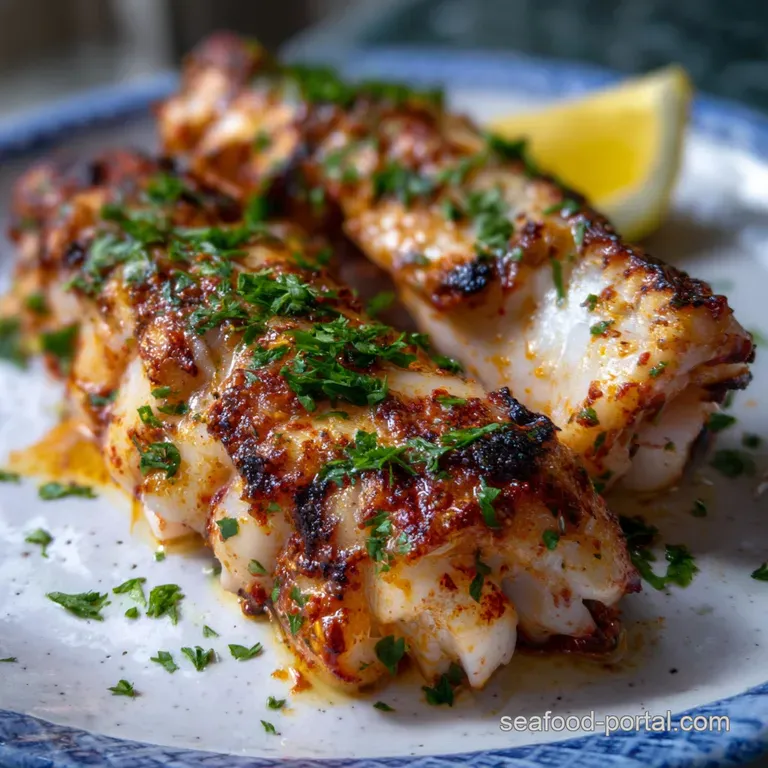
When that first fillet hits the grate, you hear the immediate sizzle and smell the sweet, smoky paprika mingling with hot lemon. That, my friend, is the sound of success. This Grilled Monkfish recipe is designed to deliver maximum flavour with minimum effort.
It’s dense, snow white, and has an almost unbelievable chew it doesn’t flake apart like cod or flounder.
Frankly, this preparation is the ultimate dinner party hack. Monkfish is often dubbed "poor man's lobster" because of its fantastic texture. Done correctly, it’s honestly Monkfish That Tastes Like Lobster , without the hassle or the alarming price tag.
It cooks super fast over high heat, making it perfect for those frantic weeknights when you need restaurant quality results quickly.
I've learned (the hard way) that perfect grilling relies on two things: keeping the fish dry and relentlessly basting it with something fatty and flavourful. My signature Smoked Paprika Lemon Baste guarantees a succulent interior and a gorgeous crust on every piece of Grilled Monkfish Tail .
Let's dive in and get this spectacular seafood on your table.
The Science of Succulence: Why This Monkfish Recipe Triumphs
The 'Sea Devil' Revealed: Why Monkfish is Perfect for Grilling
Monkfish (sometimes called the "sea devil," thanks to its frankly terrifying appearance) is the unsung hero of the sea for grilling purposes. Unlike fattier fish which render too quickly, monkfish is extremely lean, meaning it doesn't leak moisture easily.
This high density, low-fat composition allows the fish to handle the brutal high heat of the grill without drying out instantly. This is precisely why we can treat this robust Grilled Monkfish almost like a steak.
A Quick Look at The Skipper's Signature Smoked Paprika Lemon Baste
Our baste is simple, but powerful. We combine olive oil (for stability), melted butter (for that crucial richness that makes it taste like lobster), fresh lemon juice, and the secret ingredient: smoked paprika.
The acid in the lemon tenderises the outer protein layers slightly, while the fat ensures the fish stays moist and achieves beautiful grill marks.
Preparing the Monkfish: Skinning, Trimming, and Portioning
Always ask your fishmonger to remove the outer skin and the silver membrane. That membrane is tough and will shrink drastically, warping your fillets as they cook. Once trimmed, cut the tail into thick medallions, roughly 1.5 inches thick.
Thickness is key to achieving that glorious, juicy interior when making truly great Grilled Monkfish .
The Firm Texture Advantage: Why Monkfish Holds Up to High Heat
Since monkfish is structurally strong, it requires less worrying about breakage when flipping. This confidence allows us to keep the fish on the grates longer to achieve that smoky, deep sear that everyone loves. This natural firmness makes it vastly superior to more delicate fish for this cooking method.
Maximizing Flavour: The Paprika Lemon Maillard Reaction
The smoked paprika doesn't just add colour; it provides necessary sugars and depth. When those sugars hit the hot grill, they caramelise slightly, initiating the Maillard reaction. This creates a deeply savoury, almost nutty crust on your Grilled Monkfish .
We are building layers of complex flavour that simple salt and pepper alone can't touch.
Achieving Perfect Grill Marks and Internal Temperature
The goal is to get deep, professional grill marks. That means extreme heat and zero movement on the first side for four full minutes. You want the grate to hiss loudly when the fillet lands. We aim for an internal temperature of 140°F (60°C).
Anything beyond 145°F (63°C) and you risk ruining that wonderful, meaty texture that reminds you That Tastes Like Lobster .
Deep Dive into Your Larder: Essential Ingredients and Expert Swaps
Primary Catch: Selecting the Best Monkfish Tail or Fillet
Always opt for the tail if you can find it. It’s the thickest part and gives you those perfect, uniform medallions. If buying pre-cut fillets, ensure they are at least an inch thick. Freshness is paramount for this dish; it should smell like the clean ocean, not "fishy."
Building the Baste: Smoked Paprika, Olive Oil, and Acid Components
We use a combination of extra virgin olive oil and melted butter because fat equals flavour. The butter is non-negotiable if you want that rich mouthfeel that replicates the joy of dipping lobster in drawn butter.
The lemon zest adds essential volatile oils that brighten the flavour profile of this Grilled Monkfish Marinade .
Must Have Pantry Items for Grill Prep (Salt, Pepper, Fresh Herbs)
Don’t skimp on the seasoning. We need flaky sea salt (like Maldon) applied liberally before grilling. It provides a delightful little textural pop on the exterior. Fresh parsley for the garnish is important; its grassy freshness cleanses the palate after the smoky richness of the Grilled Monkfish .
Smart Ingredient Substitutions for the Marinade
| Ingredient | Why It's There | Smart Substitute |
|---|---|---|
| Monkfish | Firm, meaty texture | Swordfish steaks or Halibut fillets |
| Smoked Paprika | Smoky depth, colour | Chipotle powder (use sparingly!) or standard sweet paprika plus a dash of liquid smoke |
| Fresh Thyme | Earthy, herbaceous note | Dried oregano or a tiny pinch of fresh rosemary |
| Unsalted Butter | Richness and sheen | Clarified butter (Ghee) for a higher smoke point and cleaner flavour |
Full Steam Ahead: The Skipper’s step-by-step Grilling Method
Marination Timing is Key: Infusing Flavour Without Curing
The lemon juice acts as a mild cure, which is lovely for tenderising, but we don't want ceviche! Only brush the fillets lightly with the baste before grilling, and let them rest for a maximum of 30 minutes at room temperature.
This brief rest ensures the seasoning penetrates without turning the protein chalky.
Chef's Note: Patting the fish dry with paper towels immediately before oiling is non-negotiable. If it's damp, it steams, and you lose the chance for a crust. Trust me on this one.
Optimal Grill Setup: High Heat Zone Management for Firm Flesh
Preheat your gas grill to medium high (around 450°F / 230°C) or prepare a hot, clean charcoal bed. The grates must be surgically clean, then heavily oiled using a paper towel dipped in high smoke point oil (like canola or peanut oil).
This preparation is your best insurance against the fish sticking and tearing when cooking your Grilled Monkfish .
The Grilling Process: Flip Timing and Handling the Meaty Fillet
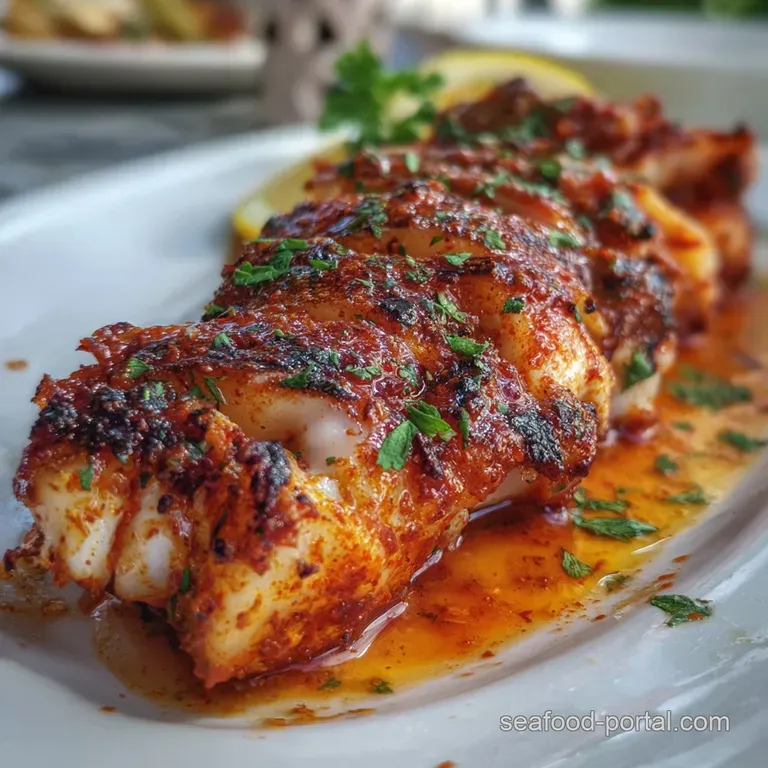
Brush the fillets with a little extra olive oil just before placing them down. Place them on the hottest zone and do not touch them for 4 minutes. You must resist the urge to peek! After 4 minutes, the crust will have formed, allowing you to flip easily.
Immediately brush the upward facing, seared side generously with the remaining paprika lemon baste.
The Finishing Move: Basting and Resting Before Serving
Continue grilling for another 3 to 5 minutes, depending on thickness, basting every two minutes. This constant application of fat and flavour keeps the exterior moist and adds richness, ensuring the Grilled Monkfish maintains that decadent, That Tastes Like Lobster mouthfeel.
Once the internal temperature hits 140°F, immediately remove the fillets and rest them for five minutes under loose foil.
Pro Techniques from the Galley: Troubleshooting Your Grilled Monkfish
Preventing Stickage: The Hot Grill and Oiled Fish Rule
If your fish sticks, one of three things happened: 1) The grill wasn't hot enough, 2) The grates were dirty, or 3) You didn't oil both the fish and the grates. Low heat means the protein has time to bond chemically with the metal. High heat, combined with fat, creates a release layer.
I learned this the hard way trying to make my Grilled Monkfish Skewers one rainy evening.
How to Check Monkfish Doneness Without Undercooking
Visual inspection is not enough for thick, lean fish. The only way to guarantee a perfect cook without drying it out is an instant read thermometer. Insert it into the thickest part when it reads 140°F (60°C), you're done.
Pull it off immediately; carryover cooking will take it to a safe 145°F (63°C).
Solving the Tough Texture Problem (Avoiding Overcooking)
If your finished monkfish is rubbery and dry, you’ve overcooked it. Unlike salmon, which forgives a little extra heat, monkfish becomes noticeably tough if pushed past 145°F. Remember, we are aiming for firm, not stiff. Monitor that Grilled Monkfish Temperature meticulously!
Adjusting Cooking Times for Charcoal vs. Gas Grills
Charcoal grills burn hotter and less evenly than gas. If using charcoal, place the monkfish over the slightly cooler side of the fire after the initial sear. Gas grills offer more precise heat control, so you might need an extra minute per side to hit that critical internal temperature. When I grill larger pieces, like for my Grilled Lobster Tail Recipe: Succulent Perfection , I always use a dual zone setup to manage the heat.
Anchor Down: Perfect Side Dishes and Wine Pairings for Monkfish
Fresh and Zesty: Acidic Sides to Cut the Richness
Because the baste is rich and buttery, you need something acidic to cut through the fat and lighten the meal. A simple, crunchy fennel and orange salad with a sharp vinaigrette is pure perfection. Alternatively, blistered cherry tomatoes and capers work wonderfully.
Texture Contrast: Pairing with Starches and Roasted Vegetables
Pair the firm monkfish with something creamy or tender. Saffron risotto or polenta provides a comforting backdrop. For vegetables, try perfectly roasted asparagus or zucchini. If you enjoy bright, herby sides, this Delicious Grilled Monkfish That Tastes Like Lobster also pairs brilliantly with a simple chimichurri sauce.
Handling Leftovers: Storage, Shelf Life, and Repurposing Monkfish
Leftover monkfish stores remarkably well due to its density. Place cooled leftovers in an airtight container in the fridge for up to 3 days. Freezing cooked monkfish is not recommended, as the delicate texture will be ruined upon thawing, turning fibrous and mushy.
When reheating, avoid the microwave! That guarantees a dry, rubbery result. The best way to revive your leftover Grilled Monkfish is to wrap it tightly in foil with a tiny splash of white wine or water.
Pop it in a 300°F (150°C) oven for about 8– 10 minutes until warmed through. The steam helps restore moisture.
This method truly elevates a simple piece of fish into a show stopping meal. It ensures a juicy, smoky, perfectly cooked result every single time. Now go ahead, fire up that grill, and enjoy this spectacular seafood! If you loved this preparation, you should absolutely try my technique for Seared Grilled Scallops - Golden Crust Lemon Herb Butter next.

Recipe FAQs
How do I prevent my grilled monkfish from becoming tough or dry?
Monkfish is very lean, so overcooking is the primary cause of dryness. Ensure the grill is very hot (medium high) and cook quickly, using an internal thermometer to pull the fish off the heat at 140°F (60°C).
Basting the fish frequently with the lemon paprika mixture also helps maintain moisture while creating a flavorful crust.
What is the best way to tell when the monkfish is perfectly cooked?
The most reliable method is using an instant read thermometer, aiming for an internal temperature of 140°F (60°C) before resting. Visually, the flesh should be opaque white and flake easily, but remain firm and lobster like when pressed gently.
Always allow the fish to rest for a few minutes off-heat to finish cooking.
Should I remove the silvery blue membrane before grilling?
Yes, removing the membrane is crucial for quality grilling. This silvery blue layer shrinks drastically when exposed to heat, causing the fish tail to curl, buckle, and become tough. Use a sharp paring knife to carefully trim or peel this thin layer off completely before applying the marinade.
If I can’t find monkfish, what is a good substitute for this recipe?
Since this recipe capitalizes on monkfish's firm, meaty texture, the best substitutions are other dense, white fish. Swordfish steaks, thick halibut steaks, or large sea scallops (with adjusted cooking times) will all hold up well to the high heat of the grill.
Avoid flaky fish like cod or tilapia, which may fall apart.
How should I store leftover grilled monkfish, and can I freeze it?
Store leftovers in an airtight container in the refrigerator and consume within 3 days. While you can technically freeze cooked monkfish, the defrosting process usually compromises its firm, desirable texture and may result in a much drier product. It is best enjoyed fresh or repurposed into fish salads the next day.
Can I cook this recipe indoors using a pan or broiler?
Absolutely. You can replicate the grilling effect using a preheated, heavy duty cast iron grill pan or by using your oven's broiler (grill function). Ensure the pan or broiler element is hot before placing the fish down to achieve a good sear and smoky char.
Use the same basting and temperature guidelines as the outdoor method.
Why did my monkfish taste overly "fishy"?
Truly fresh monkfish should possess a mild, slightly sweet flavor, without any strong odor. An intense fishy taste usually indicates that the fish was either not fresh when purchased or was improperly stored at home.
Always buy monkfish that looks bright white, is firm to the touch, and ask your fishmonger for the freshest catch.
Skippers Grilled Monkfish Tail
Ingredients:
Instructions:
Nutrition Facts:
| Calories | 251 kcal |
|---|---|
| Protein | 39.1 g |
| Fat | 8.0 g |
| Carbs | 1.0 g |
