Shrimp Tempura Roll Recipe
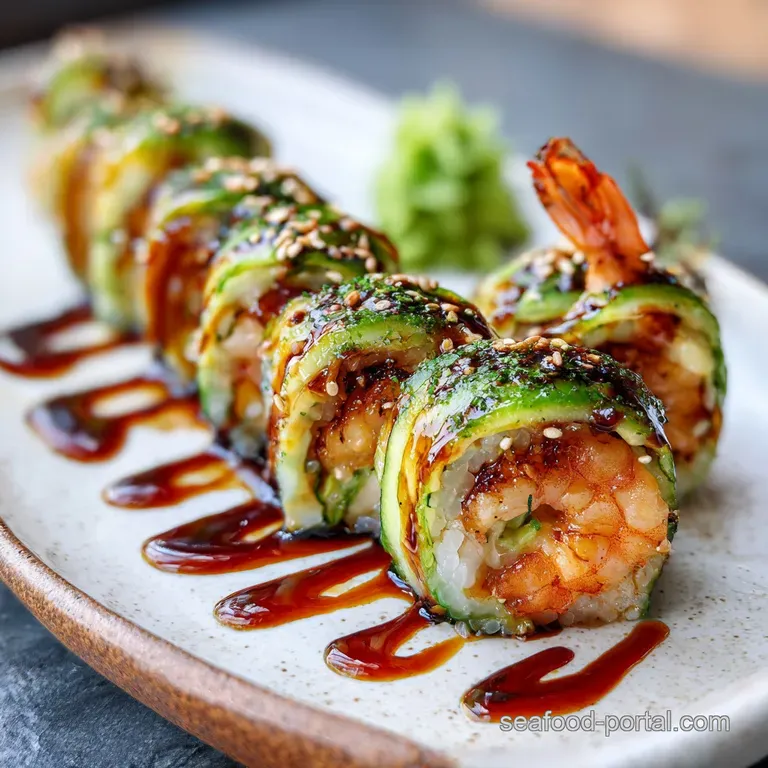
- Time: Active 25 minutes, Passive 15 minutes, Total 40 minutes
- Flavor/Texture Hook: Shatter crisp tempura with velvety avocado and tangy vinegared rice
- Perfect for: Impressive date nights or a bold weekend project
Why This Recipe Works
- Thermal Shock: Using bone chillingly cold sparkling water causes the batter to puff instantly when hitting 350°F oil, creating airy bubbles instead of a heavy dough.
- Gluten Inhibition: The combination of cornstarch and a low protein flour (chilled) ensures the coating stays flaky and light rather than bread like and chewy.
- Rice Hydration: A precise 1:1 ratio of water to short grain rice ensures the grains remain distinct and bouncy, never turning into a mushy paste.
- Carbonation Lift: The CO2 in the sparkling water acts as a leavening agent, providing a mechanical "lift" to the batter as it fries.
This specific method is much faster than traditional yeast leavened batters. If you're looking for other quick ways to handle seafood with big flavors, you might also enjoy my Shrimp with Garlic Sauce recipe.
| Method | Time | Texture | Best For |
|---|---|---|---|
| Traditional Deep Fry | 15 mins | Shatter crisp, golden, airy | Authentic texture and maximum flavor |
| Air Fryer Version | 12 mins | Crunchy but denser | Lower calorie option for weeknights |
| Panko Crusted | 10 mins | Heavy crunch, bread like | Beginners who find tempura batter tricky |
When choosing between these, remember that the deep fry method is the only way to get those iconic "lacey" bits of batter. The air fryer works in a pinch, but you lose that delicate, street style vibration that makes a Shrimp Tempura Roll legendary.
1. The Science of Sparkling Water
The bubbles in your sparkling water are actually tiny pockets of carbon dioxide gas. When these hit the hot oil, they expand rapidly. This expansion pushes the batter outward, creating a porous, honeycomb like structure that is incredibly thin and crispy.
2. Low Gluten Cornstarch Shield
By replacing a portion of the all purpose flour with cornstarch, we are physically reducing the amount of gluten available to develop. Less gluten means the batter won't become elastic or tough, allowing it to "shatter" when you bite into it.
3. The Temperature Shock Principle
Keeping your egg yolk and water "bone chillingly" cold is non negotiable. Cold batter absorbs less oil during the frying process. If the batter is warm, the oil penetrates deeper, leading to that heavy, greasy feeling we want to avoid.
Important Recipe Specs
| Component | Science Role | Pro Secret |
|---|---|---|
| Sushi Rice | Starch adhesion | Rinse 5+ times until the water runs clear |
| Cornstarch | Moisture barrier | Sift with flour to prevent any clumping |
| Sparkling Water | Aeration agent | Only open the bottle at the last second |
| Egg Yolk | Emulsification | Use a cold yolk to bind without adding toughness |
Getting the rice right is half the battle. If you want to see how this rice compares to other seafood pairings, check out my Perfectly Crispy Shrimp recipe for more inspiration on texture.
Gathering Your Essentials
- 2 cups Sushi Rice: Use short grain Japanese rice; anything else won't stick correctly. Why this? High starch content creates the necessary "sticky" but distinct grain texture.
- Substitute: Calrose rice works well if you can't find specific sushi brands.
- 2 cups Water: Pure, filtered water is best for the rice.
- Substitute: Tap water is fine if it tastes clean.
- 3 tbsp Rice Vinegar: This provides the "sushi" flavor.
- Substitute: Apple cider vinegar (diluted slightly) in a pinch.
- 1 tbsp Monkfruit: Keeps the glycemic index lower. Why this? Dissolves quickly and balances the acidity of the vinegar.
- Substitute: Standard granulated sugar.
- 0.5 tsp Sea Salt: Essential for seasoning the rice.
- Substitute: Kosher salt (use slightly more).
- 9 large Shrimp: Peeled and deveined, but leave the tails on!
- Substitute: Large prawns or even thick strips of calamari.
- 0.5 cup All purpose flour: Chilled in the freezer for 10 minutes.
- Substitute: Rice flour for an even lighter, gluten-free crunch.
- 0.25 cup Cornstarch: Added for crispness.
- Substitute: Potato starch or arrowroot powder.
- 1 egg yolk: Ice cold from the fridge.
- Substitute: 1 tbsp of cold vegan mayo for an egg free version.
- 0.5 cup Sparkling water: Must be bone chillingly cold. Why this? The carbonation creates the light, airy pockets in the batter.
- Substitute: Very cold club soda or ginger ale (for a sweet twist).
- 0.5 cup Neutral oil: Grape seed or Avocado oil.
- Substitute: Canola or vegetable oil.
- 3 sheets Nori: Fresh seaweed sheets.
- Substitute: Soy paper wraps if you dislike the taste of seaweed.
- 1 ripe Avocado: Sliced into thin, buttery wedges.
- Substitute: Cream cheese strips for a "Philadelphia" style twist.
- 1 Persian Cucumber: Julienne into matchsticks.
- Substitute: English cucumber (remove the seeds first).
Necessary Kitchen Tools
To get that restaurant quality roll, you really need a bamboo rolling mat (makisu). If you don't have one, a clean kitchen towel covered in plastic wrap can work, but the mat gives you that tight, professional compression.
A heavy bottomed pot or a cast iron skillet is best for frying. These hold heat much better than thin pans, which means the oil temperature won't drop too much when you add the shrimp. You'll also want a sharp knife I'm talking "shave with it" sharp to slice through the nori without squishing the roll.
Key Steps to Success
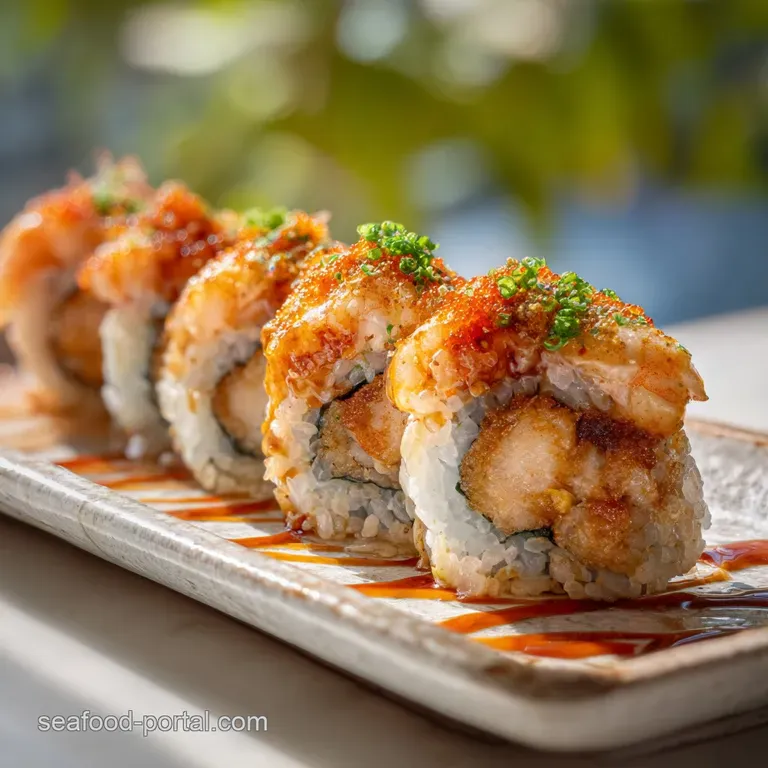
1. Preparing the Rice Foundation
Rinse the sushi rice in a bowl 5 to 6 times until the water is no longer cloudy. Combine with 2 cups water in a rice cooker or heavy pot. Cook until tender, then immediately fold in the rice vinegar, monkfruit, and salt while the rice is steaming hot.
Note: Folding prevents breaking the rice grains into a paste.
2. Preparing the Shrimp (The "Straight" Secret)
To keep the shrimp from curling into a "C" shape when frying, make 3 or 4 shallow slices along the belly (the inside curve). Press the shrimp down on the cutting board until you feel the fibers "snap." This ensures a long, straight shrimp for your Shrimp Tempura Roll.
3. The Shattering Batter Technique
Whisk the egg yolk and bone chillingly cold sparkling water in a bowl. Sift in the flour and cornstarch. Do not overmix. Use a pair of chopsticks to "poke" the flour into the liquid until just barely combined. Note: Lumps are your friend; they create texture.
4. Frying the Shrimp
Heat the oil to 350°F. Dip each shrimp into the batter, holding it by the tail, and drop it carefully into the oil. Fry for 2 to 3 minutes until golden and crackling. Remove and drain on a wire rack, not paper towels, to keep the bottom from getting soggy.
5. The Art of Rolling
Place a sheet of nori on your bamboo mat. Spread a thin layer of rice over the nori, leaving the top inch clear. Lay 3 tempura shrimp, avocado, and cucumber across the center. Roll tightly, using the mat to apply even pressure.
6. Slicing with Precision
Wet your knife with a damp cloth between every single cut. This prevents the rice from sticking and allows you to slice through the seaweed cleanly. Slice each roll into 6 or 8 pieces until the vibrant interior is revealed.
| Original Ingredient | Substitute | Why It Works |
|---|---|---|
| Sushi Rice | Cauliflower Rice | Grated cauliflower sautéed briefly; use more vinegar to help it "clump." |
| Nori Sheets | Rice Paper | Soaked briefly; creates a chewy, translucent exterior instead of seaweed. |
| Shrimp | Firm Tofu | Sliced into batons and pressed dry; same battering method applies. |
- 1. Oil Temp
- 350°F (175°C) is the sweet spot.
- 2. Rice Temp
- Roll when the rice is body temperature (about 98°F).
- 3. Shrimp Weight
- Use 16/20 count shrimp for the best ratio of meat to crunch.
Mistakes and Quick Fixes
1. Fixing Soggy Coating
If your tempura isn't crunching, your oil probably dropped below 325°F or your batter was too warm. The bubbles need to expand fast to create that "shatter."
Chef's Tip: Keep your batter bowl inside a larger bowl filled with ice while you work. This maintains the "thermal shock" potential for every single shrimp.
2. Stopping the Unravel
If your roll is falling apart, you likely put too much rice on the nori or didn't leave enough of a "tail" at the top. A tiny bit of water on the edge of the nori acts like glue to seal the deal.
| Problem | Root Cause | Solution |
|---|---|---|
| Rice is gummy | Too much water or over stirring | Use a 1:1 ratio and "cut" the vinegar in with a spatula. |
| Batter falls off | Shrimp was too wet before dipping | Pat shrimp bone dry with paper towels before flouring. |
| Roll is flat | Not enough pressure when rolling | Use the bamboo mat to "tuck" and squeeze at each turn. |
Common Mistakes Checklist:
- ✓ Didn't rinse the rice? It will be a sticky, flavorless blob.
- ✓ Overmixed the batter? You’ve developed gluten; it will be chewy.
- ✓ Crowded the frying pot? The oil temp will tank and make everything greasy.
- ✓ Used a dull knife? You'll crush the delicate avocado and rice.
- ✓ Skipped the belly slitting? Your shrimp will curl and break the roll.
Make It Your Own
If you want to go bold, try the Spicy Dragon Variation. Add a drizzle of sriracha mayo (spicy mayo) and top the roll with extra slices of avocado to mimic "scales." You can even sprinkle some toasted sesame seeds for an extra earthy pop.
For those watching their carbs, the Cauliflower Rice Swap is a viable move. Just remember that cauliflower rice doesn't have the same starch as sushi rice, so you'll need to use a bit of cream cheese or a tighter roll to keep it all together.
- If you want more crunch: Double dip the shrimp in panko after the tempura batter.
- If you want it smoky: Use a kitchen torch to lightly char the avocado on top of the roll.
- If you want it zingy: Add a thin sliver of jalapeño inside the roll.
If you're looking for a different vibe altogether, you might want to try a Shrimp Dip Recipe as a starter before the main event. It uses some of the same flavor profiles but in a chilled, creamy format.
Storage and Waste Tips
Sushi is definitely best eaten within 30 minutes of making it. The rice starts to harden in the fridge, and the tempura loses its "shatter." However, if you have leftovers, store them in an airtight container in the fridge for up to 24 hours.
To revive the shrimp, take them out of the roll and pop them in an air fryer at 350°F for 3 minutes.
Zero Waste Tip: Don't throw away the shrimp shells! Toss them in a pot with some water, ginger, and green onion ends to make a quick seafood stock. Also, if you have extra tempura batter, dip some onion rings or sweet potato slices in there.
"Tenkasu" (the little bits of fried batter left in the oil) are gold scoop them out and save them to sprinkle over salads or ramen for a street style crunch.
Perfect Complements
A Shrimp Tempura Roll screams for a side of pickled ginger (gari) and a dollop of wasabi. The ginger acts as a palate cleanser between bites, which is necessary when you're dealing with the richness of fried shrimp and avocado.
For a drink, a crisp, cold Japanese lager or a glass of dry sparkling sake cuts through the fat beautifully. If you're doing a full spread, consider serving this alongside a bowl of miso soup or a sunomono (cucumber salad) to keep the meal feeling light and vibrant. If you really want to go all out with the seafood theme, my Shrimp and Crab recipe is a fantastic way to utilize any leftover shellfish you might have in the freezer.
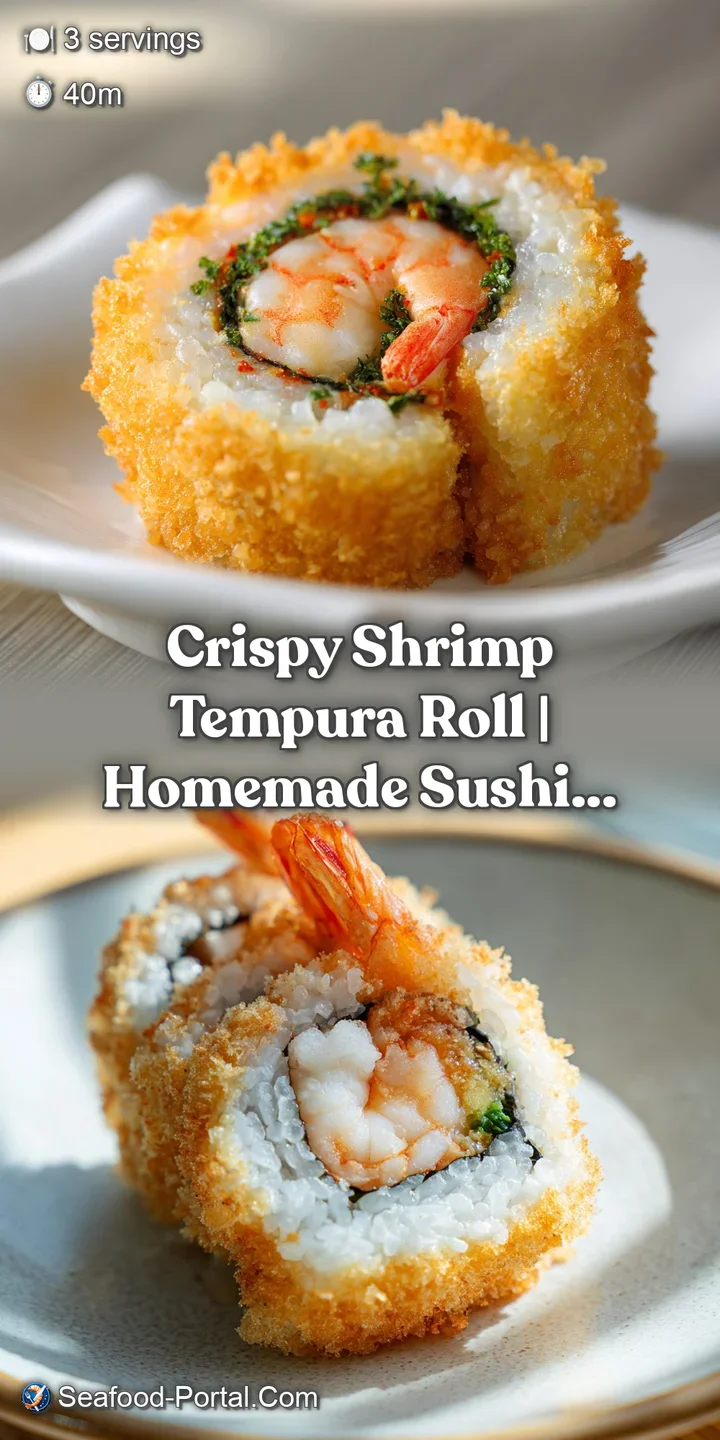
Recipe FAQs
What does a shrimp tempura roll have in it?
Typically, it contains: cooked shrimp that has been deep fried in a light tempura batter, vinegared sushi rice, nori seaweed, and often avocado and cucumber sticks.
Is a shrimp tempura roll fully cooked?
Yes, everything is cooked. The shrimp is cooked during the deep frying process, and sushi rice is steamed; only the vegetable fillings like avocado are raw.
Is a shrimp tempura roll healthy to eat?
Generally, it is moderately healthy, but depends on frying. The inclusion of rice, vegetables, and lean protein is good, but the deep fried tempura adds significant fat content, so moderation is key.
How is shrimp tempura different from fried shrimp?
Tempura batter is lighter and crispier than standard breading. Traditional fried shrimp often uses breadcrumbs or a thicker flour dredge, whereas true tempura relies on a minimal batter made with ice-cold sparkling water to achieve a delicate, airy shatter.
Why does my shrimp tempura batter get heavy instead of light and airy?
You likely overworked the batter or used warm ingredients. Overmixing develops gluten, leading to toughness, and using warm liquid inhibits the thermal shock needed for the bubbles to form rapidly in the hot oil.
Can I skip chilling the sparkling water for the batter?
No, chilling the water is crucial for texture. The dramatic temperature difference between the ice-cold batter and the 350°F oil causes instant steam expansion, creating the signature lacy, thin crisp structure.
What is the best technique to prevent the shrimp from curling inside the roll?
Make shallow cuts along the shrimp's belly curve. You need to sever the connective tissues on the inner side of the shrimp so that when you press them flat before battering, they remain straight during frying, ensuring a perfect look for your roll.
Shrimp Tempura Roll Recipe
Ingredients:
Instructions:
Nutrition Facts:
| Calories | 684 kcal |
|---|---|
| Protein | 21.5 g |
| Fat | 17.2 g |
| Carbs | 108 g |
| Fiber | 5.4 g |
| Sugar | 4.8 g |
| Sodium | 715 mg |
