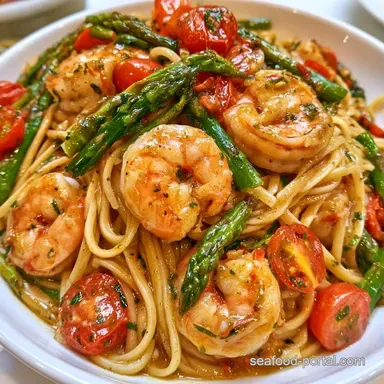
Shrimp Scampi Pasta with Vegetables: Zesty and Fresh
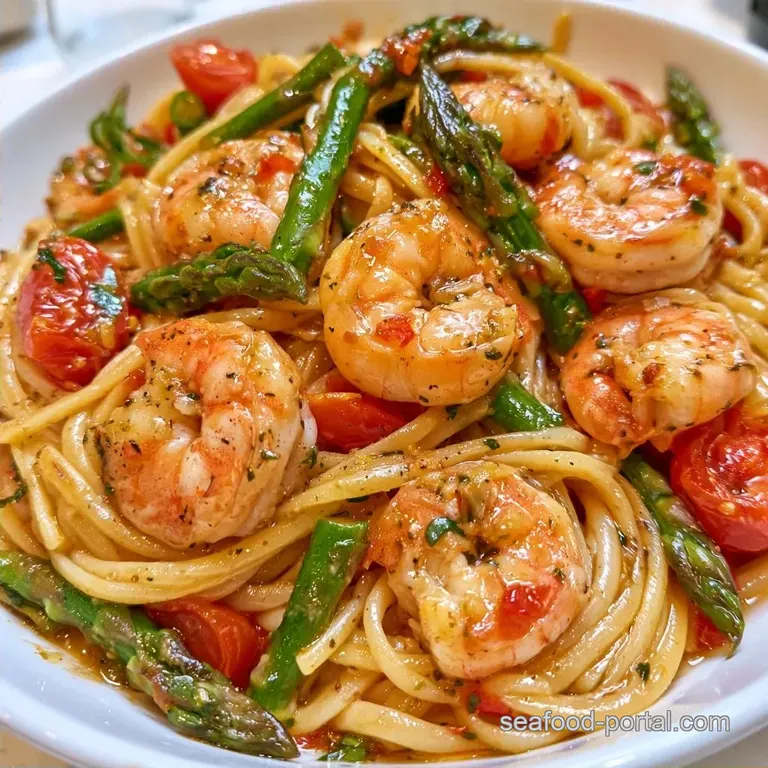
- Time: 10 min prep + 20 min cook
- Taste Profile: Zesty, buttery, and vibrant
- Perfect for: An upscale weeknight dinner
Shrimp Scampi Pasta with Vegetables
The aroma of garlic sizzling in melted butter is the absolute best part of the process. I once tried a version where I added everything at once, and it was a disaster. The shrimp became rubbery, the asparagus turned to mush, and the sauce was simply a puddle of oil at the bottom of the bowl.
It felt more like a soup than a pasta meal.
You want that high-end Mediterranean style where the sauce actually coats the pasta instead of sliding off. The secret is all in the timing and using the reserved pasta water to bind the sauce.
I turn to this Shrimp Scampi Pasta with Vegetables for an elegant meal that doesn't keep me in the kitchen all night. It's bright, fresh, and perfectly balanced.
Quick Dish Details
The goal here is a vibrant plate where the shrimp are tender and the vegetables still have a snap. It's a fast process, so having everything chopped and ready is the only way to stay sane.
For the best results, keep an eye on these three precision checkpoints: 1. Reserve exactly 1 cup of starchy pasta water before draining. 2. Sear the shrimp for only 1-2 minutes per side. 3. Simmer the wine and lemon juice until the liquid reduces by 50%.
Key Ingredient Breakdown
Each part of this dish has a job. The lemon cuts through the butter, and the vegetables add a fresh contrast to the rich sauce.
| Component | Purpose | Substitute Notes |
|---|---|---|
| Linguine | Holds the sauce | Spaghetti: Works well, slightly different bite |
| White Wine | Acidity and depth | Chicken broth: Lacks the tartness, but safer for kids |
| Butter | Richness and body | Olive oil: Lighter feel, but less creamy |
| Lemon Juice | Brightness | Rice vinegar: Too sharp, stick to citrus |
Selecting Your Produce
I prefer using fresh baby spinach because it wilts in seconds. If you use frozen spinach, make sure to squeeze out every drop of water first, or your sauce will turn a strange shade of grey.
The Shrimp Choice
Large shrimp are the best for this recipe. They don't overcook as quickly as small ones, and they look a lot more impressive on the plate.
Essential Kitchen Tools
You don't need a vast array of gear, but a large skillet is a must. Using a pan that is too small will overcrowd the shrimp, meaning they'll boil in their own juices instead of browning.
- Large pot for pasta
- 12 inch stainless steel or cast iron skillet
- Tongs for tossing
- Microplane or zester for the lemon
Step by step Cooking
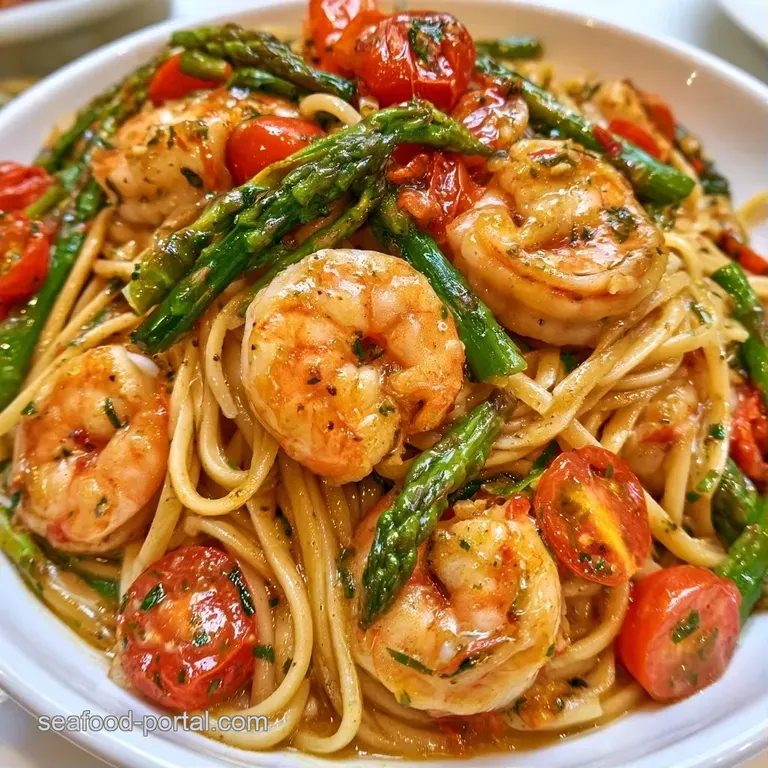
Start by heating your water. While the pasta cooks, we'll prepare the rest of the dish in one pan to keep the flavors concentrated.
Prepping the Base
- Set a large pot of salted water to boil. Cook linguine according to package directions until al dente. Note: Reserve 1 cup of starchy pasta water before draining.
- Warm 2 tbsp olive oil in a wide skillet on medium-high heat. Add asparagus and cherry tomatoes. Sauté for 4-5 minutes until asparagus is bright green and tomatoes begin to soften. Transfer the vegetables to a plate.
Searing the Protein
- Using the same skillet, melt 2 tbsp of butter. Add shrimp in a single layer, season with salt and pepper, and cook for 1-2 minutes on each side until opaque and curled into a 'C' shape. Move the shrimp to a plate.
- Lower heat to medium. Add the remaining 2 tbsp of butter. Stir in the minced garlic and red pepper flakes, cooking for 60 seconds until the aroma is pungent but the garlic is not browned.
Finishing the Sauce
- Add the white wine and lemon juice. Simmer for 2-3 minutes until the liquid reduces by half.
- Stir in the lemon zest and slowly whisk in 1/4 cup of the reserved pasta water to create a cohesive, silky sauce.
- Return the shrimp and sautéed vegetables to the skillet. Toss in the fresh baby spinach and cook for 1 minute until just wilted.
- Add the cooked pasta to the skillet. Toss vigorously over medium heat for 1-2 minutes, adding more pasta water if needed. Stir in the fresh parsley just before removing from heat.
Fixing Common Issues
Texture is the primary challenge when preparing this Shrimp Scampi Pasta with Vegetables. If your shrimp end up with a rubber-band-like consistency, they were likely left in the pan for too long.
Preventing Rubbery Shrimp
Shrimp cook very quickly. They should be removed from the heat the moment they turn opaque and form a "C" shape. Once they tighten into an "O", they are overcooked. While USDA guidelines suggest an internal temperature of 145°F, relying on visual cues is usually faster.
Fixing a Broken Sauce
If the sauce separates into pools of oil and floating butter, it has failed to emulsify. This often occurs due to excessive heat or omitting the pasta water. To repair it, whisk in a splash more of that starchy water vigorously over medium-low heat. For more on sauce stability, my Garlic shrimp scampi guide explains the fundamentals of butter emulsions.
Avoiding Bitter Garlic
Burnt garlic can ruin the entire dish. If the garlic turns dark brown, it becomes bitter. Only add the garlic after the butter has melted and keep the temperature at medium.
| Problem | Fix |
|---|---|
| Rubbery Shrimp | Remove from pan immediately when 'C' shaped |
| Greasy/Separated Sauce | Whisk in more starchy pasta water |
| Bitter Taste | Lower heat before adding garlic |
| Soggy Vegetables | Sauté separately and add back at the end |
Flavor Tweaks and Swaps
Feel free to customize the vegetable mix to your liking. When asparagus isn't in season, I suggest using frozen peas or zucchini ribbons.
If you're short on time and prefer a simpler version without the extra vegetables, my Classic 25 minute shrimp scampi recipe is an excellent alternative.
- - For a lighter base
- Use zucchini noodles or spaghetti squash instead of linguine.
- - For more spice
- Bump up the red pepper flakes to 1 tsp.
- - For a richer finish
- Stir in 2 tbsp of mascarpone or heavy cream at the very end.
| Original Ingredient | Substitute | Why It Works |
|---|---|---|
| White Wine | Dry Vermouth | Similar acidity; Note: Stronger flavor |
| Baby Spinach | Kale | Heartier green; Note: Requires 3 mins more cooking |
| Linguine | Brown Rice Pasta | gluten-free; Note: Releases more starch, so use less pasta water |
Decision Shortcut
- For a brighter citrus flavor: add an extra teaspoon of lemon zest.
- For a gentler heat: omit the red pepper flakes entirely.
- For a thicker sauce: reduce the wine by 2/3 instead of half.
Saving and Reheating
Pasta with butter sauces is tricky because the noodles soak up the liquid while they sit. If you store this Shrimp Scampi Pasta with Vegetables, expect the sauce to thicken significantly.
Store leftovers in a sealed container for up to 2 days in the fridge. I don't recommend freezing this dish, as the shrimp can become mealy and the vegetables lose their structure.
When reheating, do it gently on the stove over medium low heat. Add a tablespoon of water or a small knob of butter to loosen the sauce. Avoid the microwave if you can, as it often overcooks the shrimp further.
To avoid waste, use your shrimp shells to make a quick seafood stock. Simmer them with a bit of onion and carrot for an hour, then strain. It's a great base for future risottos.
Plating Your Meal
This dish is all about the colors. The red tomatoes, green asparagus, and pink shrimp look stunning against the pale pasta. I like to present this in different ways depending on who's coming over.
Simple Level Toss everything in a large shallow bowl and serve family style. It's casual, inviting, and perfect for a weeknight.
Polished Level Use a carving fork to twirl the pasta into a neat nest in the center of the plate. Arrange the shrimp and vegetables carefully on top so they're visible, rather than buried in the noodles.
Restaurant Level Create a tight, high spiral of pasta. Place three shrimp precisely around the edges and tuck small pieces of asparagus and tomato into the gaps. Finish with a pinch of fresh parsley and a thin lemon wheel on the side.
| Level | Tweak | Vibe |
|---|---|---|
| Simple | Family bowl | Casual |
| Polished | Twirl & Stack | Date Night |
| Restaurant | Micro greens | Fine Dining |
Why This Version Works
Most scampi recipes fail because the sauce doesn't stick. They just toss butter and lemon together, which creates a broken oil.
The Starch Synergy: By reserving the pasta water, we use the starch to bind the butter and lemon. Serious Eats' testing shows that this starchy liquid acts as an emulsifier, creating a glossy sauce that actually clings to the linguine.
Temperature Sequencing: We sear the shrimp and vegetables separately. If you cook them all together, the vegetables overcook by the time the shrimp are done, or the shrimp turn into rubber while you wait for the asparagus to soften.
Fresh vs Shortcut Comparison
| Method | Time | Texture | Best For |
|---|---|---|---|
| Fresh Garlic | 5 mins | Pungent and sharp | Restaurant taste |
| Jarred Garlic | 1 min | Muted and sweet | Weeknight speed |
| Fresh Lemon | 2 mins | Bright and zesty | Best flavor profile |
| Bottled Juice | 10 sec | One dimensional | Emergency backup |
Debunking Scampi Myths
One common myth is that you need to "seal" the shrimp by searing them on high heat. Searing is actually about flavor and color, not sealing in juices. The moisture loss happens regardless, but the browned edges add a lot of depth.
Another misconception is that you must use a very expensive bottle of wine. You don't. Any dry white that you'd actually drink is fine. Avoid "cooking wines" sold in grocery stores, as they're often loaded with salt and lack the necessary acidity.
Recipe FAQs
Which vegetables pair best with shrimp scampi?
Asparagus, cherry tomatoes, and baby spinach provide the best flavor and color contrast.
Tip: Sauté the asparagus and tomatoes first, then stir in the spinach at the very end to prevent it from becoming mushy.
How to prevent shrimp from becoming rubbery?
Sear the shrimp for only 1–2 minutes per side until they form a 'C' shape.
Tip: Move them to a separate plate immediately after searing so they do not overcook while you prepare the sauce.
Is it true that scampi sauce needs heavy cream to be rich?
Surprisingly, no. The richness comes from the combination of butter and reserved starchy pasta water.
Tip: Slowly whisk in the reserved water to create a glossy, cohesive emulsion that clings to the pasta.
Can this shrimp searing method be used in other recipes?
Apply this same searing logic when making shrimp etouffee to lock in flavor.
Tip: Pat the shrimp completely dry with a paper towel before adding them to the hot oil for a better crust.
Shrimp Scampi Pasta with Vegetables 30m