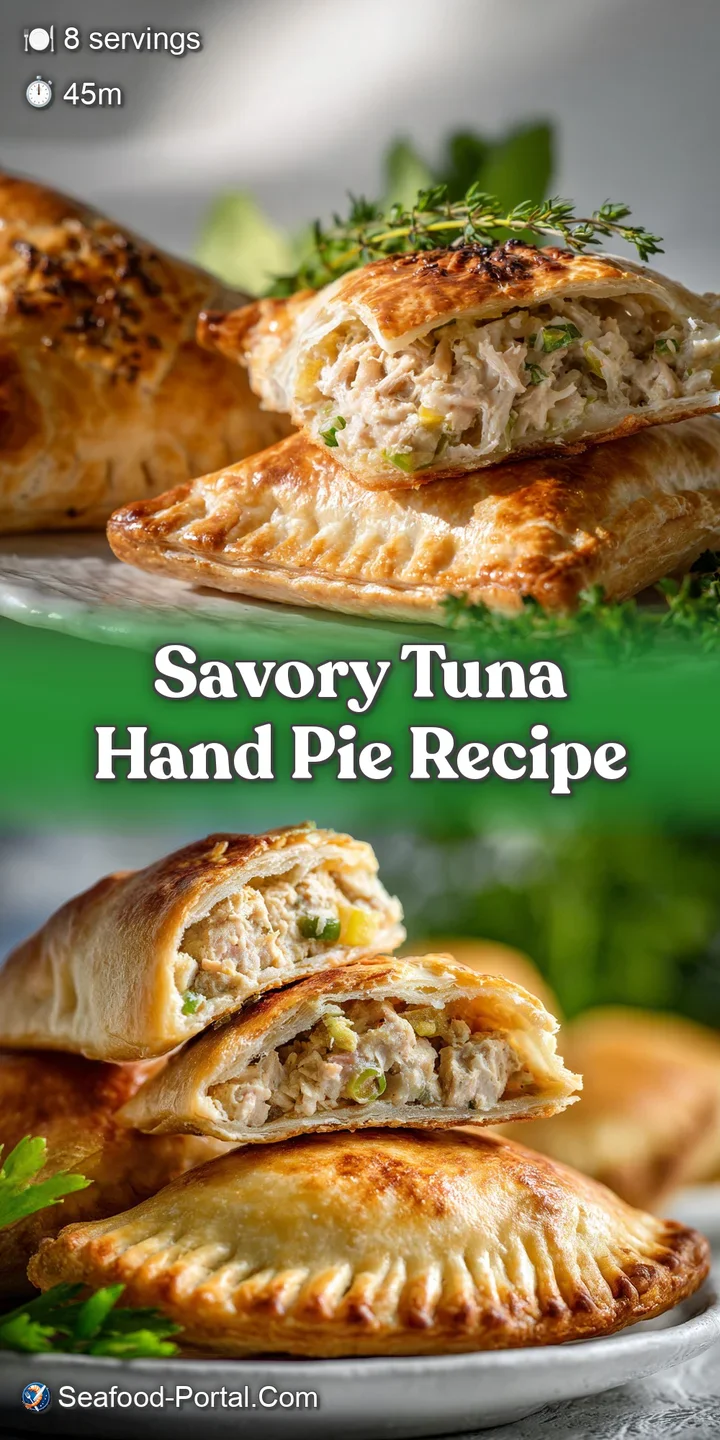
Savory Tuna Hand Pie Recipe
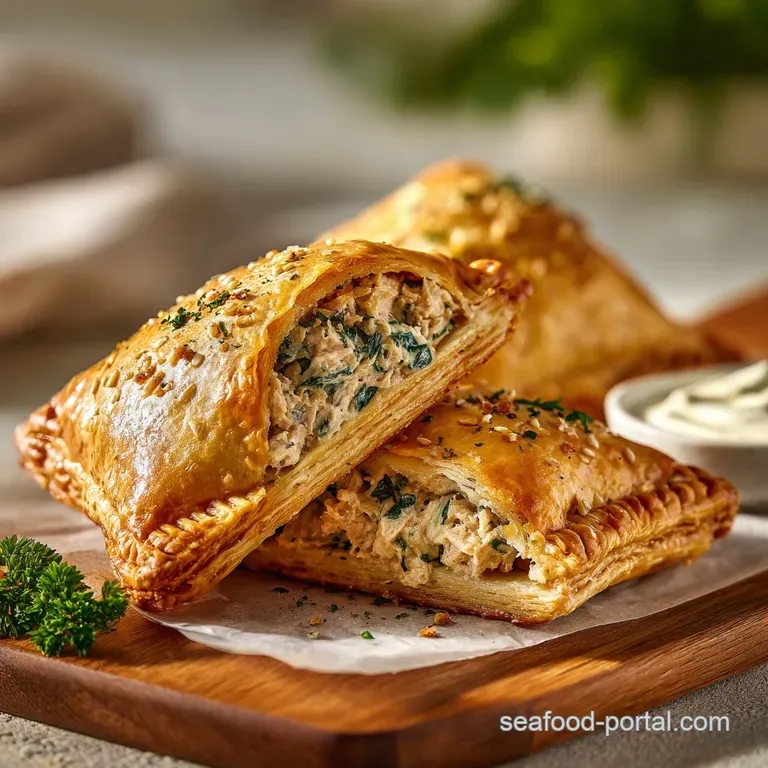
- Time: Active 20 minutes, Passive 25 minutes, Total 45 minutes
- Flavor/Texture Hook: Shatter crisp pastry meets a velvety, briny tuna filling
- Perfect for: Quick weeknight dinners or a sophisticated weekend picnic
- Master This Savory Tuna Hand Pie Recipe
- Cooking Times and Portion Math
- Hand Picked Elements for Maximum Flavor
- Essential Tools for Flaky Layers
- Step-By-Step Guide to Golden Pastries
- Avoiding Common Pastry Filling Errors
- Scaling Your Production
- Debunking Pastry Lore
- Preserving Crunch and Reducing Waste
- Perfect Pairings for Savory Pockets
- Recipe FAQs
- 📝 Recipe Card
Master This Savory Tuna Hand Pie Recipe
Picture this: you pull a tray from the oven and the scent of toasted butter and warm oregano hits you instantly. You pick up a golden pocket, and as you take that first bite, the pastry doesn't just crumble - it shatters. Inside, there's a warm, savory mix of tuna, melted cheddar, and a bright hit of lemon.
This isn't just another boring sandwich replacement; it's a legitimate flavor event that feels much more "gourmet" than it has any right to be.
We've all been there with hand pies - biting into a beautiful crust only to find a bland, mushy center that leaks everywhere. I spent a long time tweaking this Savory Tuna Hand Pie Recipe to make sure that never happens to you.
By ditching the heavy mayo for Greek yogurt and adding plenty of aromatics, we get a filling that stays together without making the puff pastry sad and soggy.
Today, I'm sharing the tricks I've learned, like why you should never skip the "cool down" phase for your filling and how to get that glossy, professional finish. Whether you're making these for a busy Tuesday night or prep cooking for the freezer, you'll find that these little pockets are surprisingly resilient and always hit the spot.
Let's get into the details of what makes these work so well.
The Science of Why it Works
- Steam Leavening: The high water content in the cold butter within the puff pastry evaporates rapidly at 400°F, forcing the dough layers apart to create a flaky shatter.
- Protein Denaturation: Heating the tuna changes its structure, allowing it to absorb the small amount of yogurt and mustard, which binds the filling without turning it into a liquid.
Cooking Times and Portion Math
When I'm hosting a few friends, I usually double this recipe because these disappear faster than you’d think. It's helpful to know exactly how long they need in the heat so you aren't stuck hovering by the oven door while everyone else is eating.
| Cook Method | Time | Texture | Best For |
|---|---|---|---|
| Standard Oven | 25 minutes | Ultra flaky, airy layers | Maximum crunch and height |
| Air Fryer | 15 minutes | Denser, very crispy crust | Quick lunches for 1-2 people |
| Convection | 20 minutes | Even browning, very dry | Large batches on multiple racks |
Since we are dealing with puff pastry, the temperature of your kitchen actually matters more than you might realize. If it's a hot day, your pastry will soften quickly, which can lead to a "slumped" look rather than a tall, proud pie.
I always recommend keeping the dough in the fridge until the very second you are ready to cut and fill it.
Hand Picked Elements for Maximum Flavor
Selecting the right components is the difference between a "canned food" taste and a fresh, bakery quality meal. I always reach for tuna packed in olive oil here. While water packed tuna is fine for some things, the oil packed variety has a much more velvety mouthfeel that stands up better to the dry heat of the oven.
| Ingredient | Science Role | Pro Secret |
|---|---|---|
| Puff Pastry | Structural Fat | Keep it cold to ensure the butter doesn't melt before the oven. |
| Sharp White Cheddar | Binding Agent | Hand grated melts better than pre shredded because it lacks starch coatings. |
| Greek Yogurt | Moisture Control | Provides creaminess with less water than mayo, preventing soggy bottoms. |
Beyond the basics, the "pops" of flavor are what keep you coming back for another bite. The capers and green olives provide a briny contrast to the rich pastry. If you've enjoyed the bold flavors in my Tuna Tataki FlashSeared recipe, you'll recognize that same bright, acidic lift here from the lemon zest and Dijon.
Ingredients & Substitutes
- 2 cans (5 oz each) Tuna in Olive Oil: Use high-quality fillets if possible. Why this? Oil packed tuna is richer and less likely to dry out when baked.
- Substitute: Canned salmon or even shredded rotisserie chicken works beautifully.
- 1 cup fresh baby spinach: Finely chopped so it incorporates evenly.
- Substitute: Kale (finely massaged) or Swiss chard.
- 0.5 small red onion: Finely diced for a sharp, sweet crunch.
- Substitute: Shallots or the white parts of green onions.
- 2 cloves garlic: Minced into a paste for even distribution.
- 1 tbsp capers: Rinsed to control the salt levels.
- 0.25 cup sliced green olives: Adds a briny, buttery depth.
- 2 tbsp Greek yogurt: Acts as the "glue" for the filling.
- Substitute: Sour cream or a thick labneh.
- 1 tsp Dijon mustard: Adds a sophisticated tang.
- 0.5 cup shredded sharp white cheddar: For that essential salty pull.
- Substitute: Gruyère or a firm Manchego.
- 0.5 tsp smoked paprika: Provides a faint, wood fired aroma.
- 1 unit lemon zest: Vital for cutting through the richness.
- 0.25 tsp salt & cracked black pepper: Adjust to taste, bearing in mind the olives/capers.
- 2 sheets pre rolled puff pastry: Must be thawed but very cold.
- 1 large egg + 1 tbsp water: This is your "glue" and your "glaze."
- 1 tsp flaky sea salt & dried oregano: For the crust decoration.
Essential Tools for Flaky Layers
You don't need a professional bakery setup to make a killer Hand Pie Recipe. However, a few specific tools make the process much smoother and prevent the filling from escaping. A good baking sheet (like a heavy rimmed Nordic Ware) ensures the heat is distributed evenly so the bottoms crisp up at the same rate as the tops.
Chef's Tip: Freeze your cheese for 10 minutes before grating. It makes the "sharp white cheddar" much easier to shred without it clumping together in the warmth of your hands.
I also swear by using a fork with long tines for the crimping process. It’s not just for looks; pressing those edges down firmly is what prevents the steam from blowing the pies open. If you want to get fancy, a pastry brush is great for the egg wash, but the back of a small spoon works in a pinch too.
step-by-step Guide to Golden Pastries
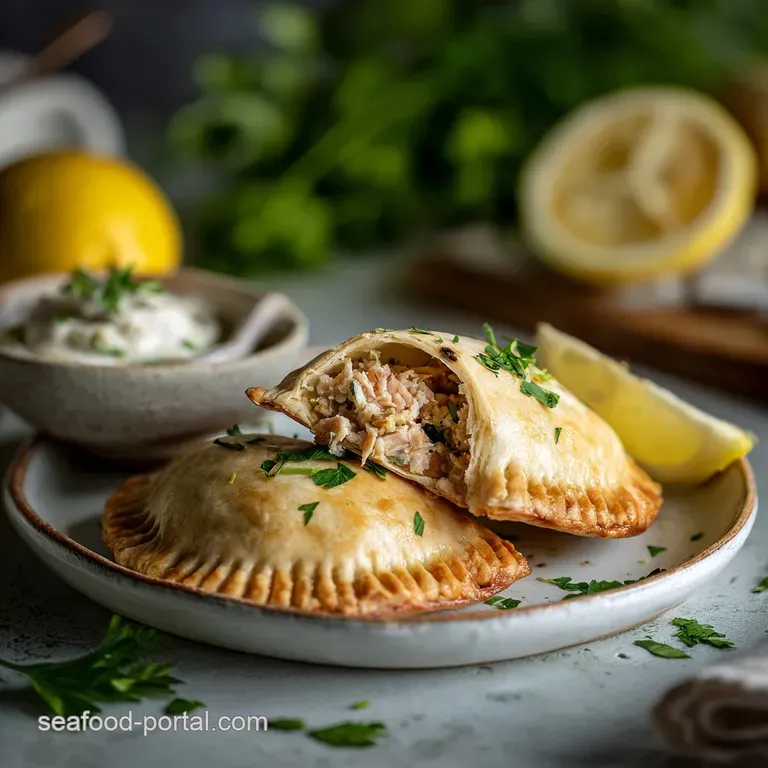
- Prep the base. Drain the 2 cans of tuna very well. Use a fork to flake it into a medium bowl, but don't pulverize it you want some texture.
- Build the flavor. Add the 1 cup chopped spinach, 0.5 red onion, garlic, 1 tbsp capers, and 0.25 cup olives. Stir gently. Note: Mixing the solids first ensures the aromatics are evenly distributed.
- Bind the filling. Fold in the 2 tbsp Greek yogurt, 1 tsp Dijon, 0.5 cup cheddar, and smoked paprika. Add the lemon zest, salt, and pepper.
- Chill the mix. Place the filling in the fridge for 10 minutes. Until the mixture feels firm and cold. This prevents it from melting the pastry dough prematurely.
- Portion the pastry. Lay out your 2 sheets of puff pastry. Cut each sheet into 4 equal squares (you'll have 8 total).
- Fill the pockets. Place about 2.5 tablespoons of filling in the center of each square. Note: Leave a 1/2 inch border around the edges for sealing.
- Seal the pies. Whisk the egg and 1 tbsp water. Brush the edges of the squares. Fold the pastry over the filling to create a triangle or rectangle.
- Crimp the edges. Use a fork to press the edges together firmly until you see the ridges clearly imprinted.
- Vent and glaze. Cut two small slits in the top of each pie to let steam escape. Brush the tops generously with the remaining egg wash.
- Final touch. Sprinkle with the 1 tsp flaky salt and dried oregano. Bake at 400°F for 25 minutes until the pastry is puffed and deeply golden brown.
Avoiding Common Pastry Filling Errors
The biggest heartbreak in the kitchen is watching your beautiful pastries leak their contents all over the pan. This usually happens because the filling was too wet or the edges weren't sealed properly. If you've ever made a Classic Tuna Casserole recipe, you know that tuna can hold a lot of hidden moisture. Squeeze it well!
Filling Leaks During Baking
This usually happens if the egg wash gets between the layers of the pastry edge before you crimp, or if there's too much air trapped inside. When the air heats up, it expands, and if it can't find the vents you cut, it will blow out the sides.
Always make sure those top slits are cut all the way through the top layer of dough.
| Problem | Root Cause | Solution |
|---|---|---|
| Soggy Bottom | Filling too wet | Drain tuna thoroughly; use Greek yogurt instead of mayo. |
| No Flakes | Pastry too warm | Chill the assembled pies for 10 minutes before baking. |
| Filling Blowout | No steam vents | Cut 2-3 clear slits in the top of each pie. |
Keeping the dough cold is the golden rule of this Savory Tuna Hand Pie Recipe. If you find the pastry getting sticky while you're working, stop immediately and put everything tray and all back in the fridge for 15 minutes.
It’s better to take longer than to end up with a greasy, flat crust.
Common Mistakes Checklist - ✓ Forgetting to drain the tuna (this is the #1 cause of sogginess). - ✓ Overfilling the squares; the dough needs to meet easily without stretching. - ✓ Skipping the egg wash you won't get that "shatter" texture or the gold color.
- ✓ Preheating the oven halfway through; the oven must be at full temp for the "puff." - ✓ Placing the pies on a cold baking sheet (preheat the tray for an extra crispy base).
Scaling Your Production
This recipe is incredibly easy to scale, whether you're feeding a crowd or just yourself. For a half batch, simply use one can of tuna and one sheet of pastry. Since you can't really use half an egg easily, whisk the egg and water, use what you need for the filling and glaze, and discard the rest (or use it for a mini omelet!).
If you're scaling up for a party, don't just double the salt. Spices and salt can become overwhelming when doubled exactly. I suggest using 1.5x the salt and pepper for a double batch and tasting as you go.
You’ll also want to work in batches so the pastry doesn't sit out on the counter while the first tray is baking.
For a Latin inspired twist, these essentially become Tuna Empanadas. You can swap the cheddar for Monterey Jack and add a little cumin to the mix. The method remains exactly the same, proving just how versatile this base recipe really is.
Debunking Pastry Lore
One common myth is that you must make your own puff pastry from scratch for it to be good. Honestly, unless you're a professional pastry chef with a marble counter and four hours to spare, high-quality store-bought puff pastry is often superior because of the mechanical consistency of the layers.
Another misconception is that you can't use canned tuna for "fancy" dishes. When you treat the tuna as a protein base rather than the star, and surround it with fresh spinach, sharp cheese, and briny olives, it loses that "pantry staple" vibe and becomes something truly savory and complex.
Preserving Crunch and Reducing Waste
These pies are at their peak about 10 minutes after they come out of the oven, once the filling has settled but the crust is still ultra crisp. However, they actually travel surprisingly well. I've taken these on hikes and they stay delicious even at room temperature.
- Storage: Keep leftovers in an airtight container in the fridge for up to 4 days.
- Freezing: You can freeze these unbaked! Flash freeze them on a tray first, then move to a bag. Bake from frozen, adding about 5-8 minutes to the time.
- Zero Waste: Don't throw away that flavorful oil from the tuna cans. It's packed with omega-3s and tuna flavor; use it to sauté the onions or as a base for a salad dressing to serve alongside the pies.
- Reheating: Avoid the microwave at all costs it will turn the pastry into rubber. Use a toaster oven or air fryer at 350°F for 5 minutes to restore the "shatter."
Perfect Pairings for Savory Pockets
Because these pies are quite rich and buttery, I always serve them with something bright and acidic. A simple green salad with a lemon tahini dressing or a side of pickled cucumbers works wonders. If you want a full seafood spread, these pair beautifully with a light soup or even alongside a Tuna Casserole recipe if you're hosting a themed brunch.
If you’re looking for a different texture, you might also enjoy the crunch of a How to Sear recipe for Ahi tuna, which offers a similar savory fresh contrast but with a raw center. Whether you eat these hot, cold, or somewhere in between, the key is that balance of the flaky crust and the briny, velvety filling.
Trust me, once you master the "seal and vent" technique, you'll be inventing your own versions of this Simple Savory Tuna Pie every week. It’s one of those "back pocket" recipes that makes you look like a pro with very little actual effort. Enjoy the crunch!
Recipe FAQs
Can I make the filling ahead of time for these savory tuna hand pies?
Yes, with a crucial chill step. The filling should be chilled for at least 10 minutes until firm. This prevents it from melting the puff pastry before baking.
My hand pies often leak filling. How can I prevent this?
Ensure a firm seal and proper venting. Overfilling is a common culprit, as is an incomplete crimp. Make sure to cut at least two clear slits in the top of each pie to allow steam to escape safely.
What is the best way to reheat leftover tuna hand pies and keep them crisp?
Avoid the microwave; use a toaster oven or air fryer. Reheat at 350°F for about 5 minutes. This restores the pastry's signature "shatter" texture.
Is it true that store-bought puff pastry isn't good enough for these pies?
No, that's a common myth. high-quality store-bought puff pastry is often very consistent and can yield excellent results, especially if you're not a professional baker with ample time.
How can I make my savory tuna hand pies spicier?
Add a pinch of cayenne or hot sauce to the filling. You could also incorporate some finely diced jalapeño or a dash of your favorite chili flakes for extra heat.
What kind of tuna should I use for the best flavor and texture?
Tuna packed in olive oil is recommended. It offers a richer, more velvety mouthfeel than water packed tuna, which holds up better during baking.
Can I substitute the cheddar cheese in this recipe?
Yes, other firm cheeses work well. Gruyère or a firm Manchego offer a similar nutty or sharp profile that complements the tuna beautifully, much like the bold flavors in our Tuna Tataki FlashSeared recipe.
Savory Tuna Hand Pie
Ingredients:
Instructions:
Nutrition Facts:
| Calories | 447 kcal |
|---|---|
| Protein | 14.3 g |
| Fat | 29.7 g |
| Carbs | 31.2 g |
| Fiber | 1.6 g |
| Sugar | 1.2 g |
| Sodium | 648 mg |
