Salmon Poke Recipe: Zesty & Umami
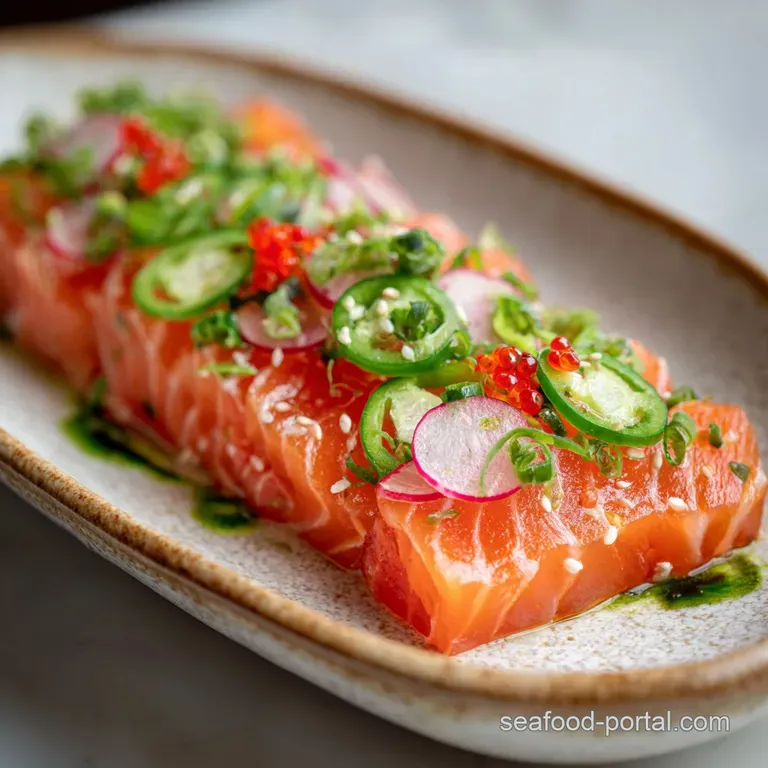
- Time: Active 15 mins, Passive 15 mins, Total 30 mins
- Flavor/Texture Hook: Silky salmon meets crunchy cucumber and zesty ginger
- Perfect for: Healthy weeknight dinners or impressive meal prep
- Master This Easy Salmon Poke Recipe
- The Science of Flavor Balance
- Vital Components and Analysis
- Fresh Ingredients for Success
- Necessary Tools for Prep
- Simple Steps to Follow
- Common Mistakes and Solutions
- Customizing Your Healthy Bowl
- Scaling the Recipe
- Debunking Poke Myths
- Best Storage Practices
- Serving and Pairing Ideas
- Very High in Sodium
- Recipe FAQs
- 📝 Recipe Card
Master This Easy Salmon Poke Recipe
The first time I tried real poke, I was standing on a cold pier with the salty wind whipping my hair. The fish wasn't just raw; it was velvety and tasted like the ocean's best secret. Every bite had that sharp snap of onion and the rich, buttery fat of the salmon melting against the bite of fresh ginger.
It changed how I thought about "fast food" forever.
You're going to love how this healthy salmon poke recipe comes together in your own kitchen. We're skipping the heavy white rice for a lighter base, but keeping all those deep Hawaiian flavors that make this dish iconic.
It's about that gorgeous contrast between the cold, fatty fish and the bright, acidic crunch of the vegetables.
Honestly, once you nail the balance of this salmon poke marinade recipe, you'll never want to pay $18 for a takeout bowl again. It's shockingly simple to pull off, provided you start with the right fish and a very sharp knife. Let's get into what makes this bowl actually work without the fuss.
The Science of Flavor Balance
Understanding the "why" behind your poke will keep the fish from getting mushy or bland. Here is how we keep things fresh and vibrant:
- Osmotic Infusion: The salt in the tamari draws out tiny amounts of moisture from the fish, which actually firms up the texture of the salmon so it doesn't feel slimy.
- Acidic Surface Denaturation: Rice vinegar provides a bright "lift" but also slightly cures the exterior of the fish, making the flavors cling better to each cube.
- Lipid Coating: Toasted sesame oil acts as a barrier, ensuring the tamari doesn't penetrate too deeply and turn the fish into a salt bomb.
- Aromatic Synergy: Fresh ginger contains enzymes that help soften the bite of the raw onion while highlighting the natural sweetness of the salmon.
| Fish Thickness | Prep Temperature | Marination Time | Visual Cue |
|---|---|---|---|
| 1/2 inch cubes | 38°F (Fridge cold) | 15 mins | Glistening, translucent edges |
| 1 inch cubes | 38°F (Fridge cold) | 20 mins | Deep orange, firm core |
| 1/4 inch slices | 38°F (Fridge cold) | 5 mins | Opaque exterior, silky finish |
Finding the right balance of temperature is crucial here. If you're in the mood for something warm instead, my Pan Seared Salmon recipe is a winner for chilly nights. Keep your fish as cold as possible until the very second it hits the bowl to maintain that signature refreshing snap.
Vital Components and Analysis
| Ingredient | Science Role | Pro Secret |
|---|---|---|
| Salmon | Primary protein/fat | Use King salmon for the highest fat content and silkiest mouthfeel. |
| Tamari | Umami/Salt source | Opt for low sodium to control the cure; regular soy can be too aggressive. |
| Maui Onion | Sweet aromatic | Slice these paper thin so they provide crunch without overpowering the fish. |
| Ginger | Digestive/Acidic | Grate it fresh; the bottled stuff lacks the "zing" needed to cut through fat. |
Fresh Ingredients for Success
This homemade salmon poke recipe relies entirely on the quality of your haul, so don't settle for less than sashimi grade.
- 1 lb Sashimi grade Salmon: Skinned and deboned. Why this? Safety first; only use fish labeled for raw consumption to avoid parasites.
- 1/2 Small Maui onion: Shaved paper thin. Why this? Maui onions are famously sweet and lack the sulfurous "burn" of red onions.
- 2 Scallions: Thinly sliced on a bias.
- 3 tbsp Low sodium Tamari: A gluten-free soy alternative.
- 1 tsp Toasted sesame oil: For that nutty, smoky depth.
- 1 tsp Grated fresh ginger: Peel it with a spoon first.
- 1 tsp Rice vinegar: Unseasoned is best to control sugar.
- 1/2 tsp Honey: To balance the salt and acid.
- 2 cups Cauliflower rice: The light, crunchy base.
- 1/2 Large avocado: Cubed just before serving.
- 1/2 cup English cucumber: Sliced into half moons for maximum crunch.
- 1 tsp Furikake: Or toasted sesame seeds for the finish.
For a bolder kick, I sometimes use spices from my Blackened Salmon with recipe to create a fusion style rub. However, for this Hawaiian salmon poke recipe, we are sticking to the classics.
Necessary Tools for Prep
You don't need a lot of gear, but what you use matters for the texture of the fish.
- A sharp Chef's Knife: A dull blade will tear the delicate salmon fibers rather than slicing through them cleanly.
- Stainless Steel Mixing Bowl: Metal conducts cold better, helping the fish stay at a safe, crisp temperature while you mix.
- Mandoline Slicer: Optional, but it's the only way to get those Maui onions truly paper thin.
- Microplane: Perfect for turning that fresh ginger into a smooth paste that integrates into the marinade.
Simple Steps to Follow
- Cube the salmon. Use long, single strokes to cut the 1 lb salmon into 1/2 inch cubes. Note: Don't saw back and forth or you'll bruise the meat.
- Prep the aromatics. Shave the 1/2 Maui onion and slice the 2 scallions until they look like delicate green ribbons.
- Whisk the marinade. In your chilled bowl, combine the 3 tbsp tamari, 1 tsp sesame oil, 1 tsp ginger, 1 tsp rice vinegar, and 1/2 tsp honey.
- Emulsify the sauce. Stir the liquids until the honey is fully dissolved and the oil is no longer floating on top.
- Fold the fish. Gently toss the salmon cubes into the marinade. Note: Use a rubber spatula to avoid breaking the cubes.
- Chill and cure. Place the bowl in the fridge for 15 minutes until the fish looks slightly tightened and glossy.
- Sauté the base. Quickly toss the 2 cups of cauliflower rice in a pan for 3-5 mins until tender but still holding a slight snap. Let it cool slightly.
- Prep the toppers. Cube the 1/2 avocado and slice the 1/2 cup cucumber until they are uniform in size with the salmon.
- Build the bowl. Layer the cauliflower rice, then the marinated salmon, followed by the fresh veggies.
- Garnish and serve. Sprinkle the 1 tsp furikake over the top until the bowl looks like a vibrant work of art.
Common Mistakes and Solutions
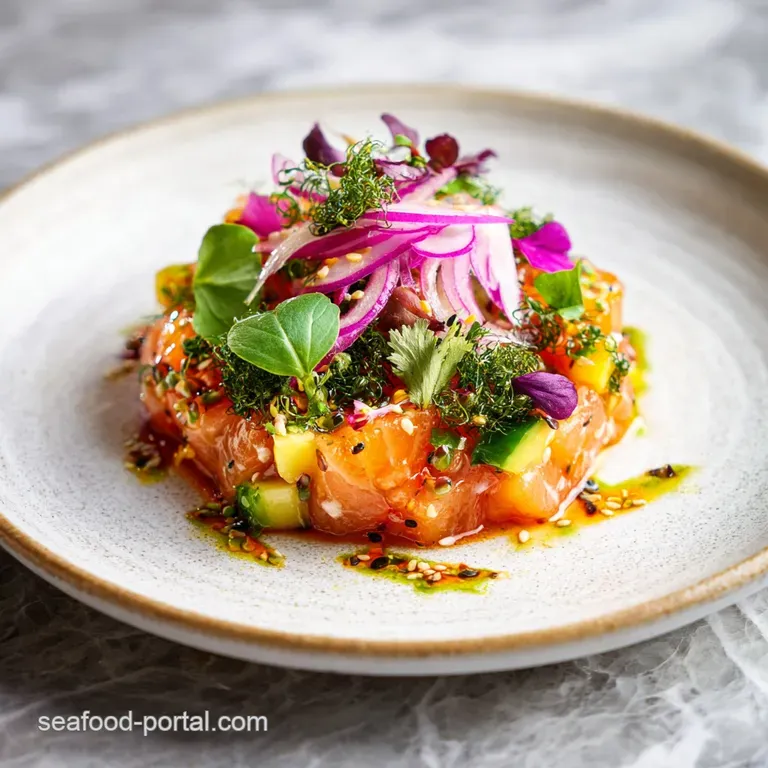
Why Your Salmon Poke Recipe Is Mushy
If your fish feels soft or lacks that clean "pop" when you bite it, it's likely a temperature issue. When salmon warms up, the fats begin to soften, and the protein structure relaxes. Always keep the fish on ice or in the back of the fridge until the very moment you are ready to slice.
Also, check your knife; a dull blade crushes the cells of the fish, releasing moisture and creating a "mushy" mouthfeel.
Why Your Sauce Is Too Salty
It is tempting to let the fish sit in the marinade for an hour, but this isn't a steak. If left too long, the tamari will cure the salmon all the way through, turning it tough and overly salty. 15 to 20 minutes is the "sweet spot" for a simple salmon poke recipe.
| Problem | Root Cause | Solution |
|---|---|---|
| Fish is watery | Frozen fish wasn't patted dry | Use paper towels to remove every drop of moisture before cubing. |
| Sauce is separated | Honey wasn't dissolved | Whisk the marinade vigorously before adding the fish to the bowl. |
| Onions are too sharp | Sliced too thick | Soak onion shavings in ice water for 5 mins to remove the harsh bite. |
Common Mistakes Checklist
- ✓ Never use "previously frozen" fish that has been sitting in a display case for days.
- ✓ Avoid over mixing the salmon once the avocado is added, or the whole bowl turns grey.
- ✓ Don't use seasoned rice vinegar, which contains extra salt and sugar you don't need.
- ✓ Pat the cucumber dry after slicing to prevent the dressing from becoming diluted.
- ✓ Use a frozen metal bowl to mix the ingredients to keep the fish at a safe 38°F.
Customizing Your Healthy Bowl
If you want to change the vibe, poke is incredibly forgiving. If you want a creamy salmon poke recipe, just fold in a tablespoon of kewpie mayo and a teaspoon of sriracha at the very end. It adds a velvety richness that pairs beautifully with the avocado.
The Spicy Mayo Twist
To get that classic sushi bar flavor, mix 2 tbsp mayonnaise with 2 tsp sriracha and a squeeze of lime. Fold this into the salmon after it has marinated for 15 minutes. The fat in the mayo creates a barrier that keeps the fish incredibly moist.
The Tropical Keto Version
Swap the cucumber for small chunks of radish for more "peppery" crunch and add a few macadamia nuts. This Hawaiian salmon poke recipe variation adds a buttery crunch that mimics the texture of traditional kukui nuts used in authentic island versions.
Scaling the Recipe
Scaling Down (1 serving): Use 1/2 lb of fish and halve all liquids. Since you can't easily use half an egg (not that we use one here!), focus on maintaining the tamari to vinegar ratio. Use a smaller bowl so the fish stays submerged in the marinade.
Scaling Up (4-6 servings): When doubling or tripling, don't just triple the salt. Increase the tamari to 2.5x the original amount and taste. You can always add more, but you can't take it away. Work in batches when cubing the fish to ensure it stays cold.
| Original Amount | 4 Servings | 6 Servings |
|---|---|---|
| 1 lb Salmon | 2 lbs | 3 lbs |
| 3 tbsp Tamari | 5 tbsp | 7 tbsp |
| 1/2 Avocado | 1 whole | 1.5 whole |
| 1 tsp Ginger | 2 tsp | 1 tbsp |
Debunking Poke Myths
A common misconception is that "sashimi grade" is a legal FDA term. In reality, it is a marketing term used by fishmongers to indicate they have handled the fish with the intent of it being eaten raw, often including a deep freeze process to kill parasites.
Always ask your fishmonger specifically if the salmon is safe for raw consumption.
Another myth is that you need white rice for an "authentic" experience. While traditional, poke was originally eaten by fisherman as a snack on its own. Using cauliflower rice in this healthy salmon poke recipe is a perfectly acceptable modern twist that keeps the focus on the fresh seafood.
Best Storage Practices
Storage: Poke is best eaten immediately. If you have leftovers, store them in an airtight container in the coldest part of the fridge for no more than 12 hours. The texture will change as the acid continues to "cook" the fish.
Zero Waste: Don't throw away the salmon skin if your fish came with it! Pat it bone dry and fry it in a little oil until it shatters like a cracker. It makes an incredible salty garnish for the top of your bowl.
Any leftover cucumber ends can be tossed into a glass of water for a refreshing spa style drink.
Serving and Pairing Ideas
This salmon poke bowl recipe is a star on its own, but it loves company. I suggest serving it with a side of lightly salted edamame or a crisp seaweed salad. The saltiness of the seaweed highlights the sweetness of the Maui onions perfectly.
If you are looking for a drink pairing, a dry Riesling or a crisp Japanese lager works wonders. The bubbles and acidity help cleanse the palate between those rich, fatty bites of salmon. For a non alcoholic option, a cold sparkling water with a heavy squeeze of lime mimics that same refreshing effect.
This is truly the best salmon poke recipe for anyone wanting to bring a bit of the Pacific coast into their weeknight routine.
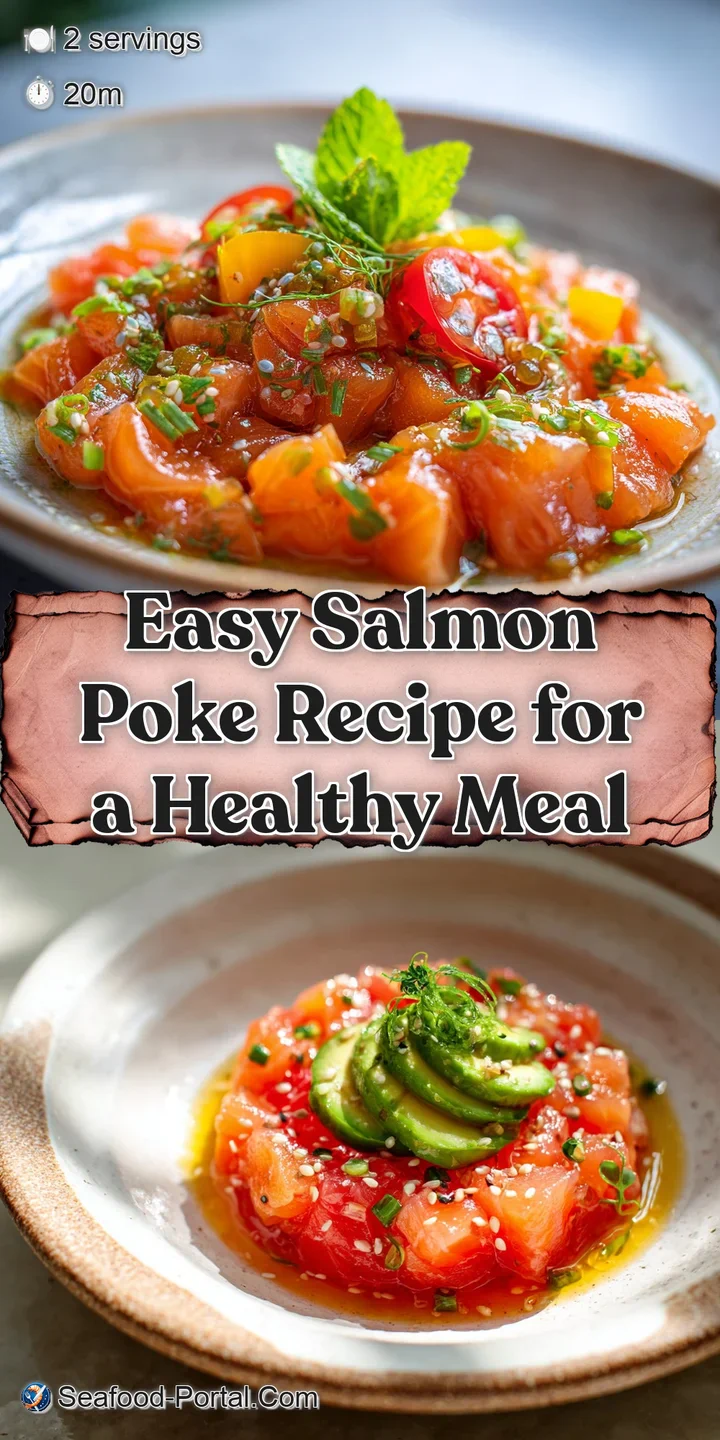
Very High in Sodium
1580 mg mg of sodium per serving (69% of daily value)
The American Heart Association recommends limiting sodium intake to about 2,300mg per day for overall cardiovascular health.
Sodium Reduction Tips for this Salmon Bowl:
-
Reduce Tamari-25%
The tamari is a major sodium contributor. Use only 1.5 tbsp of low-sodium tamari instead of 3 tbsp. This significantly cuts down the sodium content without sacrificing too much flavor.
-
Enhance with Herbs
Instead of relying on sodium for flavor, add fresh herbs like cilantro or dill to the cauliflower rice or as a garnish. This boosts flavor without adding sodium.
-
Unsalted Cauliflower Rice-15%
Ensure the cauliflower rice is prepared without added salt. Many pre-packaged versions contain sodium. Opt for fresh or frozen plain cauliflower rice.
-
Citrus Boost-5%
A squeeze of fresh lime or lemon juice can brighten the flavors of the salmon bowl and reduce the need for salty components. Try adding a wedge to squeeze on top.
-
Adjust Honey-5%
Even though a small amount, taste the sauce and consider reducing the honey slightly. This can balance the flavor if other sodium levels are lowered, without adding any sodium.
Recipe FAQs
How to make simple salmon poke?
Cube the salmon, whisk the marinade, and gently fold. Cut 1 lb of sashimi grade salmon into uniform 1/2 inch cubes, ensuring your knife is extremely sharp. Whisk together tamari, sesame oil, rice vinegar, and ginger, then toss the fish gently for only 15 minutes to cure.
Do you use raw salmon for poke bowls?
Yes, you must use raw salmon specifically labeled for raw consumption. This usually means it is "sashimi grade," indicating careful handling and often a parasite killing deep freeze process. Never use standard grocery store salmon unless explicitly told it is safe for raw use.
How to cure salmon for poke?
Marinate the cubed salmon in a salty/acidic mixture for 15 20 minutes. The tamari draws out a small amount of moisture, firming the flesh, while the rice vinegar brightens the flavor without fully cooking the fish. If you prefer a richer accompanying flavor, try our Salmon Sauces recipe for inspiration on flavor bases.
What are the best ingredients for poke?
Sashimi grade salmon, Maui onion, fresh ginger, and high-quality tamari. The best bowls rely on textural contrast: silky fish against crunchy, thinly sliced aromatics like cucumber and onion. Aim for balance between savory (tamari) and bright acid (vinegar).
Why is my poke salmon turning mushy?
You are likely using a dull knife or marinating the fish too long. A dull blade crushes the salmon cells, releasing moisture and softening the texture instead of slicing cleanly through it. Keep the fish cold and limit the marinade time to 20 minutes maximum to maintain its firm snap.
Can I substitute soy sauce for tamari?
Yes, but tamari is generally preferred for texture and gluten-free needs. Tamari is thicker and less aggressive than standard soy sauce, which helps it cling to the fish without oversaturating it too quickly. If you use regular soy sauce, consider cutting the amount by 25% to prevent over salting.
What temperature should the salmon be before cubing?
The salmon must be fridge cold, ideally around 38°F (3°C). Working with cold fish makes it much easier to achieve clean, sharp cuts, which is crucial for presentation and texture. Mastering precise temperature control like this is key to great fish prep; you can apply this same precision when learning the technique in our Crispy Skin Rainbow recipe.
Salmon Poke Recipe Fresh
Ingredients:
Instructions:
Nutrition Facts:
| Calories | 647 kcal |
|---|---|
| Protein | 52g |
| Fat | 40g |
| Carbs | 16g |
| Fiber | 6g |
| Sugar | 6g |
| Sodium | 1580mg |
