The Ultimate Umami Hit Nobustyle Miso Marinated Black Cod
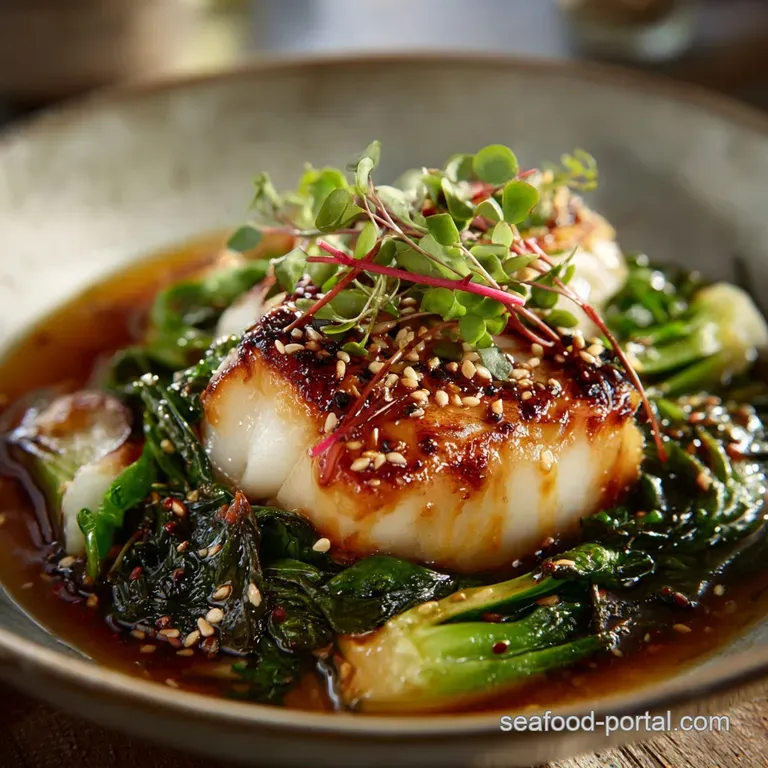
- Unlocking the Legend: Decoding Chef Nobu’s Iconic Black Cod Recipe
- The Magic of Saikyo Yaki: Why This Miso Marinade Transforms Fish
- Gathering Your Supplies: Essential Ingredients for Authentic Flavor
- The Perfect Catch: Selecting the Right Fish for Nobu Miso Cod
- Mastering the Technique: Step-by-Step Guide to Cooking Black Cod
- The Long Wait: Optimizing Your Miso Marinade Time
- Serving Suggestions and Culinary Pairings
- Troubleshooting Your Saikyo Yaki: FAQs and Quick Fixes
- Recipe FAQs
- 📝 Recipe Card
Unlocking the Legend: Decoding Chef Nobu’s Iconic Black Cod Recipe
This dish represents the pinnacle of modern Japanese Peruvian fusion, securing its place as a global culinary benchmark. The beauty of this celebrated preparation lies in its deceptively simple, four ingredient nobu miso cod marinade .
Achieving the famous melt-in-your mouth texture requires patient marinating and precise, quick cooking under high heat. Our goal is to make the sophisticated experience of the Nobu Miso Black Cod Recipe accessible and achievable in a standard home kitchen.
The Magic of Saikyo Yaki: Why This Miso Marinade Transforms Fish
The Saikyo Yaki method is not just about coating fish; it is a transformative preservation and tenderizing process. The high sugar content in the marinade pulls moisture from the protein, while the fermentation acids in the miso gently break down muscle fibers.
This simultaneous curing and tenderizing action results in the signature silky, delicate flesh that distinguishes the Nobu Miso Cod.
A Culinary History: Tracing the Origin of Nobu Miso Cod
While Chef Nobu Matsuhisa popularized this specific preparation in the late 1980s, the technique itself, known as Saikyo Yaki , is rooted deeply in Kyoto's culinary traditions.
This historic Japanese Cod Recipe was originally developed as a preservation method, using the sweet, light miso of the region to cure the fish for transport and storage. Nobu adapted this classic approach by standardizing the balance of sake, mirin, and sugar, elevating it into the iconic luxury dish recognized worldwide today.
Beyond the Restaurant: Achieving Michelin Star Silky Texture at Home
The secret to replicating the restaurant’s unparalleled texture is dedicating adequate time to the passive marination phase. The sugars and alcohol need a full 24 to 48 hours to deeply penetrate the dense cod fillets.
This extended bath is essential for guaranteeing that the finished fish is moist, flavorful, and flakes apart effortlessly upon serving. Skip this step and you risk simply having a miso flavored, dry piece of fish.
What Exactly is Saikyo Miso? Understanding the Sweet White Paste
Saikyo Miso, also known as Shiro Miso, is a key ingredient characterized by its light color and uniquely low salt content compared to darker varieties. Produced using a higher proportion of rice koji, this paste ferments quickly, yielding a distinct sweetness crucial for balancing the salty, umami depth of the completed dish.
Using anything other than a high-quality Shiro Miso fundamentally changes the intended delicate flavor profile of this specific recipe.
Gathering Your Supplies: Essential Ingredients for Authentic Flavor
Success in preparing these elevated Miso Fish Recipes relies heavily on sourcing the correct Japanese staples, not just the fish itself. You will need purified sake, sweet mirin, light shiro miso, and granulated sugar to build the perfect glaze base.
These four components interact chemically to create the complex, sweet, and savory depth required for the authentic experience. Ensure all liquid measurements are precise, particularly when balancing the sugar against the salinity of the miso.
The Perfect Catch: Selecting the Right Fish for Nobu Miso Cod
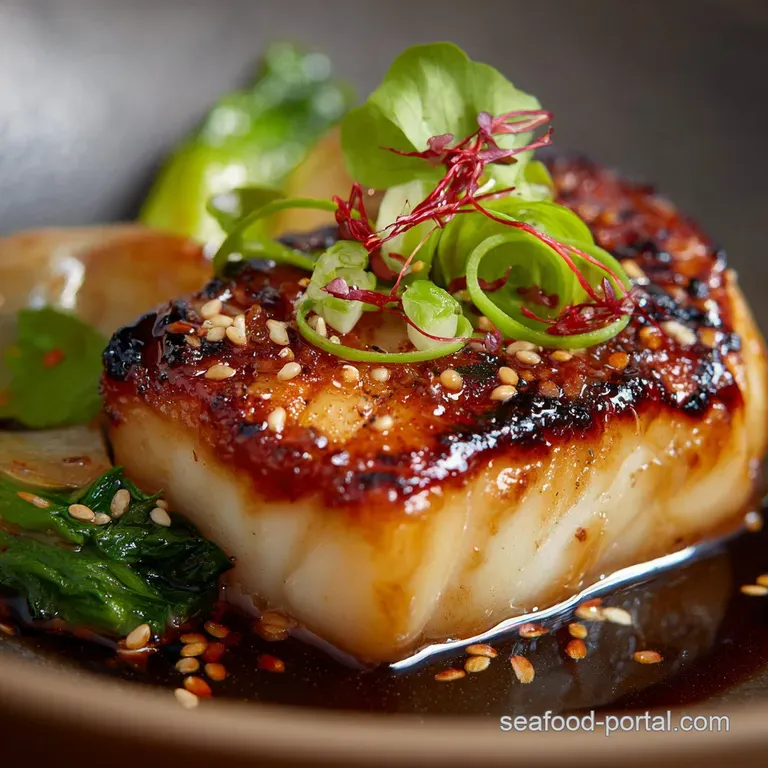
The ideal fish possesses a high fat content and firm texture, characteristics that protect it from drying out during the intense broiling step. Black Cod, also known as Sablefish, holds up beautifully to the long marination and high heat thanks to its rich omega-3 oils.
While substitutions are possible, the traditional choice guarantees the signature rich mouthfeel and robust flavor penetration.
Sablefish vs. Black Cod: Which Option Delivers the Best Fillet
It is important to understand that Black Cod and Sablefish are, in fact, the same species, Anoplopoma fimbria . These common names refer to the exact fish Nobu uses, prized for its white flesh and deep, flaky layers.
Choosing fillets approximately one inch thick ensures even marination and cooking time consistency. Look for fillets that are bright white and have a glossy sheen, indicating freshness.
Essential Equipment Checklist: Tools for a Seamless Marinating Process
A non-reactive saucepan is crucial for simmering the sake and mirin, preventing any metallic flavors from tainting the marinade. You will need a shallow glass dish or a sturdy sealable bag to ensure the cod fillets are submerged during the 48-hour marination period.
Finally, a wire rack placed over a baking sheet is essential for allowing air circulation during broiling, promoting even caramelization underneath the fillet.
The Marinade Matrix: Proportioning Sake, Mirin, and Sugar
The perfect nobu miso cod marinade requires precision in reducing the alcohol before combining the paste. Simmering equal parts sake and mirin rapidly for two minutes removes harsh alcohol notes while concentrating their inherent sweetness.
This reduced liquid is then combined with the shiro miso and sugar, ensuring the resulting glaze is smooth and free of gritty sugar crystals before it cools down.
Quality Check: Identifying the Best Saikyo Miso Brand
high-quality Saikyo miso should have a pale, almost creamy yellow color and a distinctively sweet aroma, not a sharp, pungent odor. Avoid any jars that look dark or overly salty, as these are typically white miso variations designed for soup, not this delicate glaze.
Investing in a premium brand ensures the ultimate, balanced flavor profile for your dish.
Related Recipes Worth Trying
- Proper PubStyle Crispy Fried Cod The Ultimate Fish Supper — Ditch the greasy takeaway This foolproof Fried Cod recipe uses cold lager and rice flour for spectacular shatteringly crispy cod recipes Get that perfect...
- 35Minute Shrimp Ramen Noodles Quick Miso Broth Jammy Eggs — Our easy shrimp ramen recipe delivers a deeply flavorful rich miso broth in just minutes Perfect for a rainy day topped with silky shrimp noodles and a...
- Baked Garlic Crusted Cod Fish with Crispy Parmesan Crust — This Easy Weeknight Cod Recipe delivers ultimate crunch Our Baked Garlic Parmesan Cod is healthy flaky and coated in a glorious golden Panko crust Ready in...
Mastering the Technique: step-by-step Guide to Cooking Black Cod
The final cooking step is a delicate dance between achieving a deep chestnut brown color and avoiding scorching the sugar rich glaze. We recommend using the broiler, or the oven’s grill setting, for intense, direct heat.
Alternatively, you can successfully achieve the same results using the nobu miso cod air fryer technique at a high setting, provided you watch it closely. Always keep the fish six to eight inches away from the heat element to manage the caramelization rate effectively.
The Long Wait: Optimizing Your Miso Marinade Time
The passive marinating time is the single most important factor determining the texture of your finished fish. We insist on a minimum of 24 hours, though 48 hours is truly optimal for maximum penetration.
During this time, the mixture works its magic, ensuring the sweet, umami flavors penetrate beyond the surface layer and into the core of the fillet. Do not rush this stage, as it provides the depth of flavor you are seeking.
Preparing the Fillets: Slicing and Scoring for Maximum Penetration
Start by thoroughly patting the fish fillets dry with paper towels to eliminate any surface moisture that could dilute the glaze. If you are working with particularly thick sections of black cod, a shallow score or two across the skin side can help the marinade enter more deeply.
These clean, dry fillets are now ready to fully absorb the rich nobu miso cod marinade .
The Glaze Application: Ensuring Even Coating and Coverage
Once the marinade is completely cool, apply it generously to the prepped fillets, making sure to fully coat all sides and edges. Use a dish or zip-top bag that allows the fish to remain mostly submerged in the paste, ensuring consistent contact.
This dense, smooth mixture should cling immediately to the fish without running off.
Crucial Step: Wiping Down the Marinade Before Cooking
This step differentiates a perfectly caramelized fillet from a piece of burnt charcoal; it cannot be overstated. Before cooking, use a damp paper towel to gently wipe off any thick, chunky excess marinade, leaving only a very thin, wet layer on the fish.
Leaving too much paste guarantees burning due to the high concentration of sugar, ruining the delicate flavor beneath.
Broiling to Perfection: Achieving that Iconic Caramelized Crust
Place the cleaned fillets skin side down on your prepared rack and position them under the preheated broiler. Cook them initially for about five to seven minutes, monitoring closely as the glaze bubbles and starts to develop a deep, burnished color.
Flip the fillets gently and finish cooking for an additional three to five minutes until the internal temperature reaches 140° F, yielding a beautiful, chestnut brown crust.
Serving Suggestions and Culinary Pairings
The intensely savory and sweet nature of this Japanese Cod Recipe pairs beautifully with simple, acidic side dishes that cleanse the palate. Traditionally, it is served alongside pristine, steamed Japanese short grain rice to provide a clean, neutral canvas for the rich fish.
Consider pairing this centerpiece with a light, vinegary cucumber sunomono salad or lightly blanched green vegetables tossed simply with sesame oil.
Troubleshooting Your Saikyo Yaki: FAQs and Quick Fixes
One common concern when executing complex Miso Fish Recipes is dealing with substitutes or unexpected burning. If your glaze begins to darken too rapidly during broiling, immediately move the baking sheet to a lower rack in the oven to decrease the direct heat intensity.
For those aiming for a nobu miso cod recipe easy execution, remember that careful wiping is the most effective safety measure against scorching.
Storage Secrets: Maximizing Shelf Life for Leftover Nobu Miso Cod
Cooked Nobu Miso Cod should be stored in an airtight container and refrigerated, where it remains fresh and flavorful for up to three days. Reheat gently in a low-temperature oven (around 300° F) or toaster oven to avoid drying out the delicate flesh and to preserve the crust.
Never use a microwave, which will compromise the silky texture achieved by the long marinade process.
Reducing Waste: Repurposing Leftover Miso Marinade
While you should discard any marinade that has been in direct contact with raw fish, if you scaled up the initial marinade batch, the unused portion is highly valuable. This surplus glaze, free from raw fish contact, can be stored refrigerated for up to a week.
Use this intense paste as a flavor booster for vegetable stir fries, or thin it slightly with water to create a dressing for blanched greens.
Dietary Swaps: Substituting Other Fish (Salmon, Halibut) for Black Cod
If traditional Black Cod is inaccessible, thick cut Atlantic Salmon or Halibut steaks make excellent substitutions for this preparation. Both fish types possess enough fat content to benefit from the tenderizing properties of the glaze.
If you require a nobu miso cod recipe no sake alternative, replace the sake and mirin volume with dry sherry and white grape juice for a similar depth of flavor, adjusting the cooking time slightly depending on the thickness of the fillet.
Serving Presentation: Traditional Garnishes (Hajikami Ginger) and Plating
The presentation for this elegant dish should remain minimal and focused entirely on the beautiful caramelized fish. A traditional and classic garnish involves placing a piece of vibrant, rosy pink pickled ginger ( Hajikami ) next to the fish for color and a palate cleansing bite.
Serve the cod on a simple, warm white plate, allowing the glossy, deep brown crust to truly stand out as the star.
Recipe FAQs
I can't find Black Cod (Sablefish) anywhere. What fish is a good alternative?
Don't fret, dear! While Black Cod offers the ultimate rich, buttery texture, Chilean Sea Bass or thick cut Halibut are excellent premium substitutes due to their similar fat content. If you're after a more accessible and economical option, thick Salmon fillets also carry the miso flavour beautifully.
Forty eight hours seems ages! Can I cheat a bit on the marinating time?
We all love a good shortcut, but marinating is the non-negotiable step for this dish. While 24 hours is the absolute minimum to properly infuse the flavour, dedicating the full 48 hours allows the miso enzymes to tenderise the fat, achieving that famously silky, restaurant quality texture that truly elevates the dish.
I'm terrified of burning the sugar glaze when I cook this Nobu Miso Cod. Any tips to avoid a disaster?
This is the biggest hurdle, as the sugar content makes the glaze highly susceptible to burning; the key is to gently wipe off the majority of the thick, clumpy marinade using a damp paper towel before cooking.
Cook the fish on a lower rack setting, about 6 8 inches from the heat source, and watch it like a hawk if it darkens too fast, move it down or momentarily switch off the broiler.
I’ve made too much how long will the cooked Nobu Miso Cod leftovers last, and can I freeze it?
Leftovers keep brilliantly in the fridge for up to three days in an airtight container and reheat gently in the oven or microwave. However, we recommend against freezing cooked fish as the luxurious, buttery texture will often become dry and compromised when thawed and reheated.
I’m watching my sugar intake; is there a way to make the marinade a bit lighter?
Absolutely; while the sugar is necessary for the essential caramelisation, you can reduce the amount of added granulated sugar by half without severely impacting the flavour. Also, as the dish is naturally high in sodium from the miso, serve it with plain rice and light steamed vegetables to balance the meal.
Restaurantstyle Nobu Miso Black Cod Saikyo
Ingredients:
Instructions:
Nutrition Facts:
| Calories | 395 kcal |
|---|---|
| Protein | 6.6 g |
| Fat | 5.5 g |
| Carbs | 44.4 g |
| Fiber | 1.6 g |
| Sodium | 1555 mg |
