Seafood Japanese Noodle Recipes: Quick Prawn Scallop Yaki Udon in 30 Minutes
- The Art of Yaki Udon: Celebrating Quick Seafood Japanese Noodle Recipes
- Precision Cooking: Why This Prawn and Scallop Recipe Succeeds
- Essential Components for Authentic Seafood Japanese Noodle Recipes
- Step-by-Step Method: Achieving the Wok-Kissed Finish
- Troubleshooting Your Stir-Fry: Pro Tips from the Kitchen
- Practical Guide: Storing and Reheating Your Yaki Udon
- Making It a Meal: Perfect Pairings for Seafood Japanese Noodle Recipes
- Recipe FAQs
- 📝 Recipe Card
The Art of Yaki Udon: Celebrating Quick Seafood Japanese Noodle Recipes
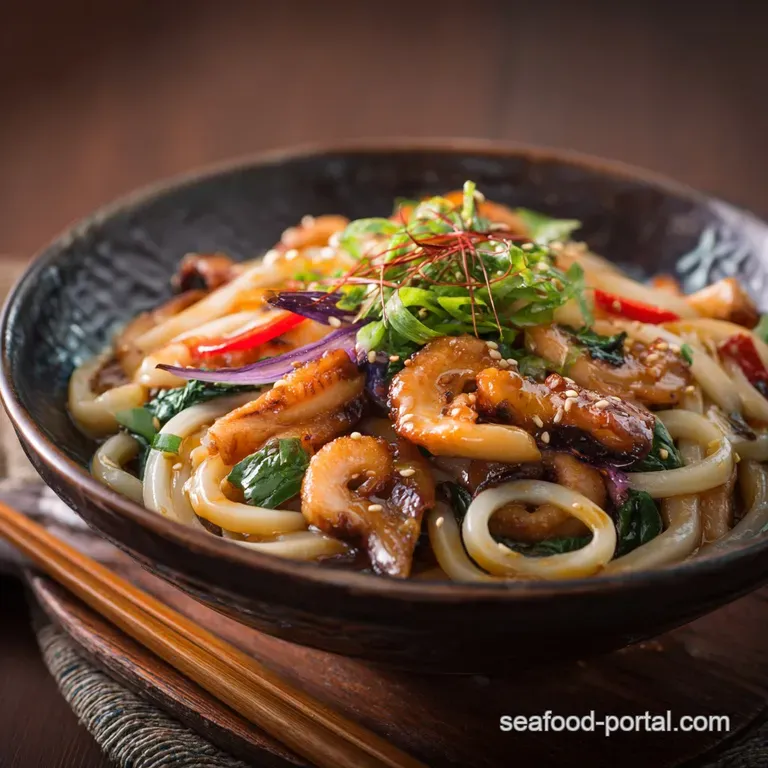
When that wok hits high heat and the sauce starts caramelizing, filling your kitchen with the smell of sweet soy and ginger, you know dinner is going to be epic. That specific aroma that intense, savory sweet whisper of umami —is the promise of perfect Seafood Japanese Noodle Recipes .
This specific Prawn and Scallop Yaki Udon is absolute magic. The thick, chewy noodles cling to the sauce, delivering that restaurant quality flavor we all crave.
Look, sometimes you just need dinner, right? This recipe is the ultimate weeknight savior because it hits the table faster than you can order delivery. Thirty minutes flat is all it takes to transform simple ingredients into a deeply satisfying meal. We are skipping the fussy simmering and complex broths of ramen.
Instead, we embrace the high energy, super speed cooking style of a true stir fry.
Forget everything you thought you knew about difficult Japanese cooking. I’ve refined this method over years of making soggy noodles and rubbery prawns (trust me, I messed up a lot ). Now I'm sharing the precise steps and secret ratios that actually deliver that fantastic wok-kissed finish.
Let's crack on and master this gorgeous dish.
Precision Cooking: Why This Prawn and Scallop Recipe Succeeds
The secret to amazing stir fries isn't just speed; it’s maximizing flavor through technique. This recipe works because we treat the seafood and the noodles separately, ensuring nothing gets mushy or overcooked. It’s all about high heat and smart timing.
Defining Yaki Udon: More Than Just a Stir Fry
Yaki Udon literally translates to "fried udon." Unlike dishes immersed in broth, this is an intensely flavoured noodle dish where the sauce clings heavily to the strands. The goal is to get a slight char on the noodles and the vegetables, amplifying their natural sweetness.
This rapid cooking approach is essential for keeping the seafood tender and juicy.
Why Udon Noodles Are Ideal for Wok-Tossing
We rely on udon for its sheer resilience. Those thick, delightfully chewy wheat flour noodles handle the high heat and vigorous tossing without immediately breaking down. Try this with delicate rice vermicelli and you’ll end up with mush; udon holds its shape and structure beautifully.
They soak up that rich sauce like champions.
The Umami Balance: Sweet, Salty, and Savory Foundation
The depth of flavor in this sauce comes from balancing three key Japanese staples: Soy Sauce (salty), Mirin (sweet), and Sake (acidic/boozy depth). The addition of Oyster Sauce brings that deep, savory backbone, making the whole dish sing.
Getting this ratio correct is non-negotiable for authentic Japanese noodle flavor.
Achieving the Perfect Wok Hei (Smoky Flavor)
Wok hei is the coveted "breath of the wok," that unique, smoky char you can only achieve at screaming hot temperatures. We use a high smoke point oil and ensure the wok is practically smoking before we add anything.
This rapid heating caramelizes the sugars in the sauce instantly when the noodles hit the pan, creating that beautiful restaurant finish.
Preventing Overcooking: Timing Seafood for Tenderness
This is where I used to fail. If you leave the seafood in the pan the whole time, you get tiny pink rubber balls instead of sweet, succulent morsels. We sear the scallops and prawns for just 90 seconds enough to build a crust and start the cooking process then we remove them immediately.
They only return right at the very end to finish cooking in the residual heat and sauce.
The Science Behind the All-Important Stir Fry Sauce
Our sauce is primarily sugar, salt, and alcohol. When this mixture hits the hot wok, the water evaporates almost instantly, leaving behind a sticky concentration of flavor that rapidly caramelizes onto the noodles. This coating prevents the noodles from drying out while simultaneously deepening the savory notes.
Essential Components for Authentic Seafood Japanese Noodle Recipes
Selecting the Freshest Prawns and Scallops
Always choose raw, firm prawns (jumbo or large are best). For scallops, use large sea scallops and make sure you pat them absolutely, positively dry. Seriously. Moisture kills the sear. If you want a fun alternative seafood dish for high heat, try this Grilled Tuna Steak Recipes: Mediterranean Style, Ready in 30 Minutes technique; it works great for searing other large fish.
| Ingredient | Viable Substitute | Notes on Swap |
|---|---|---|
| Prawns/Scallops | Squid/Calamari or Cod | Slice squid into rings or use firm white fish fillets, cooking time remains short. |
| Udon Noodles | Dried Ramen or Soba | Cook Soba or Ramen per package instructions, rinse, and toss dry before use. |
| Oyster Sauce | Vegetarian Mushroom Sauce | This maintains the deep umami flavor and dark color without using oysters. |
| Mirin | Dry Sherry or White Wine + Sugar | Use a tablespoon of wine mixed with 1/2 tsp of sugar for sweetness and depth. |
Which Udon Noodle Style Works Best (Fresh vs. Frozen)
Vacuum sealed pre-cooked udon noodles are my preference for stir frying because they are thick and super convenient. Frozen udon is the gold standard if you can find it. Just drop the frozen block into hot water for 60 seconds, drain, and separate; don’t overboil!
Avoid dried udon for Yaki Udon; it’s too absorbent and can lead to a gummy result.
Mastering the Umami Quartet: Soy, Oyster, Mirin, and Sake
These four ingredients are the foundation of our tare (sauce). Low-sodium soy sauce gives us control over the salt levels. Mirin is crucial for sweetness and gloss, while the Sake adds a depth that balances the sauce, making it less cloyingly sweet.
Don't skip the Sake; the alcohol cooks out, leaving only great flavor.
Preparing the Aromatics: Ginger and Garlic Ratios
We use slightly more ginger than garlic in this recipe, which is common in Japanese stir fries. Grating the ginger ensures maximum surface area release, giving you a sharp, fresh counterpoint to the rich sauce. Keep those aromatics chopped and ready, because they cook in literally 30 seconds.
Chef's Note: Remember to separate the white and green parts of the spring onion. The white parts go into the wok early for cooking, while the green parts are a fresh, final garnish.
step-by-step Method: Achieving the Wok-Kissed Finish

This requires a over high heat mindset and quick, efficient movements. Get everything prepped before you start; trust me, you won’t regret the mise en place .
Prep Work: Marinating the Seafood for Maximum Flavor
- Sauce First: Whisk together the soy sauce, oyster sauce, mirin, sake, sugar, and pepper. Set aside.
- Dry & Separate: Soak your vacuum packed udon in hot tap water for two minutes until loose. Drain and separate the strands by hand; do not boil. Pat your scallops and prawns ruthlessly dry with paper towels.
- Aromatics Ready: Chop your vegetables and keep them near the stove.
High Heat Start: Searing the Prawns and Scallops Quickly
- Heat your wok or heavy pan over the highest possible heat . Add the high smoke point oil until it just begins to smoke.
- Add the dry scallops and sear without moving for 60 90 seconds until deeply golden brown. Flip them, add the prawns, and cook for another minute until just turning pink.
- Immediately remove all seafood to a clean plate. Do not wipe the wok! The residual seafood flavour is gold.
Layering the Flavor: Incorporating the Noodles and Sauce
- Add the ginger, garlic, and white spring onions to the sizzling wok. Stir fry for 30 seconds until fragrant.
- Toss in the carrots and onions, cooking for 2 minutes until they start to soften, maintaining a slight crunch.
- Add the shredded cabbage and cook for 1 minute until it slightly wilts.
- Throw the separated udon noodles into the wok. Pour half of the prepared sauce over everything. Toss vigorously (or use a folding motion) for 1– 2 minutes until the noodles are fully coated and starting to look glossy and sticky.
The Final Toss: Garnish and Immediate Serving
- Return the seared seafood to the wok. Pour in the remaining sauce.
- Toss gently for just 30 60 seconds. The goal is only to reheat the seafood and coat it in the sauce without overcooking it.
- Turn off the heat. Drizzle with sesame oil and toss one last time. Serve immediately, garnished with the green spring onions and toasted sesame seeds.
Troubleshooting Your Stir Fry: Pro Tips from the Kitchen
How to Avoid Soggy Udon Noodles
If your noodles are mushy, your heat was too low, or you added too much liquid. Always loosen pre-cooked noodles in hot water, not boiling water, and drain them completely before they enter the wok. A high-quality stir fry means the noodles must dry out and caramelize slightly.
The Proper Heat Management for Stir Frying Seafood
Never crowd the pan. If you double the recipe, cook the prawns and scallops in two separate batches. When the pan drops below high heat, the seafood starts to steam and turns rubbery, failing to develop that beautiful crust.
Fixing a Sauce That Tastes Too Salty
This happens if you used regular soy sauce instead of low-sodium, or you over reduced the sauce. The fix is simple: add a teaspoon of Mirin (or sugar) and a tiny splash of water or sake to rebalance the flavor. A tiny dash of acid can often neutralize excess saltiness effectively.
Practical Guide: Storing and Reheating Your Yaki Udon
Refrigeration Best Practices for Cooked Seafood Dishes
Yaki Udon keeps brilliantly in the fridge for up to three days in an airtight container. Make sure it cools down fully before you seal and refrigerate it. Don’t leave cooked seafood out at room temperature for more than two hours!
Can You Freeze Yaki Udon? (The Noodle Texture Problem)
You can freeze this, but I really don’t recommend it. While the sauce and seafood hold up fine, udon noodles have a very high water content. When thawed, they often become a little grainy and quite mushy.
If you absolutely must freeze leftovers, store them for no more than one month, and expect a texture change.
Suggested Garnishes to Elevate Presentation
Garnishing adds necessary freshness and crunch! We already use spring onions, but try these too:
- Toasted Sesame Seeds: Mandatory crunch.
- Aonori (Dried Seaweed Flakes): Provides a delicate, briny flavor and vibrant color.
- Katsuobushi (Bonito Flakes): These thin flakes dance on the hot noodles, adding incredible smoky depth.
- A Drizzle of Chili Oil: If you like heat, a quality chili oil will wake up the whole dish.
Making It a Meal: Perfect Pairings for Seafood Japanese Noodle Recipes
This Yaki Udon is intensely flavorful, so your sides should be light and refreshing. You want contrast, not competition.
A small bowl of crisp, vinegary quick pickles (Tsukemono) cleanses the palate beautifully between bites of the rich noodles. Alternatively, if you want another fresh seafood element, consider whipping up a small side of quick Poke Shrimp Healthy Bowl: Quick, Easy Healthy Dinner Recipes ingredients for a chilled contrast.
For an appetizer, keep it simple with lightly seasoned edamame, or perhaps some grilled prawns served with one of those light, zesty sauces from my Bbq Seafood Sauces: Three Light, Tangy Glazes for Grilled Seafood recipe. A crisp, chilled glass of dry sake or Japanese beer pairs perfectly with the salty sweet notes of the stir fry.
Recipe FAQs
Why did my udon noodles turn mushy or stick together during the stir fry?
This usually happens if the noodles were overcooked initially or not properly separated before hitting the wok. If using frozen or fresh udon, ensure you only soak or parboil them just long enough to loosen, then rinse them immediately under cold water to halt cooking and remove excess starch.
How do I prevent the prawns and scallops from becoming rubbery?
The key to tender seafood is high heat and very quick cooking times. Ensure your wok is screaming hot, and add the seafood only right before you incorporate the noodles and sauce. Prawns and scallops typically only require 90 seconds to 2 minutes of cooking time before they are perfectly opaque and ready to serve.
Can I use other types of protein besides prawns and scallops in this Yaki Udon?
Absolutely. Yaki Udon is very versatile and works well with thin strips of beef, chicken, or pork. For a vegetarian option, use firm pressed tofu or thick slices of shiitake mushrooms, ensuring they are seared until golden before adding the sauce.
I don't have sake or mirin; what are good substitutions for the sauce?
While sake and mirin provide authentic depth, you can substitute dry sherry or white wine for the sake, though the flavor profile will shift slightly. The mirin (sweet rice wine) provides necessary sweetness and gloss; substitute it with a half teaspoon of sugar dissolved in two teaspoons of water or dry white grape juice.
Can I prepare the sauce mixture ahead of time?
Yes, preparing the sauce ahead of time is highly recommended as it speeds up the stir fry process considerably. Mix all the sauce ingredients in a jar and store them in the refrigerator for up to three days. This ensures a smooth workflow, which is crucial for successful wok cooking.
How should I store leftovers, and can I freeze Yaki Udon?
Store any leftovers in an airtight container in the refrigerator for up to two days, reheating gently in a skillet. Freezing this dish is generally discouraged, as the udon noodles absorb too much moisture upon thawing, resulting in a significantly mushy and unpleasant texture.
Which type of udon noodle works best for a stir fry like this?
Frozen or vacuum sealed fresh udon noodles provide the superior chewy texture (koshi) required for a great Yaki Udon. Avoid thin, shelf stable dried udon, as they tend to absorb too much sauce and break down easily under high heat during stirring.
Quick Seafood Japanese Udon Stir Fry

Ingredients:
Instructions:
Nutrition Facts:
| Calories | 910 kcal |
|---|---|
| Protein | 42.3 g |
| Fat | 16.7 g |
| Carbs | 128.3 g |
