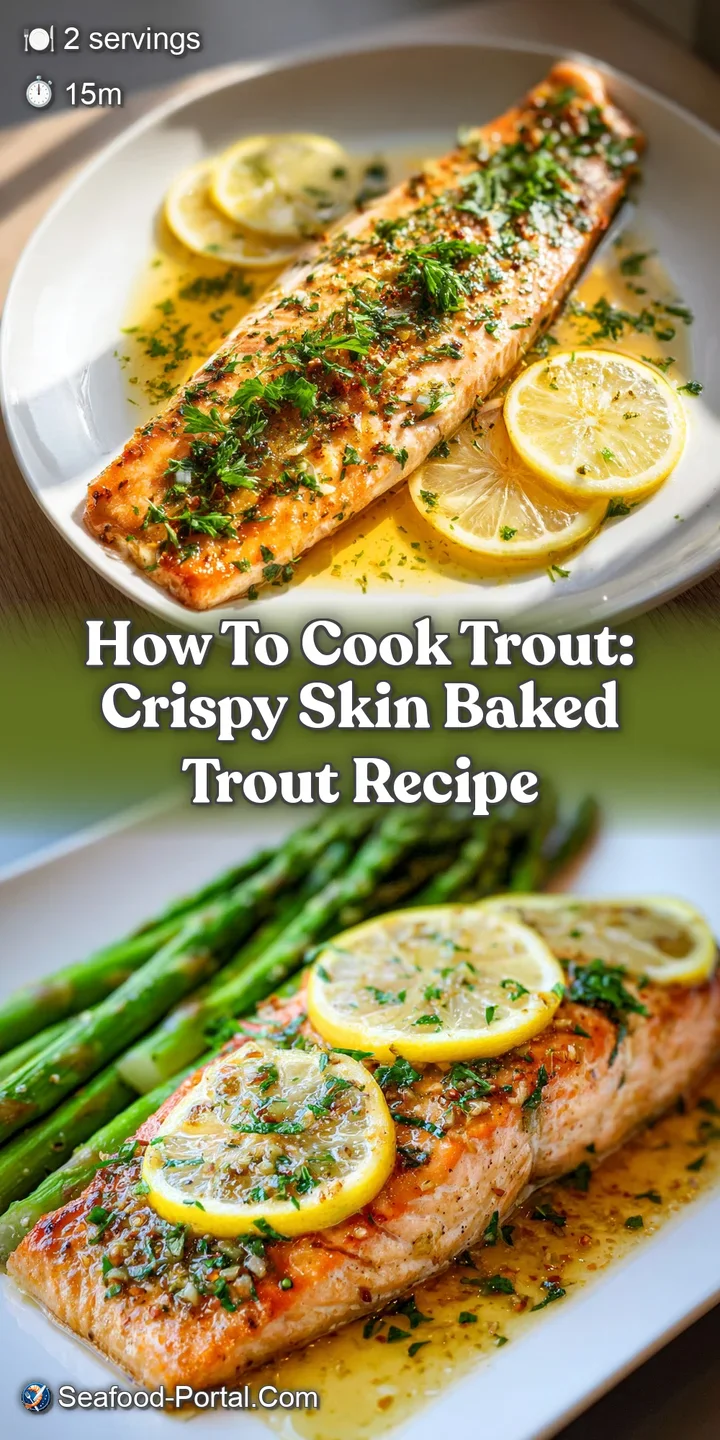
How to Cook Trout: Crispy Skin Method
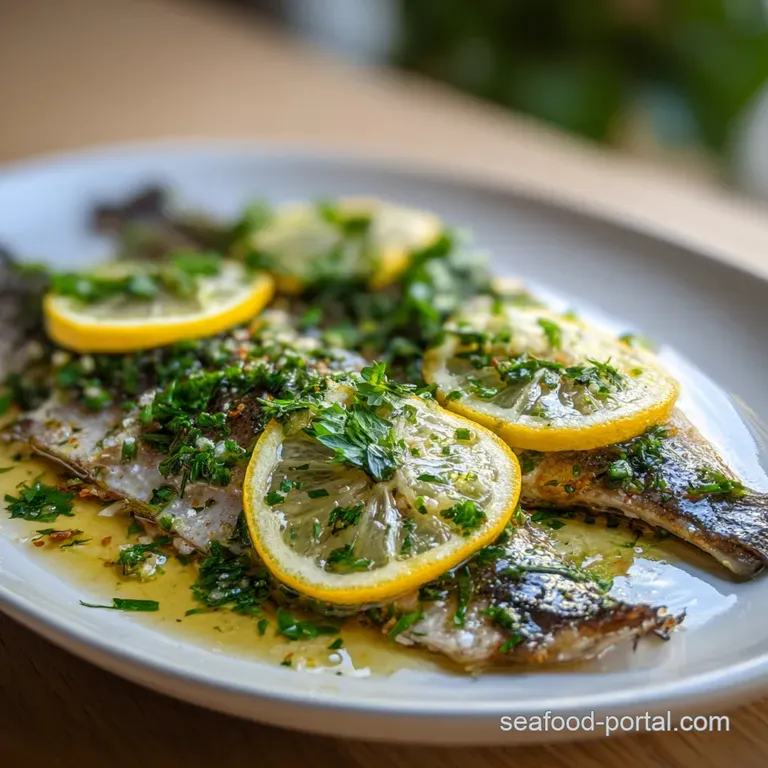
- Time: Active 5 minutes, Passive 10 minutes, Total 15 minutes
- Flavor/Texture Hook: Shatter crisp skin with buttery garlic finish
- Perfect for: Busy weeknights or impressive date nights
- Simple techniques for how to cook trout
- Vital stats for this speedy recipe
- Choosing the best fresh ingredients
- Vital tools for better results
- Searing the fish step by step
- Fixing common kitchen mistakes
- Adjusting for more guests
- Common trout misconceptions
- Storage and zero waste tips
- Best side dish pairing ideas
- Recipe FAQs
- 📝 Recipe Card
Simple techniques for how to cook trout
The high pitched sizzle hitting the heavy cast iron skillet is a sound I’ll never get tired of. When that first fillet touches the shimmering oil, the aroma of sea salt and heat fills the kitchen, promising a texture that bridges the gap between a velvety center and a skin that crackles like parchment.
I remember the first time I tried this at home; I was terrified of the fish sticking to the pan and ending up with a shredded mess. But once I heard that rhythmic pop of the skin crisping up, I knew I’d stumbled onto something special.
Learning how to cook trout changed my Tuesday nights forever because it’s faster than ordering a pizza and infinitely more satisfying. We often overthink seafood, treating it like a fragile science experiment, but it’s really about confidence and a very hot pan.
Trust me on this, once you see those edges turn opaque and golden, you’ll realize that high-quality fish doesn't need a complicated roadmap - just a bit of heat and some good butter. Let's crack on with what makes this specific approach work every single time.
Vital stats for this speedy recipe
The Physics of the Shatter Crust: Extreme heat causes rapid evaporation of moisture in the skin, which creates air pockets that harden into a brittle, crunchy texture.
This thermal barrier simultaneously insulates the delicate protein of the trout, preventing the internal fibers from tightening and becoming tough.
- Thermal Shock Control: Drying the skin with paper towels is non negotiable for that immediate sear.
- Butter Basting Timing: Adding the unsalted butter only at the very end prevents the milk solids from burning while infusing the fish with a nutty aroma.
- Residual Heat Wisdom: Pulling the fish off the heat just before it looks "done" allows the carryover temperature to finish the job without drying it out.
- Aromatic Layering: Mincing the garlic fresh ensures the essential oils are at their peak when they hit the hot fat.
| Fillet Thickness | Internal Temp | Rest Time | Visual Cue |
|---|---|---|---|
| 1.5 cm | 60°C | 2 minutes | Flesh flakes with a fork |
| 2 cm | 63°C | 3 minutes | Center loses its translucency |
| 2.5 cm | 63°C | 3 minutes | Skin sounds hollow when tapped |
When you are looking for a slightly different vibe, the technique in my Crispy Skin Rainbow recipe offers a great comparison for mastering that brown butter finish. The key is always in the timing of the fat.
Choosing the best fresh ingredients
| Ingredient | Science Role | Pro Secret |
|---|---|---|
| Rainbow Trout | Delicate protein | Buy skin on for structural integrity during the over high heat sear. |
| Unsalted Butter | Flavor emulsion | Use unsalted to control the seasoning precisely during the final basting. |
| Lemon Zest | Acidic brightness | Add zest at the end to keep the citrus oils from turning bitter. |
- 2 Rainbow Trout Fillets (155g each): Look for firm flesh and a vibrant, silvery skin. Why this? The skin to flesh ratio is ideal for achieving maximum crunch without overcooking the center.
- Substitute: Arctic Char. It has a similar fat content and thin skin that crisps beautifully.
- 1/2 tsp Fine Sea Salt: Essential for drawing out surface moisture. Why this? Finer grains dissolve faster, ensuring even seasoning across the entire fillet surface.
- Substitute: Kosher salt. It provides a similar clean saltiness but use slightly more by volume.
- 1/4 tsp Cracked Black Pepper: Adds a subtle heat and earthy depth. Why this? Freshly cracked pepper has volatile oils that bloom when hitting the hot oil.
- Substitute: White pepper. It offers a more floral heat without the dark flecks on the fish.
- 2 tbsp Unsalted Butter: Provides the velvety mouthfeel and nutty finish. Why this? Butter helps the aromatics stick to the fish during the final basting phase.
- Substitute: Ghee. It has a higher smoke point and a deeper, caramelized flavor profile.
- 1 tbsp Extra Virgin Olive Oil: The primary fat for the initial over high heat sear. Why this? It handles the heat better than butter and prevents sticking during the first few minutes.
- Substitute: Avocado oil. Excellent for even higher heat cooking due to its high smoke point.
- 3 cloves Garlic: The aromatic backbone of the pan sauce. Why this? Fresh garlic is more pungent and sweet than the pre minced jarred versions.
- Substitute: Shallots. They offer a milder, sweeter onion garlic hybrid flavor that's quite sophisticated.
- 1 tsp Lemon Zest: Cuts through the richness of the butter and fish fats. Why this? The zest contains the aromatic oils without the diluting liquid of the juice.
- Substitute: Orange zest. It adds a surprising floral sweetness that pairs exceptionally well with trout.
- 1 tbsp Fresh Parsley: Adds a clean, grassy finish and a pop of color. Why this? Flat leaf parsley holds its flavor better under the heat of the finishing butter.
- Substitute: Fresh dill. It is a classic pairing for trout, offering a more punchy, herbal note.
Vital tools for better results
Having the right gear makes the difference between a stressful kitchen experience and a smooth one. I highly recommend using a heavy bottomed skillet, such as a cast iron (like Lodge) or a tri ply stainless steel pan. These materials hold onto heat, meaning the pan won't cool down the second the cold fish touches it.
This constant temperature is exactly how to cook trout so the skin sears rather than steams.
You will also want a flexible fish spatula. These are thinner and longer than standard spatulas, allowing you to slide right under the delicate skin without tearing it. If you use a thick plastic one, you risk mangling the fillet or, worse, losing that precious crispy skin to the bottom of the pan.
A small spoon is also vital for the basting stage, where you'll be showering the fillets in hot, garlic infused butter.
Searing the fish step-by-step
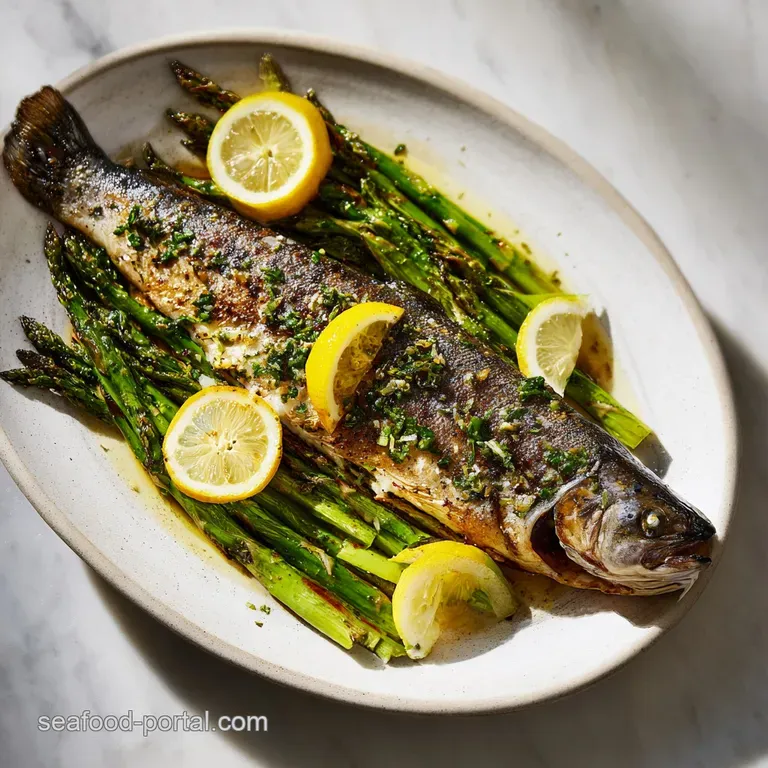
Phase 1: Preparation and Drying
- Dry the fillets. Use paper towels to pat the skin and flesh sides of the trout completely dry. Note: Surface moisture is the enemy of a crispy sear.
- Season the trout. Sprinkle the 1/2 tsp sea salt and 1/4 tsp black pepper over both sides of the fish. Note: Salt helps break down surface proteins for a better crust.
Phase 2: Heat Management and Searing
- Heat the pan. Place your skillet over medium high heat and add 1 tbsp extra virgin olive oil. Wait until the oil is shimmering and wisps of smoke appear.
- Place the fish. Lay the trout fillets in the pan, skin side down, pressing gently with a spatula for 5 seconds. Listen for a loud, aggressive sizzle.
- Sear the skin. Cook for about 4 minutes without moving the fillets until the skin is golden and releases easily from the pan.
Phase 3: The Final Butter Baste
- Flip the fillets. Carefully turn the trout over to the flesh side. Expect a vibrant, toasted color on the skin.
- Add the aromatics. Drop the 2 tbsp unsalted butter and 3 cloves minced garlic into the pan. The butter should foam immediately and smell nutty.
- Baste the fish. Tilt the pan and use a spoon to pour the foaming garlic butter over the skin for 2 minutes until the garlic is fragrant and the fish is opaque.
- Finish the dish. Remove from heat and sprinkle with 1 tsp lemon zest and 1 tbsp fresh parsley. The aroma of lemon and herbs should be bright and fresh.
- Rest and serve. Transfer to plates and let rest for 2 minutes to allow the juices to redistribute through the flaky flesh.
For those nights when you want something even faster, my Pan Seared Trout with recipe focuses on a slightly more herb forward approach that is just as easy to master.
Fixing common kitchen mistakes
Avoiding a Fishy Scent
If your trout smells overly "fishy" before it even hits the pan, it’s likely a sign of oxidation. Fresh trout should smell like clean water or nothing at all. To fix this with store-bought fillets, you can soak them in cold milk for 10 minutes before drying and seasoning.
The proteins in the milk bind to the trimethylamine (the compound responsible for the smell) and wash it away.
Preventing Rubberiness or Toughness
Trout is lean, which means it can go from perfect to rubbery in a matter of 60 seconds. This usually happens if the heat is too low for too long, causing the moisture to leak out slowly rather than being trapped by a quick sear. Always ensure your pan is preheated properly.
If you see the white "albumen" (protein) leaking out of the sides in large amounts, you've gone a bit too far with the heat or time.
| Problem | Root Cause | Solution |
|---|---|---|
| Skin is soggy | Surface was wet | Pat dry with paper towels until the towel comes away bone dry. |
| Meat is dry | Cooked too long | Pull the fish off the heat at 60°C; carryover cooking will do the rest. |
| Garlic is bitter | Burnt in pan | Add garlic only in the last 2 minutes when the pan has cooled slightly. |
- ✓ Always pat the skin completely dry before it touches the oil.
- ✓ Use a heavy pan that retains heat for a consistent sear.
- ✓ Don't move the fish for the first 3 minutes to allow the crust to form.
- ✓ Baste with butter only at the very end to prevent burning.
- ✓ Let the fish rest before serving to keep the interior moist.
Adjusting for more guests
Scaling this recipe is straightforward, but you have to watch the pan space. If you are doubling the recipe to serve four, don't try to cram four fillets into one standard skillet. Overcrowding drops the temperature of the oil instantly, which leads to steaming rather than searing.
Work in batches or use two separate pans to maintain that over high heat environment.
When scaling up, you don't necessarily need to double the salt and spices perfectly. Start with 1.5 times the amount and adjust to taste, as spices can become overwhelming in larger volumes. For the butter basting, stick to the original ratios per batch so each fillet gets that velvety finish without becoming greasy.
Common trout misconceptions
Many people believe that you must remove the skin before cooking to avoid a "fishy" taste. In reality, the skin acts as a protective layer that keeps the meat moist and provides a wonderful textural contrast.
When cooked properly at high heat, the fat in the skin renders out, leaving only a crisp, savory layer that is arguably the best part of the dish.
Another myth is that trout should be cooked like salmon. While they are related, trout fillets are generally much thinner. If you cook a trout fillet for the same amount of time you’d cook a thick king salmon steak, you’ll end up with something resembling cardboard.
Trout requires a "fast and hot" approach rather than the "low and slow" method often used for thicker fish.
Storage and zero waste tips
Store any leftover trout in an airtight glass container in the fridge for up to 2 days. To reheat without ruining the texture, avoid the microwave at all costs. Instead, place the fillets in a cold pan with a teaspoon of water, cover with a lid, and heat over medium low for 3-4 minutes.
This steams the fish gently without drying it out, though the skin will lose its initial crunch.
For zero waste, save any leftover scraps of cooked trout to make a quick breakfast. Flake the fish and fold it into a soft scramble or an omelet with some chives. If you have the skin left over, you can actually chop it up and use it as a "bacon bit" style topping for a salad.
If you bought a whole fish and have the bones, they make an incredible light stock for a seafood risotto.
Best side dish pairing ideas
This buttery, garlicky trout needs something bright or starchy to balance the richness. A simple bed of jasmine rice or some smashed baby potatoes works wonders for soaking up that extra garlic butter from the pan.
If you're looking for something lighter, a quick arugula salad with a sharp lemon vinaigrette provides a peppery contrast that cuts right through the fat of the fish.
If you have extra fish or find yourself with leftover fillets that you don't want to reheat plain, consider turning them into a crispy snack. The base flavors here are perfect for making my Homemade Fish Cakes recipe, which uses similar aromatics and provides a completely different texture for the next day's lunch.
For a Mediterranean Profile
To give this a different flair, swap the parsley for fresh oregano and add a handful of halved cherry tomatoes and Kalamata olives to the pan during the butter basting phase. The tomatoes will blister and release their juices, creating a light, chunky sauce that feels like a trip to the coast.
dairy-free Substitutions
If you're avoiding dairy, you don't have to miss out on the basting experience. Use a high-quality vegan butter or simply stick with the olive oil, but add a splash of white wine at the very end. The wine will emulsify with the oil and lemon zest, creating a silky "beurre blanc" style sauce without the actual butter.
Just make sure to let the wine reduce by half so the flavor isn't too sharp.
Recipe FAQs
What is the best method of cooking trout?
Pan-searing is arguably the best method. This technique achieves shatteringly crisp skin while the quick, high heat keeps the delicate flesh moist and flaky underneath.
Is it better to bake or pan fry trout?
Pan-frying is superior for texture contrast. Baking is convenient for larger quantities, but pan-frying ensures you can develop a highly textured crust which is harder to achieve in the oven.
What seasoning is good for trout?
Simple salt, pepper, and fresh aromatics work best. Trout pairs beautifully with bright acid, like lemon zest, and herbaceous notes like parsley, allowing the fish flavor to shine through.
What makes trout taste good?
Crisp skin and controlled internal temperature make trout taste exceptional. The best flavor comes from rendering the fat under the skin while keeping the internal flesh moist around 60°C.
How do I prevent the trout skin from sticking to the pan?
Ensure the oil is shimmering hot and never move the fish for the first three minutes. A completely dry skin surface is critical to forming an immediate sear barrier.
Can I substitute trout with another fish in a pan-searing recipe?
Yes, but adjust your cooking time based on thickness. Thin, skin-on white fish like snapper work similarly, but if you were looking for a darker meat comparison, see how we manage high heat searing in our How to Cook recipe.
What is the secret to achieving restaurant quality pan-seared fish?
The secret is finishing the cook time off-heat using aromatic butter basting. Tossing in butter, garlic, and herbs at the end allows the fish to absorb flavor while carryover heat gently finishes the cooking process.
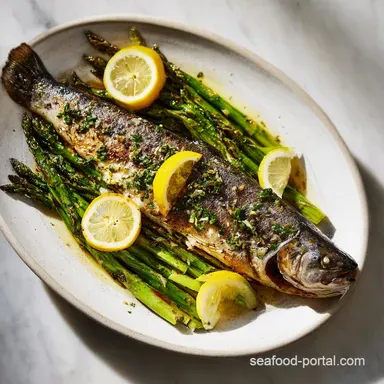
Quick Baked Trout Fillets
Ingredients:
Instructions:
Nutrition Facts:
| Calories | 398 kcal |
|---|---|
| Protein | 31.5 g |
| Fat | 26.7 g |
| Carbs | 1.4 g |
| Fiber | 0.2 g |
| Sugar | 0.1 g |
| Sodium | 618 mg |
