Lobster Bisque: the Quintessential Proper French Classic
- Mastering the Classic: What Defines a Proper French Lobster Bisque
- The Alchemy of Flavor: Why This Lobster Bisque Recipe Delivers Maximum Depth
- Sourcing the Essentials: A Complete Guide to Lobster Bisque Ingredients
- Essential Ingredient Notes and Preparation Strategies
- Phase I: Creating the Concentrated Essence (The Lobster Stock Base)
- Phase II: Blending, Straining, and Finishing the Bisque
- Troubleshooting and Advanced Chef's Tips for Perfect Lobster Bisque
- Serving and Storage Protocols for Fine Dining at Home
- Recipe FAQs
- 📝 Recipe Card
Mastering the Classic: What Defines a Proper French Lobster Bisque
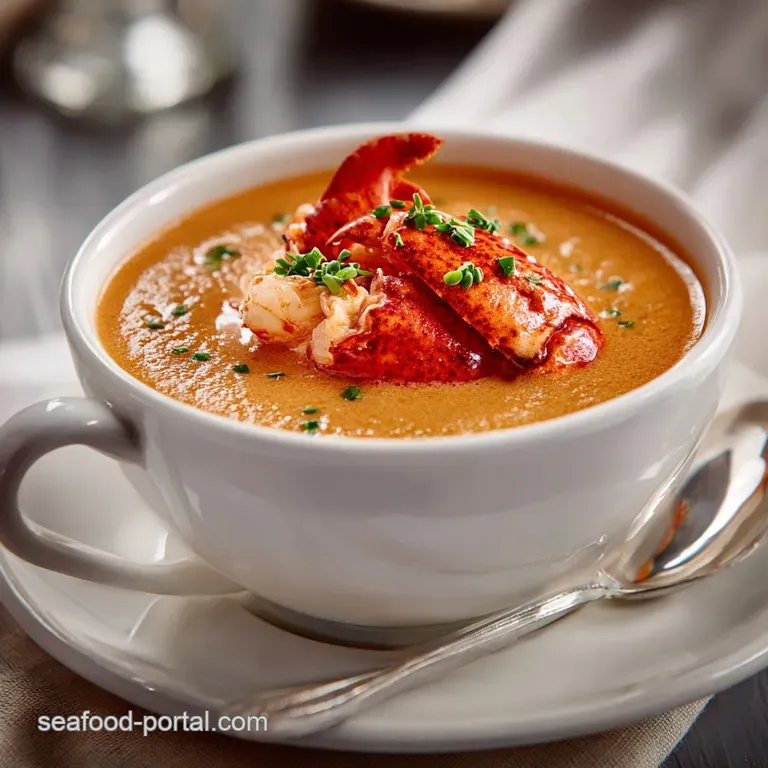
Imagine the deepest, warmest red-orange colour shining in the bowl, giving off that rich, heady aroma of sea salt, sweet Cognac, and heavy cream. This isn't just a basic soup you whip up on a Tuesday; this is Lobster Bisque, and it feels like a hug from the ocean.
The defining characteristic is its unbelievable texture. It must be velvety smooth, clinging to the back of your spoon without a hint of graininess, achieving that luxurious "velouté" finish.
Let's be real, a lot of people think making a classic Lobster Bisque Recipe at home is impossible or requires Gordon Ramsay levels of shouting. I used to think that too. But honestly, it’s mostly just patience and respecting the steps it's surprisingly budget friendly if you focus on shells and structure, turning kitchen scraps into liquid gold.
It’s the ultimate way to bring restaurant quality decadence to your own dining room without the massive bill.
We are going deep into the heart of a proper French Bisque today, focusing entirely on maximum flavour extraction from those gorgeous red shells. Forget those thin, watery attempts you’ve had elsewhere.
We're building serious depth through roasting, deglazing, and the crucial step of triple straining, ensuring you get the most exquisite, flavourful soup possible.
The Alchemy of Flavor: Why This Lobster Bisque Recipe Delivers Maximum Depth
This recipe isn't complicated, but it is sequential. The reason it tastes so intensely of lobster, not just cream, comes down to a few fundamental culinary rules that we absolutely cannot skip.
We are layering flavour upon flavour, ensuring nothing is left behind, especially the subtle oils hidden in the shell structure.
The Essential Difference Between Bisque and Cream Soup
Most creamy soups start with stock and finish with dairy. A true bisque, however, is a classic French technique that uses the main ingredient’s shells (or bones) to create its primary thickening and flavour profile.
Historically, bisques were thickened using rice or ground-up shellfish shells that were pureed into the base, giving it a unique, slightly sticky texture that’s heavier than a typical cream soup. We use rice here to achieve that traditional, silky mouthfeel.
The Role of the Rôti (Roasting the Shells for Maillard Reaction)
This is the single most important step for flavour depth. Roasting the shells (the rôti ) caramelizes the remaining proteins and sugars clinging to them, creating the Maillard reaction. This process takes the flavour from light and "fishy" to dark, savoury, and deeply complex.
Never skip roasting the shells.
Navigating the Medium Hard Difficulty: Time Investment vs. Reward
I rate this recipe Medium (Approaching Hard) because of the time commitment involved, not the complexity of the knife work. You need to respect the reduction time, and the straining process demands patience.
You spend about 45 minutes actively cooking, but the payoff that incredible, concentrated lobster essence is worth every single minute of quiet simmering.
The Triple Extraction Technique: Shells, Fat, and Stock
We are maximizing flavour via three different routes: first, sautéing the shells in fat (butter/oil) to infuse the foundation; second, the deglazing with alcohol extracts the browned bits; and third, the long, slow simmer draws out the remaining flavour into the stock.
This "triple extraction" method guarantees deep, rich flavour far superior to simply boiling the shells.
Building the Foundation: The Searing and Deglazing Process with Cognac
Once the shells are roasted, we add them to the pot with tomato paste and mirepoix (onions, carrots, celery). The tomato paste cooks down and turns brick red, deepening the colour and umami.
When we add the Cognac, it dissolves all those delicious brown bits stuck to the pan, releasing them back into the soup base. That splash of brandy adds complexity and a beautiful, nutty aroma that defines a Proper French Lobster Bisque.
Achieving Velouté: The Perfect Ratio of Fat, Flour, and Cream
While some bisques use a roux (fat and flour), we rely on the pureed rice to handle the thickening duties. The velouté is achieved by carefully combining the heavily concentrated strained stock with high-quality heavy cream at the very end.
The high fat content of the cream binds with the flavourful oils in the stock, creating that signature rich, luxurious consistency we’re aiming for.
Sourcing the Essentials: A Complete Guide to Lobster Bisque Ingredients
You don't need dozens of random ingredients to make a great lobster bisque, but the ones you use need to be quality. We’re building our flavour profile on the backbone of good aromatics, concentrated tomato, and rich dairy. Sourcing those shells is paramount.
Essential Ingredient Notes and Preparation Strategies

Choosing the Best Lobster: Live vs. Frozen Tails for Meat
Ideally, you use two medium whole lobsters, allowing you to utilize both the body shell and any raw coral (roe) for maximum flavour and color. If using frozen tails for the meat, make sure you source good quality, large shells separately from a fishmonger. Remember, the shells are the star of this bisque, not just the meat. If you need inspiration for the reserved meat, you can always use some to make my Garlic Butter Lobster Tails: Restaurant Quality Broiled in 10 Mins alongside the soup.
The Aromatic Base: Mirepoix and Bouquet Garni Notes
The mirepoix (onion, carrot, celery) is the unsung hero, providing foundational sweetness and balance. Don't worry about chopping them finely; they are going to be blended later anyway. We use a simple bouquet garni of thyme and bay leaves.
I once made the mistake of adding fresh dill, thinking "more herbs equals better." It just made the soup taste like a creamy pickle. Stick to thyme and bay leaf for authenticity.
The Role of Rice, Tomato Paste, and Cognac in Thickening and Flavor
We use a bit of Arborio or long grain rice here primarily as a natural thickener. It releases starch during the long simmer, which purees beautifully without the need for a separate flour roux. The tomato paste adds acidity and depth, deepening the colour from pale pink to that rich, reddish orange.
Cognac is traditional; it provides complexity and essential aromatics.
Shell Preparation: Maximizing Surface Area for Extraction
After cooking and removing the meat, you must crush the remaining shells into small, manageable pieces. This is critical. Think golf ball size or smaller. More surface area means more exposure to the heat, the fat, and the deglazing agents, leading to maximum flavour extraction.
Replacing or Adjusting the Brandy/Cognac
No Cognac hanging around? No problem.
| Ingredient Needed | Viable Substitution | Notes |
|---|---|---|
| Cognac or Brandy | Dry Sherry or Madeira Wine | Use equal amounts. They offer similar depth and nutty notes. |
| Heavy Cream | Half and Half (for lighter texture) | You may need to use a small flour/butter roux if opting for a lower fat dairy. |
| Fish Stock | Quality Vegetable Stock or Water | Water will be thinner; you may need a slightly longer reduction time. |
Troubleshooting Saltiness from Concentrated Stock
If you are using store-bought fish stock, make sure it is low-sodium, or dilute it slightly. As the bisque reduces over an hour, the liquid will concentrate, and any existing salt will intensify. It is always better to under salt the stock base and adjust only at the very end after the cream has been added.
Phase I: Creating the Concentrated Essence (The Lobster Stock Base)
This initial stage is where we build the deep, earthy foundation that elevates this recipe above simple cream soups. Patience is your best friend here.
Step 1: Par-Boiling and Shelling the Lobster Parts
We start by quickly cooking the lobster, usually steaming or briefly boiling, just enough to make the meat easy to extract. This retains moisture and flavour in the meat. The meat should be removed immediately, chopped, and set aside it is only incorporated right before serving.
The shells are then brutally crushed.
Step 2: The Critical Roasting and Deglazing of the Shells
Preheat that oven! Toss your crushed shells with olive oil and roast them until they turn fragrant and slightly charred around the edges. This roasting step is non-negotiable for maximum flavour depth. Then, transfer them to your stockpot, add the tomato paste and aromatics, and follow up with the Cognac.
If you feel comfortable, carefully light the alcohol to burn off the sharp edges (flambé). If not, just allow it to simmer vigorously for 3 minutes until the alcohol smell dissipates.
Step 3: Long, Slow Simmering for Deep Infusion
Add your wine, let it reduce slightly, then pour in the stock, rice, and herbs. Bring everything to a gentle simmer never a rolling boil. Boiling hard can emulsify fats too quickly, leading to a cloudy base. Cover it partially and let it go for 45 to 60 minutes.
Phase II: Blending, Straining, and Finishing the Bisque
This is the phase that separates the novice cook from the bisque master. We’re looking for silkiness, not chunks.
Refining the Texture: Utilizing the Shell Solids for Blending
Once the simmering time is up, remove the whole herbs (thyme sprigs and bay leaves). Now, using a high speed blender or immersion blender, blend the entire contents of the pot shells and all into a thick, reddish, sludgy puree.
This action grinds the rice and extracts the final flavour and colour particles from the shells.
The Double Strain Process: Achieving Pure Silkiness
This is the most critical step for that velvety texture. Set a very fine mesh sieve (a chinois is ideal) over a clean pot. Ladle the blended mixture in batches, using the back of a sturdy ladle to press firmly against the solids.
You must extract every drop of liquid and the delicious, flavour infused oil. For perfection, repeat this process, pouring the strained liquid through a sieve lined with cheesecloth or a clean paper towel.
Chef's Note: If your strained bisque base is extremely oily, let it rest for five minutes. Skim the excess clear butter/oil fat off the top with a spoon. This keeps the finished bisque from tasting too heavy or greasy.
Integrating the Finishing Agents (Roux, Cream, and Meat)
Return the super concentrated, strained liquid to the stove and bring it to a gentle simmer. Reduce it for about 15 minutes to reach your desired thickness. Remove it completely from the heat before stirring in the heavy cream and seasoning with salt and white pepper. Fold in the reserved chopped lobster meat right before serving, ensuring the meat is heated through but not overcooked. If you happen to have any leftover bisque, it makes an incredible base for a quick meal like this Lobster Bisque Pasta Recipe: Restaurant Quality Creamy Tagliatelle .
Troubleshooting and Advanced Chef's Tips for Perfect Lobster Bisque
Common Mistake: Boiling the Stock Too Hard (Causing Cloudiness)
If you boil the stock base vigorously, especially once the aromatics and fats are added, you risk emulsifying the fats unevenly. This leads to a cloudy, greyish stock base instead of a clear, bright red one. Always maintain a gentle simmer; low and slow is the way to go.
How to Adjust Viscosity (Too Thin vs. Too Thick)
If the bisque is too thin even after adding the cream, you have two options: either simmer it gently, uncovered, for another 10– 15 minutes to reduce the liquid further, or, if you are impatient, whisk a tiny cornstarch slurry (1 tsp cornstarch mixed with 1 Tbsp cold water) into the simmering bisque.
If it’s too thick, simply whisk in a splash of warm fish stock or heavy cream until the desired consistency is reached.
Preventing the Cream from Splitting During Reheating
Dairy is temperamental. Never reheat cream soups quickly or over high heat. Always use a gentle, low simmer and stir frequently. If you stored the bisque in the fridge, bring it to room temperature for 30 minutes before gently reheating it on the stove.
This prevents the shock that causes the fat and liquid to separate.
Serving and Storage Protocols for Fine Dining at Home
Recommended Garnishes and Presentation Techniques
The bisque itself is rich and visually stunning, so keep the garnishes simple. I always use a tiny drizzle of truffle oil (just a few drops, don’t overpower the lobster), a small mound of finely chopped reserved lobster meat, and a dusting of fresh chives or finely chopped parsley for colour contrast.
A tiny pinch of paprika can also enhance the rich colour.
Freezing and Reheating Lobster Bisque Safely
But does it freeze well? You bet, but with a caveat . Cream based soups have a tendency to become grainy after being frozen and thawed. To avoid this, freeze the bisque base before adding the heavy cream.
Thaw the base overnight in the fridge, reheat gently, and then whisk in the cream right before serving. It will keep in the freezer for up to 3 months. The finished bisque, once cream is added, is best kept in the fridge for only 3 4 days.
The Ideal Wine and Bread Pairings
Because this soup is so intensely rich and complex, you need something that can stand up to it without fighting the cream. A highly acidic, crisp white wine is essential to cut through the richness. Think an Oaked Chardonnay, a White Burgundy, or even a robust dry Rosé. Pair it with thick slices of garlic bread or a simple, crusty baguette for dipping. Sometimes, if I'm feeling extra fancy, I serve the bisque as a starter before diving into my Creamy Lobster Pot Pie: Ultimate Luxe Comfort Food Recipe !

Recipe FAQs
Why is my bisque thin and watery instead of velvety and rich?
This issue often stems from not adequately reducing the stock or insufficiently cooking the flour based roux. Ensure the lobster stock simmers down significantly to concentrate the flavors before straining.
If the soup is finished and still too thin, try gently whisking in a cornstarch slurry (mixed with cold water) and heating until thickened.
Is it essential to roast the lobster shells before making the stock?
Yes, roasting the shells is crucial for achieving the deep, rich flavor and the characteristic orange red color associated with authentic French bisque. The caramelization dramatically intensifies the savory depth and ensures every bit of essence is extracted.
Skipping this step results in a pale, less flavorful final product.
Can I substitute frozen or pre-cooked lobster meat for fresh lobster?
While you can use pre-cooked or frozen meat for the final garnish, the shells, heads, and raw remnants are absolutely necessary for building the intensely flavored stock base. If sourcing whole, raw lobster is difficult, you must at least find raw shells to create the foundation of the bisque.
How should I store leftover Lobster Bisque, and can I freeze it?
Store leftover bisque in an airtight container in the refrigerator for up to 3 days. Freezing bisque is generally not recommended because the high dairy content (heavy cream) tends to separate and become grainy upon thawing, ruining the luxurious texture.
What is the purpose of adding Cognac (or brandy) to the base?
Cognac is a traditional addition that elevates the flavor profile by cutting through the richness and adding a subtle, complex aromatic sweetness. It is used to deglaze the pot, picking up all the savory browned bits from the roasted shells, which are essential for flavor depth.
I am avoiding alcohol. Can I omit the Cognac completely?
You can omit the Cognac without ruining the bisque, but you will lose some of the signature complexity. To compensate, use a splash of dry sherry vinegar or substitute the alcohol volume with extra dry white wine (ensuring the wine cooks off completely) or use a strong chicken stock instead.
My bisque tastes slightly bitter. What went wrong?
Bitterness usually indicates that the lobster shells or the aromatics (like onions or carrots) were scorched during the initial roasting process. It can also occur if the tomato paste was burned onto the bottom of the pot before the liquid was added to the base.
If this happens, try adding a pinch of sugar to balance the bitterness, though it cannot fully reverse the flavor.
Proper French Lobster Bisque Soup

Ingredients:
Instructions:
Nutrition Facts:
| Calories | 500 calories |
|---|---|
| Fat | 35 g |
| Fiber | 2 g |
