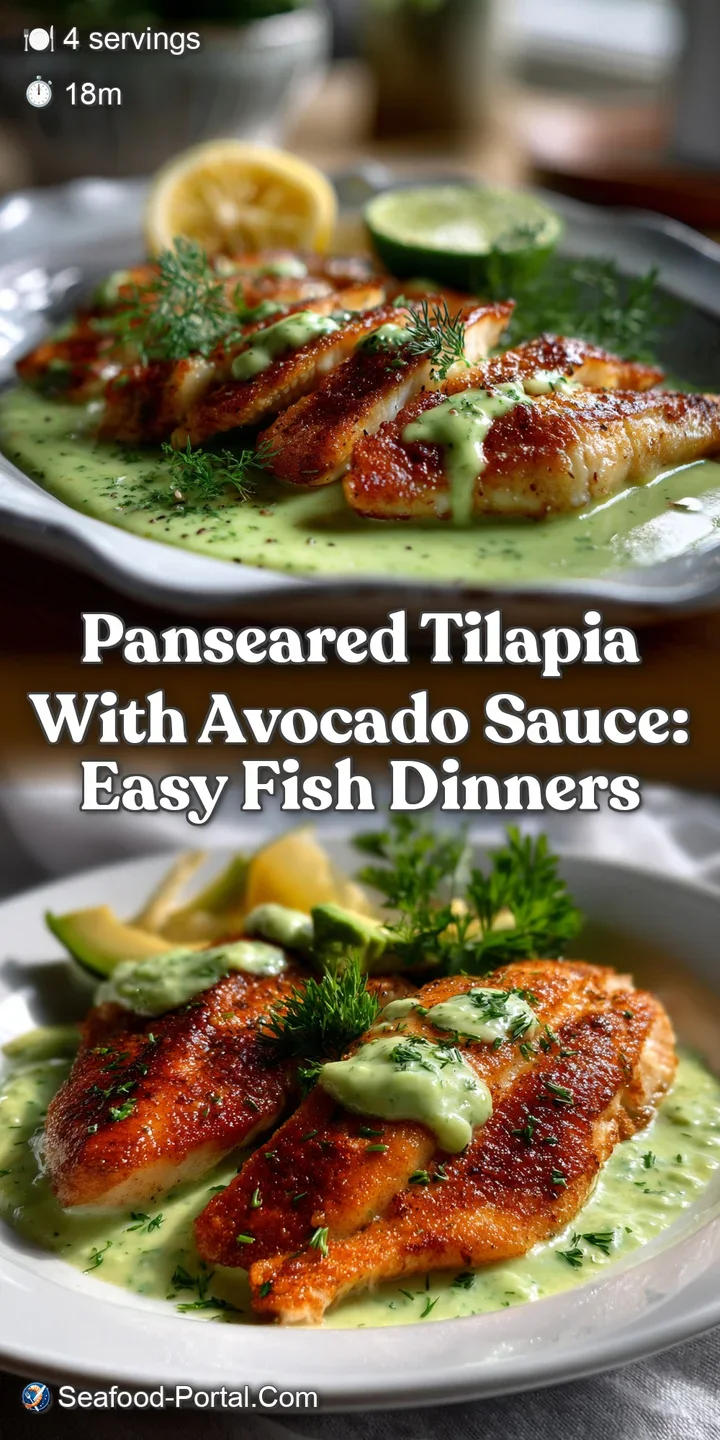
Panseared Tilapia with Avocado Sauce | Low-Effort Dinner
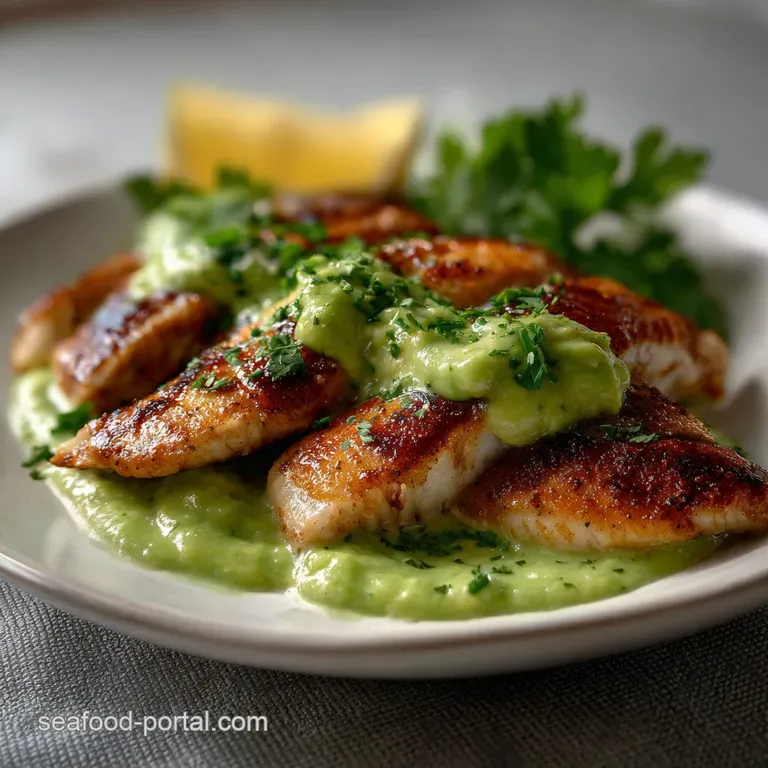
- Effort/Time: Low-effort, 18 minute execution
- Flavor Hook: Smoked-paprika-char meets velvety, lime-brightened lipids
- Perfect for: High-protein, keto-friendly weeknight recovery meals
- The Molecular Magic of over High heat Searing
- Precision Logistics for an Eight-Minute Culinary Execution
- The Alchemy of Elements: Selecting Your Components
- Thermal Mass Mastery: Tools for High-Performance Cooking
- The Technical Protocol for a Flawless Pan Sear
- Troubleshooting Texture Failures and Solving Culinary Friction
- Creative Flavor Architecture and Modular Ingredient Swaps
- ⚗️ The Scaling Lab: The Physics of Quantity
- Preservation Protocols and Zero-Waste Kitchen Philosophies
- Curating the Plate: Sensory Pairings and Texture
- Recipe FAQs
- 📝 Recipe Card
There is nothing more frustrating than watching a beautiful piece of fish transform into a mangled, grey pile of mush because it fused to the bottom of your pan. I’ve stood over a Lodge Cast Iron Skillet, scraping away what was supposed to be a "crispy" dinner, feeling the sting of wasted time and ruined appetite.
That technical failure usually stems from two culprits: insufficient thermal energy and premature agitation.
I spent years overcooking white fish, fearing the dreaded "underdone" center, only to end up with protein that had the texture of wet cardboard. It wasn't until I stopped hovering over the stove and started trusting the physics of protein denaturation that I finally mastered the PanSeared Tilapia with Avocado Sauce.
I learned that the secret to that golden, mahogany colored crust isn't more oil; it's the patience to let the Maillard reaction do its job before you ever touch the spatula.
The breakthrough for this PanSeared Tilapia with Avocado Sauce came when I realized the interplay between the dry heat of the sear and the cool, acidic emulsion of the sauce. By utilizing the 1/4 cup Plain Greek yogurt as a stabilizing agent for the avocado, we create a sauce that won't "break" or turn watery on the plate.
The result is a contrast of a shattering exterior and a velvety finish that makes every bite feel intentional rather than accidental.
The Molecular Magic of over High heat Searing
Understanding the chemistry of your Pan-Seared Tilapia with Avocado Sauce is the difference between a home cooked meal and a professional plate. This recipe works because it balances the structural fragility of the fish with the chemical stability of the sauce.
- Maillard Reaction Synergy: The 1 tsp Smoked paprika and 1/2 tsp Garlic powder act as catalysts for browning, creating complex flavor molecules as amino acids react with reducing sugars at 285°F (140°C).
- Protein Denaturation Control: Tilapia’s collagen breaks down rapidly; over high heat searing for 3 4 minutes per side ensures the exterior firms up before the internal moisture can escape.
- Lipid Emulsification: The 1 Large ripe Avocado combined with 1/4 cup Plain Greek yogurt creates a permanent emulsion, where yogurt proteins coat fat droplets to prevent separation.
- Acidic Brightening: 2 tbsp Fresh lime juice lowers the pH of the sauce, which not only prevents avocado oxidation (browning) but also cuts through the fatty mouthfeel of the tilapia.
- Aromatic Diffusion: Mincing the 1 clove Garlic increases surface area, allowing the allicin to bloom instantly when hit with the steam from the blended sauce.
Precision Logistics for an Eight Minute Culinary Execution
Managing the PanSeared Tilapia with Avocado Sauce requires tight timing to ensure the fish doesn't cool before the sauce is ready. Thermal mass management is key here; you want the fish served the moment it hits its peak internal temperature.
| Metric | Value |
|---|---|
| Total Execution Time | 18 minutes |
| Active Searing Window | 8 minutes |
| Pre-Processing (Mise en Place) | 10 minutes |
| Optimal Serving Temperature | 145°F (Internal) |
| Yield | 4 Protein Dense Servings |
This Pan-Seared Tilapia with Avocado Sauce is designed for speed without sacrificing the technical integrity of the sear. If you are balancing multiple dishes, consider looking at a Mediterranean Fish Fillets recipe for similar quick cooking techniques that utilize different aromatic bases.
The Alchemy of Elements: Selecting Your Components
Every ingredient in this PanSeared Tilapia with Avocado Sauce serves a specific chemical or textural purpose. Using high-quality elements ensures the flavors are sharp rather than muddled.
- 4 Tilapia Fillets (6 oz each): Why this? Lean protein with low connective tissue, ideal for rapid over high heat denaturation.
- 1 tbsp Olive oil: Why this? High smoke point provides a thermal buffer between the Lodge Cast Iron Skillet and the fish.
- 1 Large ripe Avocado: Why this? Provides the monounsaturated fats necessary for a velvety, tongue coating mouthfeel.
- 1/4 cup Plain Greek yogurt: Why this? Act as a protein based emulsifier to stabilize the avocado fats and add tang.
- 2 tbsp Fresh lime juice: Why this? Citric acid prevents enzymatic browning and denatures surface proteins for flavor penetration.
- 1 tsp Smoked paprika: Why this? Adds particulate matter that aids in the visual development of the crust.
Ingredient Chemistry Breakdown
| Ingredient | Chemical/Physical Role (Science) | The Pro Secret (Why This Matters) |
|---|---|---|
| Sea Salt | Osmotic pressure regulation | Draws out surface moisture for a drier, crispier sear |
| Greek Yogurt | Lactic acid & protein emulsification | Prevents the sauce from breaking when hitting hot fish |
| Cracked Black Pepper | Piperine heat profile | Adds structural "bite" to the otherwise soft avocado texture |
| Fresh Cilantro | Volatile oil aromatic release | Provides a grassy contrast to the deep, smoky paprika |
Thermal Mass Mastery: Tools for High Performance Cooking
To achieve the "shatter" effect on the exterior of your PanSeared Tilapia with Avocado Sauce, your equipment must be capable of maintaining high heat even when the cold fish is added.
- Lodge Cast Iron Skillet: The high thermal mass prevents the temperature from plummeting, ensuring the fish sears rather than steams.
- Ninja Professional Blender or Food Processor: High speed blades are necessary to achieve the micro emulsion required for a truly velvety sauce.
- Fish Spatula (Metal): The thin, flexible edge allows you to slide under the tilapia's delicate protein structure without tearing the crust.
- Digital Instant Read Thermometer: Precision is non-negotiable; pulling the fish at exactly 140°F ensures carryover cooking brings it to a perfect 145°F.
The Technical Protocol for a Flawless Pan Sear
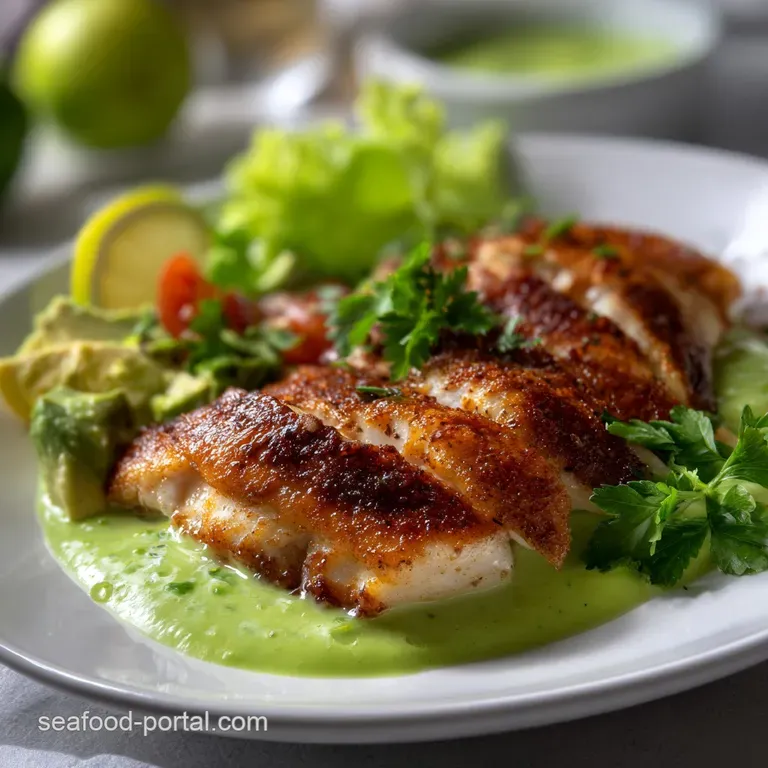
Follow these steps for the PanSeared Tilapia with Avocado Sauce with clinical precision. If you've ever struggled with sauces, learning How to Make recipe techniques for other emulsions can broaden your skillset.
- Pat 4 Tilapia fillets dry with paper towels until the surface is matte and moisture free. Note: Surface water creates steam, which prevents the Maillard reaction.
- Whisk 1 tsp Smoked paprika, 1/2 tsp Garlic powder, 1/2 tsp Sea salt, and 1/4 tsp Cracked black pepper in a small bowl.
- Dust the spice mix over both sides of the fillets until evenly coated with a fine red film.
- Heat 1 tbsp Olive oil in a Lodge Cast Iron Skillet over medium high heat until the oil shimmers and a faint wisp of smoke appears.
- Place fillets in the pan (away from you) and sear for 3 4 minutes until the bottom edges are opaque and mahogany colored.
- Flip carefully with a fish spatula and cook for 3 4 more minutes until the fish flakes easily with a fork and sizzle subsides.
- Combine 1 Avocado, 1/4 cup Plain Greek yogurt, 1/4 cup Cilantro, 2 tbsp Lime juice, 1 clove Garlic, 2 tbsp Water, and a pinch of salt/red pepper flakes in a blender.
- Pulse for 30 seconds, then blend on high until the sauce is glossy and completely smooth.
- Transfer the fish to plates immediately until the internal temp hits 145°F via carryover heat.
- Spoon the chilled sauce over the hot fillets until the vibrant green contrasts against the charred fish.
Troubleshooting Texture Failures and Solving Culinary Friction
Why Your Tilapia Sticks to the Pan
This is usually caused by "cold pan syndrome." If the oil isn't hot enough, the proteins bond to the metal rather than searing. On top of that,, if you try to flip the fish before the crust has formed, you will tear the delicate flesh.
| Problem | Root Cause | The Fix | Pro Protocol |
|---|---|---|---|
| Fish Tearing | Premature flipping | Wait for "natural release" | If it resists the spatula, give it 30 more seconds |
| Grey, Soggy Crust | Overcrowding the pan | Sear in two batches | Maintain 1 inch gaps between fillets for steam escape |
| Sauce is Grainy | Under ripe avocado | Use a high speed blender | Add 1 tsp warm water to help break down fibers |
Why Your Sauce Turns Brown
This is oxidation. The enzymes in the avocado react with oxygen. While the 2 tbsp Fresh lime juice helps, the best solution is to minimize surface area exposure.
Chef's Tip: If making the sauce 20 minutes ahead, press a piece of plastic wrap directly onto the surface of the sauce. This eliminates the oxygen gap and keeps the color vibrant green.
Creative Flavor Architecture and Modular Ingredient Swaps
The PanSeared Tilapia with Avocado Sauce is a versatile template. You can adjust the "with Avocado Sauce" component to fit your pantry.
| Original Ingredient | Substitute | Why It Works |
|---|---|---|
| Tilapia Fillets | Cod or Mahi Mahi | Similar lean structure; Cod is flakier while Mahi is heartier |
| Plain Greek Yogurt | Sour Cream | Similar acidity and fat; slightly less protein heavy |
| Fresh Lime Juice | Lemon Juice | Higher citric acid but lacks the floral notes of lime |
| Smoked Paprika | Chipotle Powder | Adds significant capsaicin heat while maintaining the smoke |
Dietary Swaps:dairy-free: Replace the Greek yogurt with 1/4 cup full fat coconut milk. Note: Adds a slight tropical sweetness and reduces the tang. Keto Max: Increase the olive oil to 2 tbsp for higher healthy fat macros.
⚗️ The Scaling Lab: The Physics of Quantity
When doubling this PanSeared Tilapia with Avocado Sauce, the rules of the kitchen change. You cannot simply double the heat.
- The Evaporation Paradox: If you double the sauce in the same blender, the aeration increases. You may need to reduce the water by 1 tbsp to maintain a thick, velvety consistency.
- Thermal Mass Drop: Adding 8 fillets instead of 4 to one pan will drop the oil temperature by nearly 100°F. Mandatory instruction: You must use two pans or cook in two distinct batches to ensure a proper sear.
- Carry Over Cooking: Larger piles of cooked fish retain more heat. If stacking fillets on a platter, pull them at 138°F, as the collective thermal mass will raise the internal temperature faster than single fillets.
Preservation Protocols and Zero Waste Kitchen Philosophies
The PanSeared Tilapia with Avocado Sauce is best enjoyed immediately, but you can manage leftovers with the right technique.
- Fridge: Store fish and sauce in separate airtight containers for up to 2 days.
- Reheating: Avoid the microwave. Re-sear the fish in a dry pan over medium heat for 2 minutes per side to regain the crust. Serve the sauce cold.
- Freezing: Do not freeze the sauce; the emulsion will break and the avocado will turn grey and grainy. The cooked fish can be frozen for 1 month, but texture degradation is significant.
💡 ZERO WASTE PHILOSOPHY:Cilantro Stems: Don't discard them! Transform: Blend them directly into the sauce. Science: The stems contain more concentrated essential oils than the leaves, providing a deeper aromatic punch.
Lime Zest: Use a microplane to zest the lime before juicing. Transform: Fold the zest into the spice rub. Science: Limonene oils in the zest provide a "top note" of citrus that juice alone cannot achieve.
Curating the Plate: Sensory Pairings and Texture
When serving PanSeared Tilapia with Avocado Sauce, look for sides that offer a structural "crunch" to contrast the soft fish and velvety sauce.
- Textural Contrast: Serve alongside a charred corn salad or crispy slaw. The snap of raw vegetables balances the softness of the avocado.
- Starch Pairing: A light quinoa pilaf or cilantro lime rice absorbs the extra sauce beautifully.
- Drink Pairing: A crisp Sauvignon Blanc or a light Mexican lager cuts through the richness of the avocado lipids.
The beauty of the PanSeared Tilapia with Avocado Sauce lies in its technical simplicity and nutritional density. By focusing on the thermodynamics of the sear and the stability of the avocado emulsion, you transform basic fillets into a restaurant quality meal.
Trust the sizzle, watch for the mahogany crust, and don't be afraid to let the pan get hot. Happy searing!
Recipe FAQs
What internal temperature should the tilapia reach for perfect doneness?
145°F (63°C) exactly. Pull the fish from the heat when it registers 140°F to account for thermal carryover, which continues cooking after removal. This prevents the protein matrix from seizing and expelling moisture.
Can I use frozen tilapia instead of fresh?
Yes, but thaw fully first. Ensure the fish is completely thawed and then patted completely dry, as residual ice crystals create steam that inhibits searing. If you enjoyed mastering the dry-heat technique here, apply that same moisture management logic when preparing Crab Cake Remoulade: Easy Lump Cakes with Smoked Paprika Sauce.
Why is my avocado sauce turning brown after blending?
Oxidation caused by air exposure. The enzymatic browning reaction accelerates rapidly once the avocado flesh is exposed to oxygen upon blending.
- Press plastic wrap directly onto sauce surface
- Increase lime juice by 5ml
- Blend until completely glossy, not just combined
Can I substitute the Greek yogurt in the sauce?
Use sour cream for a similar texture profile. Greek yogurt acts as the primary emulsifier, stabilizing the avocado fats with its protein structure. Sour cream has a slightly lower protein content but maintains necessary acidity.
Must I use cast iron for the sear?
No, but high thermal mass is critical. A stainless steel skillet can work if preheated significantly longer than cast iron. Cast iron holds heat better when cold fish is added, guaranteeing a faster Maillard reaction versus steaming.
Myth: You should use low heat to avoid burning the spices.
Myth: You should use low heat to avoid burning the spices. Reality: The Maillard reaction for deep flavor requires temperatures above 285°F; low heat causes the fish to steam and absorb oil instead of forming a crust.
What sauce pairs well if I want a richer, creamier alternative?
Consider a classic white wine reduction. While the avocado sauce is light and bright, if you prefer a decadent pairing, explore a heavier emulsion. If you enjoyed mastering the delicate flavor balancing in this sauce, you will appreciate the technique required for a Creamy Lobster Sauce: Ultimate Restaurant Quality Crème de Homard.
Panseared Tilapia With Avocado Sauce
Ingredients:
Instructions:
Nutrition Facts:
| Calories | 288 kcal |
|---|---|
| Protein | 36.5 g |
| Fat | 13.7 g |
| Carbs | 5.8 g |
| Fiber | 3.5 g |
| Sugar | 1.2 g |
| Sodium | 410 mg |
