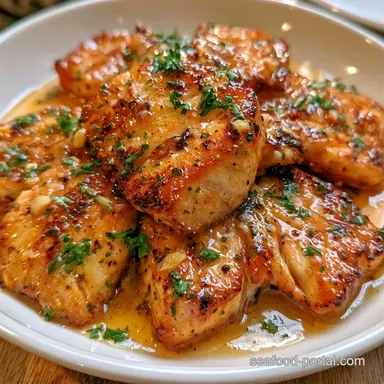
Grouper Cheeks with Brown Butter

- Time: 5 min active + 5 min cooking
- Flavor & Texture: Buttery, crisp crust, tender center
- Perfect for: Quick date night or an upscale appetizer
Pan-Seared Grouper Cheeks
Imagine a bite that has the snap of a seared scallop but the depth of a deep-sea fish. That is exactly what you get here. These are the prized cuts of the fish, and when you hit them with a hot pan, they develop a deep golden brown crust that contrasts with a tender, flaky middle.
It is the kind of dish that feels high-end but takes less than ten minutes. I like serving them over a swipe of pea purée or just with a wedge of lemon.
Using grouper cheeks is a great way to use the whole fish and enjoy one of the most flavorful parts. You just need a heavy pan and a little bit of patience while the oil heats up.
Why This Method Works
- Surface Moisture: Patting the fish bone-dry stops it from steaming. This lets the heat brown the surface immediately.
- High Heat: A cast iron skillet holds heat better, which creates a thick crust in just two minutes.
- The Baste: Spooning foaming butter over the fish finishes the cooking gently. This adds a nutty flavor without drying out the center.
| Method | Time | Texture | Best For |
|---|---|---|---|
| Stovetop | 10 mins | Crusty & Rich | Quick dinners |
| Oven | 15 mins | Uniform & Soft | Large batches |
Recipe Specs
The key is timing. Because the cuts are small, they can go from tender to rubbery in about sixty seconds. Using a thermometer helps, but watching the color is the primary cue.
What Each Ingredient Does
| Component | Purpose | Substitute Notes |
|---|---|---|
| Avocado Oil | High-temp searing | Grapeseed oil is a good option; skip extra virgin olive oil |
| Unsalted Butter | Color and richness | Salted butter is acceptable; just reduce the added salt |
| Lemon Juice | Acidic brightness | Lime juice is a great zesty substitute |
The Pantry List
- 1 lb grouper cheeks Why this? These are the most tender cuts with the deepest flavor
- 1/2 tsp kosher salt
- 1/4 tsp cracked black pepper
- 2 tbsp avocado oil Why this? A high smoke point avoids that burnt oil taste
- 3 tbsp unsalted butter
- 3 cloves garlic, smashed
- 1 tbsp fresh lemon juice
- 1 tbsp fresh parsley, chopped
Gear You'll Need
For the best results, use a 10-inch cast iron skillet. It provides even heat distribution, which is key to achieving a deep crust. A heavy stainless steel pan is a suitable alternative.
Cooking Instructions
Phase 1: Preparing the Cheeks
- Dry the 1 lb of grouper cheeks thoroughly using paper towels. Tip: Thorough drying is essential for a successful sear
- Season the fish evenly with 1/2 tsp kosher salt, followed by 1/4 tsp cracked black pepper.

Phase 2: The High-Heat Sear
- Set a 10-inch cast iron pan to medium-high heat and add 2 tbsp avocado oil. Wait until the oil shimmers and starts to smoke slightly.
- Gently place the cheeks in the pan, leaving room between them. Use tongs to press down lightly for better surface contact.
- Cook for about 2 minutes on each side until a rich, dark brown crust forms.

Phase 3: The Butter Baste
- Turn the heat down to medium and add 3 tbsp unsalted butter along with 3 smashed garlic cloves.
- Once the butter is foaming and smells nutty, tilt the pan. Spoon the hot garlic butter over the cheeks repeatedly for 1 minute.

- Remove from the heat, add 1 tbsp fresh lemon juice, and garnish with 1 tbsp chopped parsley.
- Ensure the centers are opaque and have reached an internal temperature of 145°F (63°C).
Quick Fixes
Excess moisture causes the fish to slide in the pan and turn grey instead of golden brown. Always pat the surface dry with a paper towel before you season.
Another frequent mistake is butter that browns too quickly. If it turns black, your pan is likely still too hot from the searing process. Reduce the heat before stirring in the dairy.
Rubbery Texture
This occurs when the fish is left in the pan too long. Since they are small, they can overcook in an instant.
Pale Crust
This is typically a result of overcrowding the pan or using a heat source that is too low, causing the temperature to dip.
Burnt Butter
The temperature was too high during the basting stage, leading the milk solids to scorch.
| Problem | Fix |
|---|---|
| Rubbery Texture | Pull from heat at 145°F (63°C) |
| Pale Crust | Pat drier and use a hotter pan |
| Burnt Butter | Lower heat to medium before adding butter |
Pairing Ideas

These go great with a light, citrusy salad or steamed asparagus. If you want something more filling, serve them over a bed of lemon risotto. For a fun twist, you can serve them on toasted brioche buns for a crispy grouper sandwich.
Storage Guidelines
Place any remaining pieces in an airtight glass dish and refrigerate for no more than 2 days.
Avoid using a microwave to reheat, as this can make the fish rubbery. Instead, warm them in a dry non-stick pan over medium heat until they reach 165°F (74°C) inside.
Creative Swaps
Air Fryer Grouper Cheeks
Toss the seasoned cheeks in a bit of oil and air fry at 400°F (200°C) for 6-8 minutes, shaking halfway through. They won't have the butter-basted finish, but they get a great crunch.
Baked Grouper Cheeks
Place the seasoned cheeks on a parchment-lined sheet. Drizzle with melted garlic butter and bake at 400°F (200°C) for about 8-10 minutes. For a similar flavor profile, check out this baked grouper recipe.
Easy Grouper Cheeks
For a simpler version, skip the basting. Just sear them in oil and finish with a squeeze of lemon and a pinch of salt.
Spicy Cajun Rub
Swap the salt and pepper for a mix of smoked paprika, onion powder, and a pinch of cayenne. It adds a bold, smoky heat that pairs well with the buttery finish.
High in Sodium
815 mg of sodium per serving (35% of daily value)
The American Heart Association recommends a daily sodium limit of no more than 2,300 mg to help manage blood pressure and heart health.
Tips to Reduce Sodium
-
Reduce Added Salt
Cut back on or completely eliminate the kosher salt, as this is the primary source of sodium in this recipe.
-
Enhance with Acid
Increase the amount of fresh lemon juice; the brightness of the acidity helps trick your taste buds into needing less salt.
-
Boost Aromatics
Add more smashed garlic or a pinch of red pepper flakes to increase the flavor profile without adding sodium.
-
Maximize Fresh Herbs
Use more fresh parsley or incorporate other fresh herbs like dill or thyme to add natural depth and complexity to the dish.
Good to Know
Is grouper the same as mahi mahi?
No, they are different species. Mahi mahi is a surface-dwelling fish, whereas grouper is a bottom-dweller with a denser meat profile.
What do grouper cheeks taste like?
Mild and buttery. They are often compared to scallops because of their sweetness and tender consistency.
Does grouper fish have a firm texture?
Yes, it is quite hearty. This firmness allows the fish to hold its shape and sear well in a hot skillet.
Why pat the cheeks dry before frying?
To achieve a rich brown crust. Excess surface moisture creates steam, which prevents the fish from browning properly.
Where should leftovers be stored?
Keep them in a sealed glass container in the refrigerator. They will remain fresh for up to 2 days.
How to check if the cheeks are cooked?
Ensure the centers are opaque. Use a thermometer to verify they reach 145°F (63°C).
Grouper Cheeks in 10 Minutes