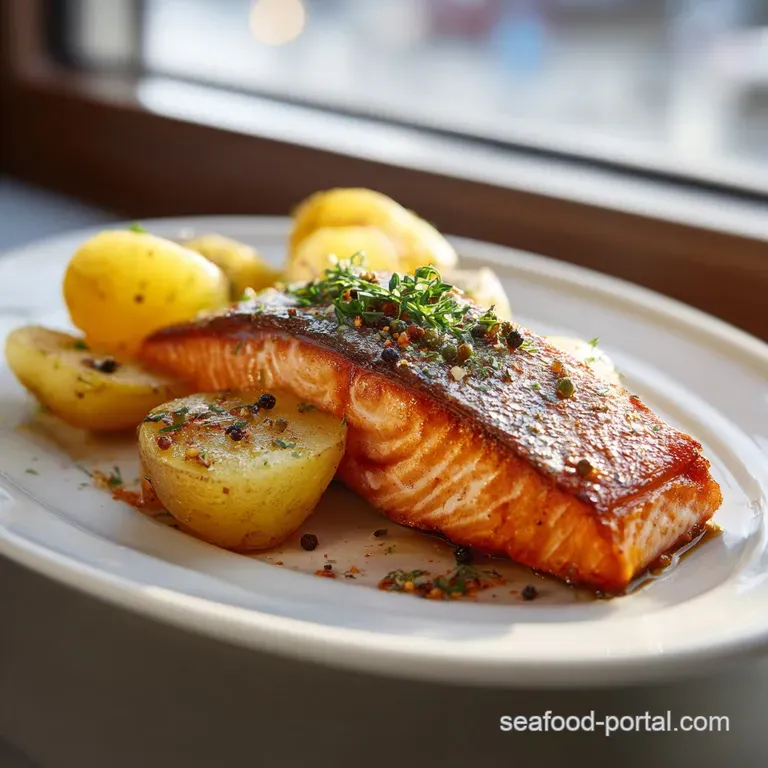
Pan Fry Salmon: Crispy Skin and Buttery Fillets
- Time: Active 5 minutes, Passive 7 minutes, Total 12 minutes
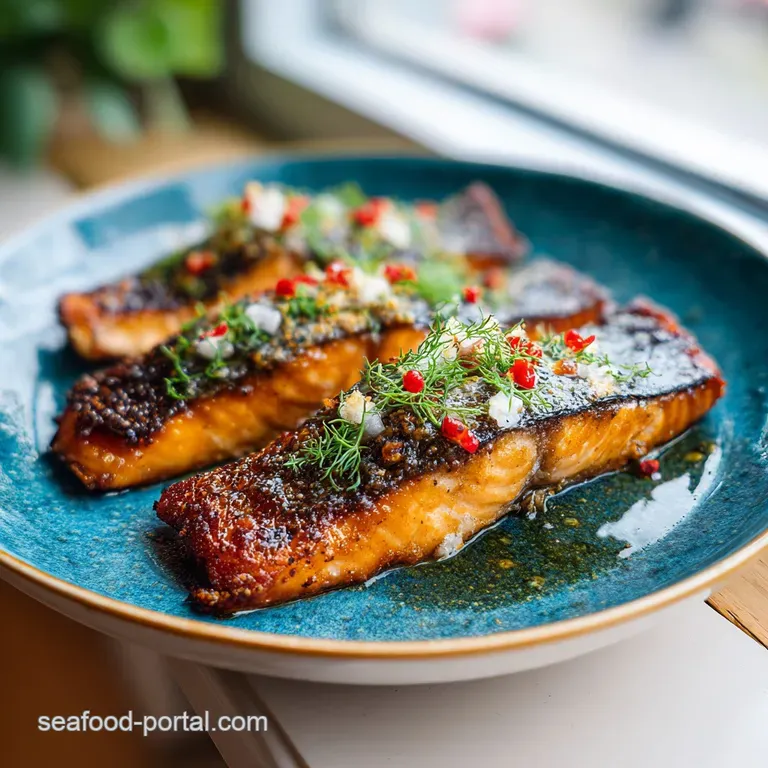
- Flavor/Texture Hook: Shatter crisp skin against velvety, lemon kissed flakes
- Perfect for: High protein weeknight dinners and impressive date nights
- Achieve the Most Incredible Crispy Skin When You Pan Fry Salmon
- Why This Technique Works Every Single Time
- Selecting the Right Fillets and Aromatics for Best Results
- Choosing the Best Skillet to Ensure a Nonstick Sear
- Essential Details for a Twelve Minute Restaurant Quality Meal
- The Simple Shopping List for Pan Fried Perfection
- Step by Step Guide to a Flawless Golden Finish
- Solving Common Problems for the Juiciest Flaky Fillets
- Scaling the Recipe for Any Crowd
- Swaps to Customize Your Pan Fried Seafood Dinner
- Debunking Kitchen Tales About Frying Fish
- How to Keep Your Leftover Salmon Moist and Flaky
- Perfect Pairings to Balance Rich Garlic Butter Flavors
- Very High in Sodium
- Recipe FAQs
- 📝 Recipe Card
Achieve the Most Incredible Crispy Skin When You Pan Fry Salmon
You know that sound? The one where you drag a knife across the top of a piece of fish and it sounds like a literal cracker snapping? That’s what we’re chasing today. I remember the first time I actually got it right.
I was hunched over my favorite heavy skillet, holding my breath as the oil started to shimmer. For years, I’d been terrified of the fish sticking or, worse, that sad, grey, soggy skin that usually ends up left on the plate.
But then, I heard it the aggressive sizzle that sounded more like a celebration than a cooking process.
The secret wasn't a fancy gadget or some expensive secret ingredient. It was just patience and a couple of paper towels. Seriously, when you pan fry salmon, the biggest mistake is being too gentle. You want that contrast.
You want the outside to be so crisp it shatters, while the inside stays so soft it practically melts the second it hits your tongue. It’s that play between the bright, acidic pop of lemon and the deep, nutty richness of browned butter that makes this feel like you spent fifty bucks at a bistro.
But let’s be real: we don’t have all night. This is my go to "I'm exhausted" meal because it takes exactly 12 minutes. Five minutes to prep, seven minutes in the pan, and you're sitting down to something that looks like a magazine cover.
It’s accessible, it’s fast, and it works every single time once you know the little physics tricks that keep the fish from curling or sticking. Let's get into how we make this happen without any stress.
Why This Technique Works Every Single Time
I used to think cooking fish was about magic, but it’s actually just managing moisture and heat. When you pan fry salmon, you’re basically trying to turn the skin into a protective, delicious heat shield that seasons the meat from the bottom up.
Here is what is actually happening in that pan to give you that "shatter" effect:
- Surface Dehydration: Moisture is the mortal enemy of a crisp sear. By patting the skin bone dry with paper towels, you ensure the heat from the oil immediately starts crisping the skin instead of wasting energy evaporating surface water.
- Weight and Tension: Pressing down on the fillet for those first ten seconds prevents the protein fibers from contracting and curling the fish upward, ensuring the entire surface of the skin stays in direct contact with the hot oil.
- Butter Insulation: Adding butter at the end doesn't just add flavor; the foaming milk solids create a protective, flavorful layer that gently finishes the top of the fish without drying out the delicate flakes.
- The Heat Ramp: Starting on medium high heat renders the fat out of the skin, while dropping to medium allows that fat to "fry" the skin into a crackling texture without burning the flesh.
| Method | Texture | Effort Level | Best For |
|---|---|---|---|
| Fresh Fillets | Ultra crisp skin, velvety interior | Low - 12 mins total | The gold standard dinner |
| Frozen (Thawed) | Slightly softer skin, firmer meat | Medium - requires 12h thaw | Budget friendly meal prep |
| Shortcut (Air Fryer) | Evenly cooked, less "shatter" | Minimal - hands off | Quick healthy lunch |
Whether you're a seasoned pro or this is your first time handling a fillet, understanding these basics takes the guesswork out of the equation. If you've ever struggled with the timing, you might want to check out my guide on how to pan fry salmon for a deeper look at the 12 minute window. It really is about that initial contact and the patience to let the pan do its job.
Selecting the Right Fillets and Aromatics for Best Results
When you're shopping, look for fillets that are uniform in thickness. This ensures that the tail end doesn't turn into jerky while the center is still raw. I prefer center cut fillets for this reason. Also, don't be afraid of the fat!
Those white lines of intramuscular fat (the marbling) are what keep the fish moist during the over high heat fry.
| Component | Science Role | Pro Secret |
|---|---|---|
| Salmon Fillets | High fat and protein structure | Bring to room temp for 15 mins to ensure even cooking |
| Avocado Oil | High smoke point (520°F) | Won't break down or smoke like olive oil at high searing temps |
| Unsalted Butter | Flavor and basting medium | Use unsalted so you can control the seasoning exactly |
| Fresh Thyme | Volatile oil infusion | Slap the herbs against your palm before adding to wake them up |
The choice of oil is actually a bigger deal than most people realize. Because we are looking for a serious sear, you need something that can handle the heat. Avocado oil is my absolute favorite here, but grapeseed oil is a solid runner up.
Avoid extra virgin olive oil for the initial sear; it tends to smoke and turn bitter before the skin gets truly crispy.
Choosing the Best Skillet to Ensure a Nonstick Sear
You don't need a pantry full of specialized gear, but the pan you choose will make or break your crust. If you have a well seasoned cast iron skillet, use it. The heat retention is unmatched, which means when that cold fish hits the pan, the temperature doesn't plummet.
A heavy stainless steel pan (like an All Clad) is also fantastic because it allows for "fond" (those little browned bits) to form, though you have to be more careful about sticking.
Chef Tip: If you’re worried about sticking, the "water droplet test" is your best friend. Flick a drop of water onto your dry, preheating pan. If it sizzles and evaporates, it’s not ready.
If it beads up and dances around like a marble (the Leidenfrost effect), you’ve reached the perfect temperature to add your oil and fish.
Avoid thin, cheap non stick pans for this specific recipe. They don't hold enough heat to give you that glass like skin, and high heat can actually damage the non stick coating over time. You want something with some "heft" to it.
Also, make sure your spatula is thin and flexible a fish spatula is the industry standard for a reason; it slides under the delicate skin without tearing it.
Essential Details for a Twelve Minute Restaurant Quality Meal
Let's look at the numbers. Consistency comes from knowing exactly what to expect. This isn't a "low and slow" situation; we are moving fast and with intention.
- Prep time: 5 minutes
- Cook time: 7 minutes
- Total time: 12 minutes
- Yield: 2 servings
- Serving size: 6 oz fillet
- Salty
- Coarse Kosher salt crust
- Bright
- Fresh lemon juice finish
- Rich
- Nutty, foaming unsalted butter
- Earthy
- Fragrant thyme and smashed garlic
The Simple Shopping List for pan-fried Perfection
- 2 (6 oz / 170g) salmon fillets: Keep the skin on! It’s the best part.
- 1 tsp (5g) Kosher salt: Diamond Crystal is great because it’s less "salty" by volume.
- ½ tsp (2g) Cracked black pepper: Freshly cracked has more "bite" than the pre ground stuff.
- 1 tbsp (15ml) Avocado oil: Or any neutral oil with a high smoke point.
- 2 tbsp (30g) Unsalted butter: This is for the "basting" phase at the end.
- 2 cloves Garlic: Just smash them with the side of your knife; no need to mince.
- 1 sprig Fresh thyme or rosemary: Thyme is classic, but rosemary adds a lovely woodsy note.
- ½ Fresh lemon: For that final hit of acidity that cuts through the fat.
step-by-step Guide to a Flawless Golden Finish
- Prepare the fish. Remove the salmon from the fridge 15 minutes before you plan to cook. Note: This takes the chill off so the center cooks evenly with the outside.
- Dry everything. Use paper towels to pat the salmon fillets extremely dry on all sides, especially the skin. If the paper towel comes away damp, use another one.
- Season right before. Sprinkle the salt and pepper over the fillets immediately before they go into the pan. Note: If you salt too early, the salt will draw moisture out of the fish, ruining your crisp.
- Heat the pan. Set your skillet over medium high heat and add the avocado oil. Wait until it is shimmering and just starting to wisps a tiny bit of smoke.
- The initial contact. Place the fillets in the pan skin side down. You should hear a loud, immediate sizzle.
- The press. Use a flexible spatula to press firmly on the top of each fillet for 10 seconds. Note: This stops the fish from "bowing" and ensures the skin stays flat against the heat.
- The long sear. Lower the heat to medium and let the salmon cook undisturbed for 5 minutes. Don't poke it, don't move it, just let the fat render out of the skin.
- The flip. Once the skin is dark golden and moves easily when you nudge it, flip the fillets over carefully.
- The butter baste. Immediately add the butter, smashed garlic, and herbs to the pan. As the butter foams, tilt the pan slightly and spoon that hot, flavored liquid over the salmon for 2 minutes.
- The finish. Remove the fillets from the pan when they feel slightly firm but still have a little "give" in the center. Squeeze the fresh lemon juice over them and serve immediately.
Solving Common Problems for the Juiciest Flaky Fillets
Cooking fish can feel like a high stakes game, but most "disasters" are actually very easy to fix or prevent. The most common issue I hear about is the fish sticking to the pan. Usually, this happens because the pan wasn't hot enough when the fish went in, or because you tried to flip it too early.
Protein "grabs" the pan at first, but it will naturally release once a crust has formed.
Why Is My Salmon Sticking to the Pan?
If you try to lift the fish and it feels glued down, stop. It’s telling you it’s not ready. Give it another 30 to 60 seconds. The skin needs to dehydrate and caramelize to release from the metal.
Also, make sure you aren't using a cold pan; the oil must be shimmering before the fish makes contact.
Why Is There White Stuff Coming Out of My Salmon?
That white stuff is called albumin. It’s just a protein that gets pushed out of the muscle fibers when they contract. While it’s totally safe to eat, it usually means the fish is being cooked a bit too fast or is starting to overcook.
To minimize this, don't skip the step of bringing your fish to room temp, and make sure you aren't blasting it on high heat for the entire duration.
| Problem | Root Cause | Solution |
|---|---|---|
| Soggy Skin | Excess moisture on surface | Pat dry with multiple paper towels until bone dry |
| Dry/Chalky Meat | Overcooking beyond 145°F | Pull the fish at 130-135°F; carryover heat will finish it |
| Curled Fillets | Muscle fiber contraction | Press firmly with a spatula for the first 10 seconds |
Common Mistakes Checklist:
- ✓ Never skip the "pat dry" step even if the fish looks dry, it isn't.
- ✓ Don't overcrowd the pan; if you're making four fillets, use two pans or work in batches.
- ✓ Avoid flipping the fish more than once; you want that skin side to have uninterrupted heat.
- ✓ Check your heat if the butter turns black instead of brown, your pan is too hot.
- ✓ Let the fish rest for just 2 minutes before serving to let the juices redistribute.
Scaling the Recipe for Any Crowd
Whether you are cooking for one or hosting a dinner party, the logic stays the same. If you are cutting the recipe in half for a solo dinner, you don't need to change much, just use a smaller skillet so the oil doesn't spread too thin and burn.
If you are doubling the recipe for four people, you’ll likely need two separate skillets or a very large 12 inch cast iron. The danger of doubling up in one pan is "crowding." When you put too much cold fish into one pan, the temperature drops, and the fish starts to steam in its own moisture instead of frying. You'll end up with grey, flabby skin. For the spices, you don't necessarily need to double the salt start with 1.5x the amount and adjust to your taste. For another variation, you might love this pan seared salmon with skin which uses a slightly different lemon butter approach.
Swaps to Customize Your pan-fried Seafood Dinner
You don't have to stick strictly to the script. While salmon is the star here, the technique works for other fatty fish too. If you can't find fresh thyme, dried herbs aren't a great substitute for basting (they tend to burn and get gritty), so I’d suggest using a bit of lemon zest or even a tiny splash of soy sauce in the butter for an umami kick.
| Original Ingredient | Substitute | Why It Works |
|---|---|---|
| Avocado Oil | Grapeseed or Canola | High smoke points allow for the same over high heat sear. |
| Fresh Thyme | Fresh Rosemary or Sage | Woody herbs stand up well to the heat of the butter baste. |
| Unsalted Butter | Ghee (Clarified Butter) | Ghee has a higher smoke point but still offers that nutty flavor. |
If you are looking for a dairy-free version, simply swap the butter for a high-quality vegan butter substitute or just skip the basting step and finish with a drizzle of extra virgin olive oil and lemon at the very end. The skin will still be crispy, and the flavor will be much "cleaner."
Debunking Kitchen Tales About Frying Fish
There are so many myths floating around about cooking seafood that it’s no wonder people are intimidated. One of the biggest lies is that you should "always cook fish to 145°F." While that is the USDA guideline, most chefs will tell you that salmon is best at medium rare to medium (about 125°F to 135°F).
At 145°F, salmon becomes quite firm and can start to lose its buttery texture.
Another common myth is that you need a non stick pan to cook fish. Actually, the best crust comes from "stickier" surfaces like stainless steel or cast iron. As long as your pan is hot and your fish is dry, it won't stick. Finally, don't believe that "washing" your fish under the tap makes it cleaner.
All it does is splash bacteria around your sink and you guessed it add moisture to the skin, which we definitely don't want!
How to Keep Your Leftover Salmon Moist and Flaky
If you find yourself with an extra fillet, don't toss it! Cooked salmon is actually one of my favorite "fridge finds." It will stay good in an airtight container in the refrigerator for about 3 days. However, the freezer is generally not the friend of a cooked fillet; the texture tends to get a bit mushy once thawed.
If you must freeze it, wrap it tightly in plastic wrap and then foil, and keep it for no more than a month.
To reheat, avoid the microwave at all costs unless you want "rubbery" fish that smells up the whole house. Instead, place it in a 300°F (150°C) oven for about 8-10 minutes with a tiny splash of water or a knob of butter on top, covered with foil.
This gently steams it back to life.
Zero Waste Tip: Don't throw away that leftover crispy skin if it gets soft in the fridge! Peel it off the cold salmon and pop it into a dry pan for 60 seconds until it crisps up again. It makes an incredible "bacon" substitute for salads or even a topping for a bowl of rice.
Those garlic cloves from the pan? Mash them into some mayo for a quick aioli to go with your lunch!
Perfect Pairings to Balance Rich Garlic Butter Flavors
Since this salmon is quite rich from the butter basting, I always lean toward sides that offer some "crunch" or "brightness." A simple arugula salad with a sharp vinaigrette is the classic move. The peppery greens cut right through the fat of the fish.
If you want something heartier, roasted asparagus or broccolini are fantastic because you can toss them in the same pan you used for the fish while the salmon rests. They'll soak up all that leftover garlic lemon butter.
For a starch, a pile of fluffy jasmine rice or some smashed baby potatoes are perfect for absorbing the pan sauce. Just remember to keep the sides simple the salmon is the star of the show here, and it deserves the spotlight. Now, go grab those fillets and let's get that sizzle going!

Very High in Sodium
1125 mg 1125 mg (49% 49%)
The American Heart Association recommends limiting sodium intake to 2,300mg per day, with an ideal limit of less than 1,500mg for most adults.
Tips to Reduce Sodium
-
Halve the Kosher Salt-25%
Reduce the Kosher salt from 1 tsp to ½ tsp. This is the primary sodium source and can be significantly reduced without compromising flavor.
-
Use Unsalted Butter
You are already using unsalted butter, which is excellent! If you were using salted butter, switching would offer a sodium reduction.
-
Boost Flavor with Aromatics
Increase the use of garlic, fresh thyme or rosemary, and fresh lemon. These ingredients add significant flavor complexity, allowing you to rely less on salt.
-
Season with Pepper and Herbs
Ensure you are using generous amounts of cracked black pepper. Consider adding other sodium free spices like paprika, garlic powder (check for no added salt), or onion powder.
Recipe FAQs
How long do you pan fry salmon for?
Cook the salmon for a total of 7 minutes. Sear the skin side down for 5 minutes, then flip and cook for an additional 2 minutes while basting with butter.
Is it best to fry salmon in butter or oil?
Use avocado oil for the initial sear and butter for the finish. Avocado oil has a high smoke point that ensures a crispy crust, while adding butter at the end creates a rich, flavorful basting liquid.
What are common mistakes when frying salmon?
Failing to pat the fillets dry is the biggest error. Excess surface moisture prevents the skin from crisping, so ensure the fish is extremely dry before it touches the hot skillet.
Is salmon better at 350 or 400?
Neither, as this method relies on medium high heat. Focus on getting your skillet shimmering hot with avocado oil before adding the fish to achieve a perfect sear, rather than relying on oven style temperature settings.
How to get crispy salmon skin every time?
Press the fillets firmly into the pan with a spatula for 10 seconds. This initial contact ensures the skin makes full contact with the hot surface, which is the secret to a professional crust; if you enjoyed this searing precision, apply the same sear control technique to our other seafood recipes.
Is it true I must leave the salmon in the fridge until the last second?
No, this is a common misconception. You should remove the salmon from the fridge 15 minutes before cooking so the center reaches room temperature, ensuring the fish cooks evenly without the middle remaining raw.
How to know when the salmon is fully cooked?
Look for the skin to become golden and crispy before you flip. Once you begin basting with the butter, garlic, and herbs, the salmon is finished when the flesh appears opaque and flakes easily under gentle pressure.
Pan Fry Salmon Fillets
Ingredients:
Instructions:
Nutrition Facts:
| Calories | 514 kcal |
|---|---|
| Protein | 34.6 g |
| Fat | 40.2 g |
| Carbs | 1.4 g |
| Fiber | 0.3 g |
| Sugar | 0.2 g |
| Sodium | 1125 mg |
