Nigiri Sashimi Unveiled Japanese Delicacy at Home
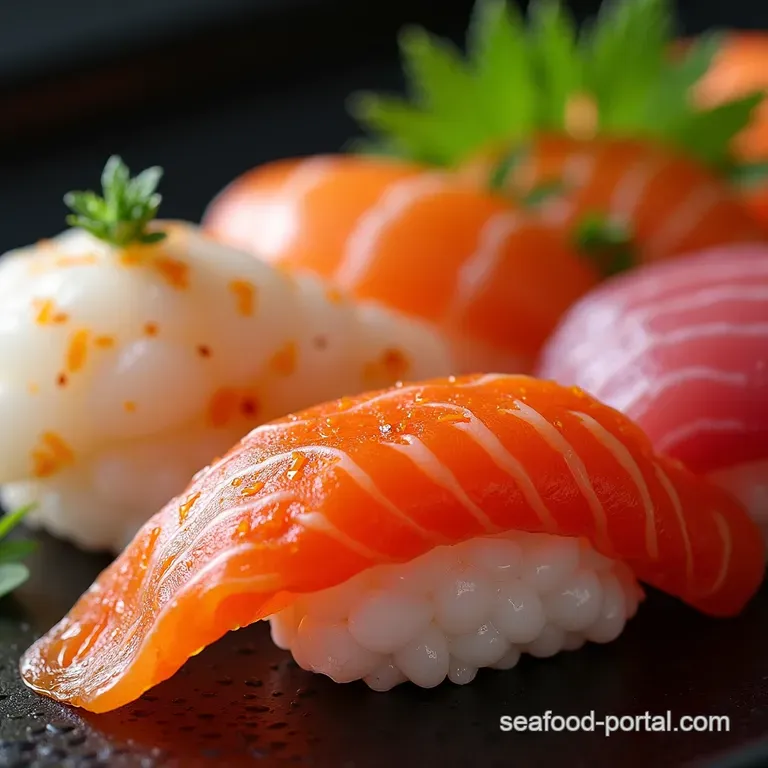
Nigiri & Sashimi Unveiled: Get Your Sushi On!
Fancy a taste of Japan? Ever been confused about Nigiri vs Sashimi - What's actually the difference? Honestly, I was too, until I started making it myself.
Let's break down these two iconic dishes and show you how to create them at home. Prepare yourself for a delightful journey into Japanese cuisine at home !
What’s the Big Deal with Nigiri and Sashimi?
Sashimi, meaning "pierced body," has roots stretching back centuries. Nigiri , meaning "two fingers," is a more modern invention. Both highlight the pristine quality of sushi grade fish .
Together, they represent a cornerstone of Japanese culinary artistry. It's like the Beatles and the Rolling Stones of Sushi Restaurants , each brilliant in its own right! This recipe, while it requires focus, is totally doable for a confident home cook.
Plan for about an hour, plus chilling time for the rice. This recipe makes enough for two, perfect for a romantic date night.
Why You Should Absolutely Make This
Okay, besides being ridiculously delicious, homemade sushi is surprisingly good for you. Think lean protein from the fish and complex carbs from the Sushi Rice .
Plus, it's a major flex when you serve it to your friends. What makes this recipe special? It demystifies the process, empowering you to create restaurant quality Nigiri Sashimi difference in your own kitchen.
Now, let's talk ingredients!
Ingredients & Equipment: The Sushi Lowdown
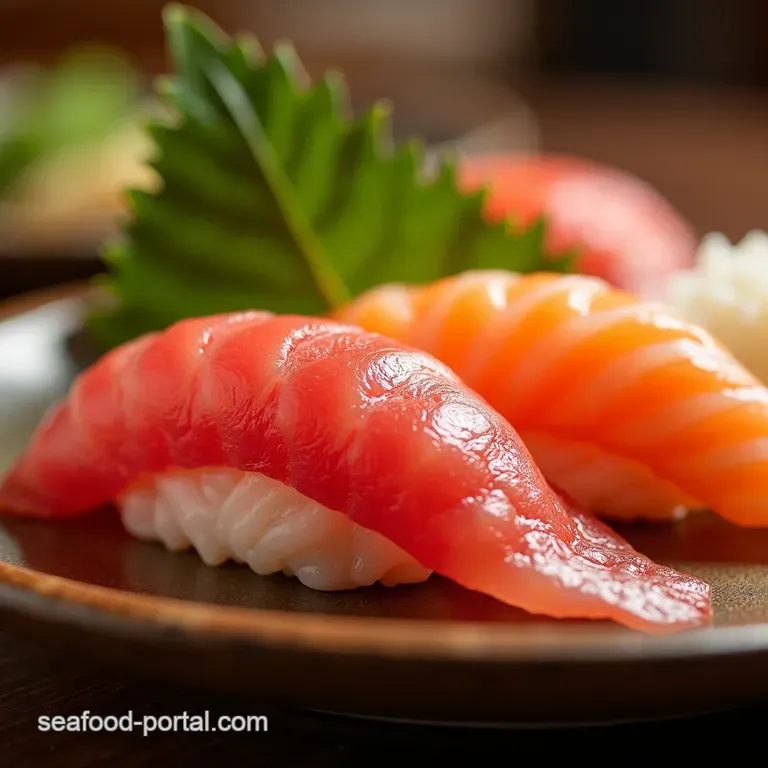
Okay, let’s get real about what you need. Making homemade sushi isn't as scary as it seems, promise! It's a fun way to enjoy Japanese cuisine at home .
Plus, understanding the Nigiri Sashimi difference is way easier than you think. So, grab your apron and let's get started!
Main Ingredients
Getting the right stuff is key. Here’s the breakdown for making both Nigiri vs Sashimi - What's the difference, really comes down to if you want rice, doesn't it?
- Sushi Rice : 1 cup ( 200g ) Japanese short grain rice. Look for rice that's particularly labeled as "sushi rice" for the best texture. Trust me, it makes a difference!
- Water: 1 1/4 cups ( 300ml )
- Rice Vinegar: 1/4 cup ( 60ml ). Good quality rice vinegar has a slightly sweet and mild flavor.
- Sugar: 2 tablespoons ( 30g )
- Salt: 1 teaspoon ( 6g )
- Sushi Grade Fish : 6 oz ( 170g ) sushi grade salmon and 6 oz ( 170g ) sushi grade tuna. When picking sushi grade fish , make sure it looks fresh, smells clean (not fishy), and comes from a reputable fishmonger. Don't mess around with this part, alright? You can find also types of sashimi grade fish in the store, such as Yellowtail, or Mackerel.
Seasoning Notes
Seasoning is where the magic happens. It really elevates homemade sushi
- Essential Spice Combinations : Rice vinegar, sugar, and salt create that signature sushi rice flavor. Don’t skip this step!
- Flavor Enhancers and Aromatics: Wasabi (freshly grated if you're fancy, but tube wasabi works too), soy sauce (low sodium is a good shout). Pickled ginger (Gari) is essential.
- Quick Substitution Options: If you don't have rice vinegar, white wine vinegar can work in a pinch. Just add a bit more sugar. Also, you can explore vegan sushi options.
Equipment Needed
Keep it simple, yeah? No need to break the bank.
- Rice Cooker: Makes life easier, but a heavy bottomed pot with a lid works too.
- Sharp Knife: Essential for slicing the fish properly. A dull knife is a no-no.
- Sushi Rolling Mat: Optional, but helpful for shaping how to make nigiri the right way.
- Small Bowl: For mixing the sushi vinegar.
- Wooden Spoon: Use this for the rice. Metal can react with the vinegar.
Honestly, you probably already have most of this stuff. Now get out there and channel your inner Sushi Chef ! Maybe your next Sushi Restaurants visit, will feel more informed.
Nigiri & Sashimi Unveiled: Master the Art of Japanese Delicacy
Hey, foodie friends! Ever felt a bit lost staring at the menu at Sushi Restaurants , trying to decipher the Nigiri Sashimi difference ? Honestly, I used to! Today, we're tackling the age-old question: Nigiri vs Sashimi - What’s the difference?
We're not just explaining it; we're diving in headfirst and making it ourselves.
Think of this as your express ticket to becoming a Sushi Chef ...at least in your own kitchen! We'll even touch on Vegan Sushi options later!
This guide breaks down the essentials. We will be learning how to make both of these iconic Japanese delights at home.
Get ready to impress your friends with your newfound knowledge of Japanese cuisine at home !
Prep Steps: Your Mise en Place Mission
First things first, let's get organized. This isn't just about cooking; it's about a smooth, Zen-like experience. So, gather all your ingredients before you even think about turning on the rice cooker.
Think of it like setting up your art studio before you paint.
- Essential Mise en Place : Measure out your rice, vinegar, sugar, and salt. Prep your sushi grade fish by checking for pinbones and patting it dry. Got it? Good.
- Time Saving Organization Tips : While the rice cooks, slice your fish. Using separate cutting boards will help prevent cross contamination. Plus, clean as you go. Trust me; future you will thank you.
- Safety Reminders : Always, always , use a sharp knife. A dull knife is more dangerous. Watch those fingers!
step-by-step: From Rice to Rolls
Alright, let's get to the good stuff making homemade sushi ! Don't worry, it's easier than it looks!
- Cook the Rice: Rinse 1 cup sushi rice until the water runs clear. Cook with 1 1/4 cups water. If you have a rice cooker, great. If not, bring to a boil, then simmer covered for 15 minutes . Let rest for another 10 minutes.
- Vinegar Mixture: While the rice cooks, mix 1/4 cup rice vinegar, 2 tablespoons sugar, and 1 teaspoon salt. Heat it gently. Stir until the sugar dissolves.
- Combine and Cool: Gently fold the vinegar mixture into the cooked rice. Fan the rice while stirring to cool it faster.
- Prep the Fish: Ensure your fish is sushi grade . Slice the fish into 1/4 inch thick pieces for sashimi. Then cut the slices into 1/2 inch thick pieces for nigiri.
- Assemble the Nigiri: Wet your hands. Grab a small handful of rice. Gently form it into an oblong shape. Dab a tiny bit of wasabi on the fish. Place the fish on top of the rice and press down.
Pro Tips: Level Up Your Sushi Game
Want to go from home cook to sushi pro? Here are a few secrets I’ve learned along the way.
- Expert Technique: For nigiri, use slightly warm rice. It’s easier to shape.
- Common Mistake to Avoid: Don't overwork the rice. It gets mushy fast. Handle it gently.
- make-ahead Option: The Sushi Rice can be made a day in advance. Just store it covered in the fridge. Let it come to room temperature before using it. Remember, Types of sashimi can also be prepped and kept well wrapped.
Now go make some incredible sushi. How to make nigiri and sashimi is no longer a mystery. Trust your instincts, and most importantly, have fun!
Recipe Notes
Right then, let's get down to the nitty gritty!
Serving Suggestions: Make it Look the Biz!
So, you've made your beautiful Nigiri and Sashimi . How do you show it off? Well, plating is key! Think about colour.
Dark plate, bright fish. Simple. A few shiso leaves scattered around looks posh. Honestly, even sesame seeds sprinkled on top make a difference.
Who doesn't love a bit of Japanese cuisine at home ?
To drink? Green tea is classic. But a cold sake is cracking too. On the side, edamame are always a winner.
Or miso soup if you're feeling fancy. Did you know that Miso soup can aid digestion, so it's a perfect companion to this delicious meal!.
Storage Tips: Don't Waste That Precious Fish!
Ok, so you've got leftovers. First, make sure it's all properly chilled. Refrigerate immediately ! It'll last a day, maybe two tops.
But honestly, sushi grade fish isn't cheap, so try not to overdo it on the portions to begin with.
Freezing? Hmm, not really recommended. It changes the texture, you know? Nobody wants rubbery sashimi . If you must, freeze only the rice portion.
As for reheating, the fish is best cold, and the Sushi Rice should be gently warmed up to room temperature.
Variations: Get Creative!
Fancy a twist? Vegan Sushi is totally doable. Swap the fish for avocado, cucumber or even marinated tofu . It's surprisingly good.
Seasonally, experiment. What's fresh? What's local? Maybe some summer berries with your Nigiri . Okay, maybe not, but you get the idea! I use to replace avocado with mangoes during summer, and it adds a special tropical flavor to Vegan Sushi.
Nutrition Basics: The Good Stuff!
Alright, so let's be honest, Nigiri vs Sashimi - What's healthier? Sashimi, because there's no rice, less carbs. But it's all good, right? Fish is packed with protein and omega-3s.
Plus, the rice gives you energy. How to make nigiri healthier? Go easy on the soy sauce because of the sodium.
Basically, it's tasty, and good for you. Win-win!
So there you have it. Homemade sushi made easy. Don't be scared. Have a go. Even if it's a bit wonky to start with, it'll taste amazing! If you get the hang of it you can even become the next star Sushi Chef .
Enjoy!

Frequently Asked Questions
So, what exactly is the difference between Nigiri vs Sashimi - What's the deal?
Think of it this way: sashimi is the pure expression of the fish, sliced and served on its own, like a perfectly crafted steak. Nigiri, on the other hand, is a marriage of seasoned sushi rice and a topping, often fish, held together in a bite sized package. So, the key difference is the rice!
Is it safe to make Nigiri and Sashimi at home? What should I watch out for?
Absolutely! The most important thing is sourcing "sushi grade" fish from a reputable fishmonger. This means the fish has been handled and processed to minimize the risk of parasites. Ask your fishmonger if the fish has been frozen (a common practice to kill parasites) if you're unsure.
When in doubt, cook your fish, or try something like avocado or cucumber nigiri for a vegetarian option!
Can I use regular rice instead of sushi rice? I'm all out and feeling a bit like Del Boy!
While you can, it's really not recommended. Sushi rice, which is a short grain rice, has a higher starch content, giving it that sticky texture that holds the nigiri together perfectly. Regular long grain rice will be too dry and won't absorb the vinegar dressing properly.
If you absolutely must, use a short or medium grain and rinse it exceptionally well.
How long does Nigiri and Sashimi last once it's made? I'm not planning a massive knees up but want to make it in advance.
Freshness is key! Ideally, you should eat Nigiri and Sashimi as soon as possible after making it. If you must store it, keep it in an airtight container in the refrigerator for no more than 24 hours.
Be aware that the rice will harden and the fish might lose some of its quality, so it's always best enjoyed fresh - like a proper Sunday roast!
What are some good variations for Nigiri and Sashimi if I'm not a fan of raw fish?
Loads! You can make vegetarian nigiri with avocado, cucumber, bell pepper, or marinated tofu. For cooked options, try grilled eel (unagi), cooked shrimp (ebi), or even tamagoyaki (sweet egg omelet). You can also try searing the fish, which gives a lightly cooked exterior while keeping the inside nice and raw.
These variations keep it interesting without the fishy flavor!
Help! My sushi rice is too sticky/mushy. What did I do wrong, and how can I fix it for the next time?
Mushy rice usually means you used too much water, didn't rinse the rice thoroughly enough, or overcooked it. Make sure to rinse the rice until the water runs clear to remove excess starch. Next time, slightly reduce the amount of water you use when cooking.
Also, be gentle when mixing in the vinegar mixture; avoid over stirring, which can make it gummy.
Nigiri Sashimi Unveiled Japanese Delicacy At Hom
Ingredients:
Instructions:
Nutrition Facts:
| Calories | 350 |
|---|---|
| Fat | 15g |
| Fiber | 1g |
