New England Seafood Casserole: Coastal Classic
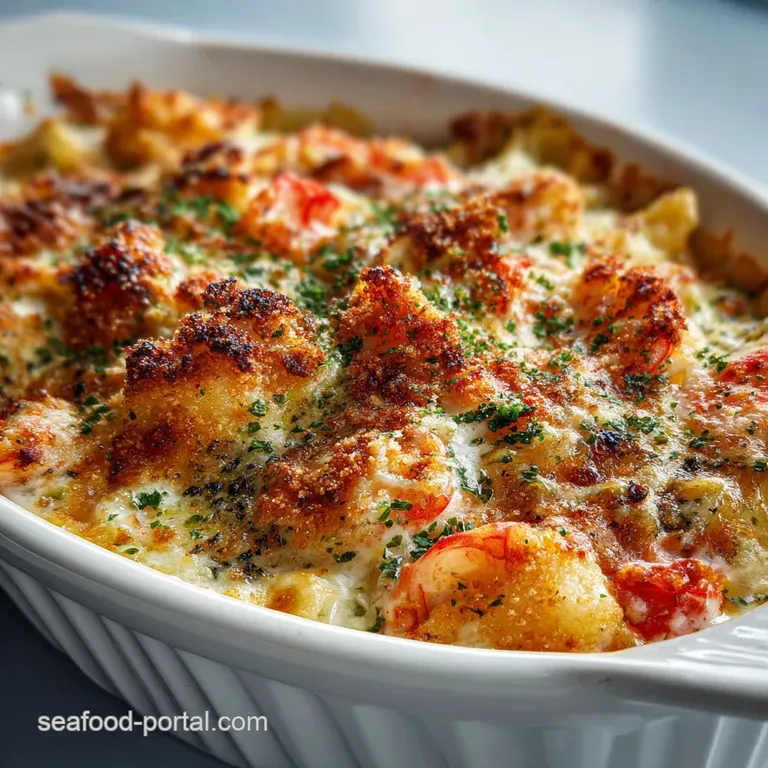
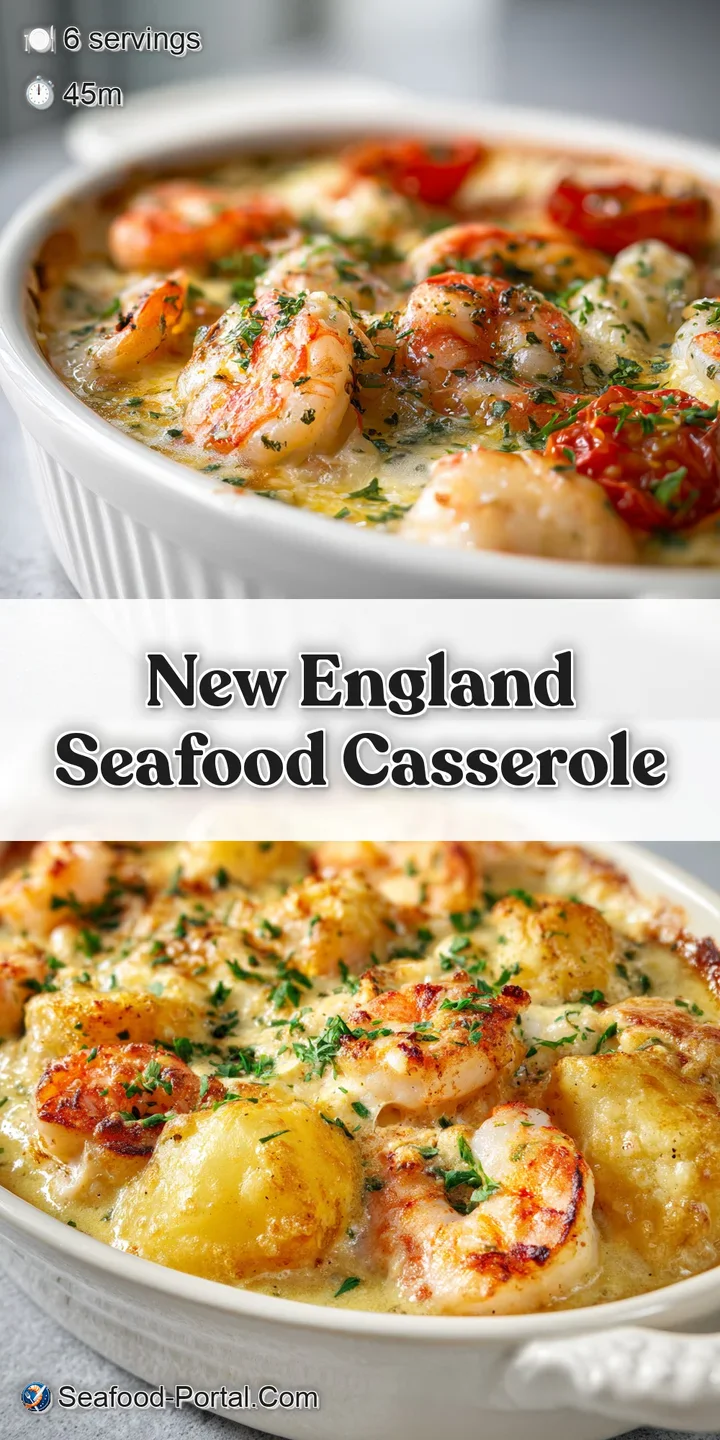
- Time: Active 20 minutes, Passive 25 minutes, Total 45 minutes
- Flavor/Texture Hook: Shatter crisp Ritz topping over velvety, butter poached seafood
- Perfect for: Christmas Eve dinner, high end Sunday brunch, or a celebratory family feast
- Master the Authentic New England Seafood Casserole
- Essential Ratios for Coastal Perfection
- Component Analysis and Flavor Logic
- Gathering Premium Briny Seafood Components
- Essential Kitchen Tools for Baking
- Executing the Classic Coastal Method
- Solving Your Casserole Texture Issues
- Adjusting Portions for Larger Crowds
- Debunking Coastal Kitchen Old Tales
- Creative Twists on the Classic
- Preserving Freshness and Storage Methods
- Pairing Your Baked Seafood Feast
- High in Sodium
- Recipe FAQs
- 📝 Recipe Card
Master the Authentic New England Seafood Casserole
Think of the most comforting meal you've ever had by the coast. For me, it's that first bite of a New England Seafood Casserole where the fork hits a golden, buttery crust and sinks into a pool of silky cream and tender fish.
It smells like a salty breeze and melted butter, and honestly, if you're a fan of rich, coastal flavors, this is the only recipe you'll ever need. I used to think you needed a culinary degree to get that restaurant quality sauce, but after a few messy attempts and one very rubbery shrimp incident, I’ve figured out the tricks that actually work.
This isn't just a "toss it in a dish and hope" kind of meal. We’re going for a specific contrast here: the sweetness of the lump crab and scallops playing against the savory, nutty notes of a dry sherry reduction.
The sauce needs to be thick enough to coat the back of a spoon but light enough that it doesn't mask the fresh taste of the cod. We've all seen those heavy, gloopy casseroles that feel like a lead weight, but we're going to avoid that entirely by focusing on the science of the roux and the timing of the seafood.
Right then, let's talk about what you're getting into. This recipe is surprisingly quick, but it demands your full attention for those first twenty minutes. You're going to build a velvety base, fold in your treasure chest of seafood, and top it with a crust that shatters when you bite it.
It’s elegant enough for a holiday table but simple enough that you can pull it off on a random Tuesday when you’re feeling fancy. Trust me on this, once you master the balance of the sherry and the heavy cream, you'll never look at a frozen fish stick again.
Essential Ratios for Coastal Perfection
Getting the textures right in a New England Seafood Casserole depends heavily on your seafood to sauce ratio. If there's too much liquid, your Ritz topping will turn into a soggy paste, which is a tragedy we want to avoid. If there's too little, the fish will dry out before the top gets golden.
I've found that using 3 lbs (roughly 1.36 kg) of mixed seafood to about 2 cups of liquid (cream and sherry) is the sweet spot for a moist, but not watery, finish.
The Science of Why it WorksProtein Denaturation: The residual heat from the cream sauce gently cooks the seafood during baking, preventing the proteins from tightening and becoming rubbery.
Emulsification Stability: The flour based roux binds the butter and heavy cream into a stable emulsion that won't break or become oily under the high heat of the oven.
| Seafood Type | Internal Temp | Rest Time | Visual Cue |
|---|---|---|---|
| Cod / Haddock | 145°F | 3 mins | Opaque and flakes easily with a fork |
| Sea Scallops | 125°F-130°F | 2 mins | Milky white and firm to a light touch |
| Large Shrimp | 120°F-125°F | 2 mins | Curled into a "C" shape and pink |
I usually suggest checking the fish at the 20 minute mark. Because different ovens have different moods, the visual cue of the bubbling sauce around the edges is your best friend. Similar to the delicate balance found in a Decadent Seafood Newburg recipe, the goal here is to keep the seafood just barely cooked through so it remains succulent.
Component Analysis and Flavor Logic
Every ingredient in this England Seafood Casserole has a job to do. We aren't just adding things for the sake of it; we are building layers of flavor and texture. The shallots provide a milder, sweeter onion note that doesn't overwhelm the scallops, while the lemon zest cuts through the heavy fat of the cream.
| Ingredient | Science Role | Pro Secret |
|---|---|---|
| Dry Sherry | Acid Catalyst | Use "Dry" only; it brightens the fats and mimics the complexity of a long simmered stock. |
| Ritz Crackers | Moisture Barrier | The high fat content in the crackers creates a waterproof seal that keeps the steam inside the fish. |
| Heavy Cream | Emollient | Coats the seafood to prevent direct heat from "shocking" the delicate proteins. |
When you’re picking out your seafood, freshness is non negotiable. I once tried to use "previously frozen" scallops that hadn't been dried properly, and the casserole ended up looking like a soup. If you have to use frozen, thaw them in the fridge overnight and pat them dry like your life depends on it.
Dry seafood is the secret to a sauce that stays thick and a topping that stays crispy.
Gathering Premium Briny Seafood Components
- 1 lb large shrimp: Peeled, deveined, and patted dry Why this? Provides a snappy texture contrast to the flaky fish.
- 1 lb sea scallops: Tough side muscle removed Why this? They add a buttery, sweet depth that bay scallops lack.
- 1 lb fresh cod or haddock: Cut into 1 inch chunks Why this? These white fish hold their shape while soaking up the sauce.
- 8 oz lump crabmeat: Picked through for shells Why this? Distributes sweet oceanic flavor throughout every single bite.
- 4 tbsp unsalted butter: For the roux.
- 2 medium shallots: Finely minced.
- 3 cloves garlic: Pressed or grated.
- 1/4 cup all purpose flour: The thickener.
- 1/2 cup dry sherry: Essential for that classic "New England" profile.
- 1 1/2 cups heavy cream: For a silky, luxurious mouthfeel.
- 1/2 cup Parmesan cheese: Freshly grated for a salty kick.
- 1 tsp Old Bay Seasoning: The quintessential seafood spice blend.
- 1/2 tsp lemon zest: To provide a bright, citrusy lift.
- 2 sleeves Ritz Crackers: Crushed into coarse crumbs.
- 6 tbsp unsalted butter: Melted, for the topping.
- 2 tbsp fresh parsley: Finely chopped for color and freshness.
- 1/4 tsp smoked paprika: For a tiny hint of earthiness.
| Original Ingredient | Substitute | Why It Works |
|---|---|---|
| Dry Sherry | Dry White Wine | Similar acidity. Note: Less nutty depth than sherry, but very clean tasting. |
| Ritz Crackers | Panko Breadcrumbs | Provides crunch. Note: Lacks the buttery richness; add 2 tbsp extra melted butter. |
| Lump Crabmeat | Chopped Lobster | High end swap. Note: Sweeter and firmer than crab, making it even more decadent. |
If you find yourself missing a few of these, don't panic. This dish is forgiving as long as you keep the total weight of the seafood consistent. If you want to lean into the cornmeal crusted style for a side dish, you might enjoy my Crunchy and Classic recipe for a different texture profile. But for this bake, we really want that buttery cracker crumb.
Essential Kitchen Tools for Baking
To get this right, you need a 9x13 inch (approx 23x33 cm) ceramic or glass baking dish. Avoid thin metal pans if you can, as they tend to hot spot and can scorch the bottom of the cream sauce before the top is browned.
A heavy bottomed saucepan is also a must for the roux; you want even heat distribution so the flour doesn't burn.
I also highly recommend using a Microplane for the garlic and lemon zest. It turns them into a paste that melts into the sauce rather than leaving you with a big chunk of garlic in the middle of a delicate bite of scallop.
Finally,, a sturdy whisk is your best friend when incorporating the heavy cream nobody wants a lumpy New England Seafood.
Chef's Tip: Grate your butter while it's frozen before melting it for the topping. It helps the butter distribute more evenly through the cracker crumbs, ensuring every single bit of the crust is perfectly coated and crispy.
Executing the Classic Coastal Method
- Prep the seafood foundations. Cut the cod into 1 inch chunks and ensure the shrimp and scallops are bone dry. Note: Excess moisture is the enemy of a thick sauce.
- Sauté aromatics. Melt 4 tbsp butter in a saucepan over medium heat. Add the shallots and cook until translucent and fragrant, about 3 minutes.
- Construct the roux. Stir in the pressed garlic for 30 seconds, then whisk in the all purpose flour. Cook for 1-2 minutes until it smells slightly nutty but hasn't browned.
- Deglaze the pan. Slowly pour in the dry sherry while whisking constantly. Note: This lifts the browned bits (fond) from the bottom of the pan.
- Infuse and thicken. Gradually pour in the heavy cream. Whisk continuously until the sauce thickens and begins to simmer gently.
- Season the base. Stir in the Old Bay, lemon zest, and half of the Parmesan cheese. Remove from heat once the cheese has melted.
- Combine the medley. Gently fold the raw shrimp, scallops, cod, and lump crabmeat into the sauce. Pour the mixture into your prepared baking dish.
- Create the topping. In a separate bowl, toss the crushed Ritz crackers with 6 tbsp melted butter, parsley, smoked paprika, and the remaining Parmesan.
- Assemble and bake. Sprinkle the cracker mixture evenly over the seafood. Bake at 375°F (190°C) for 25 minutes until the top is golden brown and the sauce is bubbling.
- Rest and serve. Let the casserole sit for 5 minutes before serving. Note: This allows the sauce to set so it doesn't run all over the plate.
Solving Your Casserole Texture Issues
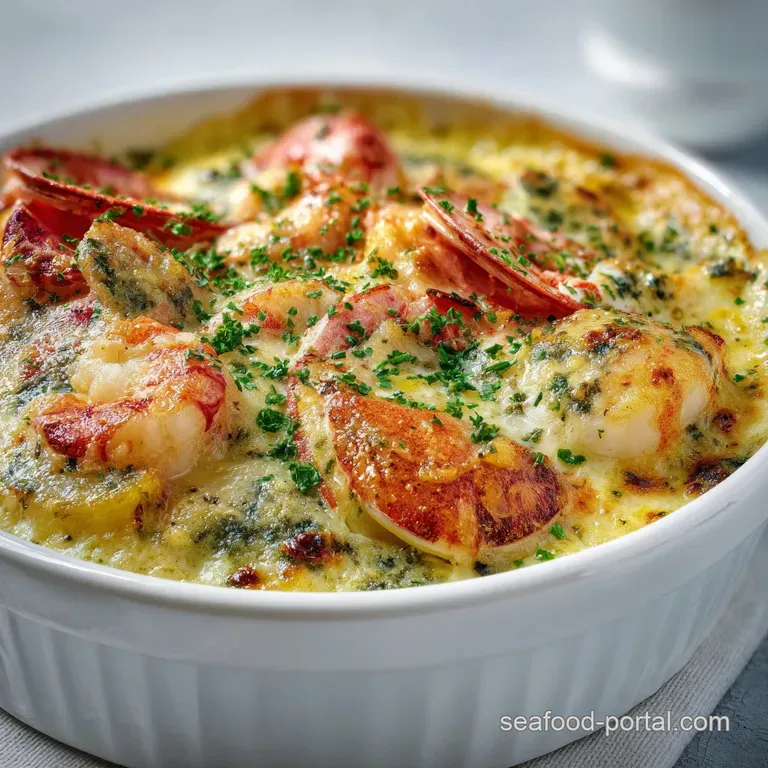
The most common heartache with a seafood bake is the "watery bottom." This usually happens because the fish releases its juices as it cooks. If you notice your sauce is looking a bit thin halfway through, don't panic.
The Ritz cracker topping is designed to absorb some of that moisture, but if it's truly swimming, you may have used fish that was previously frozen and injected with brine.
The Sauce is Too Thin
If your sauce looks more like milk than gravy after baking, it's likely a moisture issue from the seafood. Next time, try "dry brining" your white fish with a pinch of salt for 10 minutes before patting it dry. This draws out the surface moisture so it doesn't end up in your sauce.
The Topping is Browning Too Fast
Sometimes that Ritz crust gets a little too enthusiastic in the oven. If it looks dark brown after only 15 minutes, tent the dish loosely with aluminum foil. This allows the seafood to finish cooking through without burning the butter in the crackers.
| Problem | Root Cause | Solution |
|---|---|---|
| Rubbery Shrimp | Overcooking | Cut shrimp into smaller pieces so they cook at the same rate as the fish chunks. |
| Broken Sauce | Heat too high | Ensure the sauce never reaches a rolling boil after the cream is added; keep it at a gentle simmer. |
| Soggy Topping | Too much liquid | Pat all seafood extremely dry with paper towels before folding into the cream sauce. |
Common Mistakes Checklist
- ✓ Never use "Cooking Sherry" from the grocery aisle; it’s loaded with salt. Use a real dry sherry from the wine section.
- ✓ Don't over process the crackers. You want some pea sized chunks for a better "shatter" texture.
- ✓ Avoid pre shredded Parmesan in the green can. It has anti caking agents that prevent it from melting smoothly.
- ✓ Ensure your oven is fully preheated. A cold start will lead to overcooked, tough seafood.
- ✓ Check for shells in the crabmeat twice. There is nothing worse than a crunchy shell in a soft casserole.
Adjusting Portions for Larger Crowds
If you're hosting a big family reunion, you can easily double this recipe. However, don't just double the salt and spices start with 1.5x and taste as you go. For a 2x batch, use two separate 9x13 dishes rather than one giant deep pan.
This ensures the heat can reach the center of the seafood before the edges become overcooked.
When scaling down for a cozy dinner for two, use a smaller 8x8 inch (20x20 cm) pan. You'll want to reduce the baking time by about 5 to 8 minutes. Since the recipe calls for 3 cloves of garlic, you can use 1 large clove for a half batch.
For the heavy cream, use 3/4 cup to keep the moisture levels consistent.
| Method | Time | Texture | Best For |
|---|---|---|---|
| Standard Oven | 25 mins | Perfectly balanced | Most home cooks |
| Convection | 20 mins | Extra crispy top | Speed and browning |
| Individual Ramekins | 15 mins | Elegant / Individual | Dinner parties |
If you're looking for something that feeds a crowd but has a thinner, brothier base, you might want to look at a Rich Creamy Seafood recipe as a starting point. It uses many of the same flavors but in a soup format that stretches even further.
Debunking Coastal Kitchen Old Tales
A lot of people think you need to pre cook the seafood before putting it in the casserole. That is a myth! Pre cooking almost guarantees that your shrimp and scallops will be tough and dry by the time the cracker topping is golden. The raw seafood poaches perfectly in the hot cream sauce while it's in the oven.
Another common misconception is that you need expensive lobster tails to make a "real" New England Seafood Casserole. While lobster is great, the combination of haddock, shrimp, and scallops provides a much more interesting variety of textures.
The Ritz crackers were actually a way for families to stretch expensive seafood into a filling meal during the mid-20th century, and they've remained the standard because the flavor is unbeatable.
Creative Twists on the Classic
The "Pioneer Woman" Seafood Casserole Twist
If you want to lean into a heartier, more mid western style, you can add a layer of cooked white rice at the bottom of the dish. This turns the England Seafood Casserole into a "Seafood Casserole with rice" that is incredibly filling.
The rice soaks up all that extra sherry cream sauce, making it almost like a baked risotto.
The Low Carb Alternative
For those watching their carbs, you can swap the Ritz crackers for crushed pork rinds or a mixture of almond flour and extra Parmesan. It won't have that signature sweet saltiness of the Ritz, but it provides a decent crunch.
You can also replace the cod chunks with more firm seafood like monkfish to keep things interesting.
Preserving Freshness and Storage Methods
Storage: This casserole is best enjoyed fresh, as seafood doesn't love being reheated. However, you can store leftovers in an airtight container in the fridge for up to 2 days. To reheat, put it back in a 350°F (175°C) oven for 10-12 minutes.
Avoid the microwave, or the shrimp will turn into rubber bands!
Freezing: I don't recommend freezing the assembled, unbaked casserole, as the cream sauce can separate and the seafood texture will suffer. If you must freeze, freeze only the cooked leftovers. It will stay safe for 1 month, but the topping will lose its "shatter."
Zero Waste: Don't throw away those shrimp shells or the tough side muscles from the scallops! Toss them into a bag in your freezer. When you have a few cups' worth, simmer them with some onion scraps and celery to make a quick seafood stock for your next chowder.
Pairing Your Baked Seafood Feast
When you serve this, you want something to balance out the richness. A simple green salad with a sharp lemon vinaigrette is my go to. The acidity of the dressing cleanses your palate between those buttery, creamy bites of baked seafood.
I also love serving this with a side of steamed asparagus or some crusty sourdough bread to mop up any extra sauce.
If you’re doing a full New England spread, a cold glass of crisp Chardonnay or a dry Pinot Grigio works wonders. The wine mirrors the acidity of the sherry and cuts right through the heavy cream. For a non alcoholic option, a sparkling cider provides a similar bright finish.
Whatever you choose, just make sure to serve it hot the magic of this dish is in that contrast between the piping hot, silky seafood and the cool, fresh sides.
Enjoy the process, don't overthink the roux, and remember the Ritz crackers are there to be the star of the show! This is one of those recipes that makes people think you've spent all day in the kitchen, but we'll keep the 45 minute secret between us. Happy cooking!
High in Sodium
895 mg mg of sodium per serving (39% % of daily value)
American Heart Association recommends limiting sodium intake to about 2,300mg per day.
Tips to Reduce Sodium in Your Seafood Casserole
-
Reduce Parmesan Cheese-15%
Parmesan cheese is a significant source of sodium. Reduce the amount of Parmesan by half, or substitute with a low-sodium cheese option such as fresh mozzarella for a milder flavor. This can reduce sodium by approximately 15%.
-
Skip the Old Bay Seasoning-25%
Old Bay Seasoning contributes a significant amount of sodium. Eliminate it entirely and instead create a similar flavor profile with individual spices like celery seed, paprika, and black pepper. Reduction can be approximately 25%.
-
Low-Sodium Cracker Swap-20%
Ritz Crackers are high in sodium. Replace the crushed Ritz Crackers with an equal amount of unsalted or low-sodium breadcrumbs. This can reduce sodium by approximately 20%.
-
Unsalted Butter Only-10%
Ensure that you are using completely unsalted butter as specified in the recipe. Even a small amount of salted butter can increase the sodium content noticeably. Using unsalted butter will help control the sodium level effectively.
-
Consider Sherry Alternatives-5%
Sherry can contain sodium, especially if it's a cooking sherry. If possible, use a low-sodium cooking wine or replace it with a mixture of dry white wine and a touch of apple cider vinegar for acidity. Small changes like this can help control sodium levels more effectively.
-
Flavor with Herbs
Enhance the flavor of your casserole with fresh or dried herbs like basil, oregano, or thyme. These sodium free options add depth and complexity to the dish. Experiment freely!
Recipe FAQs
What is the secret to a creamy sauce in New England Seafood Casserole?
Use a proper roux and heavy cream. A roux made with equal parts butter and flour, cooked until nutty, forms the stable emulsion. Heavy cream adds richness and mouthfeel without breaking under heat.
Can I use frozen seafood for this casserole?
Yes, but dry it thoroughly. Thaw frozen seafood overnight in the refrigerator and then pat it completely dry with paper towels. Excess moisture can lead to a watery sauce and a soggy topping.
How do I prevent the cracker topping from becoming soggy?
Ensure seafood is very dry and use enough butter for the topping. The drier your seafood, the less liquid will be released into the sauce. Generously coating the cracker crumbs with melted butter creates a barrier.
What seafood is traditional in New England Seafood Casserole?
Cod, haddock, shrimp, scallops, and lump crabmeat are classic. This combination offers a variety of textures and flavors, from flaky white fish to sweet crab and firm shrimp.
Can I pre-cook the seafood before baking?
No, this is a common misconception. Adding raw seafood allows it to gently poach in the warm cream sauce, resulting in tender and succulent pieces. Pre-cooking often leads to tough, rubbery seafood.
How can I make a low-carb version?
Swap the Ritz crackers for crushed pork rinds or almond flour. You can also mix in extra Parmesan cheese with the almond flour for added richness and crunch, similar to how we build a crust in other recipes.
What's the best way to reheat leftovers?
Reheat in the oven at 350°F (175°C) for 10-12 minutes. Avoid the microwave, as it can make the seafood rubbery. A gentle oven bake will help retain the texture better.
New England Seafood Casserole
Ingredients:
Instructions:
Nutrition Facts:
| Calories | 841 kcal |
|---|---|
| Protein | 46.7 g |
| Fat | 51.1 g |
| Carbs | 25.8 g |
| Fiber | 0.7 g |
| Sugar | 3.2 g |
| Sodium | 895 mg |
