Salmon Bowls: Easy Miso-Glazed Recipe for a Healthy Weeknight Dinner
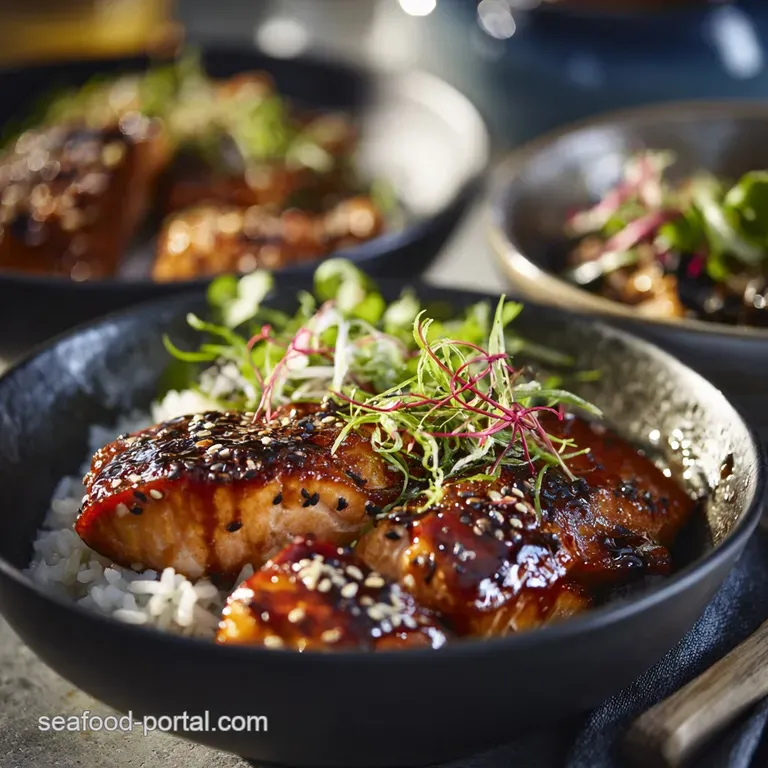
- Introducing the Ultimate Miso-Glazed Salmon Bowls
- The Science of Satisfaction: Why These Salmon Bowls Shine
- Essential Components and Ingredient Swaps
- Mastering the Method: Preparing Your Miso-Glazed Salmon Bowls
- Achieving Flawless Results: Chef's Tips and Troubleshooting
- Meal Prep and Longevity: Storing Your Salmon Bowl Components
- Elevating Your Salmon Bowls: Perfect Pairings and Garnishes
- Recipe FAQs
- 📝 Recipe Card
Introducing the Ultimate Miso Glazed Salmon Bowls
That smell when the miso glaze caramelizes slightly on the salmon skin? It’s absolutely addictive, creating this perfect, sticky, savory sweet aroma that fills your whole kitchen. You know exactly what I mean if you’ve ever had proper restaurant quality glazed fish that leaves you completely satisfied.
This recipe is my personal secret weapon when I need something fast, healthy, and genuinely delicious without breaking the bank. Forget those sad, boring weekday meals because this vibrant Salmon Bowl comes together easily in under 40 minutes.
It feels like a splurge dinner, but honestly, it’s one of the most budget friendly ways to eat premium fish at home.
We’re balancing that rich, omega-3 packed salmon with bright, crunchy quick pickles and a solid, earthy base of brown rice. Learning how to nail this sticky miso glaze transforms everything about your weekday cooking routine. Ready to dive into the details and conquer the perfect [Quick Salmon Recipes] meal?
The Science of Satisfaction: Why These Salmon Bowls Shine
The Magic of the Miso Ginger Glaze
Miso paste brings this incredible, earthy umami depth that salt alone can never achieve. When you combine that profound savory quality with a touch of honey for caramelization and fresh grated ginger for zing, absolute magic happens in the oven.
The glaze thickens up into a perfect, glossy lacquer that coats the fish beautifully and keeps it moist.
Why Bowl Meals Are the New Weeknight Essential
They truly are a lifesaver, especially for portion control and achieving flavor layering perfection. A bowl allows you to get a tiny bite of creamy avocado, crunchy pickle, flaky salmon, and warm rice all in one go.
This structured approach ensures every single spoonful you take is perfectly balanced, making those quick [Healthy Salmon Dinner] nights feel effortless and complete.
Recipe Snapshot: Time, Servings, and Prep
This Miso Salmon Bowl is a fantastic dish for four people, and the active prep time is surprisingly short. We are looking at about 20 minutes of actual chopping and whisking, followed by about 15 minutes of crucial hands off cooking time in the oven.
Plan for 40 minutes total because the nutty brown rice needs its full cooking and resting time; don't try to rush the base layer!
Balancing Act: Acidity from Quick Pickles vs. Rich Salmon
This balance is the secret weapon to an incredible bowl! Rich, oily fish like salmon desperately needs a bright counterpoint to cut through the fat and clean the palate. Our quick pickles just simple cucumber and carrot marinated in vinegar and sugar provide necessary acidic brightness and crunch.
Seriously, don't skip the pickles; they prevent the dish from feeling heavy or one-note.
Unlocking Umami: The Role of Miso Paste
Miso, specifically Shiro (white) miso, adds that profound, savory quality known as umami. It makes the entire glaze taste intensely complex and deeply satisfying, even though the total ingredient list is minimal.
White miso is sweeter and milder than the darker red varieties, which is why it works perfectly in this sticky, beautiful glaze.
Texture Contrast: Crispy Skin Meets Creamy Flesh
If you use skin-on salmon (which I recommend!), baking it at the high temperature ensures the skin gets delightfully crisp while the internal temperature remains perfectly flaky and tender. That combination of crispy skin, creamy pink flesh, sticky glaze, and the snap of crunchy pickles is pure textural joy.
This is why these [salmon bowls easy] are a hit every single time I make them.
Essential Components and Ingredient Swaps
Selecting the Perfect Salmon Fillet (Skin On vs. Off)
I always recommend skin-on for baking this style of dish, honestly. The skin acts like a built-in protective layer, helping the fish retain moisture and making it much easier to handle when transferring to the bowl.
If you prefer skinless, that’s absolutely fine; just reduce the cook time by maybe a minute or two. Always look for fillets that are uniform in thickness across your batch for the most reliable, even cooking.
Building the Glaze: Key Ingredients for Maximum Flavor Depth
We rely on white miso for that sweet umami backbone and honey for the beautiful caramelization, but let's talk about alternatives. Finding the right balance is everything here.
| Ingredient | My Recommendation | Viable Substitute |
|---|---|---|
| White Miso | Shiro (sweet white) | Yellow Miso (start with slightly less, it's saltier) |
| Runny Honey | Clover or wild honey | Maple Syrup or Agave Nectar |
| Soy Sauce | Low-Sodium | Tamari (for gluten-free) or Coconut Aminos |
| Brown Rice | Long Grain | Quinoa or White Sushi Rice (for faster cooking) |
The Base Layer: Best Grains for Your Power Bowl
Brown rice is my default choice because it’s wonderfully nutty, provides great fiber, and holds up incredibly well to the heavy toppings and rich glaze. However, if I am truly crunched for time, I grab quinoa; it’s a fantastic substitute that cooks in almost half the time.
Alternatively, cauliflower rice keeps the dish ultra low-carb and still absorbs the sticky glaze nicely.
Quick Pickling vs. Standard Marinades
The genius of quick pickling is that you can achieve intense flavor and satisfying crunch in just 15 minutes flat. We are not aiming for traditional fermentation here; we are just rapidly acidifying the vegetables with a simple sugar and vinegar solution.
Use a box grater or a mandolin if you have one to get those cucumbers and carrots paper thin this maximizes the surface area for the brine!
Mastering the Method: Preparing Your Miso Glazed Salmon Bowls
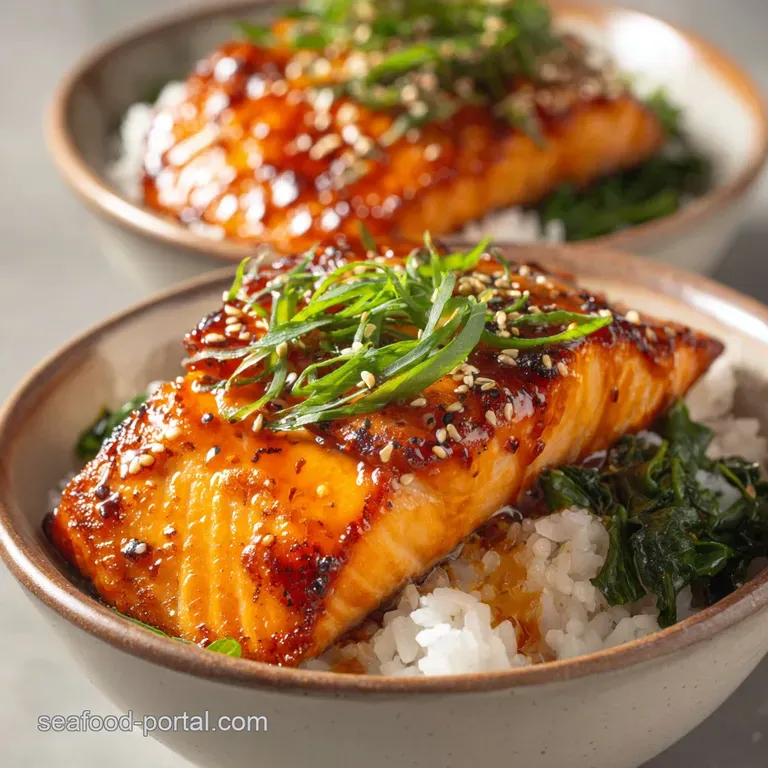
Phase One: Crafting the Quick Pickled Cucumber
First, combine your rice wine vinegar, sugar, and salt in a shallow dish and whisk vigorously until everything is completely dissolved. Next, slice your cucumber and carrots into those thin matchsticks and toss them right into that waiting brine.
Set this entire dish aside at room temperature; the vegetables need a solid 15 minutes to soak up that perfect tangy flavor.
Phase Two: Glazing and Baking the Salmon to Perfection
Mix all the glaze ingredients (miso, soy, honey, ginger, garlic) in a small saucepan and bring it to a gentle simmer, stirring frequently until it slightly thickens. You want it sticky and viscous, not watery.
Pat your salmon completely dry, season lightly with pepper, and place it skin side down on a lined baking tray. Bake for 8 minutes at 400°F (200°C) without any glaze. This sets the fish structure.
Chef's Note: Never brush the sugary miso glaze on right at the beginning, or it will blacken and burn before the center of the salmon is cooked through. Applying the glaze halfway through is the key to achieving that perfect, glossy, non-burnt finish!
Remove the tray, brush generously with half of the prepared glaze, and return it to the oven for another 5 to 7 minutes until the fish flakes easily. If you prefer a darker crust, you can briefly hit it under the broiler for 30 seconds.
Phase Three: Assembling the Ultimate Power Bowl
Start by fluffing your brown rice; letting it steam for 10 minutes off the heat makes a huge difference in texture. Divide the warm rice evenly among your four large bowls. Place the gorgeous, glazed fillet on top, then drain and arrange your vibrant pickled vegetables alongside it.
Finish the bowls with creamy slices of avocado, a generous sprinkle of toasted sesame seeds, and maybe a dash of the reserved fresh glaze. You’ve just made the best [salmon bowls with rice] dinner imaginable.
Achieving Flawless Results: Chef's Tips and Troubleshooting
Preventing Dry Salmon: Temperature Control is Key
People often overcook salmon because they trust the clock instead of simply trusting their instincts and their eyes. As soon as the thickest part of the fish starts to flake easily and looks opaque pink, pull it out immediately.
The carryover heat will finish the cooking process perfectly , resulting in incredibly flaky, moist fish. If you’re into mastering cooking techniques for fish, you should definitely check out my [Blackened Salmon: Fiery Flaky in Minutes with the Perfect Crust] recipe!
The Secret to a Glossy, Non-Burning Glaze
As I mentioned earlier, splitting the glaze application is everything! Apply half near the end of the cooking process, and save a tiny bit of the unbaked, fresh glaze for drizzling at the very end.
That reserved glaze adds a wonderful fresh pop of flavor and moisture that truly makes the finished dish sing.
Fixing Over Pickled or Soggy Cucumbers
If your cucumbers sit too long (more than a day, honestly) they can get too soft and salty from the quick brine. If this happens right before serving, try rinsing them very briefly under cold water to wash off some of the excess salt and sugar.
For proper meal prep, always store the vegetables separately from the brine solution and combine them just before serving to maintain that desirable crunch.
Meal Prep and Longevity: Storing Your Salmon Bowl Components
How Long Cooked Salmon Lasts in the Refrigerator
Cooked glazed salmon, if stored properly in an airtight container, is safe and delicious for 3 to 4 days. I often intentionally cook an extra fillet just for tomorrow’s planned lunch! Just make sure both the rice base and the cooked salmon are cooled completely before sealing them away in the fridge.
Freezing the Glaze (Yes, You Can!)
The raw miso glaze, before it touches any fish, freezes absolutely beautifully, making it an awesome meal prep component for busy people. Pour it into a small jar or a heavy duty freezer bag and it will happily last for three months.
Thaw it overnight in the fridge and give it a good whisk before using it to coat your fish or even some firm tofu!
Reheating Strategies for Optimal Texture
Never, ever microwave the salmon if you can avoid it; that is a guaranteed shortcut to dry, rubbery fish. The best way to reheat salmon is in a 300°F (150°C) oven or even a toaster oven for about 8– 10 minutes, covered loosely with foil to retain moisture.
If you absolutely must use a microwave, reheat the rice and pickles separately first, then zap the fish for only 60 seconds on low power.
Elevating Your Salmon Bowls: Perfect Pairings and Garnishes
Garnishes aren't just for looks; they add that crucial final layer of flavor complexity and texture. Thinly sliced radishes are a great addition, adding an extra little bitter crunch that complements the sweet glaze beautifully.
You could also try adding finely chopped fresh coriander or chives instead of just spring onion for different aromatic notes.
If you are obsessed with the convenience of a bowl meal but want to switch up your protein base entirely, you have to try this recipe’s amazing cousin. The flavor profile is totally different, but the perfect structure remains. You must try my [Mexican Tilapia Bowls: Zesty Chipotle Fish with Avocado Crema].
They share the same winning bowl structure and are perfect for a different kind of speedy seafood night!
Recipe FAQs
Why did my salmon come out dry or overcooked?
Overcooking is a common issue, especially when using high heat without monitoring the internal temperature. Ensure the thickest part of the salmon reaches an internal temperature of 145°F (63°C) for perfect flakiness. For pan-searing, cook mostly skin side down to protect the delicate flesh.
I don't have white miso. What can I use instead for the glaze?
White miso offers a uniquely sweet and mild umami flavor that is hard to replace exactly. If unavailable, you can substitute it with a mixture of equal parts soy sauce and honey, and a dash of rice vinegar to mimic the sweet and-salty balance. Be aware that dark miso is much saltier, so use it sparingly.
How should I store the Salmon Bowls for meal prepping?
For best results, store the cooked salmon separately from the rice and the fresh or pickled vegetables. This prevents the salmon from getting soggy and the hot rice from wilting the greens. The cooked components will stay fresh for up to 3 days in the refrigerator.
Can I use quinoa or cauliflower rice instead of traditional rice?
Absolutely, quinoa and cauliflower rice are excellent, high fiber alternatives that work perfectly in a power bowl format. If using quinoa, ensure it is fully cooled before assembling the bowl to prevent any fresh garnishes or greens from wilting prematurely. Lentils also make a fantastic base.
My Miso Ginger glaze seems too runny. How can I thicken it?
To thicken a runny glaze, create a slurry by mixing one teaspoon of cornstarch with one teaspoon of cold water until smooth. Whisk this slurry into the simmering glaze and allow it to cook for one minute; the mixture should visibly thicken and lightly coat the back of a spoon.
Can this recipe be adapted for a vegetarian or vegan diet?
Yes, the savory miso ginger glaze pairs beautifully with plant based proteins. Substitute the salmon with baked extra firm tofu, tempeh, or thick cut portobello mushrooms. Ensure your chosen substitute is pressed well to remove excess moisture before marinating and baking.
Can I freeze the leftover Miso Glazed Salmon?
Cooked salmon generally does not freeze well, as it tends to become dry and texturally unpleasant upon thawing and reheating. It is best consumed within 3 days of cooking for optimal flavor and texture. However, the quick pickled cucumber may be frozen for up to one month, though its crispness may slightly diminish.
Miso Glazed Salmon Bowls Easy Dinner
Ingredients:
Instructions:
Nutrition Facts:
| Calories | 715 kcal |
|---|---|
| Protein | 43.8 g |
| Fat | 19.4 g |
| Carbs | 89.6 g |
