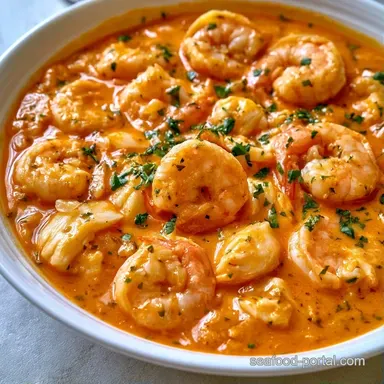
Mexican Fish and Shrimp Soup with Guajillo Chiles
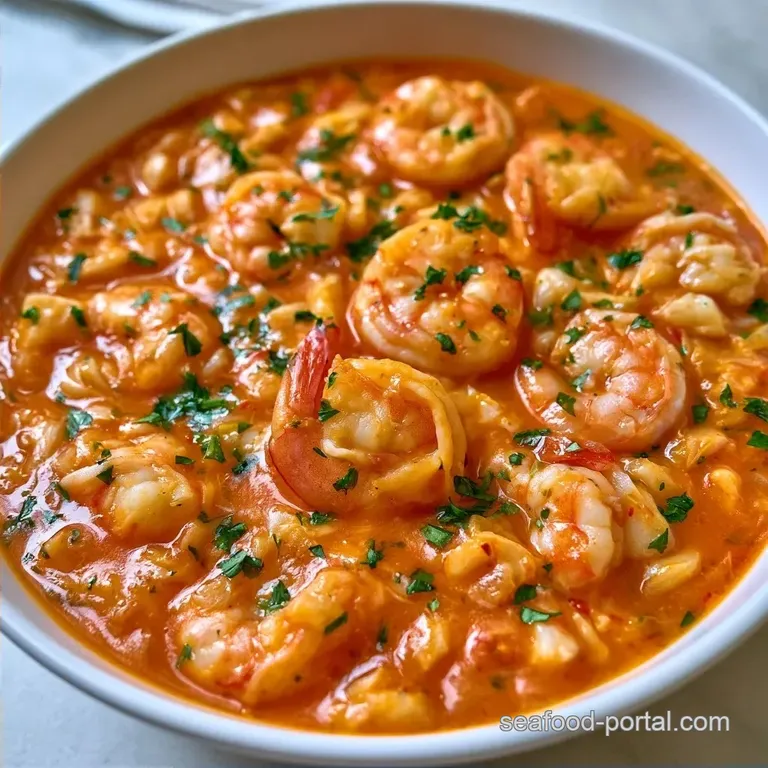
- Time: 25 min active + 40 min cook
- Flavor/Texture Hook: Smoky, mahogany broth with tender, flakey fish
- Perfect for: Hearty weeknight dinners or family gatherings
- Mexican Fish and Shrimp Soup Recipe
- Why This Broth Actually Works
- What Goes in the Pot
- The Gear You'll Need
- Bringing It All Together
- Avoiding Common Kitchen Disasters
- Flavor Twists to Try
- Keeping Leftovers Fresh
- The Best Way to Serve
- Why You'll Love This Recipe
- High in Sodium
- Recipe FAQs
- 📝 Recipe Card
Mexican Fish and Shrimp Soup Recipe
The magic starts with that aggressive sizzle of shrimp shells hitting hot oil. If your seafood soups have ever tasted like warm salty water, you likely skipped this crucial step. I found this out the hard way years ago when I tried to "shortcut" a batch for my in-laws, resulting in a pale, lackluster broth without any real depth.
Since then, my approach has been all about layering flavors. This Mexican Fish and Shrimp Soup emphasizes the proper order of operations: first the shells, then the smoky chiles, and finally a precise poach to ensure the seafood remains tender.
The result is a rich, comforting soup with a gentle heat from the guajillo chiles. It's a one-pot meal that delivers restaurant quality flavor in about an hour.
Why This Broth Actually Works
- Toasted Shells: Sautéing the shrimp heads and shells creates deep, savory notes that a plain boil can't match.
- Chile Paste: Blending the guajillo chiles creates a thick, mahogany base that binds the water and oil together.
- Timed Addition: Adding the fish and shrimp at the very end prevents them from turning into rubber bands.
What Goes in the Pot
The quality of your seafood determines the outcome here. I always suggest using a firm white fish like snapper or halibut so the chunks don't disintegrate into mush. For the shrimp, keep the shells and heads separate from the meat, as they are the engine of the broth.
The guajillo chiles provide a mild, smoky warmth rather than intense heat. If you can't find them, ancho chiles are a decent alternative, though they're slightly sweeter.
The Seafood Base
- 450g shrimp shells and heads Why this? Provides the deep ocean flavor
- 2 dried guajillo chiles, stems and seeds removed Why this? Adds smoky color and warmth
- 1 medium white onion, quartered
- 4 cloves garlic, smashed
- 1.9 liters water
- 30ml vegetable oil
- 5g salt
The Heart of the Soup
- 450g firm white fish fillets, 2.5cm chunks Why this? Holds shape during poaching
- 450g raw shrimp, peeled and deveined
- 2 medium carrots, sliced into rounds
- 2 medium potatoes, peeled and cubed
- 1 medium zucchini, sliced into half moons
- 1 tsp dried oregano
- 1/2 tsp black pepper
The Fresh Finish
- 1/2 cup fresh cilantro, chopped
- 2 limes, cut into wedges
- 1 small red onion, finely diced
- 1 avocado, sliced
| Original Ingredient | Substitute | Why It Works |
|---|---|---|
| White Fish (450g) | Cod or Halibut (450g) | Similar firmness. Note: Cod is slightly milder |
| Guajillo Chiles | Ancho Chiles | Similar smokiness. Note: Taste is sweeter, less "bright" |
| Potatoes (2) | Parsnips or Turnips | Adds a similar earthy bulk. Note: Changes the starch profile |
The Gear You'll Need
While a basic kitchen will do, a large stockpot is essential. A heavy bottomed pot is key to preventing the shrimp shells from scorching during the initial sauté.
I also suggest using a food processor or blender for the chile paste. Hand mincing the soaked chiles is an option, though it lacks that smooth, integrated texture. A fine mesh sieve is also required to filter out the papery skins of the dried chiles.
Bringing It All Together
- Warm the oil in a large stockpot over medium high heat. Sauté the shrimp shells for 3-5 minutes until they are bright orange and smell toasted.
- Stir in the quartered onion and smashed garlic until aromatic. Pour in the water, let it reach a boil, and then let it simmer for 15 minutes to extract the seafood flavor.
- Let the guajillo chiles soak in hot water for 10 minutes until soft. Blend the softened chiles with a little of the soaking liquid into a smooth paste.
- Pour the paste through a fine mesh sieve into the simmering pot. Note: This removes bitter skins
- Mix in the cubed potatoes and sliced carrots. Simmer for 10-12 minutes until the potatoes are almost tender.
- Toss in the zucchini slices and cook for 3-5 minutes until they are fork tender.
- Carefully add the fish chunks and raw shrimp. Simmer for another 3-5 minutes until the shrimp turn opaque and the fish flakes easily.
- Stir in the salt and oregano.
- Take off the heat and serve right away.
- Top each bowl with sliced avocado, lime wedges, diced red onion, and chopped cilantro.
Avoiding Common Kitchen Disasters
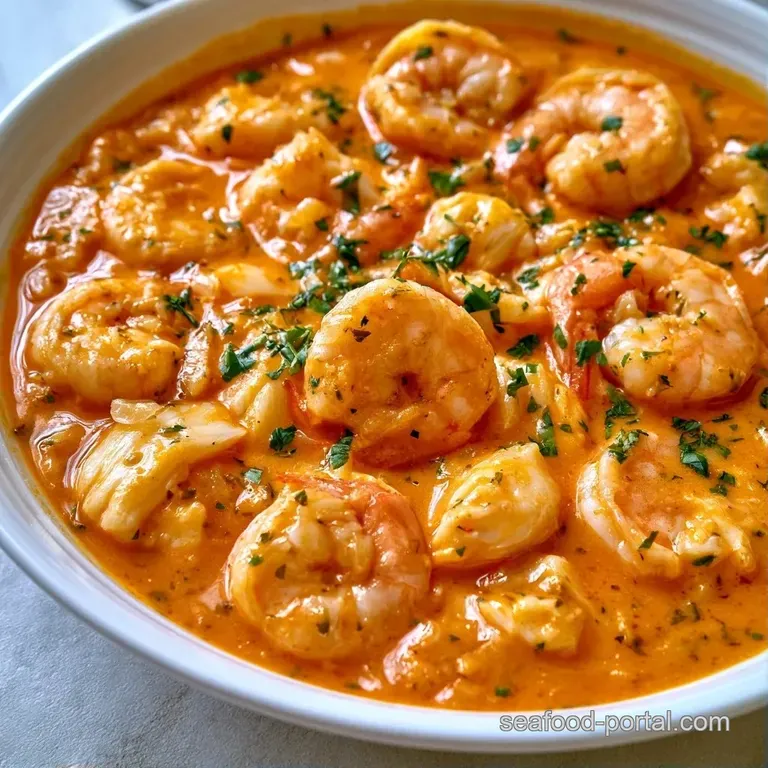
The primary challenge with this Mexican Fish and Shrimp Soup Recipe is avoiding overcooked seafood. While USDA guidelines suggest a safe internal temperature of 145°F (63°C) for fish, visually check that the shrimp are only gently curved; if they coil tightly, they are overdone.
Broth consistency is another potential pitfall. If the liquid appears too thin, you may have over strained the chile paste or added too much water. You can rectify this by simmering the broth for an additional 10 minutes before adding the seafood.
Avoiding Rubber Shrimp
If your shrimp have a rubbery texture, they were likely boiled for too long. Make sure to add them only during the final 5 minutes of cooking.
Improving a Dull Broth
A lack of depth usually indicates that the shells weren't toasted sufficiently or the salt level is too low. A fresh squeeze of lime at the end will brighten the overall flavor.
Keeping the Fish Intact
Stirring too aggressively can cause the fish chunks to break apart. Instead, fold them in carefully using a wooden spoon.
| Problem | Fix |
|---|---|
| Rubbery Shrimp | Lower poach time to 3 minutes |
| Bland Broth | Add more lime juice or a pinch more salt |
| Fish Falling Apart | Use a sturdier fish like Halibut and stir less |
Flavor Twists to Try
If you want to change the profile, try adding a tablespoon of tomato paste when you sauté the onion. This deepens the red color and adds a slight sweetness that balances the smoky chiles.
For those who like a bit more creaminess, I've found that drizzling a bit of creamy fish taco sauce over the top of the bowl adds a wonderful tang. You could also swap the zucchini for chayote squash for a more traditional texture.
Another option is to add a handful of frozen peas during the last 2 minutes of simmering. This adds a pop of bright green and a bit of sweetness to the rich broth.
Keeping Leftovers Fresh
Keep leftover soup chilled for a maximum of 2 days. I suggest storing the seafood in its own container, separate from the broth and vegetables, to keep the fish from overcooking when you reheat the dish.
Avoid freezing the finished soup, as the potatoes will turn grainy and the zucchini will lose its structure after thawing. For early preparation, you can make the broth (up to the chile paste step) and freeze it for up to 2 months.
To make use of veggie scraps, collect your carrot ends and onion skins in a freezer bag. Once you have accumulated plenty, boil them along with the shrimp shells to produce a more concentrated seafood stock.
The Best Way to Serve
This soup is a meal on its own, but it loves a side of warm corn tortillas. I like to char the tortillas over an open flame for 10 seconds per side to get those black spots.
If you're looking for a full seafood feast, this pairs great with a side of cornmeal catfish fry. The crunch of the fried fish contrasts with the soft, poached seafood in the soup.
Always serve the lime wedges on the side. Everyone has a different preference for acidity, and a fresh squeeze of lime right before eating cuts through the richness of the avocado.
Why You'll Love This Recipe
The success of this Mexican seafood soup lies in avoiding pre-packaged stock. By crafting a quick homemade base from shrimp shells, you achieve a depth of flavor that feels truly authentic.
Testing from Serious Eats indicates that building the broth from shells significantly boosts the concentration of savory amino acids.
The careful layering of vegetables ensures that nothing becomes mushy. Potatoes provide a touch of starch to body the liquid, while the zucchini adds a light, fresh contrast. It is a well rounded bowl that is as nourishing as it is tasty.
Now you have everything ready. Trust me, taking the time to toast those shells is what elevates this from a "fine" soup to one your guests will beg you to recreate. Let's get started.
High in Sodium
975 mg 975 mg of sodium per serving (42% 42% of daily value)
The American Heart Association recommends a daily limit of 2,300mg, with an ideal limit of 1,500mg for most adults to reduce the risk of cardiovascular disease.
Tips to Reduce Sodium
-
Reduce Added Salt-30%
Cut the 1 tsp of salt in half or replace it entirely with a salt free seasoning blend to drastically lower the sodium content.
-
Increase Citrus Acid-15%
Squeeze more fresh lime juice into the stew at the end; the acidity mimics the taste of salt and brightens the overall flavor.
-
Amplify Aromatics-10%
Increase the amount of smashed garlic and quartered onion to build a deeper flavor base that reduces the need for salt.
-
Use Fresh Herbs
Add extra fresh cilantro and dried oregano to provide aromatic complexity and flavor without adding any sodium.
Recipe FAQs
What's the typical name for this style of Mexican seafood soup?
It is often called Caldo de Pescado. For those who enjoy this flavor profile, our prawn creole offers a similar depth of seafood essence.
Which fish works best for this recipe?
Use a firm white fish like snapper or halibut. These varieties hold their shape and won't disintegrate during the final simmer.
How do I prevent the shrimp from overcooking?
Add the fish and raw shrimp only during the last 3 to 5 minutes of simmering. This ensures the seafood stays tender and opaque.
Is it true that boiling shells is the same as sautéing them?
No, this is a common misconception. Sautéing the shells in oil first creates the deep, savory notes required for a rich broth.
Why blend the guajillo chiles into a paste?
Blending creates a smooth consistency that provides the broth with its mahogany color. It allows the smoky flavor to integrate fully into the liquid.
Mexican Fish And Shrimp Soup