How to Make Nigiri Sushi Like: a Masterclass
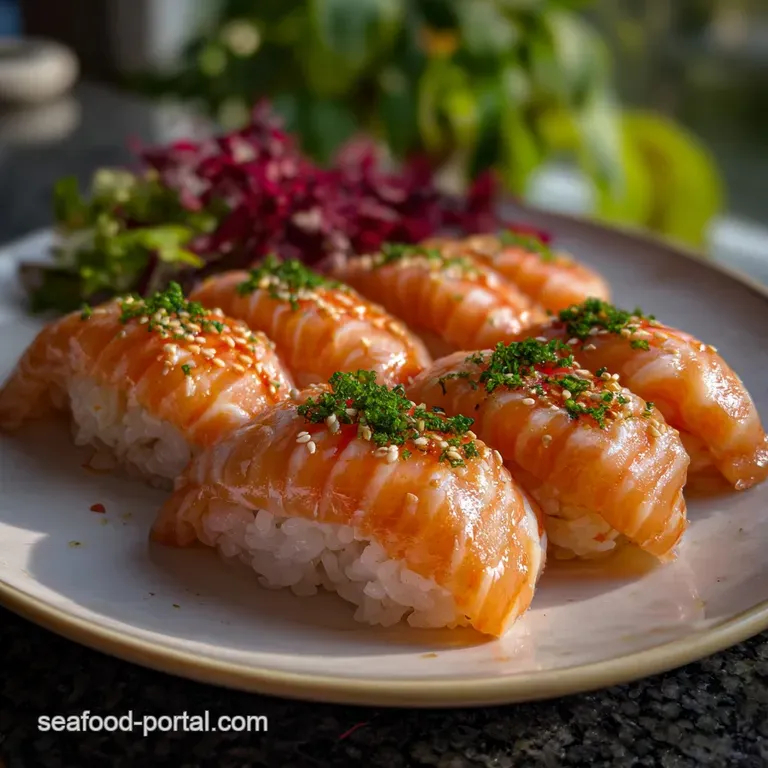
- Effort/Time: 1 hour 5 mins of focused precision.
- Flavor Hook: Clean, bright acidity paired with fatty, umami-rich fish.
- Perfect for: High-end date nights or impressing serious foodies.
How to Make Nigiri Sushi Like a Professional at Home
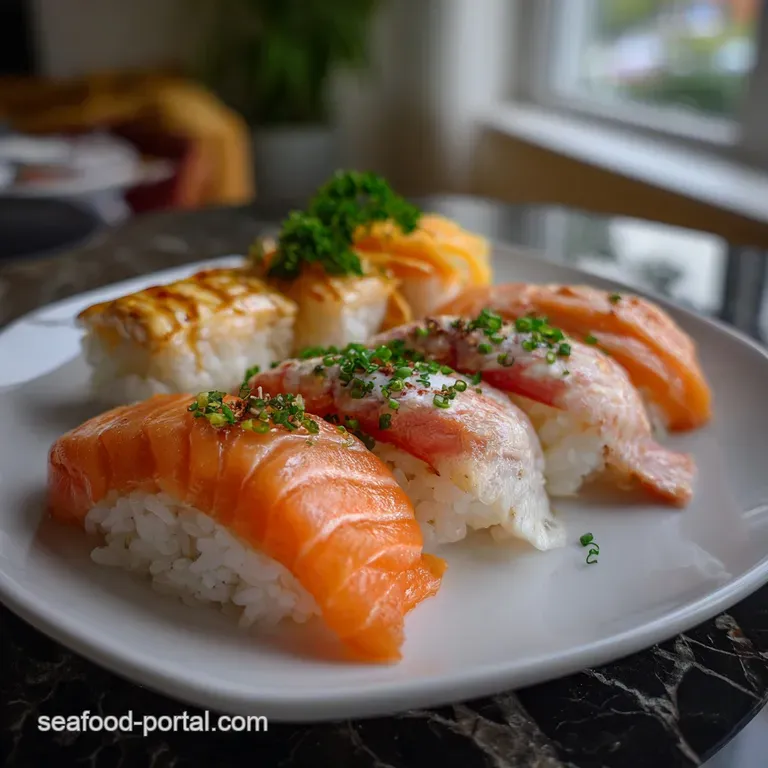
The Heart of the Hand Pressed Bite
You’ve likely experienced the frustration of "sushi" that tastes more like a cold rice ball topped with rubber. We’ve all been there the rice is too mushy, the fish is sliced too thick, or the whole thing collapses before it hits the Shoyu.
Learning How to Make Nigiri Sushi Like a seasoned chef requires moving past "making food" and into the territory of managing moisture and friction.
I remember my first attempt; I didn't wash the rice enough, and I ended up with a literal paste. But once you understand the physics of the Shari (sushi rice), everything clicks. The scent of the 1/4 cup (60ml) Rice vinegar hitting the warm rice is the first sign you're doing it right.
This guide is about precision. We aren't just putting fish on rice; we are engineering a perfect delivery system for umami. By the end of this, you’ll know How to Make Nigiri Sushi Like someone who has spent years behind a cypress counter.
The Science of Why it Works
- Starch Retrogradation Control: Adding 1/4 cup (60ml) Rice vinegar and 2 tbsp (25g) Granulated sugar to warm rice prevents the starches from hardening, keeping the grains "velvety" yet distinct.
- Protein Denaturation via Acid: The vinegar in the rice acts as a mild curing agent for the fish, subtly tightening the surface proteins of the 1 lb (450g) Sashimi grade fish upon contact to enhance mouthfeel.
- Capillary Action in Shari: Hand shaping creates small air pockets between grains, allowing the 2 tbsp high-quality Shoyu to be pulled upward into the rice without soaking it.
The Science Behind Short Grain Japanese Rice
- What It Does
- Provides the structural foundation and essential "stick and release" texture for the nigiri base.
- The Chemistry
- Short grain varieties like Koshihikari contain a specific ratio of amylopectin to amylose, which triggers starch gelatinization during the 20 minutes cook time.
- Why This Matters
- This molecular structure allows the rice to hold its shape under the pressure of your palm while instantly shattering into individual grains when chewed.
The Science Behind Kombu
- What It Does
- Infuses the 2 cups (475ml) Filtered water with deep, base layer savoriness.
- The Chemistry
- Kombu releases L-glutamate molecules into the water as it reaches sub-boiling temperatures, creating a natural umami synergy with the fish.
- Why This Matters
- It provides a savory "bridge" between the neutral rice and the fatty salmon or tuna, making the flavors feel more integrated.
The Science Behind Rice Vinegar
- What It Does
- Seasons the rice and controls the microbial environment while providing a bright flavor profile.
- The Chemistry
- The acetic acid lowers the pH of the rice, which inhibits starch crystallization and keeps the rice tender at room temperature.
- Why This Matters
- This ensures the rice doesn't become a dense, hard brick, allowing it to maintain a "shatter-on-the-palate" quality.
Ingredients & Professional Substitutions
To truly understand How to Make Nigiri Sushi Like an expert, you need the right components. Using a Zojirushi Rice Cooker ensures consistent hydration, and a Kikuichi Yanagiba (slicing knife) is essential for clean fish cuts.
| Original Ingredient | Substitute | Why It Works |
|---|---|---|
| 2 cups (400g) Short grain Japanese rice | Calrose Rice | Medium grain substitute; slightly less sticky but holds shape well. |
| 1/4 cup (60ml) Rice vinegar | Apple Cider Vinegar | Use 1:1. Adds a fruitier note; lacks the traditional clean finish. |
| 1 lb (450g) Sashimi grade fish | high-quality Smoked Salmon | Provides a similar fat content and texture if raw fish isn't available. |
| 2 tsp Freshly grated wasabi | Wasabi Paste (Tube) | More heat, less floral nuance. Note: Often contains horseradish. |
Instructions: How to Make Nigiri Sushi Like a Master
- Polish the 2 cups (400g) Short grain Japanese rice.Note: Rinsing removes surface starch to prevent the grains from becoming a gummy mass during cooking.
- Soak rice with 1 small piece (2 inch) Kombu for 30 minutes. Note: Pre-hydration ensures even heat distribution through the grain's core during the 20 minutes cook cycle.
- Cook the rice in 2 cups (475ml) Filtered water.Note: Precise water-to-rice ratios are critical for achieving the "al dente" sushi texture.
- Dissolve 2 tbsp (25g) Granulated sugar and 1 tsp (6g) Sea salt into 1/4 cup (60ml) Rice vinegar.Note: Heating the vinegar slightly helps the solutes dissolve without creating a supersaturated, grainy syrup.
- Fold the vinegar mixture into the hot rice using a slicing motion.Note: Slicing prevents crushing the rice cells, which would release excess starch and ruin the grain definition.
- Slice the 1 lb (450g) Sashimi grade fish into 1/2 inch thick rectangles.Note: Cutting against the grain breaks down connective tissue for a "velvety" mouthfeel.
- Dampen hands with Tezu (water/vinegar mix).Note: The acidity and moisture create a barrier that prevents the rice's amylopectin from sticking to your skin.
- Form a 20g oval of rice in your palm.Note: Applying gentle pressure creates a "bridge" shape that leaves the center of the rice ball airy.
- Apply a dab of 2 tsp Freshly grated wasabi to the fish.Note: The wasabi acts as a flavor enhancer and a biological "glue" between the fish and rice.
- Press the fish onto the rice ball using two fingers.Note: This final "locking" movement ensures the nigiri doesn't disassemble when dipped in 2 tbsp high-quality Shoyu.
Chef's Tip: To truly master How to Make Nigiri Sushi Like a pro, keep your rice at body temperature (around 98°F). Cold rice is the enemy of flavor; it masks the delicate fats in the fish.
Common Mistakes
| Problem | Why It Happens | The Fix | Pro Protocol |
|---|---|---|---|
| Rice Falls Apart | Not enough pressure or too much vinegar. | Increase "tucking" pressure during the forming stage. | Use a digital scale to ensure exactly 20g of rice per piece. |
| Fish is Tough | Sliced with the grain instead of against it. | Rotate the fish block 90 degrees before slicing. | Use a single bevel Yanagiba knife for a microscopic clean cut. |
| Gummy Texture | Rice was over mixed or not rinsed. | Use a wooden Hangiri to absorb excess vinegar moisture. | Rinse rice until the water is crystal clear usually 5 6 washes. |
Common Myths
Myth: Sushi means "raw fish." Truth: "Sushi" actually refers to the vinegared rice. The 1/4 cup (60ml) Rice vinegar is what technically makes it sushi, regardless of the 1 lb (450g) Sashimi grade fish on top.
Myth: You should dip the rice into the soy sauce. Truth: Dipping the rice causes it to disintegrate and over salts the bite. Flip the nigiri and dip ONLY the fish into the 2 tbsp high-quality Shoyu to preserve the Shari structure.
Technical Mastery: The Anatomy of the Slice
When you are learning How to Make Nigiri Sushi Like a professional, your knife skills are 50% of the battle. Use long, pulling strokes. Never "saw" the fish. A saw motion creates jagged edges that disrupt the "shatter" of the fish on your tongue. If you are using Salmon, look for the white fat lines; your cut should be perpendicular to these for the best texture. If you're looking for other ways to master seafood, my guide on How to Bake Breaded Fish Perfectly: Ultra Crispy Results uses similar principles of moisture control.
Storage, Freezing, and Reheating
How to Make Nigiri Sushi Like a pro involves knowing that freshness is non-negotiable.
- Fridge: Nigiri is best consumed within 30 minutes of preparation. If you must store it, wrap it tightly in plastic wrap and keep it in the warmest part of the fridge for no more than 4 hours. The rice will begin to undergo starch retrogradation (hardening) quickly.
- Freezing:Do not freeze. Freezing the 1 lb (450g) Sashimi grade fish after it has been placed on rice will destroy the cellular structure of both, resulting in a mushy, watery mess upon thawing.
- Reheating: Never microwave nigiri. If the rice has hardened in the fridge, let it sit at room temperature for 15 minutes to take the chill off, though the quality will be significantly diminished.
Expert Variations
- Aburi Style: Use a kitchen torch to lightly sear the top of the fish for 3 5 seconds. This melts the surface fats and adds a "sizzle" and smoky aroma. This pairs beautifully with a side of How to Make Lemon Cream Sauce: A Velvety Finish if you're going for a modern fusion vibe.
- Zuke (Marinated): Soak the tuna slices in a mixture of 2 tbsp high-quality Shoyu and a splash of mirin for 10 minutes before forming. This deeply seasons the protein.
- Vegetarian Nigiri: Swap the fish for blanched shiitake mushrooms or roasted red peppers. The chemistry of the rice remains the same, providing that classic "sushi" satisfaction.
Learning How to Make Nigiri Sushi Like a master is a journey of 1,000 bites. It starts with the 2 cups (400g) Short grain Japanese rice and ends with your ability to stay calm and precise. Don't worry if your first few pieces look like "sad triangles" even the best chefs started there.
Keep your hands moist with Tezu, your knife sharp, and your fish cold. You've got this! Now, let's get that rice in the cooker and start your first real masterclass in How to Make Nigiri Sushi Like a pro.

Recipe FAQs
What rice temperature is ideal for shaping nigiri?
Body temperature (around 98°F/37°C). Rice that is too cold packs too tightly, destroying the airy structure. Cooling the shari slightly allows the vinegar to set without making the starch brittle.
Must the fish be sashimi grade?
Yes, absolute safety requirement. Consuming raw fish not specifically handled and frozen to eliminate parasites poses serious health risks. Always source from reputable fishmongers.
Can I substitute rice vinegar with distilled white vinegar?
How much wasabi should I apply?
Just a dab. Wasabi acts as an adhesive and flavor bridge; too much overwhelms the delicate fish flavor. It should be applied directly to the fish, not mixed into soy sauce.
What is the primary difference between Nigiri and Sashimi?
Why does my nigiri fall apart when picked up?
- Use moistened, not soaking, hands
- Shape in three distinct, gentle presses
- Maintain rice warmth for cohesion
Myth: I must rinse the sushi rice until the water runs completely clear.
Myth: Rinsing until water is clear removes too much surface starch necessary for optimal stickiness. Gentle rinsing until the water is only slightly cloudy ensures the rice retains enough surface starch for perfect shari consistency.
Mastering Nigiri Sushi At Home

Ingredients:
Instructions:
Nutrition Facts:
| Calories | 598 kcal |
|---|---|
| Protein | 30 g |
| Fat | 15 g |
| Carbs | 86 g |
| Fiber | 2 g |
| Sugar | 6 g |
| Sodium | 980 mg |
