Lobster Pasta with Cream Sauce Luxurious Tagliatelle for Special Occasions
- Elevating the Standard: Why This Lobster Pasta with Cream Sauce is Different
- Securing Your Culinary Arsenal: Essential Components and Equipment
- Mastering the Sauce: Step and by-Step Execution for Decadent Results
- Troubleshooting and Enhancements for Your Creamy Lobster Tagliatelle
- Recipe FAQs
- 📝 Recipe Card
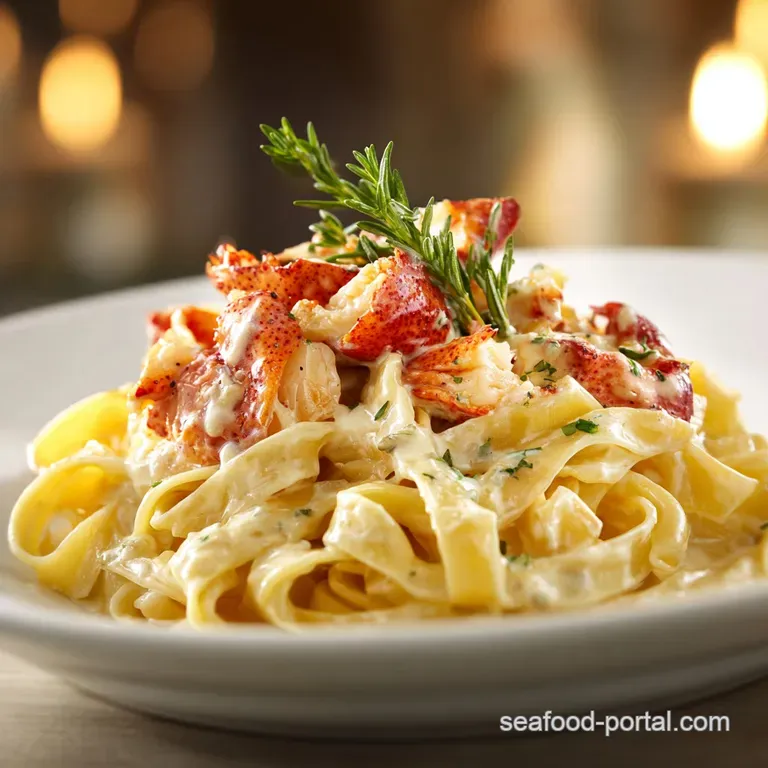
Elevating the Standard: Why This Lobster Pasta with Cream Sauce is Different
Okay, let's be real. When most recipes call for "cream sauce," they mean a heavy, thick blanket of dairy that coats everything and sits like a delicious, though slightly cloying, weight in your stomach. My version of lobster pasta with cream sauce is not that.
We are aiming for something luxurious, absolutely, but also light enough that you don't need a nap immediately after the last bite. It’s a delicate balance.
The difference here comes down to one simple, crucial element: building flavour depth before adding the cream. If you just toss cream into a pan, you get fat and richness. If you build a complex foundation using quick homemade stock and a serious reduction of dry white wine, you get intensity.
That combination is what elevates this from "good seafood pasta" to "fancy lobster pasta with cream sauce" that blows everyone away. We want the sauce to cling, not drown the pasta. We want the lemon and wine to cut through the richness. It’s brilliant.
Culinary Time Commitment: Prep, Simmer, and Plate
I won't lie to you; this isn't a 20 minute meal. Handling the lobster cooking it, shelling it, and making the quick stock takes about 30 minutes of focused effort. But look, if you’re spending the money on high and quality lobster, you should treat it right.
The good news is the actual sauce execution, once your prep is done, is incredibly fast. We’re talking 15 minutes max from butter hitting the pan to the final, critical emulsification. The time investment pays off tenfold, I promise.
The Secret Weapon: Building a Rapid Lobster Stock
Listen up, this is where most home cooks skip a step, and it is a massive mistake. When you cook that lobster and pull out the meat, what are you doing with the shells? Throwing them away? Stop it right now! Are we wasting perfectly good lobster essence? No, we are not.
The shells (especially the head and legs, which have tons of flavour) are the key to an unparalleled lobster cream sauce pasta . Toss them in a pot with a little butter, a quick chop of shallot, water, and some herbs, and simmer hard for 20 minutes.
That liquid is liquid gold. It's the intensely savoury depth that makes the lobster pasta with creamy sauce sing. Without this tiny step, you’re just making expensive cream sauce. With it? You’ve made magic. Trust me on this.
Balancing Richness: Achieving That Perfect Velvety Texture
The enemy of creamy pasta is separation. You know that moment when the butter and cream break apart? Tragedy. We avoid this by using two specific balancing agents. First, the wine: It acts as an acid, which helps keep the proteins in the cream from clumping, and the reduction concentrates the flavour.
Second, the starchy pasta water. That reserved water isn't just for thinning the sauce; the starch particles are essential for creating an emulsion, binding the fat (butter and cream) and the liquid (stock/wine) together into a single, glossy, velvety coating. It shouldn’t be chunky or soupy.
It should be gorgeous and smooth.
Securing Your Culinary Arsenal: Essential Components and Equipment
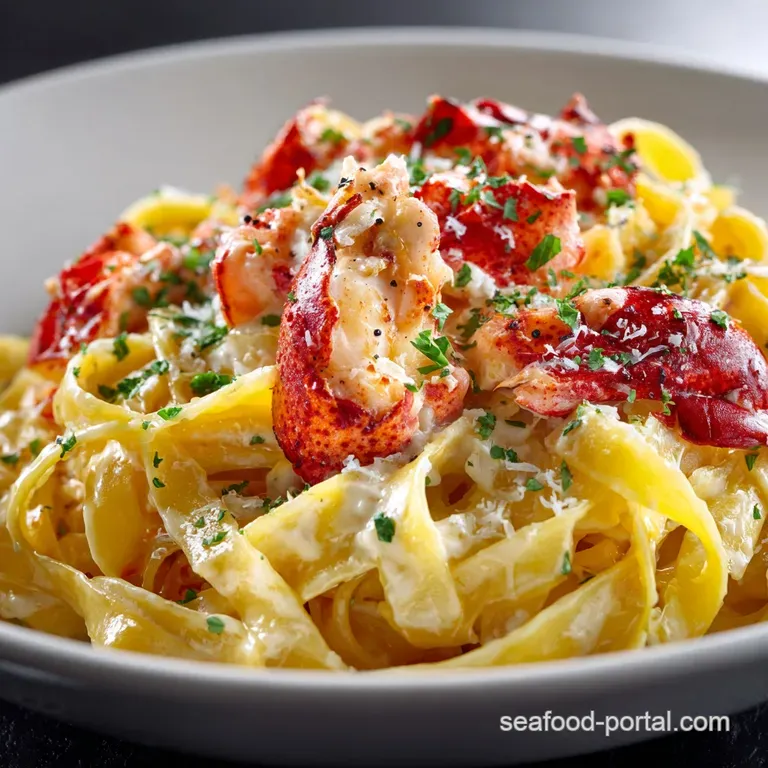
Right then, time to talk ingredients. I call this our arsenal because, for a meal this special, everything needs to be top and notch. Don't skimp on the cream. Don't use dried garlic. We are going gourmet, darling.
Choosing the Finest Lobster: Fresh vs. Frozen Meat
Ideally, you want fresh, raw lobster that you cook yourself, as the resulting shells are perfect for the stock. If that's impossible due to geography or budget, you can absolutely use high and quality frozen raw lobster tails. Defrost them slowly in the fridge overnight.
Crucial Warning: Never, ever buy pre and cooked, chilled lobster meat that is already shelled unless you are absolutely sure of the source. It dries out fast, and worse, you lose the shells needed for the vital stock!
If you must use frozen cooked meat, you'll need to sub in a high and quality fish stock or clam juice, but you’ll sacrifice a bit of that deep lobster sweetness.
Pasta Pairings: Why Tagliatelle Triumphs Over Linguine
I know, I know, everyone uses linguine for seafood pasta. But for a rich, creamy sauce like this lobster pasta with champagne cream sauce (even if we are using Pinot Grigio), I prefer tagliatelle.
Tagliatelle is flat and porous, giving it more surface area to really grab onto the thick, velvety sauce. Linguine, being rounder, tends to let the sauce slide off a bit. A wide, flat noodle just gives a superior, satisfying bite every time. Pappardelle also works brilliantly if you have it!
Beyond the Basics: Shallots, White Wine, and Finishing Fats
We use shallots instead of onions because their flavour is milder and more delicate; they melt into the sauce beautifully without overpowering the seafood. When you buy the white wine, remember the cardinal rule: if it’s too bad to drink, it’s too bad to cook with.
The wine reduces down, concentrating everything the good and the bad. The tiny bit of tomato paste? It adds colour and a savory depth, what the Italians call umami , without making the dish taste like a lobster pasta with tomato cream sauce .
It’s the secret, subtle backbone.
Efficient Ingredient Prep: The Mise en Place Checklist
You cannot rush this recipe, but you can be organized. Getting your mise en place (everything in its place) ready is vital because once the sauce starts, it moves quickly.
- Cook and shell the lobster; set the meat aside.
- Strain and measure the lobster stock.
- Finely dice the shallots and mince the garlic.
- Measure the cream and wine.
- Grate the Parmesan.
Measuring Success: Accurate Quantities for the Creamy Sauce Base
The sauce base must be rich, so don't be shy with the butter and heavy cream. We are aiming for a luxurious, decadent dish here. Honestly, don't even bother with low-fat alternatives; the sauce will split or simply taste watery.
| Ingredient | Role | Amount for 4 Servings |
|---|---|---|
| Heavy Cream (35%+) | Richness/Base | 1 cup (240 ml) |
| Dry White Wine | Acidity/Flavour | 1/2 cup (120 ml) |
| Lobster Stock | Depth/Umami | 1/4 cup (60 ml) |
| Butter | Emulsifier/Silky Finish | 3 tbsp (45g) |
Related Recipes Worth Trying
- Creamy Miso Ramen Velvet Broth in 40 Minutes Easy Recipe — This Creamy Miso Ramen recipe delivers restaurantquality velvet broth in just 40 minutes Its an intensely flavorful easy ramen soup recipe that bypasses...
- OnePot Creamy Tuna Noodle Casserole The 35Minute Weeknight Wonder — The OnePot Creamy Tuna Noodle Casserole is the ultimate easy comfort food Make this streamlined Tuna Noodle Casserole Stovetop recipe in just 35 minutesno...
- Garlic Shrimp Pasta Restaurant Quality 30Minute Scampi Recipe — Garlic Shrimp Pasta is the ultimate weeknight winner Learn the chefs secret to this easy restaurantquality shrimp pasta without cream ready in 30 minutes...
Mastering the Sauce: Step and by-Step Execution for Decadent Results
This is where the magic happens. We’ve done the heavy lifting with the prep and the stock. Now, we are simply assembling the layers of flavour.
Stage One: Infusing Flavor into the Cream Base
Start by melting your butter and olive oil together. This raises the smoke point of the butter, preventing burning. Cook the shallots until they are translucent and soft about three minutes. Then comes the garlic and the tomato paste. Cook them together for just one minute. Why?
Cooking the tomato paste briefly activates its flavour; it makes it deeper and less raw tasting. If you smell the garlic starting to brown, you've gone too far! Deglaze with the wine, scrape the bottom of the pan to get all those browned bits (that's pure flavour!), and let that wine bubble until it’s reduced by half.
Then and only then do you pour in the heavy cream and the reserved stock. Simmer low and slow to gently reduce it.
The Crucial Emulsification: Tossing the Pasta to Perfection
Your pasta should be pulled out of the water al dente —it should have a slight chew to it. The moment you drain it, transfer it directly into the simmering cream sauce. Start tossing vigorously. The sauce will instantly thicken as the pasta starch and residual cooking heat work together.
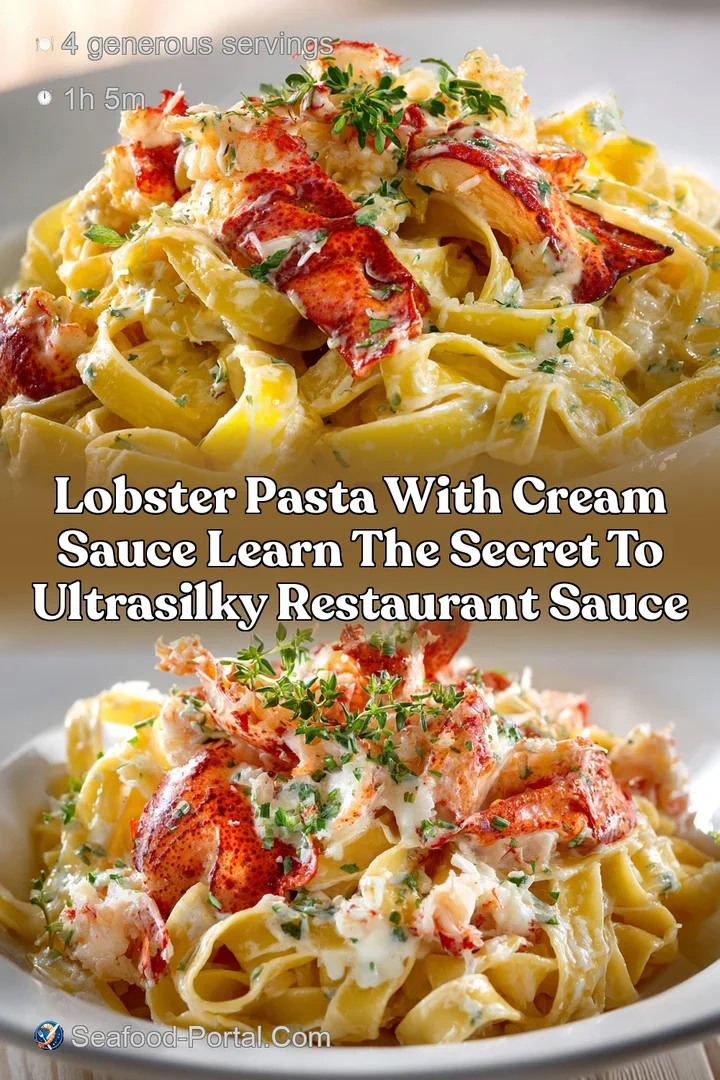
If it looks too thick, grab that reserved starchy pasta water. Add it one tablespoon at a time, whisking quickly, until the sauce is glossy and perfectly coats the tagliatelle. That starchy liquid is the secret to a perfectly emulsified, high end seafood pasta with cream sauce .
Final Moments: Gently Introducing the Lobster Meat
You've spent good money and effort on that lobster meat; don't ruin it now! The lobster is already cooked, so it just needs to be warmed through. Fold the chopped meat and the grated Parmesan into the sauce. Give it a gentle toss and let it heat for 60 to 90 seconds.
A quick squeeze of fresh lemon juice at this stage brightens the whole dish up beautifully. Serve it immediately. Do not leave this sitting around.
Troubleshooting and Enhancements for Your Creamy Lobster Tagliatelle
Preventing the Split: Troubleshooting Common Cream Sauce Mistakes
The cream sauce split? Darn it! It usually happens because the heat was too high, or you added a cold liquid (like cold wine or stock) to a hot base too quickly, causing a sudden temperature shock.
- Fix: Take the pan immediately off the heat. Whisk in a cold cube of butter. This sometimes lowers the temperature just enough and the added fat helps re emulsify the sauce. If it's too thick, sometimes adding a touch more cold cream and whisking hard can save it. If it’s truly split, you might have to start the sauce base over that's the brutal truth of cooking with cream.
Storage Strategies: Reheating Leftover Lobster Pasta with Cream Sauce
I hate to break it to you, but cream and based pasta dishes are famously difficult to reheat without the sauce separating. Your best bet is to avoid leftovers entirely. However, if you must store it:
- Store leftovers in an airtight container in the fridge for up to two days.
- Reheat method: Place the pasta in a skillet over very low heat. Add 1 2 tablespoons of heavy cream or milk and 1 tablespoon of water. Gently stir until warmed through. Low heat is the only way to avoid splitting. Microwave reheating is a recipe for rubbery lobster.
Creative Culinary Adaptations: Adding Spice or Seasonal Vegetables
Want to spice things up? Add a small pinch of chili flakes (or Aleppo pepper) when you sauté the garlic. It provides a tiny hint of heat that really complements the sweet lobster.
For a bit of green and texture, quickly blanching some asparagus tips or fresh English peas and stirring them in at the same time as the lobster works wonders. It adds colour and a fresh snap.
You could even go full lobster pasta with lemon cream sauce by increasing the lemon zest and juice used in the final step.
Pairing Perfection: Wine Recommendations and Side Dishes
This dish is rich, so you need a counterpoint. As noted in the breakdown, an unoaked, high acid white wine is the required pairing. A crisp, clean Chablis cuts through the fat like a knife.
For sides, keep it simple. A handful of fresh arugula (rocket) tossed simply with salt, pepper, and a very light squeeze of lemon provides the perfect textural and acidic contrast to the buttery, heavy cream base. You need that bitter, peppery element to cleanse the palate.
Time Management Strategy: Pre and Cooking the Elements Ahead of Time
If you’re hosting a dinner party, the worst thing is scrambling right before guests arrive. You can absolutely break this recipe into two parts:
- Day Ahead: Cook and shell the lobster. Make the rapid stock and chill it. Dice your shallots and garlic.
- Day Of (35 Minutes Before Serving): Cook the pasta. Make the sauce base, reducing the wine and simmering the cream. Add the pasta and lobster, finish, and serve. This turns a high and stress cook into a simple assembly process. Focus on the timing, and you'll nail it.
Recipe FAQs
I'm not feeling flush enough for fresh lobster, can I use frozen tails or even pre-cooked meat?
Absolutely, old chap! Frozen lobster tails work brilliantly; just ensure you boil/steam them quickly and, crucially, use the shells for that essential quick stock base. If using pre-cooked meat, reduce the final warming time in the sauce to prevent it from becoming rubbery no one wants chewy, expensive lobster!
How long can I keep leftover Lobster Pasta with Cream Sauce, and can I reheat it without ruining the texture?
As it contains both cream and expensive seafood, treat this dish like royalty: store leftovers in the fridge for no more than 1 day (24 hours, tops). Reheat gently on the hob with a splash of milk or water added to help the sauce reform, keeping the heat low to avoid the cream splitting.
I don't always have white wine handy, or I prefer not to use alcohol. What's the best non-alcoholic swap for deglazing?
That's perfectly fine; you can substitute the white wine with an equal amount of good quality chicken or fish stock. To replicate that necessary acidic ‘lift’ the wine provides, stir in a tablespoon of fresh lemon juice or white wine vinegar immediately before adding the cream.
My sauce looks a bit thin and sad, rather than clinging beautifully to the pasta. Did I go wrong somewhere?
Donning your chef's hat: the trick lies in the starchy pasta water. Ensure you add that reserved water slowly while whisking vigorously the starch acts as the emulsifier, guaranteeing the sauce binds to the tagliatelle like glue, rather than sliding off disappointingly.
Blimey, this dish is rich! What should I serve alongside this Luxurious Lobster Pasta with Cream Sauce so it's not too heavy?
You've hit the nail on the head; balance is key here. Pair the richness with a sharp, peppery salad like rocket (arugula) dressed simply with olive oil and lemon, and make sure you have some crusty sourdough or a baguette for mopping up every last bit of that velvety sauce.
Luxurious Lobster Cream Sauce Pasta
Ingredients:
Instructions:
Nutrition Facts:
| Calories | 334 kcal |
|---|---|
| Protein | 0.0 g |
| Fat | 0.0 g |
| Carbs | 0.0 g |
