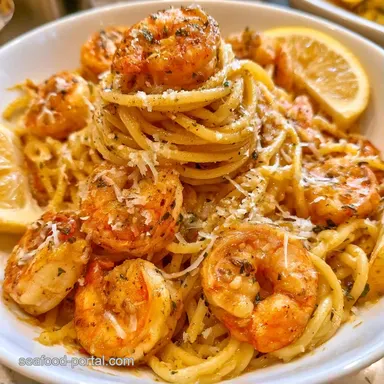
Lemon Parmesan Shrimp Pasta in 30 Minutes
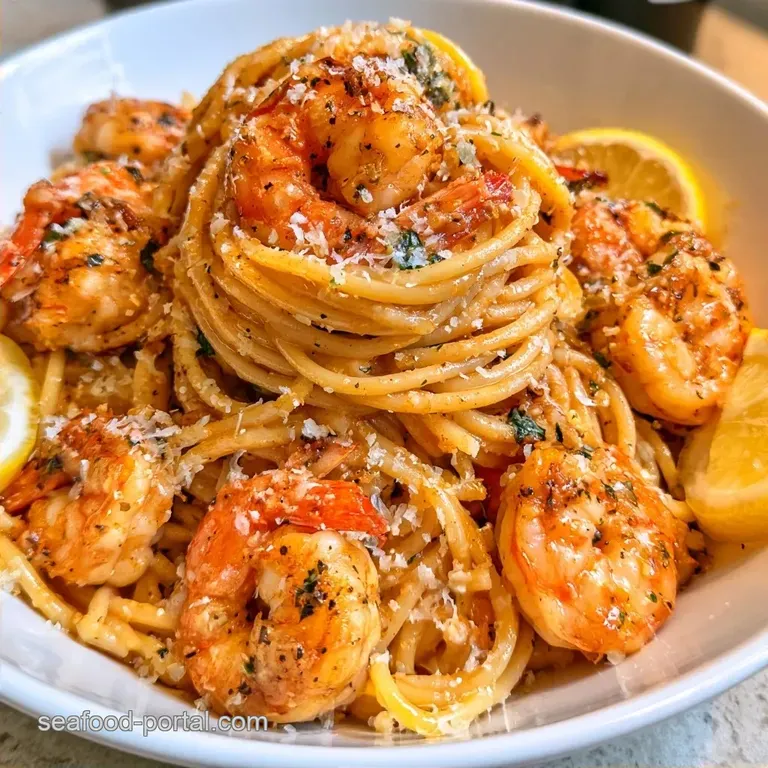
- Time: 10 min active + 20 min cook
- Flavor/Texture Hook: Zesty, creamy, and bright
- Perfect for: An elegant yet quick weeknight meal
The loud sizzle of shrimp hitting a hot pan is the highlight of my evening. There's a common misconception that bistro-style seafood pasta must be a slow, arduous process. That's not the case, you don't need a four-hour reduction to achieve deep, complex flavors.
I used to overthink the process, trying complex roux bases that often just tasted of flour. I eventually learned that the real beauty lies in simplicity. This dish is simply about a few high-impact ingredients hitting the pan at just the right time.
You'll end up with a meal that seems like it took all afternoon, but it actually comes together in a flash. It's creamy, zingy, and requires no professional tools.
The Logic of the Sauce
This recipe relies on the interaction between fats and acids. Here is a look at what's happening in the pan:
- The Starch Bond: A splash of starchy pasta water helps the Parmesan and cream cling to the noodles, ensuring the sauce doesn't just pool at the bottom.
- Acid Balance: The lemon juice cuts through the richness of the heavy cream, keeping the dish from feeling too cloying or heavy on the palate.
| Method | Time | Texture | Best For |
|---|---|---|---|
| Fast (Sauté) | 30 mins | Glossy & Light | Weeknights |
| Classic (Reduction) | 60 mins | Thick & Rich | Special Occasions |
Recipe Specs
Timing is the only tricky part of this recipe. To keep things smooth, mince your garlic and zest your lemon before you even start the burner.
Since shrimp cook so quickly, avoid keeping them in the pan during the sauce preparation, or they'll become rubbery. Instead, remove them, let the sauce bubble away, and toss them back in at the very end.
The Ingredient List
I suggest grating your own Parmesan from a block. Pre-shredded cheeses are coated in potato starch to prevent clumping, but this additive can leave your sauce with a grainy consistency.
| Ingredient | Role | If You Don't Have It |
|---|---|---|
| Heavy Cream | Thickening base | Half and half (the sauce will be thinner) |
| Parmesan Cheese | Salt & Structure | Pecorino Romano (offers a saltier profile) |
| Fresh Lemon | Zesty brightness | Bottled lemon juice (less fragrant) |
| Large Shrimp | Main protein | Chicken breast or scallops |
The Full List: 8 oz (225g) Linguine or Spaghetti 1 lb (450g) shrimp (large, peeled and deveined) 2 tbsp (30ml) Olive oil ½ tsp (3g) Salt ¼ tsp (1g) Ground black pepper ¼ tsp (1g) Paprika Why this? Adds a nice golden color and earthy note. 3 tbsp
(42g) Unsalted butter 4 cloves (20g) Garlic, minced 1 cup (240ml) Heavy cream ½ cup (50g) Parmesan cheese, freshly grated Why this? It melts much better than the pre-shredded kind. 1 Lemon (zest and 2 tbsp juice) ½ tsp (1g) Red pepper flakes 2 cups (60g) Baby spinach, fresh
2 tbsp (8g) Parsley, fresh and chopped
| Goal | What to change |
|---|---|
| Lighter | Substitute cream with half and half |
| Zestier | Stir in more lemon zest |
| Spicier | Double the amount of red pepper flakes |
The Essential Tools
No fancy gear is required. Just a big pot to boil the pasta and a wide skillet for everything else will do. Choosing a wide skillet over a deep pot allows the liquid to evaporate more quickly, thickening the sauce more effectively.
I prefer using a whisk when adding the cheese. It works much faster than a spoon and guarantees that no clumps of Parmesan end up in your Lemon Parmesan Shrimp Pasta.
The Cooking Steps
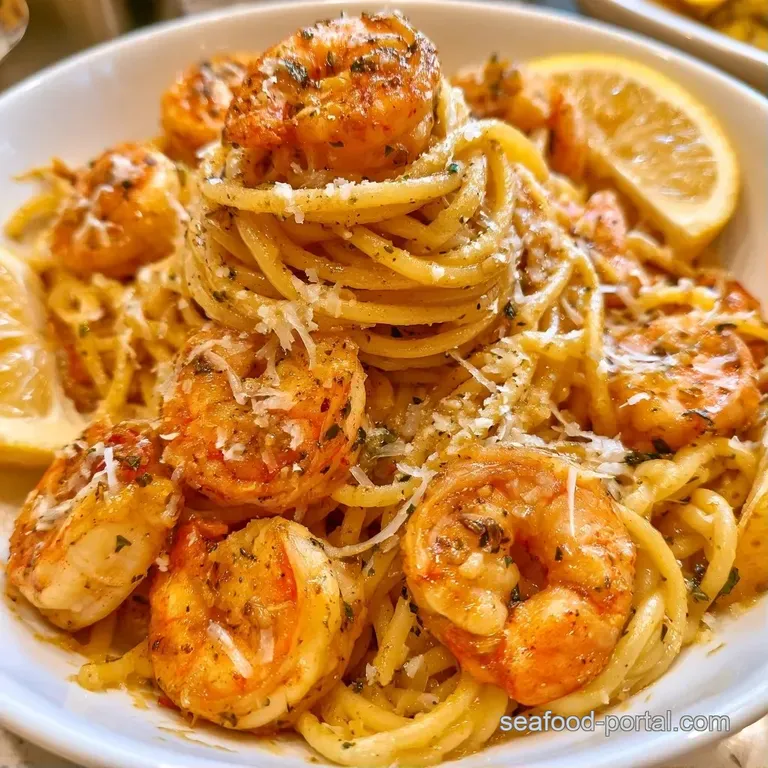
- Bring a large pot of salted water to a boil. Add the spaghetti and cook until just al dente (usually 1-2 minutes less than package directions). Reserve about 1 cup of the pasta water before draining.
- Pat shrimp dry with paper towels. Season with salt, pepper, and paprika. Note: Dry shrimp sear better and don't steam.
- Heat olive oil in a skillet over medium high heat and sear shrimp for 1-2 minutes per side until pink and opaque. Remove shrimp to a plate.
- Lower skillet heat to medium and melt the butter. Add minced garlic and red pepper flakes, sautéing for about 1 minute until fragrant.
- Pour in the heavy cream and bring to a gentle simmer.
- Gradually whisk in the Parmesan cheese in small batches until the sauce is smooth.
- Stir in the lemon zest and lemon juice.
- Toss the cooked pasta, seared shrimp, and fresh baby spinach into the sauce.
- Add reserved pasta water as needed to reach a velvety consistency. Garnish with fresh parsley.
Chef's Note: If the sauce looks too thick the moment you add the pasta, don't panic. Just add the pasta water one tablespoon at a time. The noodles will soak up the liquid as they sit, so it's better to start slightly thinner than you think.
Fixing Common Issues
Rubbery Shrimp Fix
This happens when shrimp are cooked too long or kept in the hot pan. They only need about 3-4 minutes total. As soon as they curl into a "C" shape and turn opaque, get them out of the heat. If they curl into a tight "O", they are overdone.
Grainy Sauce Adjustment
If your sauce looks curdled, it's usually because the heat was too high when the cheese went in. Lower the temperature and whisk in a splash of warm pasta water. The starch in the water helps re bind the fats. Trust me, this is why you never dump the pasta water down the drain.
Sauce Too Thick
Pasta continues to absorb liquid even after it's plated. If the Lemon Parmesan Shrimp Pasta looks like a clump of noodles rather than a saucy dish, stir in another tablespoon of pasta water or a tiny bit of heavy cream right before serving.
Best Side Dish Ideas
Since this dish is rich and creamy, you want sides that provide a crisp contrast. A simple arugula salad with a light balsamic vinaigrette works well. The bitterness of the greens cuts through the butter and cream.
Roasted asparagus or charred broccolini also pair well. I usually toss them in olive oil and salt and roast them at 400°F for about 12 minutes. It adds a charred, earthy note that complements the brightness of the lemon.
Storage and Reheating
You can keep this in the fridge for up to 2 days. Keep it in a sealed container so the pasta doesn't dry out.
Reheating Tips: Avoid the microwave if you can. Microwaving cream sauces often causes them to separate, leaving you with a pool of oil. Instead, put the pasta in a skillet over low heat. Add a splash of water or milk to loosen the sauce and stir gently until it's heated through.
Zero Waste: Don't throw away the shrimp shells if you bought them head on. Toss them in a freezer bag. When the bag is full, simmer the shells with a bit of onion and celery to make a quick seafood stock for your next risotto. Also, use the remaining lemon halves to squeeze over grilled vegetables.
Customizing the Flavor
If you want to change things up, try adding some sun dried tomatoes for a sweet tart punch. You could also swap the spaghetti for linguine or fettuccine; the wider noodles hold the heavy sauce even better.
For those who want something slightly different, a Garlicky Shrimp Scampi is a great lighter alternative without the cream. , if you're in the mood for something red, a Tomato Shrimp Sauce offers a completely different flavor profile.
- Add Greens
- Fold in some chopped kale or peas instead of spinach.
- Add Heat
- Increase the red pepper flakes or add a pinch of cayenne to the shrimp seasoning.
- Cheese Swap
- Try a mix of Parmesan and Pecorino for a sharper, saltier kick.
Common Cooking Myths
Searing meat or shrimp does not "seal in juices." That's a common misconception. Moisture loss happens regardless of how you sear the food. The reason we sear is for the flavor, the browning creates a complex taste that you just can't get from boiling or steaming.
Another myth is that you have to rinse pasta. Please don't do this. Rinsing removes the starch that helps the Lemon Parmesan Shrimp Pasta sauce stick to the noodles. Keep that starch; it's your best friend in the kitchen.
Serious Eats' testing shows that keeping the heat moderate when adding cheese prevents the proteins from clumping, which is why we whisk in the Parmesan gradually.
Right then, you've got everything you need to get this on the table. This Lemon Parmesan Shrimp Pasta is a reliable winner that feels fancy but takes almost no effort. Enjoy!
High in Sodium
1100 mg 1,100 mg of sodium per serving (48% 48% of daily value)
The American Heart Association recommends a daily sodium limit of no more than 2,300 mg for most adults to reduce the risk of cardiovascular disease.
Tips to Reduce Sodium
-
Eliminate Added Salt-30%
Remove the ½ tsp of salt entirely. The Parmesan cheese and shrimp already provide a significant amount of baseline sodium.
-
Reduce Parmesan Cheese-15%
Cut the Parmesan cheese amount in half or substitute with a small amount of nutritional yeast for a similar nutty flavor with less sodium.
-
Rinse Frozen Shrimp-10%
If using frozen shrimp, rinse them thoroughly under cold water to remove any sodium-based preservatives used in the freezing process.
-
Boost Citrus and Spices
Increase the lemon zest and red pepper flakes to add brightness and heat, which tricks the palate into needing less salt.
Recipe FAQs
How do I make this lemon shrimp pasta?
Boil salted water for pasta, sear seasoned shrimp, simmer cream with garlic and Parmesan, and toss everything together.
Tip: Reserve one cup of pasta water before draining to adjust the final sauce thickness.
What pairs well with lemon shrimp pasta?
A crisp green salad or roasted asparagus balances the rich cream sauce.
Tip: Serve with a chilled glass of white wine to complement the lemon notes.
Is it true that you must overcook pasta for cream sauces?
Actually, no. Cooking pasta slightly under al dente prevents it from becoming mushy when tossed in the pan.
Tip: Drain the noodles 1-2 minutes earlier than the package directions indicate.
Can I use frozen shrimp instead of fresh?
Frozen shrimp work well as long as they are fully thawed and dried.
Tip: Use paper towels to remove all excess moisture to ensure a better sear.
Why did my sauce separate during reheating?
Excessive microwave heat often breaks the emulsion of the cream and cheese.
Tip: Warm the pasta in a skillet over low heat with a splash of water.
How to prevent shrimp from becoming rubbery?
Sear shrimp for only 1-2 minutes per side until they just turn pink and opaque.
Tip: Move them to a separate plate immediately after cooking to stop the process.
What is the best way to get a velvety sauce?
Whisk the Parmesan into the simmering cream in small batches and stir in reserved pasta water.
Tip: If you enjoyed fixing pasta clumps, you'll appreciate how this emulsion technique creates a smooth finish.
Which pasta shape works best here?
Spaghetti or linguine are ideal for capturing the creamy lemon sauce.
Tip: Toss the pasta gently to ensure every strand is evenly coated.
Lemon Parmesan Shrimp Pasta for 4 Servings