Fish Dinner Idea with Lemon and Herbs
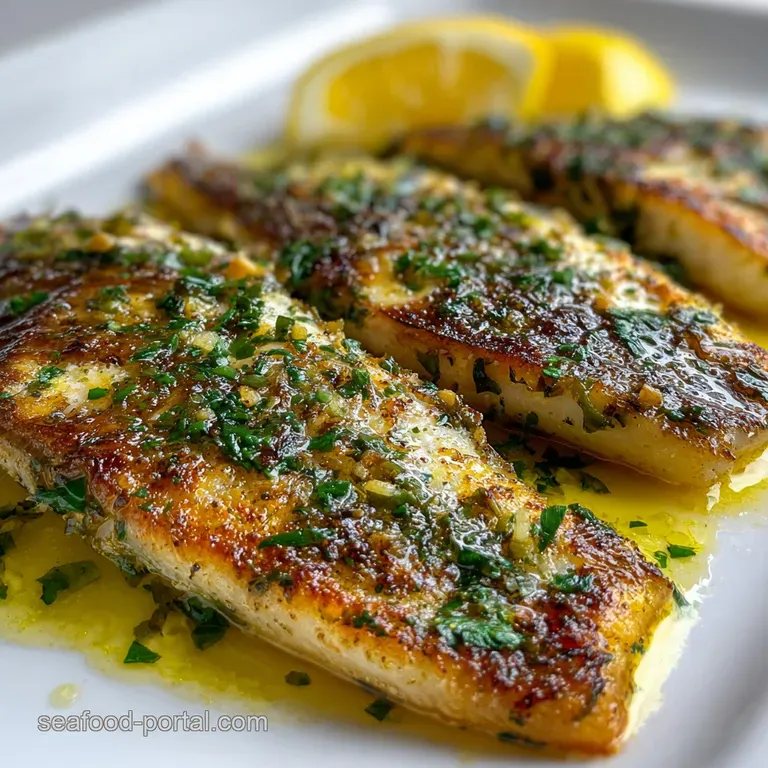
- Time: Active 10 minutes, Passive 12 minutes, Total 22 minutes
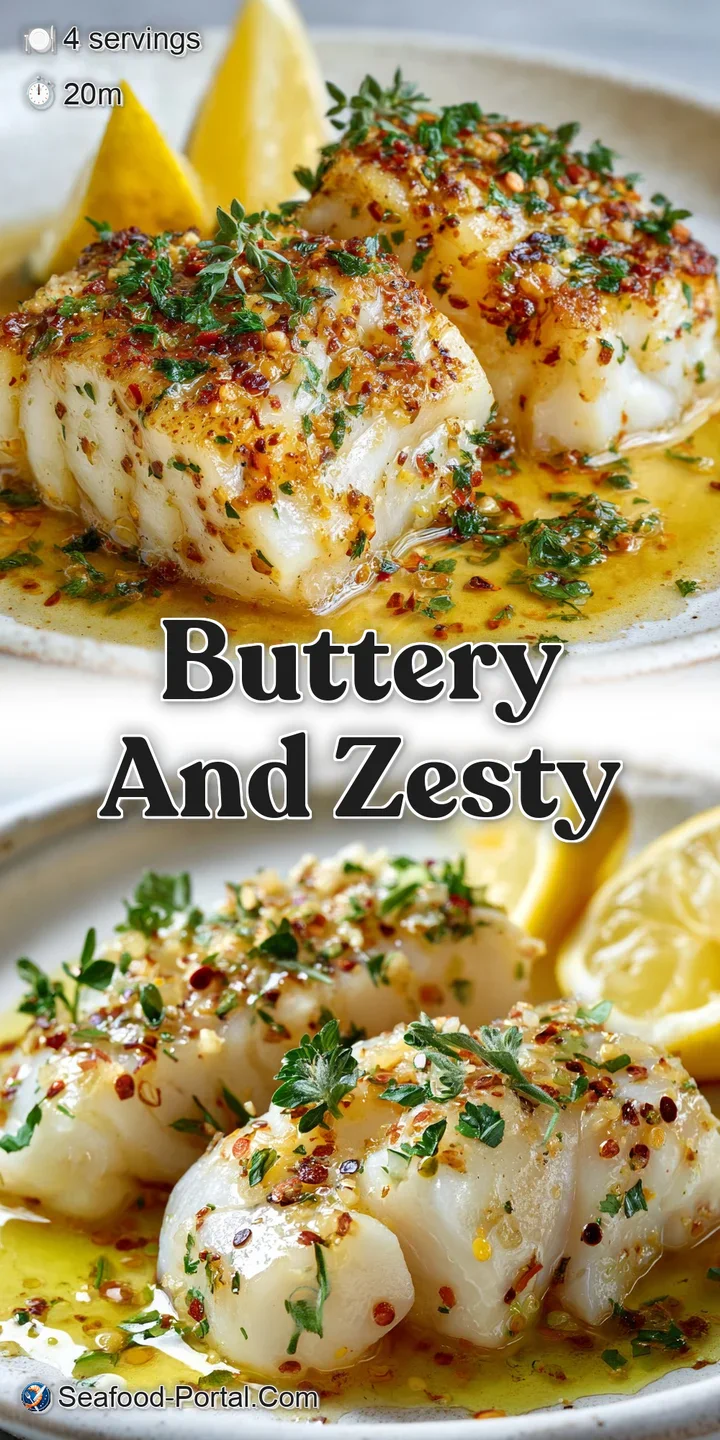
- Flavor/Texture Hook: Flaky, buttery fillets with a zesty, herbaceous finish
- Perfect for: Busy weeknights, light healthy dinners, and kitchen beginners
- Simple Fish Dinner Idea with Lemon and Herbs
- The Science of the Perfect Flake
- The Chemistry of Flavorful Ingredients
- Essential Components and Smart Substitutions
- Gear for a Stress Free Dinner
- Step by Step Roasting Instructions
- Fixing Common Seafood Mistakes
- Troubleshooting Common Issues
- Variations and Recipe Scaling
- Storing and Zero Waste Tips
- Selecting the Best Sides
- Debunking Common Kitchen Myths
- Recipe FAQs
- 📝 Recipe Card
Simple Fish Dinner Idea with Lemon and Herbs
The second that cold butter hits the hot pan and meets a splash of fresh lemon, something magical happens. The kitchen fills with this sharp, bright aroma that cuts right through the workday fog, promising a meal that feels fancy without the fuss.
I remember the first time I tried making a fish dinner idea with lemon and herbs; I was so worried about it being dry or "fishy" that I over seasoned everything until it tasted like a spice cabinet.
But then I learned the secret of the contrast. You need the rich, velvety weight of unsalted butter to carry the punchy, pungent garlic and the grassy notes of fresh dill. It is all about how the acid from the lemon juice brightens the natural sweetness of a good piece of cod or halibut.
This dish is the solution to that "I have nothing for dinner" panic because it relies on staples you probably already have in the fridge.
We have all been there, staring at a frozen block of tilapia wondering if it will ever taste good. The truth is, this recipe works because it treats the fish with respect, using high heat to lock in moisture while the herb flecked butter creates a luscious sauce right in the baking dish.
It's brilliant, fast, and honestly, it's one of those meals that makes you feel like a pro even when you are still in your pajamas.
The Science of the Perfect Flake
Protein Denaturation: The citric acid in the lemon juice begins to break down the fish proteins even before it hits the heat, ensuring a tender texture.
Maillard Reaction Control: By using melted butter instead of oil, the milk solids lightly brown at high temperatures, adding a nutty complexity to the mild white fish.
Steam Infusion: Placing lemon rounds directly on the fillets creates a moisture barrier that gently steams the top of the fish while the bottom roasts.
| Method | Time | Texture | Best For |
|---|---|---|---|
| Oven Roasting | 12 minutes | Silky and tender | Consistent results |
| Pan Searing | 8 minutes | Crispy exterior | Golden crust lovers |
| Air Frying | 10 minutes | Firm and bouncy | Maximum speed |
| Poaching | 15 minutes | Soft and delicate | low-fat diets |
Roasting is my personal go to because it is hands off and provides the most even heat distribution for thicker fillets like halibut. If you prefer a different texture altogether, these Fish Recipes offer a crispy pan seared alternative that hits different flavor notes.
The Chemistry of Flavorful Ingredients
| Ingredient | Science Role | Pro Secret |
|---|---|---|
| Unsalted Butter | Fat soluble flavor carrier | Use European style butter for higher fat content |
| Fresh Lemon | Acid catalyst for protein | Zest the lemon before juicing for double the aroma |
| Kosher Salt | Moisture retention | Salt the fish 10 minutes early to "dry brine" |
| Fresh Dill | Aromatic volatile oils | Never chop herbs until the exact moment you need them |
The interplay between the fat in the butter and the acid in the lemon creates a stable emulsion that clings to the fish rather than sliding off. This ensures every bite is coated in that herb heavy goodness.
Essential Components and Smart Substitutions
To get this right, you need 4 white fish fillets (Cod, Halibut, or Tilapia), roughly 6 oz (170g) each. Why this? Firm white fish holds its shape during roasting without becoming mushy. You will also need 1 tsp (6g) Kosher salt and 1/2 tsp (2g) Cracked black pepper for the base seasoning.
The heart of the dish is the infusion: 3 tbsp (42g) Unsalted butter, melted, mixed with 2 cloves (6g) Garlic, minced. For the greenery, grab 1 tbsp (4g) Fresh parsley and 1 tsp (1g) Fresh dill or thyme.
Finish with 1 large Lemon (50g), half juiced and half sliced into rounds, plus 1/2 tsp (1g) Red pepper flakes for a tiny kick.
| Original Ingredient | Substitute | Why It Works |
|---|---|---|
| Unsalted Butter | Ghee | Higher smoke point with the same rich, buttery profile |
| Fresh Dill | Dried Oregano | Earthier flavor; use only 1/3 of the amount |
| White Fish Fillets | Salmon | Higher fat content; same timing but richer taste |
| Fresh Garlic | Garlic Powder | Good in a pinch, though less pungent and "bitey" |
Chef's Tip
Freeze your butter for 10 minutes before melting it. This seems counter intuitive, but it helps the butter solids stay slightly more stable when mixed with the lemon juice, creating a thicker sauce.
Gear for a Stress Free Dinner
You don't need a professional kitchen for this. A standard 9x13 inch ceramic or glass baking dish is best because it retains heat evenly. I also recommend a microplane for zesting the lemon it catches the essential oils without the bitter white pith.
A small whisk or even a fork will work to emulsify the butter and lemon juice together.
If you are using frozen fish, a cooling rack set over a tray is helpful for thawing to ensure the fillets don't sit in their own moisture. For the actual cooking, an instant read thermometer is your best friend to avoid the heartbreak of overcooked, rubbery seafood.
step-by-step Roasting Instructions
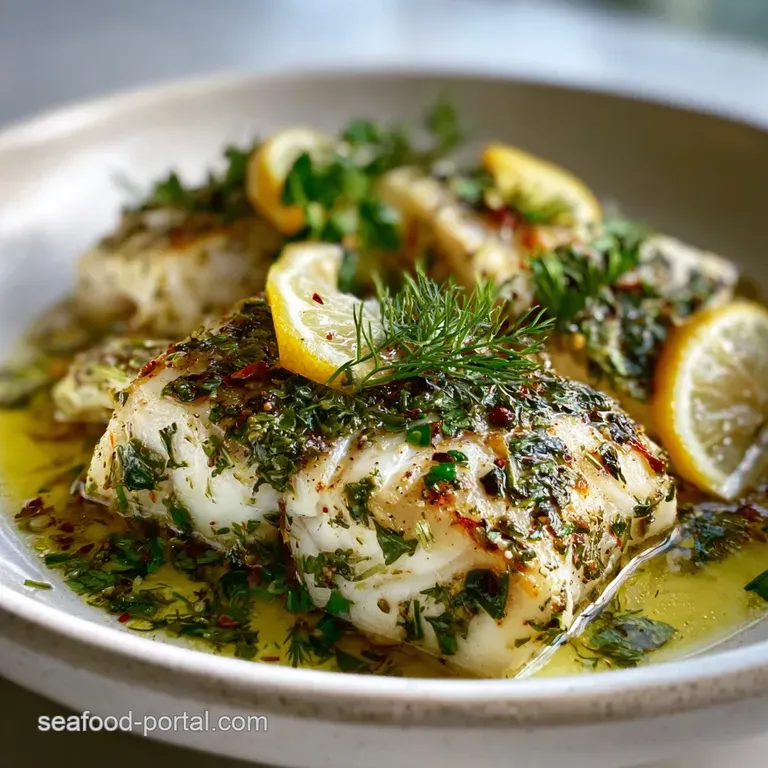
1. Preparation and Drying
Preheat your oven to 400°F (200°C). Pat the 4 white fish fillets completely dry with paper towels. Note: Removing surface moisture is the only way to ensure the butter clings to the protein.
2. Initial Seasoning
Sprinkle both sides of the fillets with 1 tsp Kosher salt and 1/2 tsp cracked black pepper. Let them sit at room temperature for about 5 minutes while you prep the sauce.
3. Creating the Infusion
In a small bowl, combine the 3 tbsp melted unsalted butter, 2 minced garlic cloves, and 1/2 tsp red pepper flakes. Whisk in the juice from half of the lemon until the mixture looks slightly thickened and pale.
4. Herb Integration
Stir in the 1 tbsp chopped parsley and 1 tsp chopped dill or thyme. Doing this after the lemon juice prevents the acid from turning the herbs brown too quickly.
5. Coating the Fish
Arrange the fillets in your baking dish so they aren't touching. Pour the butter and herb mixture evenly over each piece, ensuring the tops are well covered.
6. The Lemon Layer
Place the lemon rounds (the other half of the lemon) directly on top of the fillets. This protects the delicate flesh from the direct heat of the oven.
7. The Precision Roast
Bake for 12 minutes until the fish is opaque and flakes easily with a fork. The internal temperature should hit 145°F (63°C).
8. The Final Baste
Remove from the oven and use a spoon to drizzle the juices from the bottom of the pan back over the fish. Let it rest for 2 minutes before serving.
Fixing Common Seafood Mistakes
Troubleshooting Common Issues
| Issue | Solution |
|---|---|
| Fish tough and chewy | This usually happens because the fish was cooked too long or at too low a temperature, which lets the moisture seep out slowly. To fix this, always use an instant read thermometer and pull the fish wh |
| Why did the herbs turn brown and bitter | Fresh herbs, especially parsley, are sensitive to high heat. If they look burnt, you likely added them too early or the oven had a hot spot. Covering the fish with lemon slices acts as a heat shield f |
| Handle watery frozen fish | Frozen fish often contains extra "plumping" water. If you don't thaw it properly, that water ends up in your baking dish, turning your sauce into a soup. Thaw the fish in the fridge overnight on a rac |
Variations and Recipe Scaling
Scaling this dish up for a crowd is simple. If you are doubling the recipe for 8 people, use two separate baking dishes rather than cramming them into one. For the seasonings, increase the salt and herbs by 1.5x instead of doubling them to keep the flavors balanced.
If you are cooking for one, a small toaster oven works perfectly with a single fillet and a quarter of the butter mixture.
Making it dairy-free and Keto
For a dairy-free version, swap the butter for extra virgin olive oil or avocado oil. The flavor will be more Mediterranean and less "bistro," but it is still incredible. To keep it strictly Keto, serve it over a bed of sautéed spinach instead of rice or potatoes.
Switching Fresh for Dried Herbs
If you don't have fresh herbs, use 1/2 tsp of dried herbs total. Dried herbs are much more concentrated and can become overwhelming if you use a full tablespoon. Rub them between your palms before adding to the butter to "wake up" the oils.
Storing and Zero Waste Tips
Storage: This fish is best eaten immediately, but you can store leftovers in an airtight container in the fridge for up to 2 days. To reheat, do not use the microwave! It will turn the fish into rubber.
Instead, place it in a covered pan over low heat with a splash of water or extra butter for 5 minutes.
Zero Waste: Don't toss those lemon rinds! After juicing, throw the spent rinds into a jar of white vinegar to make a citrus scented kitchen cleaner. If you have leftover herbs that are starting to wilt, chop them up and freeze them in an ice cube tray with a little olive oil for your next saute.
Selecting the Best Sides
This fish dinner idea with lemon and herbs needs something to soak up that glorious butter sauce. A bed of fluffy jasmine rice or some roasted baby potatoes works wonders. If you are looking for a lighter touch, a crisp arugula salad with a simple vinaigrette provides a nice peppery contrast to the rich fish.
For a different preparation method that still uses these bright flavors, you might enjoy this Poached Cod with recipe which offers a more delicate, melt in-the mouth texture.
- Fresh
- Parsley and Lemon Zest
- Rich
- Melted Unsalted Butter
- Pungent
- Minced Garlic
- Earthy
- Fresh Dill or Thyme
- Heat
- Red Pepper Flakes
Debunking Common Kitchen Myths
One of the biggest myths is that you should wash your fish before cooking. Please, don't! It doesn't actually clean the fish and only splashes bacteria around your sink. Just pat it dry with a paper towel.
Another misconception is that "fresh is always better." high-quality flash frozen fish is often "fresher" than the "fresh" fish at the counter, which may have been sitting on ice for days.
Finally,, people often think you need to flip the fish in the oven. You don't. In fact, flipping it usually leads to the fillet breaking apart. Let the oven's ambient heat do the work for you, and keep those lemon slices on top to ensure the top stays as moist as the bottom.
Recipe FAQs
What herb goes well with lemon and fish?
Dill, parsley, and thyme are top choices. Dill offers a bright, slightly anise flavor that complements white fish beautifully, while parsley adds necessary green freshness. If you are looking for a bolder, earthier profile, try rosemary alongside the lemon.
What fish goes well with lemon?
Lean white fish like Cod, Halibut, and Tilapia pair excellently. The mild flavor of these fish allows the bright acidity of the lemon and the herbs to shine without becoming overpowered. If you want a richer result, Salmon also takes lemon very well, similar to our Blackened Salmon with recipe.
What does lemon do when cooking fish?
Lemon acts as a tenderizer and brightens flavor. The acid begins to denature the fish proteins slightly before cooking, leading to a more tender final texture. It cuts through the richness of butter or oil, balancing the overall flavor profile beautifully.
What herbs pair well with lemon?
Parsley, basil, chives, and oregano are ideal partners for lemon. These herbs share volatile oils that react positively with citrus acid, enhancing the aromatic quality of the dish.
If you master controlling the balance of acid and fat here, you’ll find that same principle useful when How to Bake recipe vegetables alongside your main protein.
How do I prevent my fish from tasting "fishy" when using lemon?
Start with the freshest fish possible and pat it completely dry. The "fishy" taste often comes from surface moisture and oils breaking down too slowly. Using fresh lemon juice right before or during cooking neutralizes some of those compounds while the high heat finishes the process quickly.
Can I substitute fresh herbs with dried herbs in this lemon fish recipe?
Yes, but you must reduce the quantity significantly. Dried herbs are four times stronger than fresh herbs, so use roughly one-third of the fresh measurement listed. Add dried herbs earlier in the butter mixture so their flavor has time to infuse properly.
Is it necessary to use unsalted butter with lemon and herbs on fish?
No, using salted butter is not strictly necessary, but recommended. Unsalted butter gives you complete control over the final sodium level, which is critical when balancing salt with tangy lemon juice. If you use salted butter, skip adding any additional salt until after the fish is cooked.
Lemon Herb Fish Dinner
Ingredients:
Instructions:
Nutrition Facts:
| Calories | 220 kcal |
|---|---|
| Protein | 31 g |
| Fat | 9.7 g |
| Carbs | 1.6 g |
| Fiber | 0.3 g |
| Sugar | 0.5 g |
| Sodium | 595 mg |
