Kung Pao Shrimp: Spicy Szechuan Stir Fry
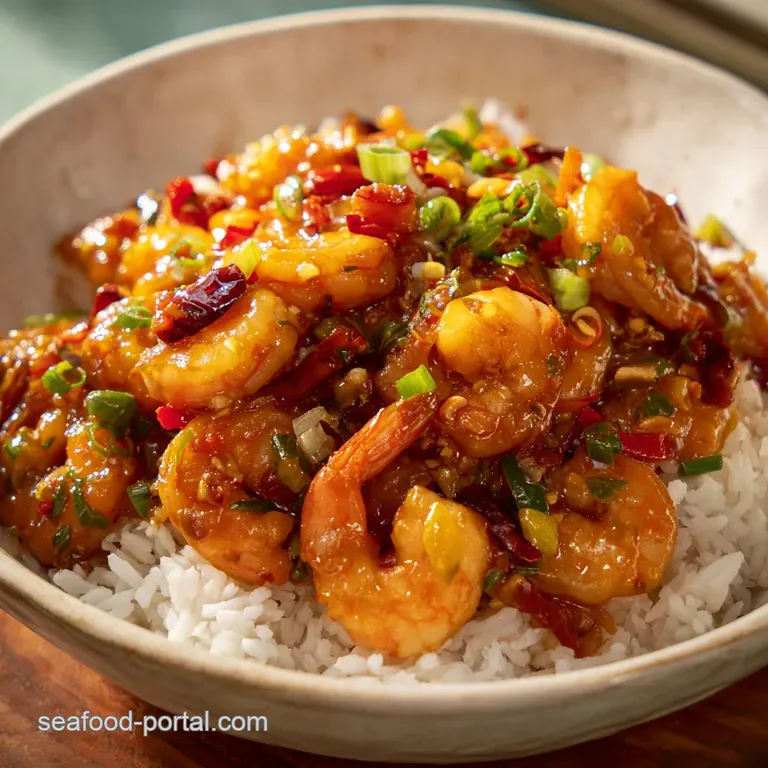
- Time: Active 10 minutes, Passive 10 minutes, Total 20 minutes
- Flavor/Texture Hook: Glossy, tongue numbing, and intensely savory
- Perfect for: High energy weeknight dinners or showing off wok skills
- Master the Bold Flavors of Authentic Kung Pao Shrimp
- The Physics of the Flash Sear
- Component Analysis for a Perfectly Balanced Stir Fry
- Sourcing Your Vibrant Street Style Ingredients
- Essential Kitchen Tools for High Heat Success
- The Choreography of a Fast Fire Glaze
- Avoiding Soggy Shrimp and Bitter Aromatics
- Customizing the Heat and Texture Profiles
- Locking in Freshness and Repurposing Scraps
- Completing the Meal with Street Food Pairings
- Common Mistakes to Avoid (Checklist)
- Very High in Sodium
- Recipe FAQs
- 📝 Recipe Card
Master the Bold Flavors of Authentic Kung Pao Shrimp
The first time I really smelled Sichuan peppercorns hitting a hot pan, I thought I’d made a massive mistake. The air turned electric, and my kitchen transformed into a bustling alleyway in Chengdu. It was sharp, floral, and slightly dizzying.
I remember leaning over the wok, watching the dried chiles turn a deep, smoky crimson, and realizing that most of the "Kung Pao" I’d eaten before was just sugar and water. Real Kung Pao Shrimp is about the friction between heat, acid, and that wild numbing sensation.
We are chasing that specific street style vibrance today. You want the kind of dish that makes your eyes widen and your forehead bead with sweat, but you just can't stop reaching for the next bite.
I’ve burned more than my fair share of chiles learning this, and I’ve definitely ended up with rubbery shrimp more times than I’d like to admit. But those mistakes led me to this specific method, which is fast, unapologetic, and honestly, a bit of a thrill to cook.
It’s all about the preparation. In the world of stir fry, if you aren't ready before the oil hits the pan, you've already lost. We’re going to walk through the prep, the science of why we use certain vinegars, and how to get that glossy finish that looks like it came straight out of a professional kitchen.
Trust me on this, once you nail the balance of this sauce, you’ll never look at a takeout menu the same way again.
The Physics of the Flash Sear
- Maillard Acceleration: High heat creates rapid browning on the shrimp exterior before the interior overcooks.
- Starch Retrogradation: The cornstarch coating creates a protective barrier that traps juices inside the protein.
- Capsaicin Infusion: Snapping the chiles open releases seeds, allowing heat to migrate into the oil medium.
- Aromatic Volatilization: Crushing Sichuan peppercorns breaks cellular walls, releasing essential oils like hydroxy alpha sanshool for that numbing effect.
| Method | Time | Texture | Best For |
|---|---|---|---|
| Stovetop Wok | 3-5 mins | Snappy, charred, glossy | Authentic street style finish |
| Oven Broil | 6-8 mins | Tender, less smoky | Large batches, hands off cooking |
| Air Fryer | 5-7 mins | Very crispy exterior | Low oil, high crunch cravings |
Choosing the right method depends on your gear. While a wok is traditional for that smoky "wok hei" breath, an oven broiler can mimic high heat if you preheat a heavy sheet pan. However, for the true Kung Pao experience, the stovetop is the gold standard because it allows you to toss and coat the ingredients in that signature sauce instantly.
Component Analysis for a Perfectly Balanced Stir Fry
| Ingredient | Science Role | Pro Secret |
|---|---|---|
| Chinkiang Vinegar | Acidic balance | Adds a fermented, malty depth compared to white vinegar |
| Cornstarch | Emulsifier | Use half in the marinade to tenderize and half in the sauce to thicken |
| Shaoxing Wine | Protein tenderizer | The alcohol evaporates quickly, removing "fishy" scents from seafood |
| Dark Soy Sauce | Color agent | Provides that deep mahogany hue without adding excessive salt |
The vinegar is the secret weapon here. While some people reach for rice vinegar, the Chinkiang version is much more complex. It has an almost balsamic like richness that anchors the heat of the chiles. If you want to expand your seafood repertoire, the acidity here is a great contrast to the richness found in something like a Classic New Orleans recipe.
Sourcing Your Vibrant Street Style Ingredients
- 1 lb Large Shrimp: Peeled and deveined. Why this? Larger shrimp handle high heat better without shrinking into nothingness.
- Substitute: Sliced chicken breast or firm tofu cubes.
- 1 tbsp Shaoxing wine: Traditional Chinese cooking wine. Why this? Essential for authentic aroma and breaking down protein fibers.
- Substitute: Dry sherry or a splash of Mirin.
- 2 tsp Cornstarch, divided: Our thickening agent. Why this? Creates the "velveting" effect for a silky mouthfeel.
- Substitute: Potato starch or arrowroot powder.
- 1/4 tsp Salt: Standard seasoning. Why this? Enhances the natural sweetness of the seafood.
- Substitute: A tiny pinch of MSG for an umami boost.
- 2 tbsp Light soy sauce: For saltiness. Why this? Thinner and saltier than regular soy sauce.
- Substitute: Tamari if you need a gluten-free option.
- 1 tbsp Dark soy sauce: For that rich color. Why this? It's less salty but deeply pigmented and slightly sweet.
- Substitute: An extra tablespoon of light soy and a pinch of brown sugar.
- 2 tbsp Chinkiang black vinegar: The heart of the sauce. Why this? Provides a smoky, fruity acidity that balances the spice.
- Substitute: Balsamic vinegar mixed with a splash of water.
- 1 tbsp Granulated sugar: To balance the sour. Why this? Caramelizes slightly in the pan for a better glaze.
- Substitute: Honey or coconut sugar for a different sweetness.
- 2 tbsp Chicken stock: The liquid base. Why this? Adds more depth than plain water.
- Substitute: Vegetable broth or even clam juice.
- 2 tbsp Neutral oil: Such as canola or grapeseed. Why this? Needs a high smoke point for the flash sear.
- Substitute: Peanut oil for extra nuttiness.
- 10 Dried red Chinese chiles: Snapped in half. Why this? Provides both heat and a toasted, smoky aroma.
- Substitute: Dried de Arbol chiles or a teaspoon of red pepper flakes.
- 1 tsp Sichuan peppercorns: Lightly crushed. Why this? For that unique "mala" numbing sensation.
- Substitute: A mix of black peppercorns and lemon zest (it won't numb, but it mimics the citrus note).
- 3 cloves Garlic: Thinly sliced. Why this? Slices brown more slowly than minced garlic, avoiding bitterness.
- Substitute: Garlic paste, added later in the process.
- 1 inch Fresh ginger: Minced. Why this? Adds a sharp, fresh zing to cut through the oil.
- Substitute: Half a teaspoon of ground ginger in the sauce.
- 1 small Bell pepper: Diced into 1 inch squares. Why this? Provides a crisp, sweet contrast to the soft shrimp.
- Substitute: Zucchini or sugar snap peas.
- 2 stalks Celery: Sliced on a bias. Why this? Adds an essential crunch and a subtle herbal note.
- Substitute: Water chestnuts or cucumber (deseeded).
- 1/2 cup Roasted unsalted peanuts: The classic crunch. Why this? Adds fat and texture to the final dish.
- Substitute: Cashews or toasted walnuts.
- 2 Green onions: Cut into 1 inch batons. Why this? Added at the end for fresh, oniony brightness.
- Substitute: Chives or very thinly sliced red onion.
Essential Kitchen Tools for High Heat Success
To get this right, you need gear that can take the heat. A carbon steel wok is the pro choice because it seasons over time and distributes heat beautifully. If you don't have one, a heavy stainless steel skillet or even a cast iron pan works, though you’ll have to be more careful with the tossing.
I personally love using a long handled spatula (a "hoak") to move things quickly without burning my hands.
Beyond the pan, have a few small bowls ready for your "mise en place." Since the cooking happens in under ten minutes, you cannot be chopping celery while the garlic is burning. A mortar and pestle is also handy for cracking those peppercorns just enough to release their oils without turning them into a fine powder.
You want those little fragments to catch in the sauce for a better texture.
Chef's Tip: Freeze your shrimp for 10 minutes before peeling. The cold firms up the flesh, making it much easier to pull the shell away cleanly without tearing the meat.
The Choreography of a Fast Fire Glaze
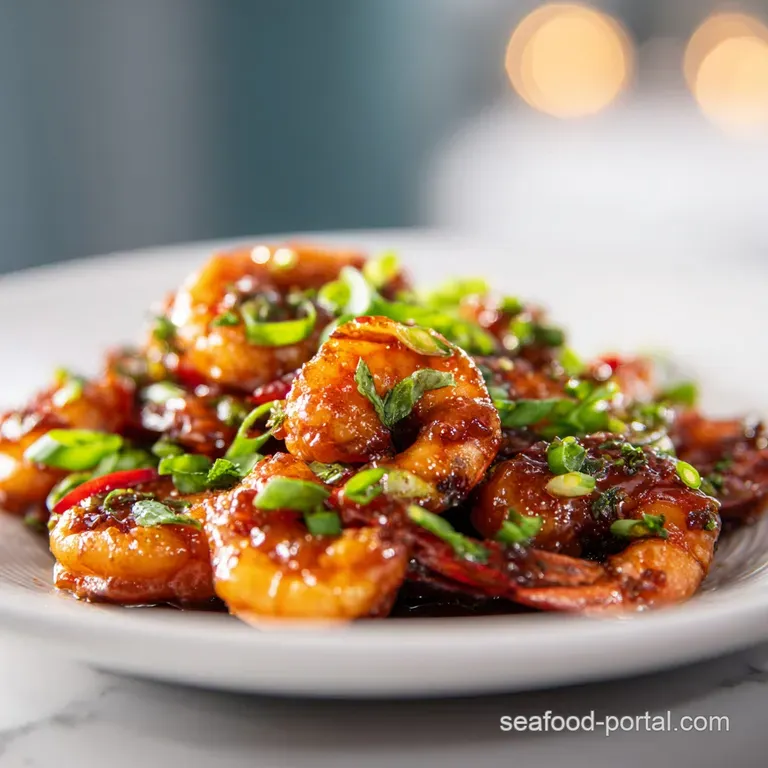
- Marinate the shrimp. Combine the 1 lb Large Shrimp with 1 tbsp Shaoxing wine, 1 tsp cornstarch, and 1/4 tsp salt. Note: This "velveting" technique keeps the seafood moist under extreme heat.
- Whisk the Kung Pao sauce. In a separate bowl, mix the 2 tbsp light soy sauce, 1 tbsp dark soy sauce, 2 tbsp Chinkiang black vinegar, 1 tbsp sugar, 2 tbsp chicken stock, and the remaining 1 tsp cornstarch.
- Heat the wok. Set your pan over high heat until a drop of water flicked onto it dances and evaporates instantly.
- Sear the protein. Add 1 tbsp oil and the marinated shrimp. Cook 2 minutes until they turn pink and opaque, then remove them and set aside.
- Bloom the aromatics. Add the remaining 1 tbsp oil, then toss in the 10 dried chiles and 1 tsp crushed Sichuan peppercorns. Stir 30 seconds until the chiles darken slightly.
- Add the base. Toss in the sliced garlic and minced ginger. Note: Don't let the garlic turn brown; you just want it fragrant.
- Sauté the vegetables. Throw in the diced bell pepper and sliced celery. Stir fry for 1 minute until crisp tender.
- Combine and glaze. Return the shrimp to the pan and pour the sauce mixture over everything.
- Thicken the sauce. Toss constantly for about 1 minute until the sauce turns glossy and clings to every piece.
- Final garnish. Stir in the 1/2 cup roasted peanuts and 2 green onions. Serve immediately.
Avoiding Soggy Shrimp and Bitter Aromatics
One of the biggest hurdles with this recipe is moisture. If your shrimp are still dripping wet when they hit the pan, they’ll steam instead of searing. This leads to a rubbery texture and a watery sauce. Another common pitfall is over toasting the chiles.
They go from fragrant to burnt and bitter in about five seconds. If they turn black, toss them and start over; there's no saving a bitter sauce.
Why Your Shrimp Is Rubbery
This usually happens because the heat wasn't high enough or the shrimp stayed in the pan too long. Remember, we sear them first, take them out, and only bring them back at the very end. This "double pass" method is a trick I learned while perfecting my Classic Shrimp Shumai recipe, where texture is everything.
| Problem | Root Cause | Solution |
|---|---|---|
| Watery sauce | Sauce wasn't whisked | Cornstarch settles at the bottom; give it a final stir before pouring |
| No numbing sensation | Old peppercorns | Use fresh Sichuan peppercorns and crush them right before cooking |
| Burnt garlic | Added too early | Ensure the chiles are bloomed first, then add garlic for only 20-30 seconds |
Common Mistakes Checklist
- ✓ Pat the shrimp bone dry with paper towels before marinating.
- ✓ Whisk the sauce again right before pouring it into the wok.
- ✓ Snip the dried chiles to release the seeds if you want a higher spice level.
- ✓ Use a neutral oil with a high smoke point; olive oil will burn and taste off.
- ✓ Don't overcrowd the pan; if doubling the recipe, cook the shrimp in two batches.
Customizing the Heat and Texture Profiles
If you’re cooking for a crowd, scaling this recipe requires a bit of math. If you double the ingredients to 2 lbs of shrimp, don't double the dried chiles unless you want a literal fire in your mouth. Scale the spices to about 1.5x.
For the liquids, reduce the total stock by about 10% to ensure the sauce still thickens properly in a domestic wok that might not get as hot as a commercial one.
For a lower carb version, you can swap the sugar for a monk fruit sweetener and serve the stir fry over cauliflower rice. The celery and bell peppers already provide a great low calorie bulk.
If you find the Sichuan peppercorns too intense, you can leave them whole and pick them out later, or just use a tiny pinch of ground black pepper for a more familiar heat profile.
| Original | Shortcut/Variation | Why It Works |
|---|---|---|
| Fresh Ginger/Garlic | Jarred paste | Saves 5 mins of prep; use 1 tsp of each |
| Dried Chiles | Sambal Oelek (1 tbsp) | Provides heat and acidity without the risk of burning whole chiles |
| Chinkiang Vinegar | Rice Vinegar + 1 tsp Molasses | Mimics the dark, sweet acidity of the original |
Locking in Freshness and Repurposing Scraps
Kung Pao Shrimp is best eaten immediately, but leftovers will keep in an airtight container in the fridge for up to 2 days. When reheating, avoid the microwave if possible, as it turns the shrimp into erasers. Instead, toss them back into a hot skillet with a teaspoon of water or stock to loosen the sauce.
I don't recommend freezing the finished dish, as the vegetables lose their "snap" and become mushy.
For a zero waste approach, keep your shrimp shells! Toss them into a bag in the freezer. When you have a few handfuls, boil them with ginger and onion to make a quick seafood stock. It’s a fantastic base for a Homemade Shrimp Alfredo recipe or a simple noodle soup. The green onion roots can also be stuck in a jar of water on your windowsill to regrow for next time.
Completing the Meal with Street Food Pairings
To really do this dish justice, serve it over a bed of steaming jasmine rice. The rice acts as a sponge for that incredible mahogany sauce. If you want to go full street food feast, a side of smashed cucumber salad with plenty of garlic and sesame oil provides a cooling contrast to the heat of the shrimp.
The crisp, cold cucumber resets your palate between those spicy, numbing bites.
If you’re feeling adventurous, try pairing this with some stir fried bok choy or even a simple egg drop soup. The goal is to balance the bold, aggressive flavors of the Kung Pao with something mild and hydrating. A cold lager or a glass of slightly sweet Riesling also works wonders to cut through the capsaicin.
Right then, let's get that wok hot you're going to love how this turns out!
Common Mistakes to Avoid (Checklist)
- ✓ Never add the sauce to a cold pan; it will soak into the ingredients instead of glazing them.
- ✓ Avoid using pre cooked frozen shrimp; they will turn tough and won't absorb the marinade.
- ✓ Make sure your peanuts are roasted; raw peanuts won't have the necessary crunch or depth of flavor.
- ✓ Don't skip the dark soy sauce if you can help it; it’s the secret to that restaurant quality color.
- ✓ Keep the heat on high throughout the entire cooking process to prevent the vegetables from leaking water.
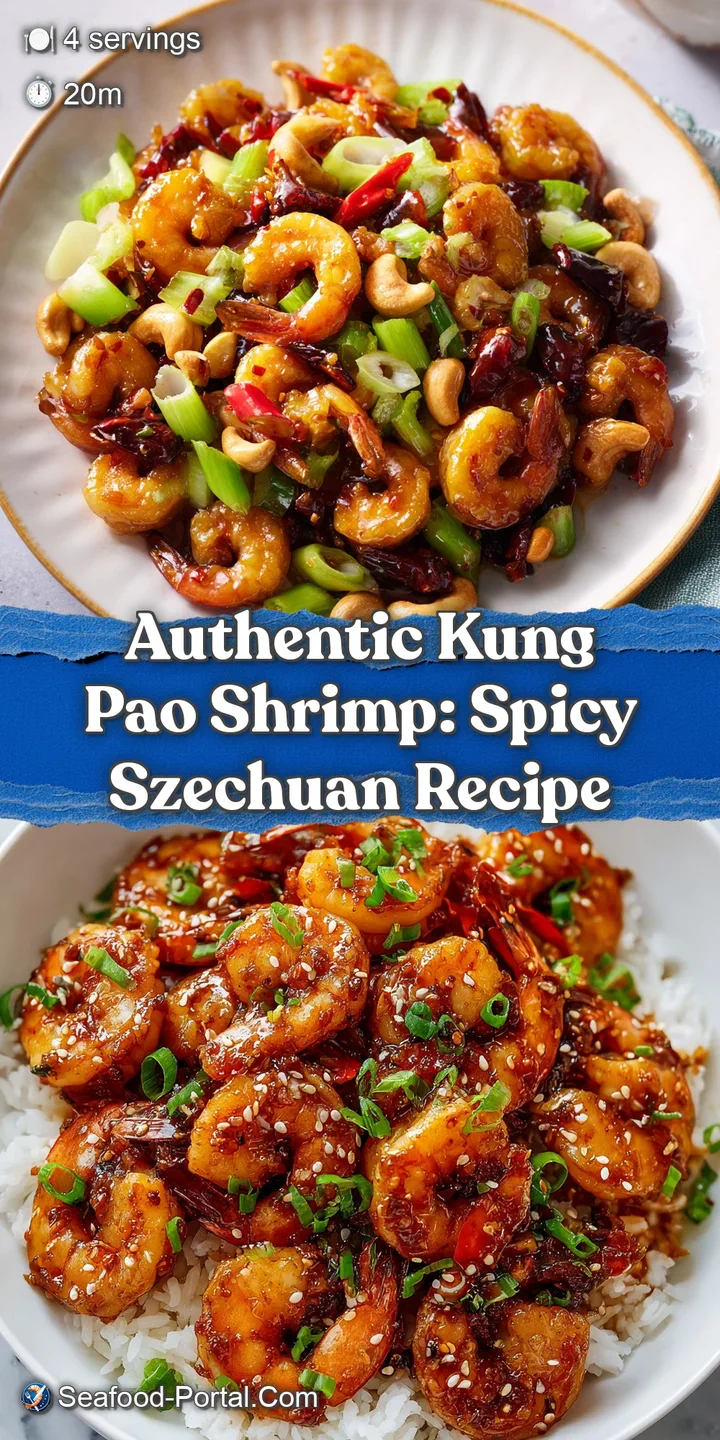
Very High in Sodium
1140 mg mg of sodium per serving (50% of daily value)
The American Heart Association recommends limiting sodium intake to about 2,300mg per day for optimal health.
Sodium Reduction Tips for Kung Pao Shrimp
-
Low Sodium Broth-30%
Replace the regular chicken stock with a low-sodium or no-sodium broth alternative. This can significantly cut down on the sodium content without sacrificing flavor.
-
Reduce Added Salt-25%
Reduce the amount of salt added directly to the shrimp marinade by half or eliminate it entirely. The soy sauces already contribute a significant amount of sodium.
-
Light Soy Balance-20%
Use low-sodium light soy sauce or reduce the amount of regular light soy sauce by half, compensating with a touch more vinegar and sugar for flavor balance.
-
Spice It Up
Enhance the flavors with sodium free herbs and spices! Increase the amount of Sichuan peppercorns, dried red chiles, garlic, and ginger to boost flavor without adding sodium. Consider adding a pinch of white pepper.
-
Unsalted Peanuts-10%
Ensure the roasted peanuts are unsalted. This prevents an unnecessary addition of sodium to the dish.
-
More Veggies-5%
Add more fresh vegetables like extra bell peppers or zucchini, to increase the volume of the meal and further dilute sodium content per serving.
Recipe FAQs
What is a Kung Pao Shrimp?
It is a spicy, savory stir fry. This dish combines shrimp marinated and quickly seared with dried chili peppers, Sichuan peppercorns, peanuts, and a tangy, sweet sour sauce.
What is Gong Bao shrimp?
Gong Bao is the authentic Mandarin name for Kung Pao. This dish is Sichuanese in origin, named after a Qing Dynasty official, Ding Baozhen, whose title was Gongbao (Palace Guardian).
What is Kung Pow sauce made of?
The sauce balances savory, sweet, and acidic notes. Key ingredients include Chinkiang black vinegar, light and dark soy sauces, sugar, stock, and a cornstarch slurry for thickening.
What is kung pow in Chinese food?
Kung Pao refers to a specific cooking style characterized by heat and numbing spice. It always features dried chiles and Sichuan peppercorns, creating the distinctive 'mala' (numbing and spicy) flavor profile.
Is it true that Kung Pao Shrimp must use Chinkiang vinegar?
No, though it is highly recommended for authenticity. Chinkiang vinegar provides a deep, malty, slightly smoky acidity that is crucial, unlike simple rice vinegar. If you enjoy balancing rich, savory flavors, the technique of flavor layering here is similar to what makes a great Shrimp Thermidor recipe.
How to prevent the shrimp from turning rubbery in the wok?
Sear the shrimp quickly, remove them from the pan, and only return them at the very end. This two-step cooking process, often called "velveting," ensures they finish cooking just as the sauce thickens and clings to them.
What should I serve Kung Pao Shrimp with?
Serve it immediately over plain jasmine rice to absorb the sauce. For added texture contrast, you could include crisp, chilled cucumber salad or steamed greens to balance the intense heat of the stir fry.
Kung Pao Shrimp In 20 Minutes
Ingredients:
Instructions:
Nutrition Facts:
| Calories | 312 kcal |
|---|---|
| Protein | 27.4 g |
| Fat | 16.8 g |
| Carbs | 12.5 g |
| Fiber | 2.3 g |
| Sugar | 5.1 g |
| Sodium | 1140 mg |
