Italian Lobster Tail Pastry: Crispy and Creamy
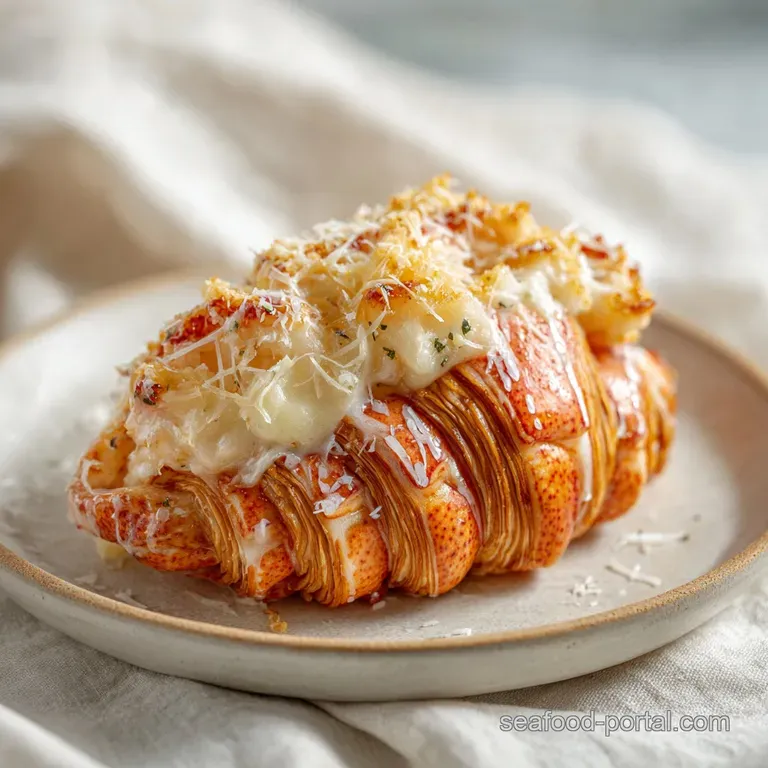
- Time: Active 210 minutes, Passive 30 minutes, Total 240 minutes
- Flavor/Texture Hook: Shatteringly crisp ridges with a velvety orange ricotta center
- Perfect for: Weekend projects or impressive holiday dessert spreads
- Create the Ultimate Lobster Tail Pastry
- Why This Recipe Works
- Component Analysis
- Essential Ingredients and Substitutes
- Necessary Kitchen Equipment
- Step-by-Step Cooking Guide
- Fix Common Baking Problems
- Scaling the Recipe
- Flavor and Texture Variations
- Proper Storage and Waste
- Perfect Side Dish Pairings
- Culinary Myths Debunked
- Recipe FAQs
- 📝 Recipe Card
Create the Ultimate Lobster Tail Pastry
Close your eyes and listen. That sound isn't just a crunch, it's a rhythmic shatter, like thin glass breaking under a velvet hammer. I remember the first time I stood outside a bakery in South Philly, the air smelling of toasted flour and bright citrus.
I held this ridged, golden cone in my hand, and as I bit down, the layers exploded in a spray of flaky shards, revealing a cool, creamy center that tasted like a summer morning in Sicily. That specific moment changed how I thought about pastry forever.
The magic of a Lobster Tail Pastry lies in its architectural defiance. It shouldn't be possible for dough to be this thin and this sturdy at the same time. This isn't like a croissant that relies on yeast and butter for air.
This is about pure physics - stretching a very stiff dough until it's as translucent as a dragonfly wing, then painting it with fat and rolling it into a "salami" so tight it looks like solid wood. It's a labor of love, but the payoff is a texture you simply cannot find in any other dessert.
We're going to walk through this together, and I'll tell you right now, your arms might get a little workout. But when you pull that tray out of the oven and see those layers fanning out into a deep mahogany brown, you'll feel like a professional pastry chef.
We aren't looking for "pale and soft" here; we want a bold, dark bake that ensures every single ridge stays crispy even after the cream goes in.
Why This Recipe Works
To get that legendary crunch, we have to understand how the dough behaves under pressure. This isn't your standard pie crust. We are dealing with a "Pasta Madre" style dough that needs to be incredibly strong to withstand being pulled through a pasta roller multiple times.
It’s the tension and the specific choice of fat that makes the "lobster tail" shape hold its form while fanning out in the heat of the oven.
- High Gluten Tension: Using 500g bread flour creates a massive protein network that allows the dough to be stretched to near transparency without snapping or tearing.
- Low Hydration Strength: The 200ml water ratio is purposefully low to create a very stiff dough, which prevents the layers from merging back together during the long chilling process.
- Lard for Crispness: Lard or shortening has a higher melting point and zero water content compared to butter, which ensures the ridges "set" instantly in the hot oven rather than melting into a puddle.
- Dual Stage Filling: The semolina porridge provides a stable, thick base that prevents the ricotta and whipped cream from making the pastry soggy from the inside out.
| Preparation Method | Time Required | Final Texture | Best For |
|---|---|---|---|
| Hand Kneading | 20 minutes | Very rustic/chewy | True traditionalists |
| Stand Mixer | 10 minutes | Uniform and strong | Consistent results |
| Food Processor | 5 minutes | Slightly warmer dough | Speed over texture |
Working with such a stiff dough can be intimidating if you're used to soft bread, but that resistance is exactly what we need. If the dough felt like pizza dough, it would simply fail to hold the thin ridges that define the Lobster Tail Pastry. We want it to feel like clay initially.
As it rests, the flour fully hydrates, and the honey helps soften the structure just enough to make it pliable for the roller.
Component Analysis
| Ingredient | Science Role | Pro Secret |
|---|---|---|
| Bread Flour | Structural integrity | Look for at least 12.5% protein for the best stretch. |
| Fine Semolina | Filling stabilizer | Cook it until it’s a thick paste to keep the cream stiff. |
| Lard/Shortening | Layer separation | Use it at room temperature so it spreads like soft frosting. |
| Ricotta Cheese | Flavor and moisture | Strain it overnight in cheesecloth to prevent a watery filling. |
The choice of lard over butter for the lamination is a point of contention for some, but trust me on this. Butter contains about 15-20% water. When that water evaporates in the oven, it creates steam, which is great for croissants but bad for the "shatter" we want here. Lard is 100% fat.
It coats every microscopic layer of flour, ensuring that when the heat hits, the layers fry against each other rather than steaming.
Essential Ingredients and Substitutes
When we're gathering our supplies, quality is everything because there are so few components. You want the zest from a fresh, heavy in-the hand orange and the best ricotta you can find. Avoid the "tub" ricotta if you can; look for the stuff in the metal tin with the drain holes or a local deli version.
It makes a world of difference in the final velvety mouthfeel.
- 500g bread flour: Essential for the high protein content.
- Substitute: All purpose flour mixed with 2 tbsp vital wheat gluten. Why this? Maintains the necessary elasticity for the pasta roller.
- 20g honey: Adds subtle sweetness and helps with browning.
- Substitute: Light corn syrup or agave nectar. Why this? Provides invert sugar properties for a pliable dough.
- 150g lard or vegetable shortening: The laminating fat.
- Substitute: high-quality clarified butter (Ghee). Why this? Ghee lacks water, mimicking the frying effect of lard.
- 250g whole milk ricotta: The creamy heart.
- Substitute: Mascarpone cheese. Why this? Denser and richer, though less traditional than ricotta.
- 1 tsp vanilla paste: For those beautiful black flecks.
- Substitute: 2 tsp pure vanilla extract. Why this? Paste offers a more concentrated, floral aroma.
Many people ask about using butter for the dough roll because it tastes better. While butter is king in most pastries, here it actually makes the dough harder to handle. Butter softens too quickly at room temperature.
If your kitchen is even slightly warm, a butter based dough log will turn into a greasy mess before you can even slice it. Stick with the lard or shortening for the "salami" phase to keep your sanity intact.
Necessary Kitchen Equipment
You don't need a professional bakery setup, but a few specific tools will make this process much smoother. The most important is a pasta roller. Trying to roll this dough thin enough by hand with a rolling pin is a Herculean task that usually ends in uneven layers.
A standard hand cranked Atlas or a KitchenAid attachment works beautifully.
- Stand Mixer: This dough is tough. Your mixer will do the heavy lifting that your wrists probably shouldn't.
- Pasta Roller: Essential for achieving that translucent, paper thin consistency.
- Bismarck Piping Tip: This is a long, pointed tip designed to pierce the pastry and fill it from the inside.
- Bench Scraper: Great for cleaning the lard off your work surface and helping roll the dough log tightly.
Since this recipe creates such a rich, buttery result, it often reminds me of the texture of a high end seafood dish. If you enjoy this level of decadence, you might want to try making a Lobster Butter Sauce for your next dinner party. It uses similar principles of fat emulsification to create a luxurious experience.
step-by-step Cooking Guide
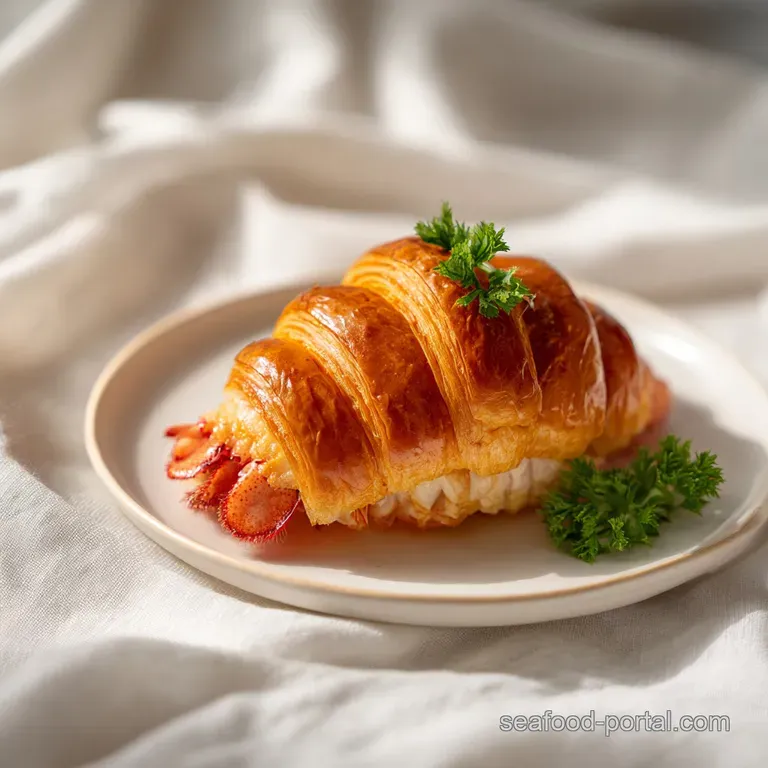
- Mix the dough. Combine 500g bread flour, 20g honey, 10g sea salt, and 200ml water in your stand mixer. Mix on low for 8–10 minutes until a very stiff, smooth dough forms. Note: It will look dry at first, but keep going.
- Rest the dough. Wrap the dough tightly in plastic wrap and let it sit for 1 hour at room temperature. until the gluten relaxes enough to stretch.
- Laminate the sheets. Divide dough into four pieces. Using a pasta roller, stretch each piece until it's translucent. Coat the sheet generously with 150g softened lard or shortening.
- Roll the log. Roll the greased sheet into a very tight cylinder. Join the pieces as you go to form one long, thick log. Wrap tightly and chill for 2 hours.
- Cook the semolina. Bring 500ml milk and 150g sugar to a simmer. Whisk in 150g semolina flour and cook until it becomes a thick, stiff porridge.
- Prepare the filling. Beat the cooled semolina porridge until smooth. Fold in 250g ricotta, orange zest, and vanilla. Fold in 200ml whipped heavy cream until the mixture is velvety and light.
- Shape the tails. Slice the chilled log into 1/2 inch discs. Use your thumbs to push the center out, creating a cone. until it looks like a tiered lobster tail.
- Bake. Brush with 50g melted butter and bake at 400°F (200°C) for 25-30 minutes until deep mahogany brown and crackling.
- Cool and fill. Let shells cool completely on a rack. Use a piping bag to inject the cream filling until the pastry feels heavy and full.
The shaping process is the most tactile part of the whole journey. When you push the center of the disc out with your thumbs, you are essentially sliding those microscopic layers of fat and dough against each other. It should feel like a telescopic lens opening up.
If the dough is too cold, it will resist; if it's too warm, the layers will smear. Finding that "goldilocks" temperature is the key to those distinct ridges.
Fix Common Baking Problems
Nothing is more frustrating than putting in hours of work only to have your pastries come out looking like flat cookies. Usually, this happens because of temperature or tension issues. If your layers aren't separating, it's almost always because the lard was too soft or the dough wasn't rolled tightly enough.
The "salami" log needs to be so tight that you can't see any air gaps when you slice it.
Why the dough is tearing
If your dough is shredding as it goes through the pasta roller, it’s likely too dry or wasn’t kneaded enough to develop the gluten. This dough is naturally very stiff, but it should still be cohesive.
Why the layers are blurry
When the ridges of the pastry look smeared or solid rather than defined, the fat has melted into the dough. This usually happens if the log wasn't chilled long enough or if your hands were too warm while shaping.
| Problem | Root Cause | Solution |
|---|---|---|
| Tearing dough | Undersaturated flour | Add 1 tsp water at a time during the initial mix. |
| Leaking fat | Lard was too thick | Ensure lard is softened to a mayo like consistency. |
| Soft pastry | Underbaked | Leave in oven until the color is a dark, toasted brown. |
Common Mistakes Checklist
- ✓ Pat the ricotta dry with paper towels to prevent a runny filling.
- ✓ Don't skip the 2 hour chill; the dough needs to be firm to slice cleanly.
- ✓ Keep the pasta roller on the thinnest setting possible for the last pass.
- ✓ Brush the exterior with butter just before baking to help the edges "shatter."
- ✓ Always fill the pastries right before serving to maintain the crunch.
If you find that your pastry shells are consistently coming out too oily, it might be that the lard you are using has a very low melting point. Some brands of vegetable shortening are specifically designed for over high heat stability, which can help. Visually, the finished shells should look very similar to Broiled Frozen Lobster Tails, with those distinct, overlapping segments that give the pastry its name.
Scaling the Recipe
If you are cooking for a crowd, this recipe scales up quite well, but you have to be careful with the mechanics. Doubling the dough is fine, but rolling out 1000g of bread flour dough might overwhelm a standard home stand mixer.
It’s better to work in two separate batches of dough to keep the motor from burning out.
For a half batch (6 servings), simply cut everything in half. Since the dough uses water instead of eggs, you don't have to worry about "half an egg" calculations. Just ensure you still use a 2 hour chill time for the log; a smaller log doesn't necessarily chill faster because it's the core temperature that matters for slicing.
| Goal | Amount Adjustment | Prep Change | Cook Change |
|---|---|---|---|
| Small Batch (6) | Divide all by 2 | No change | No change |
| Party Size (24) | Multiply by 2 | Mix in two batches | Rotate pans mid bake |
| Extra Creamy | Increase ricotta by 50g | Strain even longer | No change |
When scaling up, the liquid for the semolina porridge can sometimes take much longer to thicken. Be patient. If you try to rush the semolina by turning up the heat, it might scorch at the bottom of the pan, leaving a burnt flavor throughout your delicate cream filling. Slow and steady wins the race here.
Flavor and Texture Variations
While the traditional orange and ricotta filling is a classic for a reason, the Lobster Tail Pastry is a blank canvas for your imagination. Once you have mastered the "shatter" of the shell, you can play with the interior. The contrast of the dark, toasted dough with different flavor profiles can be truly inspiring.
The Chocolate Hazelnut Twist
Instead of orange zest, fold in 100g of high-quality hazelnut spread into the semolina porridge. This creates a rich, Nutella style filling that pairs perfectly with the salty sweet crust. You can even add a few crushed roasted hazelnuts into the cream for extra texture.
Pistachio and Rose
For a Middle Eastern flair, use pistachio paste instead of vanilla. A drop of rose water in the whipped cream adds a floral note that cuts through the richness of the lard laminated dough. This version is especially beautiful when dusted with a little green pistachio flour on top.
Lemon and Ginger
If you want something brighter, swap the orange zest for lemon and add a tablespoon of finely minced candied ginger to the ricotta mixture. The ginger provides a tiny "spark" of heat that wakes up the palate after the heavy crunch of the pastry.
Proper Storage and Waste
Pastry like this is at its peak about 10 minutes after it has been filled. However, life happens, and you might have leftovers. The key is to store the shells and the filling separately. An unfilled shell can stay crispy in an airtight container for up to 3 days at room temperature.
Once they are filled, the moisture from the ricotta will start to migrate into the pastry ridges immediately.
- Fridge: Store the prepared cream filling in a sealed container for up to 4 days.
- Freezer: You can freeze the unbaked dough log (the "salami") for up to 2 months. Thaw it in the fridge overnight before slicing and shaping.
- Zero Waste: Don't throw away the "end pieces" of your dough log that don't make perfect discs. Bake them anyway! They won't be pretty lobster tails, but they are delicious "pastry croutons" for a bowl of yogurt or ice cream.
If you have leftover semolina porridge that hasn't been mixed with ricotta yet, it makes a fantastic warm breakfast. Just stir in a little extra milk, a pat of butter, and a sprinkle of cinnamon. It’s essentially a thick Cream of Wheat that tastes like the start of a great pastry.
Perfect Side Dish Pairings
Because this pastry is so rich and textural, it doesn't need much accompaniment. However, serving it alongside a sharp, acidic beverage can help cleanse the tongue between those buttery bites. A small glass of chilled Limoncello or a strong, dark espresso is the traditional way to go.
If you are serving these as part of a larger brunch, think about balance. You don't want another heavy, doughy dish. A fresh fruit salad with a honey lime dressing or a savory vegetable frittata provides the necessary contrast. The goal is to let the Lobster Tail Pastry be the undeniable star of the table.
For a truly decadent Italian themed evening, imagine starting with a savory seafood course. The intricate layers of this pastry are a beautiful culinary echo to a well prepared lobster dish. You could even use some of the techniques here to think about texture in other recipes, such as how to get the perfect crunch on Broiled Frozen Lobster Tails.
Culinary Myths Debunked
One of the biggest misconceptions is that you need "Sfogliatelle flour" from Italy to make these work. While Italian "00" flour is great, our high protein bread flour is actually better for the Lobster Tail version because it provides more structural support for the cream puff style filling.
You don't need imported flour to get a world class result.
Another myth is that you can substitute puff pastry for the dough. While puff pastry is flaky, it uses steam to rise, creating a soft, airy texture. Lobster tails use tension and fat frying to create a hard, brittle "shatter." Using store-bought puff pastry will result in a tasty cream horn, but it will never be an authentic Lobster Tail Pastry.
Finally,, some people believe that the dough must be rolled by hand to be "authentic." In reality, even the old school bakeries in Naples and New York have used mechanical rollers for nearly a century.
The machine ensures a level of thinness and consistency that is physically impossible to achieve with a wooden pin, and it doesn't make the pastry any less "homemade" or delicious.
Recipe FAQs
What is a lobster tail pastry called?
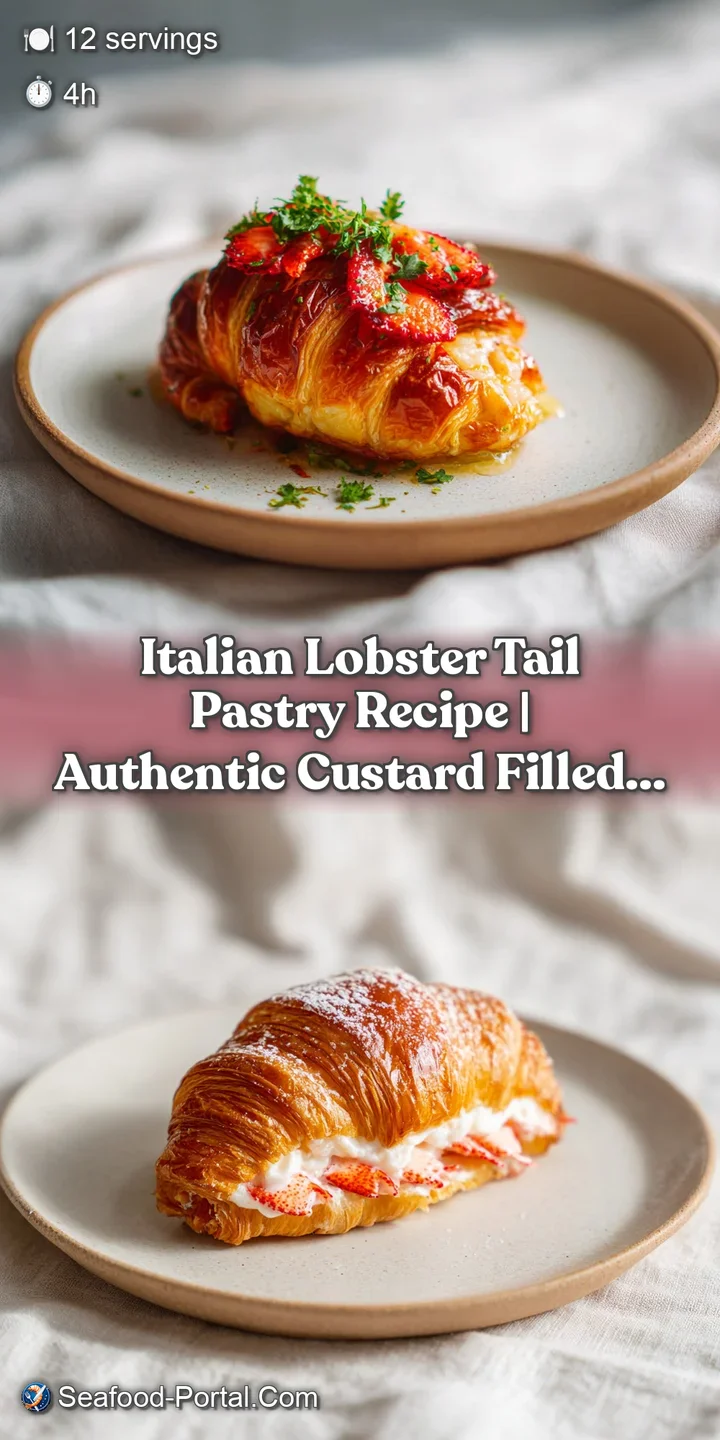
It is officially called sfogliatelle. While many people refer to them as "lobster tails" due to their distinct fan-like shape, the traditional Italian name describes the thin, layered leaves of dough.
What filling is in a lobster tail pastry?
The filling is a sweetened ricotta and semolina cream. It is made by thickening whole milk and semolina flour into a porridge, cooling it, and folding in strained ricotta, sugar, orange zest, and vanilla, finishing with whipped heavy cream.
What is the difference between lobster tail and sfogliatelle?
There is no difference; they are the same pastry. "Lobster tail" is the Americanized name for the sfogliatelle, referencing the visual appearance of the crispy, overlapping dough layers once baked.
How do Italian Americans pronounce sfogliatelle?
Pronounce it as "sfo-lya-TELL-eh." The "gli" sound is a soft, liquid 'l' sound, and the final 'e' is pronounced, rather than remaining silent.
How to achieve the signature crispy, layered texture?
Stretch the dough into translucent sheets using a pasta roller before coating with lard. Creating these extremely thin layers is essential for the luxurious texture that allows the pastry to shatter upon the first bite.
How to prevent the filling from becoming runny?
Strain your ricotta thoroughly with paper towels before mixing. Excess moisture in the cheese will thin out the semolina porridge and compromise the structural integrity of your pastry.
How to ensure the dough discs maintain their shape in the oven?
Chill the rolled dough log for at least two hours before slicing. Firm, cold dough allows you to push the centers into a cone shape without the layers sliding apart or losing their definition.
Italian Lobster Tail Pastry

Ingredients:
Instructions:
Nutrition Facts:
| Calories | 511 calories |
|---|---|
| Protein | 10.8g |
| Fat | 25.6g |
| Carbs | 57.3g |
| Fiber | 1.3g |
| Sugar | 16.5g |
| Sodium | 360mg |
