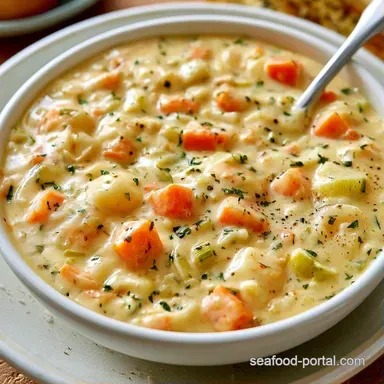
Hearty Irish Seafood Chowder Recipe
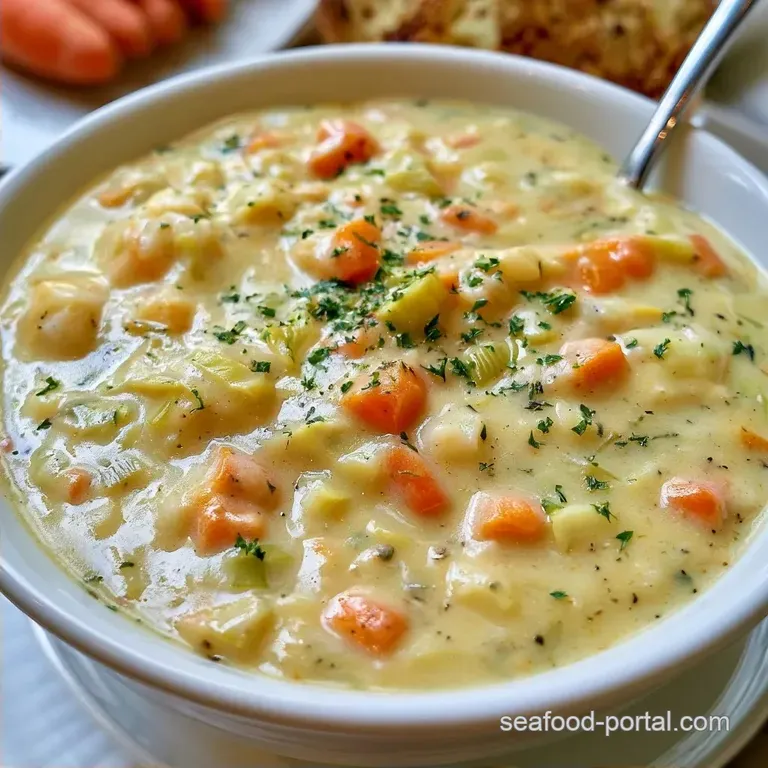
- Time: 15 min active + 30 min cooking
- Flavor/Texture Hook: Rich, creamy broth with tender, flaky fish
- Perfect for: Rainy weekend dinners or family gatherings
The smell of simmering leeks and salty seafood is exactly what you need when the weather turns grey. But let's be honest, most home versions of this dish end up as a disaster. I once served a batch where the cod had shrunk into tiny, rubbery pebbles and the cream had split into oily clumps.
It looked more like a science experiment than dinner.
The problem is usually heat management. People boil the seafood for too long or let the dairy hit a rolling boil, which breaks the sauce. This Irish Seafood Chowder Recipe fixes that by treating the seafood like a delicate poach rather than a boil.
You can expect a bowl that feels heavy and comforting but doesn't leave you feeling sluggish. It's a balance of chunky potatoes, sweet carrots, and three types of seafood that stay plump and juicy.
Irish Seafood Chowder Recipe
The Potato Trick: Using Yukon Golds allows some of the edges to soften, releasing starch that thickens the broth naturally. This means we skip the flour, which keeps the flavor clean and the texture smooth.
The Seafood Sequence: Adding the fish only at the very end prevents the proteins from tightening up. It keeps the cod flaky and the shrimp snapy instead of chewy.
Dairy Stability: We stir in the half and half after removing the pot from the heat. This stops the fats from separating, ensuring the soup stays creamy and consistent.
| Goal | What to change |
|---|---|
| Thicker Broth | Simmer potatoes 5 mins longer |
| Lighter Feel | Swap half and half for whole milk |
| More Zing | Add extra 1 tsp lemon juice |
How It Works
The logic here is all about layering. We start with the "aromatics" leeks, carrots, and celery which create a sweet, savory base. By sautéing them in butter without browning, we keep the color pale and the taste delicate.
Then comes the stock and potatoes. The potatoes need the most time to soften, so they simmer alone first. Once they're tender, they've already done the work of thickening the liquid.
Finally, the seafood enters. Cod and salmon cook incredibly fast. Since the broth is already hot, they essentially poach in the liquid. This preserves the moisture inside the fish, so you get a juicy bite every time.
| Method | Time | Texture | Best For |
|---|---|---|---|
| Stovetop (this) | 45 mins | Chunky & Creamy | Fresh dinners |
| Slow Cooker | 6 hours | Very Soft | Set and forget |
| Instant Pot | 25 mins | Uniform | Quick prep |
Essential Ingredient Guide
Your choice of seafood is critical for the final result. Atlantic cod offers a delicate, clean taste, while salmon brings a richer flavor. Haddock works well if cod isn't available.
For the Base
- 2 tbsp (28g) unsalted butter Why this? Creates a rich, nutty foundation.
- 2 large (200g) leeks, cleaned and thinly sliced Why this? A gentler, sweeter alternative to onions.
- 2 medium (120g) carrots, diced Why this? Contributes color and subtle sweetness.
- 2 stalks (60g) celery, diced Why this? Adds a grounding, earthy note.
- 3 cloves (9g) garlic, minced Why this? A punch of sharpness to balance the cream.
For the Hearty Fillers
- 4 cups (950ml) low sodium seafood stock Why this? Intensifies the oceanic profile.
- 1.5 lbs (680g) Yukon Gold potatoes, peeled and cut into ½-inch cubes Why this? Maintains its structure better than Russets.
- 1 bay leaf Why this? Introduces a light, herbal aroma.
- 1 tsp (2g) dried thyme Why this? Pairs perfectly with root vegetables.
- ½ tsp (3g) sea salt Why this? Heightens the natural taste of the seafood.
- ¼ tsp (1g) cracked black pepper Why this? Provides a subtle, woody warmth.
For the Seafood Mix
- ¾ lb (340g) Atlantic cod, bite sized chunks Why this? A mild and flaky white fish.
- ¾ lb (340g) fresh salmon, bite sized chunks Why this? Provides color and healthy fats.
- ¾ lb (340g) raw shrimp, peeled and deveined Why this? Adds a firm and snappy bite.
- 1 cup (150g) frozen peas Why this? A burst of brightness and color.
For the Finishing Touch
- 1 cup (240ml) half and half Why this? Adds creaminess without being overly heavy.
- 1 tbsp (15ml) fresh lemon juice Why this? Lifts the flavor of the whole pot.
- 2 tbsp (8g) fresh parsley, chopped Why this? A crisp, grassy finish.
| Component | Purpose | Substitute Notes |
|---|---|---|
| Yukon Gold | Texture and Body | Russet: More mealy, can fall apart |
| Seafood Stock | Flavor Foundation | Clam juice + water: More briny |
| Half and Half | Creaminess | Heavy cream: Much denser and richer |
| Cod/Salmon | Primary Protein | Halibut: Firmer, higher cost |
Ingredient Swaps
Don't worry if you're short on a few items. These alternatives will work great without altering the core of the dish.
| Original Ingredient | Substitute | Why It Works |
|---|---|---|
| Leeks | Yellow Onion | Comparable base, though slightly sharper |
| Half and Half | Coconut Milk | Similar richness. Note: Adds a tropical hint |
| Atlantic Cod | Haddock | Similar mild taste and flake |
| Seafood Stock | Chicken Stock | A good alternative, but with less "ocean" aroma |
Necessary Cooking Gear
While any basic setup works, a Dutch oven is ideal here. Its thick base ensures the butter and vegetables won't burn.
A heavy bottomed stockpot is a great substitute. Grab a sharp chef's knife for slicing the leeks, and keep a colander nearby to wash away any sand from the pieces.
Use a silicone spatula for the final step. This allows you to fold in the fish gently; a metal spoon is too harsh and could turn the cod into mush.
Step by step Process
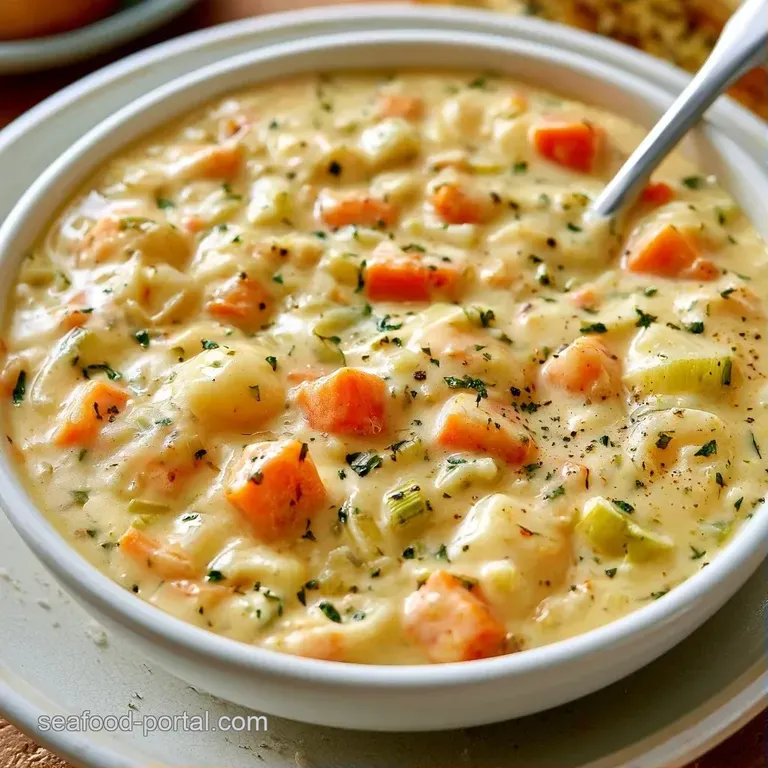
Now we can start the cooking process. Keep your seafood refrigerated until the moment it's needed.
Melt the butter over medium heat in a Dutch oven. Add the sliced leeks, diced carrots, and celery, sautéing for 6–8 minutes until the vegetables are translucent and smelling sweet. Avoid letting them brown.
Stir in the minced garlic and cook for 60 seconds until it smells fragrant but hasn't turned dark.
Pour in the seafood stock. Stir in the cubed potatoes, bay leaf, thyme, salt, and pepper.
Bring the mixture to a gentle boil, then turn the heat down. Cover the pot and simmer for 12–15 minutes until the potatoes are fork tender.
Increase the heat slightly to maintain a simmer. Gently fold in the cod, salmon, and shrimp. Cook for 4–6 minutes, stirring carefully until the fish is opaque and shrimp are pink.
Stir in the frozen peas, half and half, lemon juice, and chopped parsley.
Immediately remove the pot from the burner.
Ladle into bowls and serve while steaming.
Fixing Common Issues
Many people struggle with a broken sauce when making Irish Seafood Chowder. This typically occurs if the dairy gets too hot. When tiny oil droplets appear on the surface, it means the cream has split.
While whisking in a small amount of cornstarch dissolved in cold water can help, your best approach is to prevent the liquid from boiling.
"Rubbery" seafood is another frequent mishap, and it's all about timing. Fish and shellfish should be poached, not boiled. Letting them simmer for 10 minutes will leave you with an eraser like texture.
Instead, stir them in at the very end and remove the pot from the heat as soon as the shrimp turn pink.
Potato texture is also key. Undercooked potatoes make the soup feel more like a stew, while overcooked ones turn it into a porridge. Yukon Golds are ideal here, as they soften nicely while maintaining their cubed shape.
| Problem | Root Cause | Solution |
|---|---|---|
| Curdled Cream | Liquid boiled after adding dairy | Remove from heat before adding cream |
| Rubbery Seafood | Overcooked proteins | Cook fish for max 6 minutes |
| Too Thin | Potatoes not simmered enough | Simmer potatoes 5 mins longer |
| Bland Flavor | Under seasoned stock | Add a pinch more salt or lemon juice |
Tweaking The Recipe
You can customize this dish based on what you have on hand. To achieve a thicker, stew like consistency, increase the amount of potatoes and reduce the half and half, bringing it closer to an Irish Seafood Stew Recipe.
For a dairy-free alternative, swap the half and half for cashew cream or full fat coconut milk. The coconut milk provides a subtle sweetness that complements the salmon well. If you choose a dairy-free option, use extra lemon juice to balance the richness.
Feel free to incorporate other seafood, such as mussels or scallops. Since mussels require a bit more time to open, add them at the same point as the cod. For a more intense seafood base, try my Crawfish Julie Sauce.
Stirring smoked paprika into the butter at the beginning gives the chowder a "fire roasted" depth similar to a traditional hearth cooked meal. For a more acidic profile, pour in a splash of dry white wine after the garlic but before the stock to add another layer of complexity.
| Goal | What to change |
|---|---|
| More Hearty | Add 1 cup of corn kernels |
| Zestier | Use lemon zest instead of just juice |
| Smoked Flavor | Add ½ tsp smoked paprika |
Storage and Waste
While this chowder is most delicious served fresh, leftovers remain tasty. Keep them chilled in an airtight bowl for a maximum of 48 hours.
Warm the soup gently on the stovetop using a low setting. Avoid high microwave heat to prevent the seafood from toughening or the cream from splitting. Stir in a bit of water or milk to restore the consistency, as the potatoes tend to soak up the broth during storage.
Freezing isn't advised here. Since the cream and potatoes react poorly to freezing, you'll likely find the texture grainy and the dairy separated once thawed.
Reduce waste by keeping the dark green tops of your leeks. These can be frozen for future stocks or fried with eggs for a simple breakfast. Additionally, any extra seafood stock can be frozen in ice cube molds, making it easy to enhance a risotto later.
Best Side Pairings
You can't really have an Authentic Irish Seafood Chowder without some kind of bread. A crusty soda bread is the gold standard here. The dense, slightly sour crumb is perfect for soaking up every drop of that creamy broth.
If you're looking for something lighter, a simple arugula salad with a lemon vinaigrette cuts through the richness of the salmon and cream. It refreshes the palate between bites.
For a full blown seafood feast, this pairs beautifully with a side of stove cooked salmon or some grilled prawns. Just make sure the sides aren't too creamy, or the meal will feel too heavy.
Common Misconceptions
Searing the fish before adding it to the soup is a common suggestion, but it's unnecessary here. Searing is for steaks or fillets. In a chowder, you want the fish to be tender and poached. Searing just adds an extra step and risks overcooking the fish before it even hits the pot.
Some people think you need a roux (flour and butter) to get a thick chowder. While that's traditional in some regions, it can make the soup feel "pasty." Relying on the starch from the Yukon Gold potatoes creates a cleaner, more natural thickness that lets the seafood shine.
Finally, don't believe that you need "expensive" seafood for this to work. While fresh is better, high-quality frozen cod and shrimp work perfectly as long as they are thawed completely and patted dry before going into the pot.
This makes the Irish Seafood Chowder Recipe accessible for a Tuesday night, not just a special occasion.
Recipe FAQs
What are common mistakes when making chowder?
Overcooking the fish or boiling the dairy. Seafood toughens quickly and high heat can cause the half and-half to separate. Fold in your seafood and cream at the very end over low heat.
Is it true that the vegetables must be browned for a rich flavor?
False. Sautéing leeks, carrots, and celery until translucent preserves their natural sweetness and keeps the broth clear and bright.
How do you keep the seafood from overcooking?
Fold the cod, salmon, and shrimp in during the last 4 6 minutes of cooking. Stir gently to ensure the chunks stay intact while they poach in the simmering liquid.
What creates the creamy texture in this recipe?
The combination of half and-half and starchy Yukon Gold potatoes. The potatoes release natural starches that thicken the seafood stock. If you enjoyed achieving this silky consistency, see how the same principle works in our lobster mac and cheese.
Irish Seafood Chowder Recipe