Pub Lunch Perfection Tender Hotsmoked Salmon with a Simple Mapledill Cure
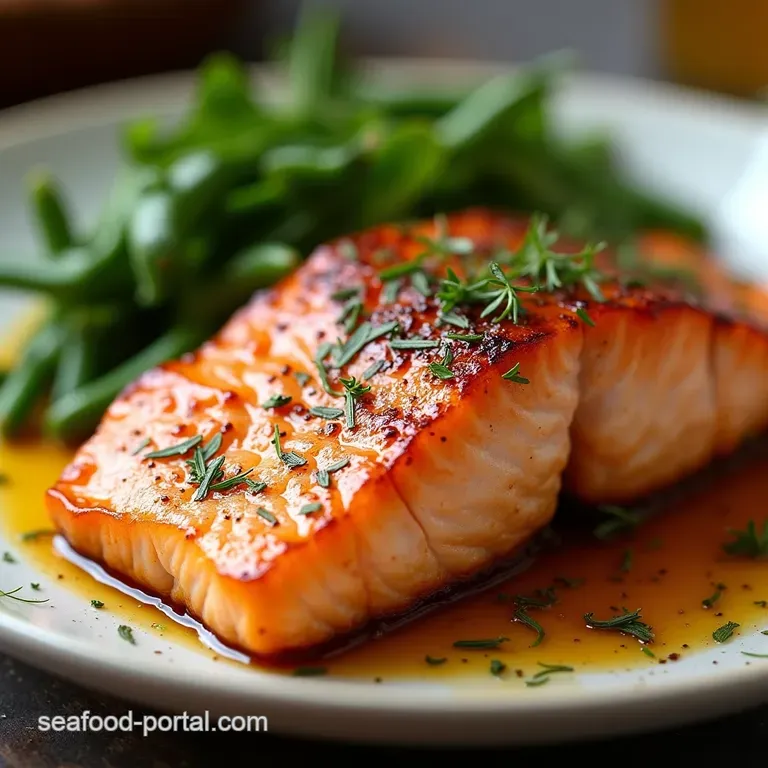
- Ditch the Deli Counter: Why Homemade Hot-Smoked Salmon Reigns Supreme
- The Alchemy of Smoke: Unlocking Unforgettable Home Flavor
- Assembling Your Artisanal Curing Kit
- Phase One: The Essential Curing Process
- Mastering the Smoke: Achieving Internal Temperature Targets
- Maximizing Enjoyment: Storing and Serving Your Smoked Salmon Creation
- Recipe FAQs
- 📝 Recipe Card
Ditch the Deli Counter: Why Homemade Hot-Smoked Salmon Reigns Supreme
There’s a certain magic that happens when you transform a fresh fillet of salmon using nothing but salt, sugar, and the gentle kiss of woodsmoke. For too long, we’ve accepted the pale, often salty, thinly sliced product found in supermarket refrigerator cases.
But I’m here to tell you that those slices pale in comparison to what you can achieve in your own backyard. Smoking salmon at home is incredibly rewarding; it beats those overpriced packets any day of the week by delivering a texture that is both firm and wonderfully succulent, bursting with natural flavour.
We're diving into a Homemade Smoked Salmon Tutorial focused on the hot-smoking method, which bypasses the lengthy cold smoking complications while still achieving that luxurious comfort food feel, accessible to any dedicated home cook.
The Alchemy of Smoke: Unlocking Unforgettable Home Flavor
This recipe, "Pub Lunch Perfection: Tender Hot-Smoked Salmon with a Simple Maple Dill Cure," is designed to guide you through creating a masterpiece over several hours. It’s not difficult, but it does require patience think of it as low-and-slow barbecue for the aquatic world.
The resulting Best Smoked Salmon is perfect for flaking into pasta, showcasing on a magnificent buffet, or being the star of your next brunch spread.
Beyond store-bought Slices: Achieving Silken Perfection
The goal here is texture. While commercial producers often aim for that paper thin, cured texture through cold smoking, our hot-smoke approach yields a flakier, more robust fillet. This robust texture stands up beautifully to being mixed into sauces or piled high on a Smoked Salmon Bagel .
We use a straightforward dry cure, relying on salt and brown sugar to draw out moisture and firm up the flesh before the heat transforms it.
Hot vs. Cold Smoking: Our Straightforward Approach Explained
Understanding the difference is key to this recipe’s success. Cold smoking happens below 85° F ( 30° C) and is essentially a long preservation and flavour infusion process; the fish remains raw. Hot-smoking, conversely, cooks the fish while infusing smoke.
We are setting our smoker temperature between 200° F and 225° F ( 95° C– 107° C). This process cooks the salmon gently over 3.5 to 4.
5 hours, resulting in a moist, flaky product ready to eat almost immediately after resting. This method is perfect for achieving that Herb seasoned Smoked Salmon character quickly.
Why Maple and Dill Are the Ultimate Salmon Pairing
For our foundational flavour profile, we lean into the classics with a twist. The Maple Dill Dry Cure balances savoury depth with gentle sweetness. The light brown sugar caramelizes ever so slightly during the smoke, enhancing the richness of the fish, while the dill and lemon zest provide a bright, herbaceous counterpoint that cuts through the richness beautifully.
This combination ensures that every slice sings with flavour.
Assembling Your Artisanal Curing Kit
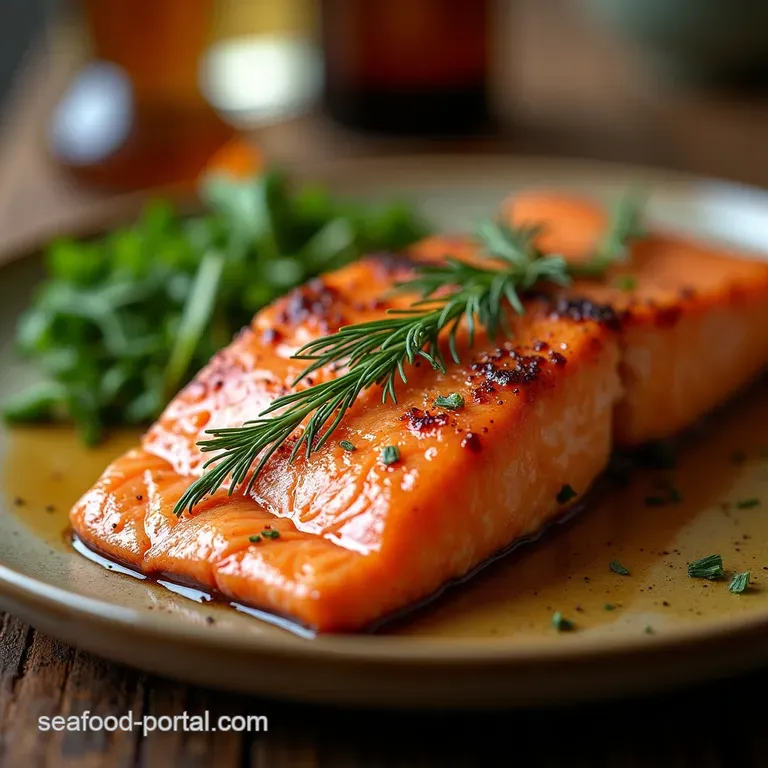
Before the smoke even starts, the preparation of the cure is the most crucial inactive step. This curing phase, which takes between 12 and 24 hours, is essential for both flavour absorption and achieving the correct structural integrity in the fish.
The Sweet, Salty, and Herbaceous Cure Mixture Breakdown
To create the potent rub, you’ll need a hearty measure of coarse sea salt (about 1 cup) and brown sugar (1/2 cup). These form the backbone of the Smoked Salmon Brine —though technically a dry cure pulling moisture and seasoning the flesh deeply.
We enhance this foundation with crushed black peppercorns for bite, granulated garlic powder for depth, and the bright inclusion of lemon zest, which ensures our finished product tastes fresh, not just salty. A tablespoon of dried dill weed rounds out this classic profile beautifully.
Selecting the Perfect Cut: Choosing Your Salmon Fillet
The quality of your starting material dictates the final outcome. Aim for a center cut salmon fillet weighing approximately 2.5 to 3 pounds, ensuring it has the skin left on. The skin acts as a protective layer against the direct heat and moisture loss during the long smoke.
Crucially, take the time to ensure all pin bones have been carefully removed before you begin curing; removing them after smoking is a messy and frustrating ordeal.
Wood Chip Wisdom: Selecting the Right Smoke Source
For this lighter, brighter flavour profile, we recommend a fruitwood like Applewood or Alder. These woods produce a mild, sweet smoke that complements the maple and dill beautifully without overpowering the delicate fish.
Always remember to soak your wood chips in water for at least 30 minutes before placing them on your heat source; this prevents them from immediately igniting and smoking too fiercely, encouraging a long, steady release of flavourful smoke instead.
Related Recipes Worth Trying
- Foolproof Oven Baked Salmon with Zesty LemonDill Glaze — Learn how to bake salmon in the oven perfectly every time This easy oven baked salmon recipe uses a bright lemondill glaze for moist flaky fish in under 25...
- The Ultimate Grilled Salmon Cobb Salad Recipe Fresh Summer Dinner — Elevate your dinner with this stunning Grilled Salmon Cobb Salad recipe Featuring flaky smoked paprika salmon and tangy lemondijon dressing A healthy salmon...
- The Proper Salmon Salad Light LemonDill Capers Recipe — Elevate your lunch with this bright nonsoggy Salmon Salad Sandwich Recipe Made with crème fraîche and fresh dill for incredible flavour Get the easy recipe
Phase One: The Essential Curing Process
Once your cure mixture is ready, it’s time to apply it. After thoroughly patting your salmon fillet completely dry, you will liberally coat the flesh side with half of the cure mixture, pressing firmly. Flip the fillet and apply the remainder, ensuring every inch is covered.
Place this cured fillet, flesh side up, on a wire rack set over a baking sheet and slide it, uncovered, into the refrigerator for 12 to 24 hours. This process firms the flesh significantly.
Mastering the Smoke: Achieving Internal Temperature Targets
The transition from cure to smoker is delicate, requiring specific handling to ensure perfect adhesion of the smoke.
Timing the Cure: How Long to Rest the Salmon
The 12 to 24-hour window is non-negotiable for this style of salmon. If you rush it, the exterior will be overly salty, and the interior texture won't set correctly. After this time, the surface of the fish should appear noticeably drier and slightly firmed up.
The Brine Rinse and Pat Down: Pre-Smoking Prep
Once the cure time is up, the fish must be thoroughly rinsed under cold water to remove all excess salt and sugar from the surface. Immediately following the rinse, you must pat the fillet aggressively dry with paper towels. Any surface moisture will result in steaming rather than smoking.
Setting Up Your Smoker: Temperature Control Secrets
Preparing your Smoked Salmon Traeger or kettle grill is a test of focus. You need consistent, indirect heat maintained between 200° F and 225° F ( 95° C– 107° C).
A water pan filled with water or thin apple juice is critical here; it acts as a buffer to keep the temperature steady and adds humidity, preventing the salmon from drying out too severely during the long smoke. Once the temperature stabilizes, add your drained wood chips to generate that crucial smoke flavour.
Doneness Defined: Identifying Perfect Flakiness
Place the salmon skin side down on the cooler side of the grill, ensuring it is away from direct heat. Insert a reliable meat thermometer into the thickest part of the fillet. You are aiming for a final internal temperature of 140° F ( 60° C) .
This temperature results in wonderfully moist, flaky salmon that still holds together beautifully. Overcooking past 145° F will yield a dry result, so watch that thermometer closely!
Maximizing Enjoyment: Storing and Serving Your Smoked Salmon Creation
Upon reaching 140° F, remove the salmon from the smoker and allow it to rest at room temperature for about 15 minutes. The flavours will settle and redistribute as it cools slightly.
For the best texture and slicing ease, chill the fish completely before slicing thinly against the grain.
Optimal Storage Techniques for Freshness Preservation
Proper Smoked Salmon Storage Tips are important for maintaining that hard won flavour. Once cooled, wrap the fillet very tightly in plastic wrap, then foil, or place it in an airtight container.
Stored correctly in the refrigerator, this homemade smoked salmon will retain peak quality for up to a week. For longer storage, it freezes exceptionally well for up to three months.
Serving Suggestions: Pairing Beyond the Bagel
While the classic Smoked Salmon Bagel with cream cheese and capers is unbeatable, don't limit yourself! Flake this hot-smoked creation into creamy pasta sauces, toss it through a vibrant green salad for added protein, or simply serve it alongside simple crackers, pickled onions, and fresh dill sprigs as an impressive appetizer.
Troubleshooting Common Smoker Setbacks
If your salmon appears pale or the smoke flavour seems weak, it usually points to insufficient smoke generation, perhaps because the wood chips were too wet or the temperature was too low to produce good smoke at the start.
If the texture is rubbery, the temperature likely spiked too high during the cook, effectively baking the fish rather than smoking it gently.
Experimenting with Spice Rubs for Next Level Smoked Salmon
Once you master this maple dill base, feel free to explore. A fantastic variation involves swapping the dill for 1 tablespoon of smoked paprika and 1 teaspoon of cayenne pepper, which creates a slightly fiery kick.
Alternatively, try an Asian inspired cure by substituting the brown sugar with dark brown sugar and adding dried ginger and five spice powder for a profoundly different, yet equally delicious, Smoked Salmon Recipes offering.

Recipe FAQs
I’m a beginner is this hot-smoked salmon recipe really too complicated for a novice?
Not at all! While it does require patience, hot-smoking is much more forgiving than the fiddly cold smoking method. The trickiest bit is maintaining a steady temperature in your smoker (around 215°F), so think of it like tending a slow burning fire keep an eye on it, and you’ll be rewarded beautifully.
How important is the curing time for the Smoked Salmon, and can I skip the overnight rest?
The cure is absolutely essential; it’s not just for flavour! Curing draws out moisture, which helps achieve that firm, succulent texture we’re after, and it prevents the fish from just steaming on the smoker.
While you could technically cut it short, rushing the 12 24 hour cure means you risk a softer, less appealing texture, so don’t skip it if you want pub lunch perfection!
My smoker isn't quite reaching the right temperature what internal temperature should the salmon hit exactly?
For hot-smoked salmon, you’re aiming for a safe, flaky texture, which means pulling it off the heat when the internal temperature in the thickest part reaches 140°F (60°C). Remember, it will carry over cook for a few degrees as it rests, which is perfect.
If you go much hotter than 145°F, it can start to dry out like a standard baked fillet.
I don't like dill what can I substitute for that flavour in the dry cure?
Dill is lovely, but if it’s not your cup of tea, you have great options! You could swap it out entirely for 1 tablespoon of smoked paprika for a deeper colour and smoky flavour, or try 1 tablespoon of fresh, finely chopped rosemary mixed with the zest.
Just ensure you maintain the salt and sugar ratios for the cure to work its magic.
How long will this homemade Smoked Salmon last in the fridge, and is it safe to eat cold later?
Because this is hot-smoked (meaning it’s cooked through), it keeps much better than raw fish. Once thoroughly cooled and stored tightly wrapped in the fridge, it should last a good week, maybe slightly longer. It’s fantastic cold on crumpets the next morning or flaked into a salad later in the week!
Hot Smoked Salmon
Ingredients:
Instructions:
Nutrition Facts:
| Calories | 563 kcal |
|---|---|
| Protein | 3.6 g |
| Fat | 17.4 g |
| Carbs | 47.9 g |
| Fiber | 2.4 g |
| Sodium | 6612 mg |
