Honey Salmon: Glazed and Crispy
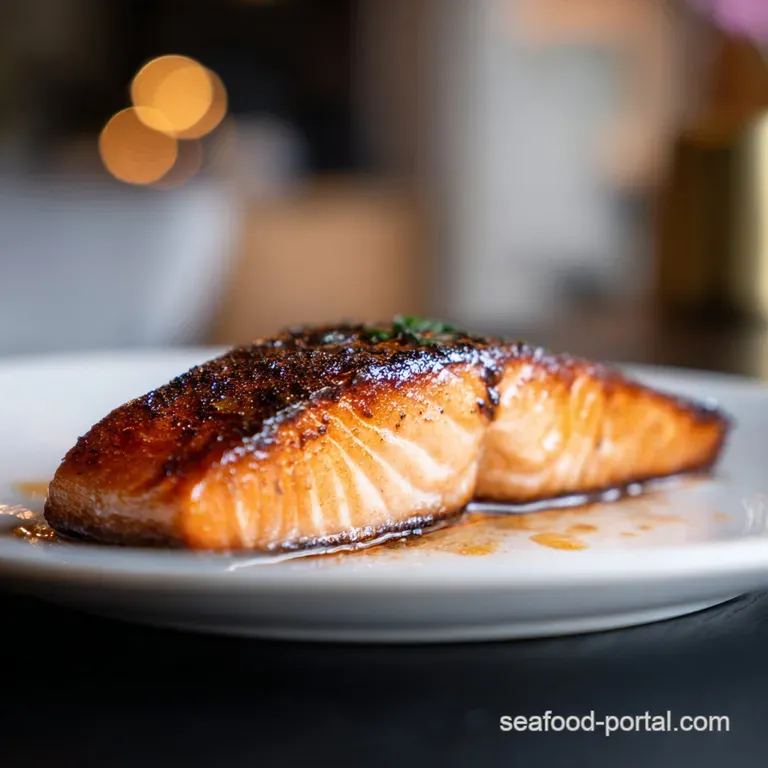
- Time: Active 10 minutes, Passive 5 minutes, Total 15 minutes
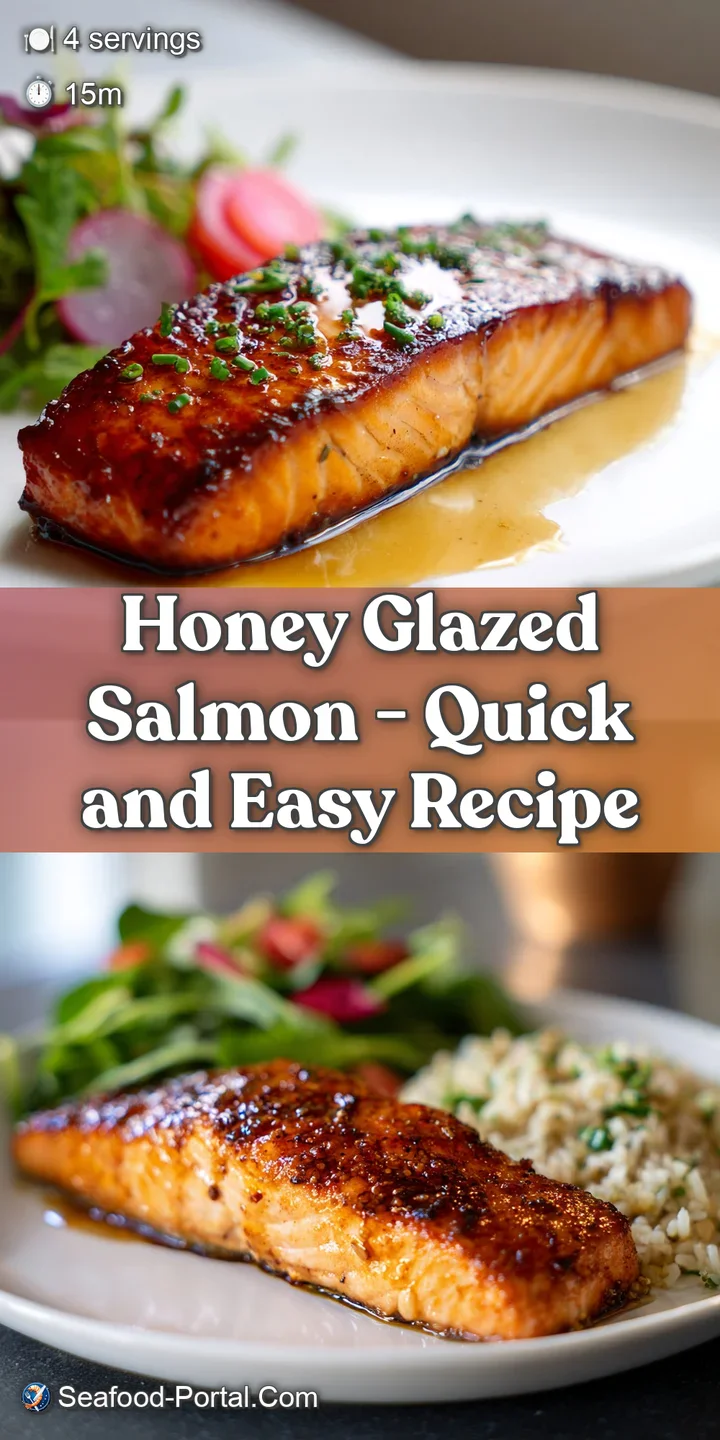
- Flavor/Texture Hook: Sticky sweet glaze with a shatter crisp exterior and buttery, flaky center
- Perfect for: Busy weeknight dinners or impressive date nights for beginners
- Create a Restaurant Grade Honey Salmon Recipe Tonight
- The Flavor Dynamics of Sweet Honey and Umami Soy
- Essential Ingredients for a Glossy and Flavorful Glaze
- Necessary Kitchen Tools for Achieving a Seared Crust
- Master the Technique of Basting for Juicy Results
- Solutions for Avoiding Burnt Garlic and Sticky Pans
- Regional Variations and Spicy Swaps for Your Fish
- Storing Leftovers and Maintaining the Best Flaky Texture
- Sides That Balance the Rich Sweetness of Salmon
- Kitchen Myths and Glazing Misconceptions
- Very High in Sodium
- Recipe FAQs
- 📝 Recipe Card
Create a Restaurant Grade Honey Salmon Recipe Tonight
The first time I tried to make a glaze with honey, I ended up with a kitchen full of smoke and a piece of fish that looked like a charcoal briquette. I remember the frantic sound of the smoke detector and the smell of burnt sugar clinging to my curtains for a week.
It was a mess, all because I didn't understand how sugar behaves in a hot skillet. But when you get it right, that first bite is transformative. You hear the faint crackle of the caramelized honey as your fork slides through the flesh, revealing that vibrant pink, tender interior.
We aren't just making dinner here; we are building layers of flavor that hit every part of your palate. The honey brings the sweetness, the soy sauce adds a deep umami punch, and that hit of lemon juice cuts right through the fat of the salmon.
It's a balance of intensity that feels sophisticated but takes less time than ordering a pizza. I've made this honey salmon recipe dozens of times since that smoky disaster, and I promise that the secret lies in the timing and the temperature of your pan.
You can expect a dish that looks like it came out of a professional kitchen. The glaze shouldn't be thin and watery; it should cling to the fish like a shiny, mahogany coat. We are going to focus on the technique of basting, which is basically just a fancy way of saying we're going to bathe the fish in liquid gold until it's saturated with flavor.
Let's get into why this method actually works and how to avoid the mistakes I made early on.
The Flavor Dynamics of Sweet Honey and Umami Soy
Getting that glossy finish without burning the sugar is the biggest hurdle for most home cooks. It's a dance between heat and timing. When the honey hits the pan, it immediately begins to lose moisture, concentrating the sugars and creating that signature stickiness we all crave.
Sugar Concentration: As the honey and soy mixture bubbles, water evaporates, turning a thin liquid into a viscous syrup that adheres to the fish.
Fat Emulsification: Adding cold butter at the very end binds the water based soy and lemon juice with the fats, creating a velvety sheen.
Surface Texture: Patting the fish bone dry before it hits the oil ensures the proteins brown instantly rather than steaming in their own moisture.
Heat Management: Reducing the temperature before adding the garlic prevents the aromatics from turning bitter while the glaze reduces.
| Method | Cook Time | Texture | Best For |
|---|---|---|---|
| Stovetop Sear | 10 minutes | Crispy skin, lacquered top | Maximum flavor and speed |
| Oven Baked | 15 minutes | Uniformly tender, softer glaze | Hands off meal prepping |
| Air Fryer | 8 minutes | Very firm edges, concentrated sweetness | Single servings and easy cleanup |
If you are looking for a different flavor profile, you might find that this Honey Ginger Soy Glaze provides a similar sticky texture but with a sharp, spicy kick from the fresh ginger. Both methods rely on that critical reduction stage to get the sauce just right.
Essential Ingredients for a Glossy and Flavorful Glaze
The quality of your ingredients is everything when the list is this short. I always use center cut fillets because they have a uniform thickness, which means you won't end up with one dry tail and one raw middle.
For the honey, go with a raw, mild version like clover or wildflower so the floral notes don't overpower the fish.
| Ingredient | Science Role | Pro Secret |
|---|---|---|
| Raw Honey | Provides viscosity and caramelization | Use room temperature honey for faster integration with soy |
| Soy Sauce | Adds salt and deep umami | Use low sodium if you want to control the salt levels more tightly |
| Cold Butter | Creates a stable emulsion and shine | Keep it in the fridge until the very last second |
| Fresh Garlic | Infuses the oil with sulfurous aromatics | Mince it finely so it melts into the sauce without burning |
- 4 (6 oz) Salmon Fillets
- Center cut and skin on for the best texture. Why this? Skin protects the flesh from overcooking and adds a layer of fat.
- 1 tbsp Neutral Oil
- Avocado or grapeseed oil works best due to their high smoke points. Why this? It allows for a hard sear without the oil breaking down and smoking.
- 1 tsp Kosher Salt
- I prefer Diamond Crystal for its flaky texture and ease of distribution. Why this? It draws out just enough surface moisture to help the crust form.
- 0.5 tsp Coarse Black Pepper
- Freshly cracked provides a woody heat that counters the honey. Why this? Pre ground pepper often lacks the volatile oils needed for real flavor.
- 0.33 cup Raw Honey
- This is the backbone of our glaze. Why this? It creates the "lacquer" effect that makes the dish look professional.
- 3 tbsp Soy Sauce
- Adds the necessary salt and color. Why this? The amino acids react with the honey to create a complex flavor profile.
- 1 tbsp Fresh Lemon Juice
- Essential for balancing the sugar. Why this? The acidity brightens the heavy fats in the salmon and butter.
- 4 cloves Garlic
- Freshly minced is non negotiable here. Why this? Jarred garlic has an acidic preservative that ruins the sweetness of the honey.
- 1 tbsp Cold Unsalted Butter
- This is our finishing touch. Why this? The milk solids add a velvety mouthfeel that oil alone cannot achieve.
- 1 tsp Red Pepper Flakes
- Provides a subtle, lingering warmth. Why this? It breaks up the "one note" sweetness of the honey.
Necessary Kitchen Tools for Achieving a Seared Crust
You don't need a professional kitchen, but a heavy bottomed skillet is your best friend here. I almost always reach for my 12 inch cast iron or a heavy stainless steel pan. These materials hold onto heat, so when you drop a cold piece of fish into the oil, the temperature doesn't plummet.
If you use a thin, cheap pan, the salmon will likely stick and tear when you try to flip it.
A fish spatula is another tool that I think is totally underrated. It’s thin, flexible, and slotted, which lets you get under the delicate skin without ripping it. Also, having an instant read thermometer (like a Thermapen) is the only way to guarantee you aren't serving dry, chalky fish.
Salmon moves from "perfect" to "overcooked" in about 60 seconds, so precision is key.
If you find yourself making fish often, you might want to compare this technique to my Coho Salmon recipe, which uses a similar over high heat method but focuses on a citrus herb butter finish instead of a honey reduction.
Master the Technique of Basting for Juicy Results
1. The Critical Prep
Pat the 4 salmon fillets extremely dry with paper towels. I'm talking "desert dry." If there is moisture on the surface, the fish will steam in the pan instead of searing. Season them with the 1 tsp kosher salt and 0.5 tsp black pepper immediately before you plan to cook them.
If you salt them too early, the salt will draw out internal moisture, making the surface wet again.
2. The over High heat Sear
Heat the 1 tbsp neutral oil in your 12 inch skillet over medium high heat until the oil is shimmering and just starting to wisps of smoke. Carefully place the salmon fillets flesh side down.
Leave them alone for 4–5 minutes until you see a golden brown crust forming around the edges. If you try to move them too soon, they will stick. The fish will naturally "release" from the pan once the crust is fully formed.
3. The Deglaze and Emulsify
Flip the fillets using your fish spatula and immediately reduce the heat to medium. Move the fillets to the side of the pan and add the 4 minced garlic cloves. Sauté for just 30 seconds until the aroma fills the kitchen. Pour in the 0.33 cup honey, 3 tbsp soy sauce, and 1 tbsp lemon juice.
The liquid will bubble vigorously; this is the deglazing process, where the sauce picks up all the flavor from the bottom of the pan.
4. The Glossy Finish
Allow the liquid to bubble and reduce for approximately 2 minutes. Use a large spoon to baste the fillets repeatedly, pouring that darkening syrup over the top of the fish. As the sauce thickens into a syrup, whisk in the 1 tbsp cold unsalted butter and 1 tsp red pepper flakes.
The butter will melt and create a creamy, glossy finish. Remove the pan from the heat the second the internal temperature hits 125°F (52°C). The carryover heat will bring it to a perfect medium rare as it rests.
Solutions for Avoiding Burnt Garlic and Sticky Pans
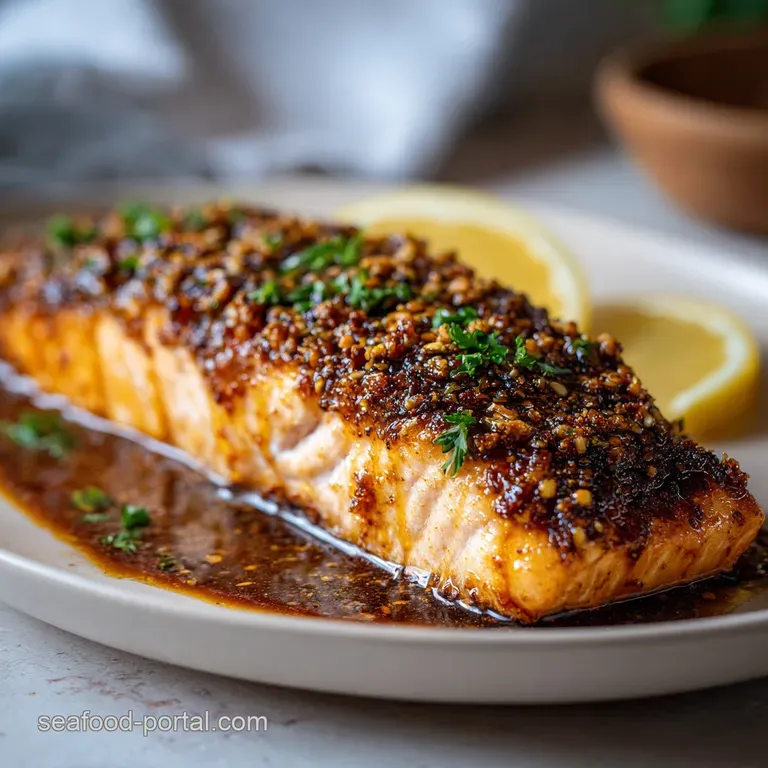
One of the most common issues people have with a honey salmon recipe is the sauce burning before the fish is cooked through. This usually happens because the pan is too hot when the honey is added. Honey has a very low burn point compared to oil.
By dropping the heat to medium before you add the liquids, you give the sauce time to reduce slowly without turning into a bitter, black mess.
Another struggle is the "sticking" factor. If your fish is sticking, it’s usually one of two things: the pan wasn't hot enough when you started, or the fish wasn't dry enough. Think of the sear like a protective shield. Once that shield forms, the fish is easy to handle.
| Problem | Root Cause | Solution |
|---|---|---|
| Bitter Aftertaste | Garlic or honey burnt during reduction | Add liquids immediately after the garlic becomes fragrant |
| Soggy Crust | Surface moisture on the salmon | Use multiple paper towels to dry the fish until they come away clean |
| Dry, Chalky Fish | Internal temperature exceeded 145°F | Pull the fish at 125°F; it will continue cooking while resting |
Common Mistakes Checklist
- ✓ Don't skip the "pat dry" step; it is the difference between crispy and mushy.
- ✓ Use a neutral oil with a high smoke point; butter will burn during the initial sear.
- ✓ Wait for the "natural release" before flipping; if it's sticking, it's not ready.
- ✓ Keep the butter cold; adding warm butter can cause the sauce to "break" or separate.
- ✓ Use a large enough pan; overcrowding leads to steaming and uneven cooking.
Regional Variations and Spicy Swaps for Your Fish
If you want to move away from the classic honey soy profile, there are several ways to adjust this recipe to fit your mood. I sometimes swap the lemon juice for lime and add a tablespoon of Sriracha for a "Hot Honey" version that is incredible with a side of slaw.
For a more Mediterranean feel, you could replace the soy sauce with a pinch of smoked paprika and use orange juice instead of lemon. The honey still provides that gorgeous crust, but the flavor profile shifts toward something bright and smoky.
If you're looking for a low carb option, you can use an allulose based honey substitute, though keep in mind it won't caramelize exactly the same way as the real stuff.
For a Spicy Kick
Add 1 teaspoon of grated fresh ginger with the garlic and double the red pepper flakes. You can also finish the dish with a drizzle of toasted sesame oil for a deeper, nutty aroma that pairs perfectly with the honey.
The Baked Method
If you're cooking for a crowd and don't want to stand over a skillet, you can bake the salmon at 400°F (200°C) for 12–15 minutes.
Simmer the sauce separately in a small saucepan until it's thick, then brush it over the fish during the last 5 minutes of baking. You lose the crispy sear, but the fish stays incredibly moist.
| Servings | Salmon Weight | Glaze Volume | Pan Size |
|---|---|---|---|
| 2 People | 12 oz | 0.25 cup | 10 inch Skillet |
| 4 People | 24 oz | 0.5 cup | 12 inch Skillet |
| 6 People | 36 oz | 0.75 cup | 14 inch Skillet or Sheet Pan |
Storing Leftovers and Maintaining the Best Flaky Texture
Leftover salmon can be a bit tricky because reheating it often turns it into a rubbery puck. My favorite way to use leftovers from this honey salmon recipe is actually to eat them cold. I'll flake the chilled salmon over a big salad with a ginger dressing.
The honey glaze firms up in the fridge and becomes almost like a savory candy.
If you must reheat it, do it gently. Use a low power setting on your microwave or, better yet, put it in a covered skillet with a splash of water over low heat. The steam will help moisten the fish without overcooking the center again.
- Storage
- Keep the salmon in an airtight container in the fridge for up to 3 days.
- Freezing
- You can freeze the cooked salmon for up to 2 months, but the texture of the glaze will become a bit more watery once thawed.
- Zero Waste
- Don't toss those salmon skins! If they aren't crispy enough, throw them back in a dry pan for a minute until they're like chips. You can also use the leftover glaze as a base for a stir fry the next night just add some chicken and broccoli.
Sides That Balance the Rich Sweetness of Salmon
Because this dish is quite sweet and savory, you want sides that offer either a crisp crunch or a neutral base to soak up that extra sauce. A simple bowl of jasmine rice is the classic choice, but I also love serving this with garlicky bok choy or roasted asparagus.
The bitterness of the greens balances the honey beautifully.
For a Refreshing Balance
A cucumber and radish salad with a light rice vinegar dressing is a game changer. The cooling effect of the cucumber cuts through the intensity of the glaze and cleanses your palate between bites.
For a Hearty Meal
Try serving the salmon over a bed of quinoa or farro. These grains have a nutty flavor that complements the toasted notes of the seared fish. If you're feeling indulgent, a side of smashed potatoes with plenty of sea salt provides a great textural contrast to the velvety salmon.
Chef's Tip: If your sauce gets too thick before the salmon is done, just add a teaspoon of water or chicken stock to loosen it up. It won't hurt the flavor, and it will keep the glaze from turning into taffy in the pan.
Kitchen Myths and Glazing Misconceptions
There is a common belief that you should always marinate salmon for hours to get the flavor deep inside the meat. In reality, fish is so delicate that a long marinade especially one with acid like lemon juice will actually start to "cook" the proteins (like ceviche), leading to a mushy texture.
For this honey salmon recipe, the basting method is far superior because it coats the exterior in a concentrated flavor while leaving the interior pure and buttery.
Another myth is that you need to remove the skin before cooking. Please, keep the skin on! Even if you don't plan on eating it, the skin acts as a thermal barrier between the hot pan and the delicate flesh. It helps the fillet cook more evenly and prevents it from falling apart when you flip it.
Once it's cooked, the skin will slide right off if you really don't want it on your plate.
Finally,, don't believe the idea that honey and soy sauce is only for "Asian style" cooking. These ingredients are just tools for sweetness and salt. By adjusting the aromatics adding rosemary instead of garlic, or lime instead of lemon you can take this dish in a dozen different cultural directions.
It's one of the most versatile techniques in my kitchen.
Very High in Sodium
940 mg 940 mg (41% 41% of daily value)
The American Heart Association recommends limiting sodium intake to less than 2,300mg per day, with an ideal limit of about 1,500mg for most adults.
Tips to Reduce Sodium
-
Swap Soy Sauce-20%
Replace 3 tbsp soy sauce with low-sodium soy sauce or tamari. This is the biggest sodium contributor in your marinade.
-
Halve the Kosher Salt-15%
Reduce 1 tsp kosher salt to 0.5 tsp. You can always add a pinch more at the table if needed.
-
Dilute the Honey Glaze-5%
The honey glaze contains sodium from the soy sauce. Consider adding 1 tbsp of water to the glaze mixture to slightly dilute the sodium concentration.
-
Amplify Aromatics
Increase the amount of fresh lemon juice and minced garlic. These ingredients add vibrant flavor without adding sodium.
-
Embrace Fresh Herbs and Spices
Incorporate fresh herbs like parsley or chives, or other spices like smoked paprika or cumin, to boost flavor complexity without adding sodium.
Recipe FAQs
How do you bake salmon with honey?
Sear the salmon in a skillet first to build a crust before finishing with the glaze. While you can finish it in the oven, cooking the entire dish in a 12 inch skillet over medium high heat allows you to better control the reduction of the honey and soy sauce glaze.
Do you put honey on salmon before or after cooking?
Add the honey during the final two minutes of cooking. If you add honey too early, the sugars will burn before the salmon finishes cooking; instead, stir it in after flipping the fillets so it can bubble and reduce into a syrup.
How to bake salmon for gastritis?
Remove the red pepper flakes and reduce the amount of lemon juice used in the glaze. You can still achieve a delicious flavor by focusing on the honey and soy sauce while keeping the heat low to avoid irritating ingredients.
What is a good honey glaze for salmon?
Combine honey, soy sauce, and lemon juice in the pan after searing the fish. If you mastered the stable emulsion technique used to thicken this glaze with cold butter, you can apply that same whisking method to create rich sauces for any protein.
Is it true I must wash the salmon before cooking?
No, this is a common misconception. Washing the fish can spread bacteria in your kitchen; instead, strictly follow the instruction to pat the fillets extremely dry with paper towels to ensure a proper sear.
How to prevent the honey glaze from burning?
Reduce the heat to medium immediately after flipping the fillets and adding the aromatics. Keeping a close eye on the sauce and basting the fish repeatedly prevents the sugars in the honey from scorching while the salmon reaches an internal temperature of 125°F.
How to keep salmon from sticking to the pan?
Wait for the natural release before flipping. If the salmon is still sticking, it simply needs more time to sear; once a golden brown crust forms, the fish will release from the surface of the pan naturally.
Honey Glazed Salmon 3
Ingredients:
Instructions:
Nutrition Facts:
| Calories | 498 kcal |
|---|---|
| Protein | 34.2 g |
| Fat | 27.8 g |
| Carbs | 24.5 g |
| Fiber | 0.4 g |
| Sugar | 23.1 g |
| Sodium | 940 mg |
