Honey Glazed Salmon: Crispy and Caramelized
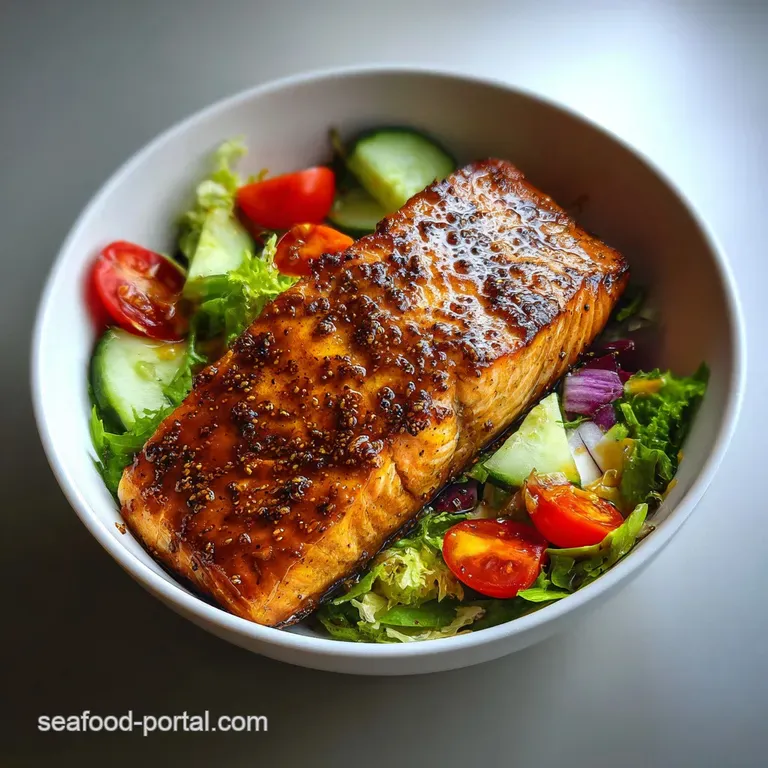
- Time: Active 10 minutes, Passive 8 minutes, Total 18 minutes
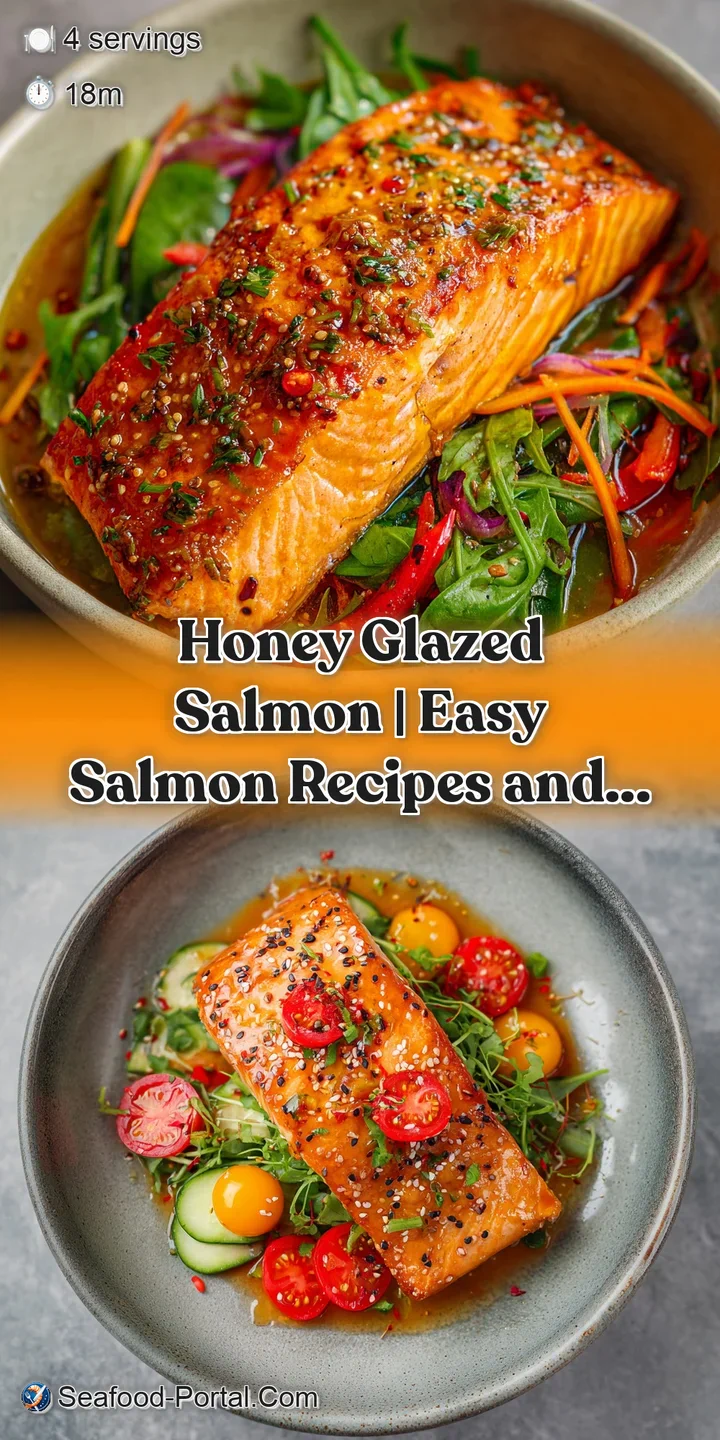
- Flavor/Texture Hook: Shattering crispy skin meets velvety honey garlic lacquer.
- Perfect for: A fast weeknight dinner that feels like a fancy date night meal.
- Why This Technique Works
- Component Analysis and Pro Secrets
- Essential Ingredients and Smart Substitutes
- Necessary Tools for Perfect Results
- Executing the Perfect Sear
- Solving Common Searing and Glazing Issues
- Adjusting the Recipe for Groups
- Correcting Seafood Preparation Misconceptions
- Efficient Storage and Zero Waste Tips
- Elegant Presentation and Pairing Ideas
- Very High in Sodium
- Recipe FAQs
- 📝 Recipe Card
Forget everything you’ve been told about marinating fish for hours. I used to think that soaking salmon in a honey soy mixture was the only way to get deep flavor, but all I ended up with was soggy skin and a pan full of burnt sugar. The truth is, moisture is the enemy of a good sear.
If you want that satisfying crackle when your fork hits the crust, you have to keep the fish dry and bring the flavor at the very end.
When you drop a cold, damp piece of fish into a pan, the water immediately turns to steam. That steam acts like a tiny barrier, preventing the fish from actually touching the hot metal and oil. Instead of a golden crust, you get gray, rubbery skin.
This Honey Glazed Salmon technique flips the script by focusing on a dry heat sear first, then building a glossy, emulsified glaze in the same pan while the fish finishes cooking.
Trust me on this one: the magic isn't in the soak, it's in the sizzle. We’re going to use a heavy bottomed skillet to create a crust that shatters, then we’ll swirl in cold butter to turn a simple honey garlic mixture into a rich, velvety sauce that clings to every flake.
It’s fast, it’s foolproof, and it’s going to change how you look at weeknight seafood forever.
Why This Technique Works
- Surface Dehydration: Removing the fish from the fridge 15 minutes early and patting it bone dry ensures the heat goes toward browning the proteins rather than evaporating surface water.
- Thermal Momentum: Searing on medium high heat creates a thermal barrier that protects the delicate interior flakes while the exterior develops a deep mahogany color.
- Cold Butter Emulsification: Adding cold butter to the bubbling honey and soy creates a stable emulsion, resulting in a thick, glossy lacquer instead of a thin, watery syrup.
- Carryover Precision: Pulling the fish at 125°F allows the internal energy to continue cooking the center to a perfect 130-135°F while it rests, preventing dryness.
| Thickness of Fillet | Internal Temperature | Rest Time | Visual Cue |
|---|---|---|---|
| 1 inch | 125°F (52°C) | 2 minutes | Center is opaque and flakes easily |
| 1.5 inches | 125°F (52°C) | 3 minutes | Exterior is mahogany; flakes are translucent in the very center |
| 0.5 inches (Bites) | 130°F (54°C) | 1 minute | Glaze is tacky and edges are slightly charred |
The table above is your best friend when you’re standing at the stove. Most people overcook salmon because they wait for it to look "done" in the pan. By the time it looks done under that hot light, it’s already overcooked.
Use a digital thermometer to hit that 125°F mark, and let the rest time do the heavy lifting.
Component Analysis and Pro Secrets
| Ingredient | Science Role | Pro Secret |
|---|---|---|
| Raw Honey | Sugar source for caramelization | Use clover honey for a neutral sweetness that lets the garlic shine |
| Fresh Ginger | Proteolytic enzymes soften fibers | Grate it directly into the sauce to catch all the flavorful juices |
| Cold Butter | Fat in-water emulsifier | Keep it in the fridge until the very second you need to drop it in |
| Neutral Oil | High smoke point carrier | Avocado oil allows for a hard sear without the bitter taste of burnt oil |
While we're talking about ingredients, let's look at what else is on the counter. You’ll need 4 center cut salmon fillets, about 6 oz each. Center cut is better because the thickness is more uniform than the tail end. We’ll season them with 1 tsp kosher salt and 1/2 tsp cracked black pepper.
For the glaze, we’re using 1/3 cup honey, 3 tbsp low sodium soy sauce (regular is too salty here!), 1 tbsp lemon juice for brightness, and 4 cloves of minced garlic.
Essential Ingredients and Smart Substitutes
- Center cut Salmon Fillets: 4 fillets (6 oz each). Why this? Uniform thickness ensures even cooking throughout all four pieces.
- Substitute: Rainbow trout or Arctic char. They have a similar fat content but a slightly milder flavor profile.
- Raw Honey: 1/3 cup (115g). Why this? Provides the viscous body needed for a sticky, clinging glaze.
- Substitute: Maple syrup. It yields a thinner sauce with a woodsy, autumnal sweetness.
- Low Sodium Soy Sauce: 3 tbsp. Why this? Adds umami without making the reduced glaze overwhelmingly salty.
- Substitute: Tamari. It is naturally gluten-free and provides an even deeper, darker color.
- Fresh Lemon Juice: 1 tbsp. Why this? The acid cuts through the fat of the fish and the sugar of the honey.
- Substitute: Rice vinegar. It offers a softer acidity that pairs beautifully with the ginger and soy.
- Fresh Garlic: 4 cloves, minced. Why this? Fresh garlic provides a punchy aroma that pre minced jars simply can't match.
- Substitute: Shallots. Use 2 tbsp finely minced shallots for a more sophisticated, onion forward sweetness.
- Fresh Ginger: 1 tsp, grated. Why this? Adds a subtle heat that balances the heavy honey notes.
- Substitute: Galangal. It has a more citrusy, pine like flavor often found in Southeast Asian cooking.
- Unsalted Butter: 1 tbsp, cold. Why this? The cold temperature is vital for creating a creamy, emulsified sauce texture.
- Substitute: Coconut oil (solid). It provides a similar mouthfeel but adds a distinct tropical aroma.
Chef's Tip: Freeze your ginger for 10 minutes before grating. It makes the fibers much easier to break down, and you won't end up with a stringy mess in your sauce.
Necessary Tools for Perfect Results
You don't need a kitchen full of gadgets, but a heavy bottomed 12 inch skillet is non negotiable. I prefer cast iron or a heavy stainless steel pan like an All Clad. These pans hold heat better than thin aluminum, which means the temperature won't drop the moment the fish hits the surface.
This is the secret to that deep, mahogany sear we're after.
A fish spatula is also a game changer. It’s thin, flexible, and allows you to get under the delicate crust without tearing it. If you use a thick plastic spatula, you risk shearing the crispy skin right off the meat. Finally,, grab a small whisk or a spoon for the basting stage.
Basting is where we transition from "cooking" to "glazing," and it requires constant movement to keep the butter from separating.
Executing the Perfect Sear
- Remove salmon from the refrigerator 15 minutes before cooking. Note: This takes the chill off the center for even cooking.
- Pat the surface bone dry with paper towels to ensure a proper crust. Note: Any moisture left on the skin will cause the fish to steam rather than sear.
- Season with salt and pepper immediately before cooking. Note: Salt draws out moisture, so seasoning too early makes the surface wet again.
- Heat oil in a 12 inch heavy bottomed skillet over medium high heat until shimmering and wisps of smoke appear.
- Carefully lay fillets in the pan, pressing down lightly for 30 seconds. Note: This prevents the salmon from "curling" as the proteins tighten.
- Sear undisturbed for 3–4 minutes until a deep golden brown crust forms.
- Flip the salmon and lower the heat to medium.
- Pour in the honey, soy sauce, lemon juice, garlic, and ginger.
- Add the cold butter as the glaze bubbles. Note: The rapid bubbling helps the butter fat bond with the water based soy and lemon.
- Baste the salmon with the sauce for 2 minutes until the internal temperature reaches 125°F (52°C).
- Remove from heat and let rest for 2 minutes until the glaze sets into a tacky lacquer.
For another way to use these flavors, you might enjoy my sweet and savory brown sugar soy sauce salmon which uses a similar flavor profile but a different caramelization technique.
Solving Common Searing and Glazing Issues
Avoiding Bitter Glaze
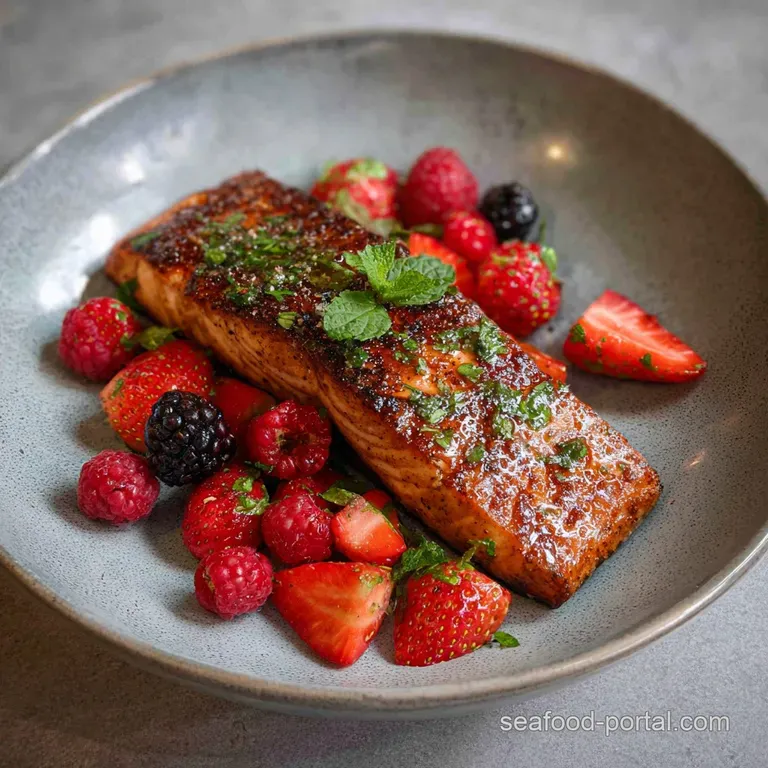
If your glaze looks dark and smells like burnt toast, the pan was likely too hot when you added the honey. Honey has a very high sugar content and a low burn point. Once you flip the fish, you must turn the heat down to medium immediately.
This allows the honey to bubble and reduce without the sugars carbonizing into a bitter mess.
Preventing Salmon Pan Sticking
The biggest reason salmon sticks is "premature flipping." When the proteins first hit the pan, they bond to the metal. As they brown (the Maillard reaction), they naturally release from the surface. If you try to flip and feel resistance, wait 30 more seconds. The fish will tell you when it's ready to move.
| Problem | Root Cause | Solution |
|---|---|---|
| Rubber like Skin | Excess surface moisture | Pat dry and leave uncovered in fridge for 30 mins |
| Broken Sauce | Butter was too warm or added too late | Use ice cold butter and whisk vigorously while bubbling |
| Raw Center | Fillet was too cold from fridge | Temper the fish for 15-20 minutes before searing |
Common Mistakes Checklist
- ✓ Skipping the "pat dry" step (leads to gray, steamed fish)
- ✓ Using a non stick pan (prevents the hard, crusty sear)
- ✓ Seasoning with salt 20 minutes early (draws out moisture)
- ✓ Crowding the pan (drops the temperature and causes steaming)
- ✓ Forgetting to rest the meat (juices will run out upon slicing)
Adjusting the Recipe for Groups
When scaling this Honey Glazed Salmon recipe down for one or two people, use a smaller 8 inch skillet. If the pan is too large for a small amount of fish, the glaze will spread too thin and burn before it has a chance to coat the salmon.
For a single serving, you can still use the same amount of garlic and ginger, but halve the liquids.
Scaling up for a dinner party requires a bit more care. Don't try to fit 8 fillets into one pan. Work in batches of 4. Keep the first batch on a wire rack in a 200°F oven to stay warm while you sear the rest.
When it comes to the glaze, don't double the salt or spices exactly start with 1.5x the amount and taste as you go. Liquids like honey and soy should be reduced by about 10% when doubling to ensure the sauce doesn't become too runny.
If you find yourself needing a different sauce profile for a crowd, this creamy sauce for salmon is a fantastic alternative that is very forgiving when scaled up.
Correcting Seafood Preparation Misconceptions
One major myth is that "fresh is always better." In reality, most salmon sold as "fresh" at the counter was previously frozen and thawed. "Flash frozen at sea" salmon is often higher quality because it was frozen within hours of being caught, locking in the cellular structure.
Don't be afraid of the freezer aisle; just make sure you thaw it slowly in the fridge overnight.
Another misconception is that searing "seals in the juices." Science shows that moisture loss actually increases at higher temperatures. The reason we sear isn't for juiciness it's for flavor and texture. The crust provides a complex, savory contrast to the fatty, buttery interior.
The actual juiciness comes from pulling the fish off the heat at the right temperature (125°F) so the proteins don't squeeze out all their moisture.
Efficient Storage and Zero Waste Tips
Storage Guidelines: Store leftovers in an airtight glass container in the fridge for up to 3 days. When reheating, do not use the microwave if you can avoid it it will turn the salmon into a rubber eraser.
Instead, place the salmon in a cold oven, set it to 275°F, and heat for about 10-12 minutes until just warmed through. This "low and slow" method preserves the moisture.
Zero Waste Strategies: Don't throw away the salmon skin if it falls off! You can pan fry it separately until it's as crispy as a potato chip and use it as a garnish. Any leftover glazed salmon is incredible the next day flaked into a cold noodle salad or folded into a breakfast omelet.
The honey soy glaze acts as a built in seasoning for whatever you make next.
Elegant Presentation and Pairing Ideas
For a restaurant style look, place the salmon on a bed of charred bok choy or coconut scented jasmine rice. Spoon the extra glaze over the fish just before it hits the table so it looks glossy and fresh.
A sprinkle of toasted sesame seeds or thinly sliced scallions on a bias adds the perfect pop of color and a bit of crunch.
If you're looking for a different texture entirely, you can adapt this into Honey Glazed Salmon Bites. Simply cube the salmon into 1 inch pieces before cooking. Sear them quickly on all sides (about 1 minute total), then toss them in the glaze.
They cook in half the time and are perfect for a "salmon bowl" with avocado, cucumber, and pickled ginger. This method also works brilliantly in an air fryer at 400°F for about 6-8 minutes, though you'll miss out on that specific butter basted finish.
| Cooking Method | Total Time | Texture | Best For |
|---|---|---|---|
| Stovetop (Skillet) | 8 minutes | Shattering skin; velvety glaze | The ultimate culinary experience |
| Oven (Broiled) | 6 minutes | Charred edges; consistent | Hands off quick dinner |
| Air Fryer | 7 minutes | Evenly crispy all over | Making "salmon bites" or bowls |
If you want the absolute best version of this dish, stick to the stovetop. The interaction between the hot metal, the rendering fish fat, and the cold butter creates a depth of flavor that the dry air of an oven or air fryer just can't replicate.
It's the difference between "good" and "I need the recipe for this right now." Happy cooking!
Very High in Sodium
895 mg 895 mg of sodium (39% 39% of daily value)
The American Heart Association recommends limiting sodium intake to no more than 2,300mg per day, with an ideal limit of less than 1,500mg for most adults.
Tips to Reduce Sodium
-
Halve the Kosher Salt-25%
Reduce the 1 tsp of kosher salt to 1/2 tsp. Salt contributes significantly to the overall sodium content.
-
Use Low-Sodium Soy Sauce-20%
You are already using low-sodium soy sauce, which is great. Ensure it's the lowest sodium option available.
-
Boost Lemon and Ginger Flavor-5%
Increase the fresh lemon juice and freshly grated ginger to enhance flavor without adding sodium. Consider adding a pinch of red pepper flakes for a kick.
-
Embrace Fresh Herbs and Spices
Incorporate fresh herbs like parsley or cilantro, or add spices like garlic powder (if not using fresh) and paprika to build layers of flavor.
-
Moderately Reduce Honey-5%
Slightly decrease the raw honey to 1/4 cup (85g) to reduce sweetness, which can help balance flavors without relying on salt.
Recipe FAQs
What is a good side for honey glazed salmon?
Serve with steamed asparagus or wild rice. The mild, earthy flavors of these sides balance the sweet and savory notes of the honey soy glaze perfectly.
Do you put honey on salmon before or after cooking?
Add it only during the final minutes of cooking. Honey has a high sugar content and will burn quickly if added to the pan before the fish is seared.
How to bake salmon for a diabetic?
Bake at 425°F for 10 12 minutes. To keep the dish healthy, reduce the honey portion by half and increase the fresh ginger for extra flavor without the added sugar.
What's the best way to glaze salmon?
Baste the fillets continuously with the pan sauce. Once you add the cold butter, spoon the emulsified liquid over the fish for 2 minutes to create a glossy, flavorful coating.
Is it true I must leave the skin on for the best crust?
No, this is a common misconception. You can achieve a professional crust on either side as long as you pat the salmon bone dry with paper towels before hitting the hot oil.
How to ensure the salmon stays moist?
Rest the fish for 2 minutes off the heat after cooking. This ensures the juices redistribute through the meat, a technique you can also apply to our Effortless Baked Salmon for consistently tender results.
Why is my salmon crust gray and soggy?
Avoid skipping the pat-dry step. Excess surface moisture causes the fish to steam in the pan instead of searing, which creates a soft, pale exterior rather than a golden brown crust.
Honey Glazed Salmon 2
Ingredients:
Instructions:
Nutrition Facts:
| Calories | 505 kcal |
|---|---|
| Protein | 35.2 g |
| Fat | 28.3 g |
| Carbs | 24.5 g |
| Fiber | 0.2 g |
| Sugar | 23.8 g |
| Sodium | 895 mg |
