How to Make Tuna Salad: Velvety and Crisp
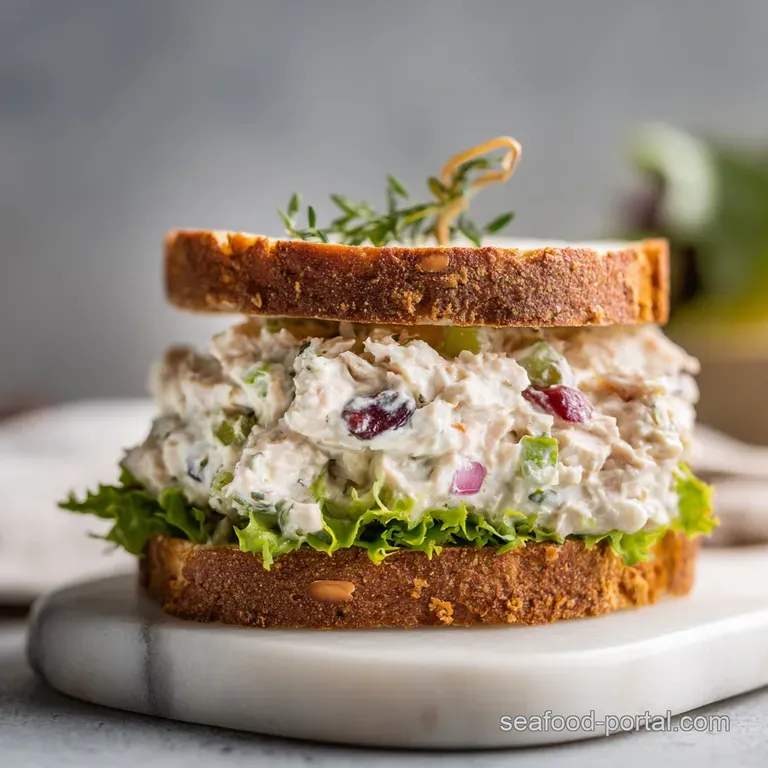
- Time: Active 10 minutes, Passive 0 minutes, Total 10 minutes
- Flavor/Texture Hook: Flaky tuna in a velvety, tangy dressing, studded with crisp celery and bright red onion.
- Perfect for: Speedy lunches, picnic spreads, or a fuss free dinner.
- Unlocking the Best Flavor & Texture: How to Make Tuna Salad That's Never Bland
- Why This Recipe Simply Works
- A Quick Decision Guide for Your Tuna Salad
- Ingredient Deep Dive: Understanding Each Component
- Essential Tools for Effortless Tuna Salad
- Crafting Your Perfect Tuna Salad: Step-by-Step
- Troubleshooting Common Tuna Salad Woes
- Adjusting Your Tuna Salad: Scaling & Variations
- Smart Storage for Freshness & Future Meals
- What to Serve This With
- Recipe FAQs
- 📝 Recipe Card
Unlocking the Best Flavor & Texture: How to Make Tuna Salad That's Never Bland
You know that feeling when you dive into a tuna salad, hoping for a creamy, satisfying bite, only to find it's either gloopy and tasteless or a watery, sad mess? Yeah, I've been there. Too many times, honestly. For years, I just threw tuna and mayo together, maybe a sad sprinkle of celery, and called it a day.
It was fine, but it never sang. Then came the "great soggy sandwich incident of '09," where my carefully packed lunch turned into a mournful, mayo soaked bread disaster by noon. That was my breaking point.
I decided then and there that my simple tuna salad needed a serious glow up. I wasn't looking for complicated, just better. I started experimenting, tweaking, and honestly, making a few more mistakes (like adding too much lemon, oops!).
But through trial and error, I discovered a few non negotiable tricks that elevate this humble dish from "meh" to "OMG, what did you DO?!" This isn't just about combining ingredients; it's about making smart choices and treating each component with respect, creating a symphony of textures and bright flavors.
This recipe is the culmination of those kitchen adventures, designed to give you a classic tuna salad that’s effortlessly creamy, perfectly balanced in flavor, and packed with that satisfying crunch without turning into a watery mess. We're going for bright, fresh, and undeniably crave worthy.
Why This Recipe Simply Works
Getting a fantastic tuna salad isn't just about mixing things; it's about understanding how ingredients interact. This recipe focuses on crucial techniques that prevent common pitfalls and maximize flavor and texture.
- Optimal Drainage for Crispness: Squeezing every last drop of liquid from your tuna is absolutely key. Watery tuna dilutes your dressing, leading to a bland, soggy salad that just doesn't hold up. Removing this excess moisture ensures your dressing adheres beautifully, delivering concentrated flavor and allowing your crisp veggies to shine.
- Emulsified Creaminess: The combination of mayonnaise, Dijon mustard, and fresh lemon juice doesn't just add flavor; it creates a stable, tangy emulsion. The mustard acts as an emulsifier, helping the fat in the mayo bind with the lemon's acidity, resulting in a rich, velvety dressing that coats every flaky piece of tuna without separating.
- Strategic Texture Layering: Finely dicing the celery and red onion provides tiny, consistent bursts of crunch and sharpness. This isn't just for mouthfeel; it prevents large, unwieldy chunks that can overpower delicate tuna. The small pieces distribute evenly, ensuring every bite offers that delightful textural contrast.
- Flavor Melding Time: While this is a quick recipe, a brief chill period allows the individual flavors to intermingle and deepen. The acidity from the lemon brightens everything, the salt enhances the savory notes, and the onion and celery subtly infuse their fresh zing into the dressing, transforming the initial mix into a more cohesive, harmonious whole.
A Quick Decision Guide for Your Tuna Salad
This chart helps you quickly grasp the core aspects of getting this recipe right, ensuring a perfect outcome tailored to your needs.
| Goal | Key Component | Impact | Pro Tip |
|---|---|---|---|
| Max Creaminess | Mayonnaise | Provides a rich, velvety base | Use full fat mayo; don't skimp! |
| Vibrant Flavor | Lemon Juice & Dijon | Adds tang, brightness, and a savory kick | Always use fresh lemon, not bottled concentrate. |
| Ultimate Crunch | Celery & Red Onion | Essential textural contrast and freshness | Dice very finely for even distribution. |
| Quickest Serve | No Chill Time | Ready in 10 minutes from start to finish | Mix thoroughly and enjoy immediately on toast. |
| Deeper Flavor Melding | Chill Time (15 mins) | Flavors harmonize and develop | Pop it in the fridge while you prep your bread. |
Ingredient Deep Dive: Understanding Each Component
Every ingredient in this classic tuna salad recipe plays a vital role, working together to build those layers of flavor and texture that make it truly stand out.
| Ingredient | Science Role | Pro Secret |
|---|---|---|
| Solid White or Chunk Light Tuna | Protein source, flavor base | Thoroughly draining prevents dilution and sogginess, concentrating its savory notes for a firmer flake. |
| Mayonnaise | Emulsifier, fat source, binding agent | Its fat content carries flavor compounds, while the emulsion creates that signature velvety texture. |
| Dijon Mustard | Emulsifier, flavor enhancer, acid | Contains compounds that stabilize the mayo emulsion and adds a sharp, piquant note, cutting through richness. |
| Fresh Lemon Juice | Acid, flavor brightener, freshness | Its acidity brightens flavors by balancing the richness of the mayo and prevents oxidation of vegetables. |
| Celery & Red Onion | Texture, aromatic, subtle bitterness/sharpness | Their high water content and crisp cellular structure provide essential crunch; aromatic compounds add depth. |
| Sweet Pickle Relish | Sweetness, acidity, texture, aromatic | Its sugar and vinegar balance the richness and sharpness, while the finely chopped pickles add soft texture. |
| Hard Boiled Egg (optional) | Protein, richness, soft texture | Finely chopped egg adds another layer of mild, creamy protein and a pleasing, soft counterpoint to the crunch. |
| Sea Salt & Black Pepper | Flavor enhancement, sensory stimulant | Salt enhances all other flavors through ionic reactions; pepper adds aromatic warmth and a subtle spicy kick. |
| Paprika or Hot Sauce (optional) | Color, subtle warmth, capsaicin kick | Paprika adds a touch of earthy color and mild sweetness; hot sauce provides a controlled, stimulating heat. |
Essential Tools for Effortless Tuna Salad
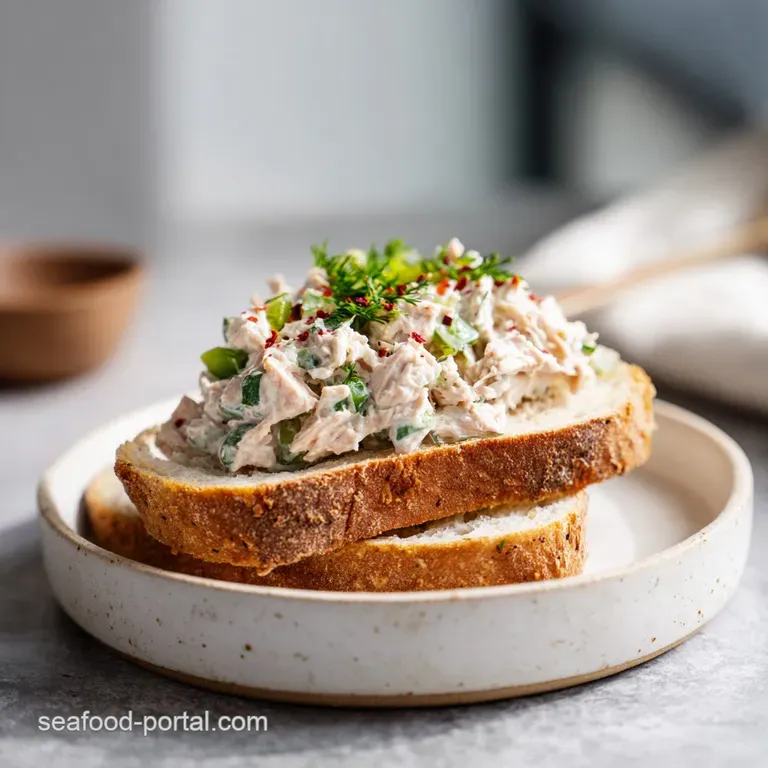
You don't need a fancy gadget drawer for this, just a few basics that make the process smooth and enjoyable. Having the right tools means you can focus on the flavors, not wrestling with your ingredients.
- Medium Mixing Bowl: Big enough to comfortably flake the tuna and mix everything without spills. A good, sturdy glass or stainless steel bowl is perfect.
- Fork: Your primary tool for flaking tuna and mixing the ingredients. Choose one with strong tines.
- Sharp Knife & Cutting Board: Essential for finely dicing the celery and red onion. A sharp knife ensures clean cuts, preventing bruising and making the dicing process much safer and more efficient.
- Measuring Spoons & Cups: Precision matters, especially with the dressing components, to ensure balanced flavors. Using exact measurements, like ½ cup mayonnaise or 1 tablespoon of lemon juice, prevents an overly tangy or bland salad.
- Can Opener: Obviously! For getting that tuna out of its can.
- Fine Mesh Sieve (Optional but recommended): For really pressing out every last bit of moisture from your tuna, though a paper towel squeeze works just as well.
Crafting Your Perfect Tuna Salad: step-by-step
Making a really good tuna salad is about layering flavors and textures intelligently. Follow these steps for a creamy, crunchy, and utterly satisfying result that comes together in just 10 minutes.
Phase 1: Prepare the Tuna & Core Components
This first stage focuses on getting your foundational ingredients ready, ensuring they are perfectly prepped for optimal texture and flavor absorption. Don't skip the draining!
- Drain and Flake Tuna: Take your 12 ounces of thoroughly drained solid white or chunk light tuna. Tip: If packed in water, give it a really good squeeze through a fine mesh sieve or paper towels. If packed in oil, drain well, but you won't need to squeeze it dry. Flake it into a medium mixing bowl using a fork, breaking it apart into small, even pieces. Note: Smaller, consistent flakes mean every bite has tuna, and the dressing coats it better.
- Prep Your Veggies: Finely dice 2 stalks of celery and finely mince ¼ cup of red onion. For the celery, aim for pieces no larger than a grain of rice for even crunch. Note: Consistent, small cuts ensure an even distribution of flavor and texture, preventing overwhelming bites of raw onion or chunky celery.
Phase 2: Craft the Creamy Dressing
The dressing is the heart of your tuna salad, providing the velvety texture and tangy punch. Getting this right means a cohesive, flavorful experience.
- Add Wet Dressing Ingredients: To the bowl with the flaked tuna, add ½ cup mayonnaise, 1 tablespoon Dijon mustard, and 1 tablespoon fresh lemon juice. Note: The lemon juice and Dijon are crucial for emulsifying the mayo and balancing the richness with bright acidity.
Phase 3: Assemble, Season, & Finish
Now it's time to bring it all together, ensuring every ingredient is perfectly coated and the seasoning is just right. A final mix and a quick chill will truly make the flavors sing.
- Stir in Fresh Elements: Stir in the finely diced celery, minced red onion, and 2 tablespoons sweet pickle relish. If using, incorporate the 1 large finely chopped hard boiled egg at this stage. Note: Adding these now allows them to be thoroughly coated and integrated into the creamy base.
- Season Thoughtfully: Season with ½ teaspoon of sea salt and ¼ teaspoon of freshly ground black pepper. Adjust these to your taste; some tuna brands are saltier than others. For an optional subtle kick, add a pinch of paprika or a dash of hot sauce. Note: Taste as you go! It's easier to add more seasoning than to fix an over seasoned dish.
- Mix Thoroughly: Mix all ingredients well until everything is evenly combined and the tuna is thoroughly coated in the creamy dressing. Ensure a consistent texture throughout. Note: Don't just stir; really fold it together to ensure no pockets of unmixed ingredients remain.
- Serve or Chill: Serve immediately as a sandwich filling, in lettuce wraps, with crackers, or as part of a Quick Tuna Pasta Salad. Alternatively, chill in the refrigerator for at least 15 minutes for flavors to meld and for a cooler serving temperature, especially if you want that depth that only time can bring. Note: Chilling isn't mandatory, but it significantly improves the flavor profile as ingredients get to know each other.
Troubleshooting Common Tuna Salad Woes
Even the simplest recipes can sometimes throw a curveball. Don't sweat it if your tuna salad isn't quite hitting the mark. These are the common issues I've faced, and their straightforward fixes.
1. My Tuna Salad is Too Dry!
A dry tuna salad usually means there isn't enough dressing or the tuna itself was too dry and needed more hydration. It can feel like you're eating flaky cardboard, which is no fun at all. The key here is to reintroduce moisture and creaminess without diluting the overall flavor.
| Problem | Root Cause | Solution |
|---|---|---|
| Tuna Salad is Dry | Not enough mayonnaise or dressing components. | Stir in an additional tablespoon of mayonnaise, or a mix of mayo and a tiny bit more lemon juice, until desired creaminess. |
2. My Tuna Salad is Too Watery!
This is the classic soggy sandwich culprit! A watery tuna salad usually stems from not properly draining the tuna or using vegetables with high water content that release their liquid over time. It can make the dressing thin and the entire dish unappetizing.
| Problem | Root Cause | Solution |
|---|---|---|
| Tuna Salad is Watery | Tuna not thoroughly drained; veggies releasing water. | Add a tablespoon of breadcrumbs or crushed crackers to absorb excess moisture. Alternatively, add more tuna. |
3. The Flavor is Just... Flat.
A bland tuna salad is often a sign of insufficient seasoning or a lack of acidity to brighten the overall taste. It can feel one note and utterly uninspiring, missing that "zing" that makes you want another bite. This is easily fixed by adjusting the core flavor boosters.
| Problem | Root Cause | Solution |
|---|---|---|
| Flavor is Flat or Bland | Not enough salt, pepper, lemon, or mustard. | Add a pinch more sea salt and freshly ground black pepper, a squeeze of fresh lemon, or a dash of Dijon mustard, tasting after each addition. |
Common Mistakes Checklist:
- ✓ Pat tuna completely dry (if water packed) before flaking to prevent sogginess.
- ✓ Dice celery and onion finely for even texture and flavor distribution.
- ✓ Always use fresh lemon juice; bottled simply doesn't compare.
- ✓ Taste and adjust seasoning (salt, pepper, lemon) before serving.
- ✓ Don't overmix; gentle folding keeps tuna flaky, not mushy.
Adjusting Your Tuna Salad: Scaling & Variations
This recipe is incredibly flexible, perfect for adapting to different meal sizes or exploring new flavor profiles. Whether you're feeding a crowd or just yourself, or craving something with a bit more zest, you're covered.
Scaling Down: For a Solo Lunch
- Ingredients
- Halve all quantities, aiming for approximately 6 oz of tuna, ¼ cup mayo, ½ tbsp Dijon, and ½ tbsp lemon juice.
- Veggies
- Use 1 stalk of celery and about 1-2 tablespoons of finely minced red onion.
- Timing
- Prep and total time remain around 10 minutes, as the process is the same.
- Pan Size
- Not applicable here, but ensure you're using a smaller mixing bowl for easier combining.
Scaling Up: For a Family Gathering
- Tuna & Mayo
- Simply double or triple the tuna (e.g., 24 oz or 36 oz) and adjust mayo proportionally (1 cup or 1 ½ cups).
- Seasoning
- For salt and pepper, start by adding about 1.5 times the original amount when doubling, then taste and adjust. You usually don't need to perfectly double spices, as flavors can become too intense.
- Working in Batches
- If making a huge batch, consider mixing in two separate bowls to ensure everything is thoroughly combined, then combine them in a larger serving dish.
- Chilling
- For larger quantities, allow at least 30 minutes to 1 hour chilling time for flavors to meld properly.
1. Zesty Mediterranean Tuna Salad
Infuse a taste of the Mediterranean by adding finely chopped Kalamata olives, sun dried tomatoes (oil packed, drained and minced), and a sprinkle of dried oregano. You might even swap out a little mayo for some plain Greek yogurt for an extra tang and creamy texture.
A sprinkle of fresh parsley or dill at the end brightens it up.
2. Spicy Sriracha Tuna Salad
If you like a kick, stir in 1-2 teaspoons of Sriracha or your favorite hot sauce into the dressing base. Adding a pinch of red pepper flakes and some finely chopped jalapeño (seeds removed for less heat) will enhance the spice and add an extra layer of crunch. This is a fantastic variation for sandwiches!
3. dairy-free & Vegan Swaps
To make this recipe dairy-free or fully vegan, simply swap out the regular mayonnaise for a high-quality vegan mayonnaise. If the hard boiled egg is part of your staple, omit it or substitute with crumbled firm tofu for a similar soft texture. This makes for a healthy tuna salad recipe that everyone can enjoy.
4. Low Carb & Keto Adaptation
This recipe is already quite low carb! Just ensure you're mindful of the sweet pickle relish, which can have added sugars. Opt for a sugar-free relish or use finely diced dill pickles instead.
Serve it in crisp lettuce cups, hollowed out bell pepper halves, or with cucumber slices instead of bread for a perfect keto friendly meal. This makes for a fantastic healthy tuna salad recipe.
Smart Storage for Freshness & Future Meals
Knowing how to properly store your tuna salad means you can enjoy it safely and keep its vibrant flavors locked in, reducing waste and ensuring your next meal is as good as the first.
- Storage: Transfer any leftover tuna salad to an airtight container. It will keep beautifully in the refrigerator for up to 3 days. The key is to keep air out to prevent oxidation and maintain freshness.
- Freezing: Unfortunately, tuna salad with a mayonnaise base does not freeze well. The mayonnaise will separate upon thawing, resulting in an oily, unappetizing texture. It's best to enjoy this fresh.
- Reheating: Since this is a no cook recipe, no reheating is needed! Simply remove it from the fridge about 5-10 minutes before serving to let it lose some of its chill, which can sometimes mute flavors straight out of the cold.
- Zero Waste Tip: Don't toss those celery leaves! Finely chop them and stir them into your tuna salad for an extra burst of celery flavor and fresh green color. It's a fantastic way to use the whole stalk and add another layer of herbaceousness.
What to Serve This With
This simple tuna salad recipe is a culinary chameleon, ready to adapt to whatever your mealtime needs. It's so much more than just a sandwich filling!
1. The Quintessential Tuna Salad Sandwich
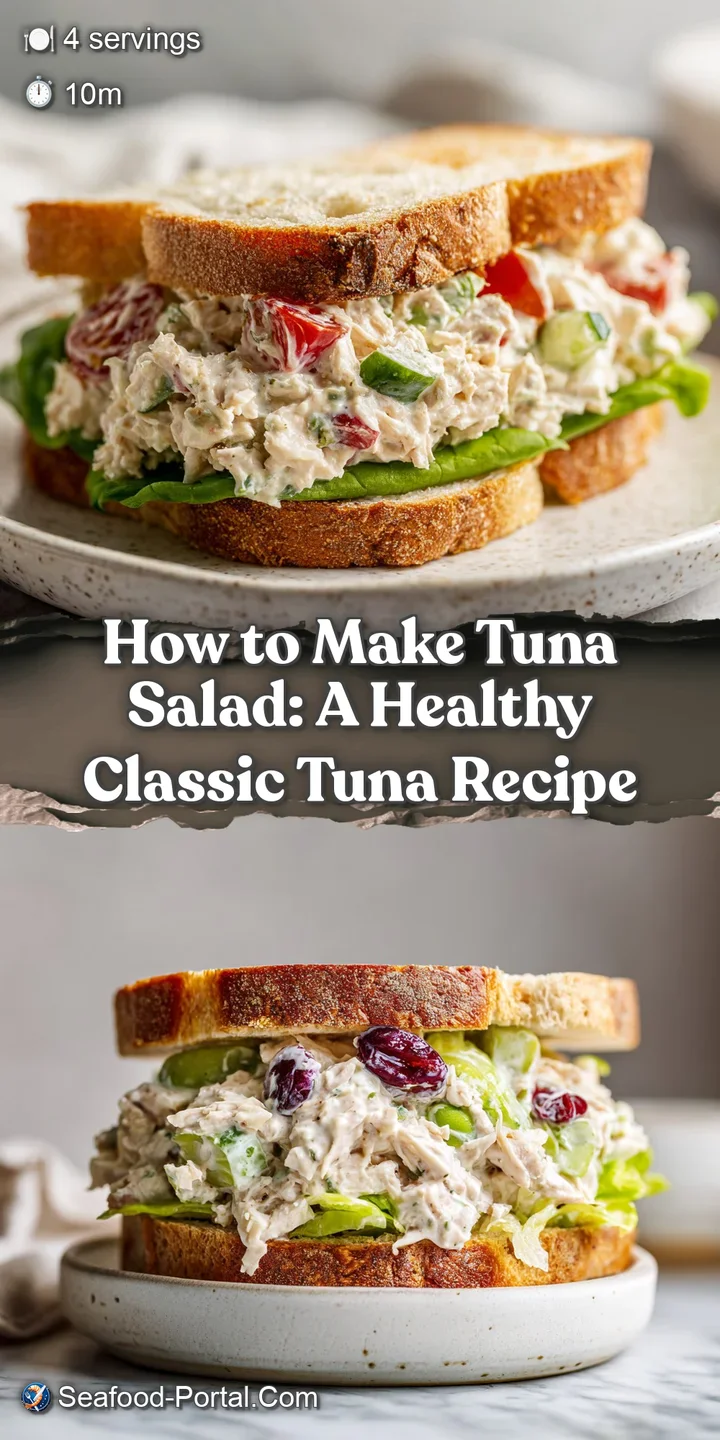
Load your tuna salad between two slices of your favorite bread, be it soft white, hearty whole wheat, or a crunchy baguette. Add a crisp lettuce leaf or some tomato slices for extra freshness and texture. This is the classic tuna salad sandwich recipe easy to assemble and always a crowd pleaser for lunch.
2. Versatile Lettuce Wraps or Cucumber Bites
For a lighter, refreshing, or low carb option, serve the tuna salad in crisp lettuce cups (butter lettuce or romaine work wonderfully) or atop thick slices of cucumber. These are perfect for quick appetizers or a light, healthy meal that feels vibrant and satisfying without the carbs.
3. Quick Tuna Pasta Salad Addition
Turn this into a heartier meal by mixing your tuna salad with cooked and cooled pasta. Add some cherry tomatoes, extra diced cucumber, and maybe a few black olives for a complete tuna pasta salad that’s perfect for picnics or meal prep. It's a fantastic way to use up leftovers or simply bulk up your lunch.
Chef's Tips for Next Level Tuna Salad:
- Chill Your Mixing Bowl: Pop your mixing bowl in the freezer for 10-15 minutes before you start. This keeps all your ingredients, especially the tuna and mayo, super cold, making for a creamier, firmer salad that won't get watery as quickly, especially on a hot day.
- A Tiny Dash of Apple Cider Vinegar: Beyond the lemon, a scant ½ teaspoon of apple cider vinegar can add an extra layer of bright, fermented tang that deepens the flavor profile without making it overtly vinegary. It's a subtle trick that elevates the overall zest.
- Toast Your Onion (Optional): If you find raw red onion too strong, give it a quick "toast" in a dry, hot skillet for 1-2 minutes until slightly softened and fragrant. It mellows the harshness while retaining a bit of crunch, adding a unique, savory depth.
Recipe FAQs
What are the ingredients for tuna salad?
The core ingredients are: Drained tuna, mayonnaise, Dijon mustard, lemon juice, diced celery, minced red onion, and sweet pickle relish.
What can I mix with canned tuna besides mayo?
Yes, you can mix in alternatives for creaminess and flavor. Besides mayonnaise, you can use Greek yogurt or avocado for binding, but the recipe calls for mayo, mustard, and lemon juice for balance.
Can a diabetic person eat tuna salad?
It depends entirely on the specific recipe additions. Tuna itself is fine, but watch out for high sugar ingredients like sweet pickle relish; using sugar-free alternatives or omitting the relish is safest.
What is the secret to a good tuna salad?
Thoroughly draining the tuna is non-negotiable for good texture. Too much liquid makes the salad watery and prevents the dressing from coating properly; if you’re aiming for next level creamy texture, see how we stabilize emulsions in recipes like the best quick crab pasta salad recipe.
How long should I chill tuna salad before serving?
Chill for a minimum of 15 minutes in the refrigerator. This short resting period allows the flavors from the lemon juice, onion, and mustard to meld with the tuna and dressing.
How do I fix tuna salad that tastes bland?
First, add more salt and pepper, then brighten with acid. A lack of flavor usually means you need more seasoning add another small pinch of sea salt and perhaps a few more drops of fresh lemon juice to lift the profile.
What is the first step when assembling tuna salad?
Flake the thoroughly drained tuna into a medium mixing bowl using a fork. Ensure you break the tuna apart into small, even pieces before introducing any moisture or other additions.
Healthy Tuna Salad In 10 Minutes
Ingredients:
Instructions:
Nutrition Facts:
| Calories | 336 calories |
|---|---|
| Protein | 24.0 g |
| Fat | 24.6 g |
| Carbs | 5.2 g |
