Grilled Walleye Fillets: the Great Lakes Glory with Lemon-Herb Butter
- The Great Lakes Glory: Mastering Moist and Flaky Grilled Walleye
- The Science of Flavour: Why This Lemon-Herb Grilled Walleye Shines
- Ingredients for Perfectly Grilled Walleye and Essential Sourcing Notes
- Step-by-Step: Grilling Walleye Fillets to Perfection
- Expert Tips: Avoiding Common Grilled Walleye Mistakes
- Perfect Pairings for Your Grilled Walleye Meal
- Post-Cook Care: Storage, Reheating, and Shelf Life
- Recipe FAQs
- 📝 Recipe Card
The Great Lakes Glory: Mastering Moist and Flaky Grilled Walleye
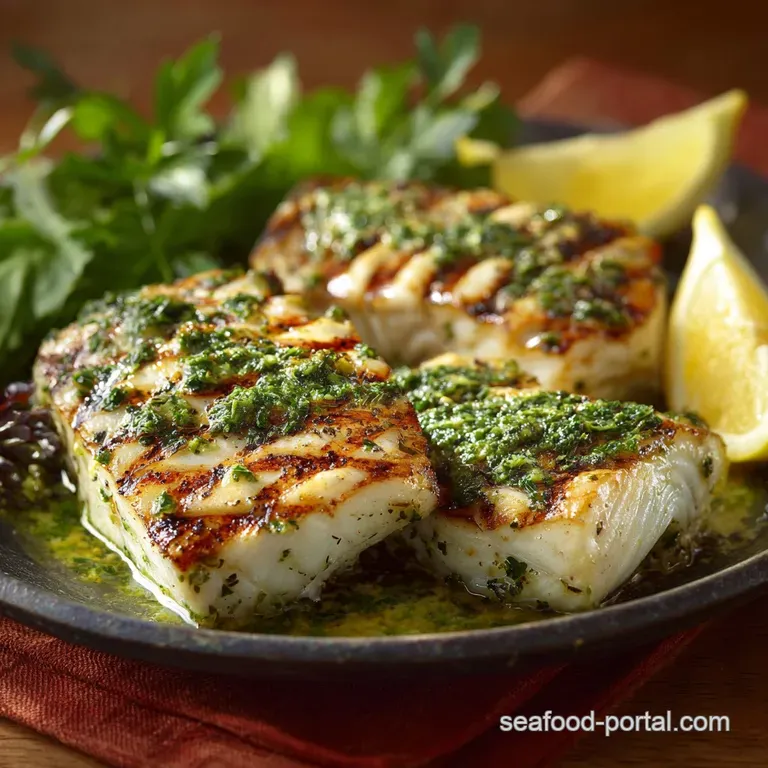
That moment when perfectly grilled walleye hits your plate is pure kitchen magic, right? You get that initial crisp, slightly charred texture followed immediately by the impossibly flaky, moist interior, all kissed with melting lemon herb compound butter.
Trust me, the incredible aroma alone makes the neighbours wildly jealous when the grill lid comes off.
We’ve all been there standing over the grill, praying the delicate fish doesn't stick and disintegrate into a sad pile of protein confetti. This Grilled Walleye recipe is my definitive answer to that fear, making restaurant quality grilled walleye fillets possible in under 30 minutes, which is essential for a busy weeknight.
It’s a fast, healthy win that proves simple ingredients truly shine when treated properly.
Forget fussy marinades or complex preparations; we're focusing on high heat, a perfectly clean grate, and the sheer brilliance of compound butter. Get your grill fired up because I’m going to walk you through exactly how to achieve that Great Lakes glory every single time.
This is the only grilled walleye fillet recipe you’ll ever need.
The Science of Flavour: Why This Lemon Herb Grilled Walleye Shines
The secret to incredible grilled walleye isn't fancy equipment, it’s managing moisture and heat distribution perfectly. We utilize high heat for that desirable smoky char, but the compound butter keeps the delicate protein hydrated so it doesn't dry out instantly.
That mixture of fresh dill, bright lemon, and garlic melts straight into the fish, ensuring every single bite is intensely juicy and flavourful.
Why Walleye is the Ultimate White Fish for Grilling
Walleye is truly magnificent; it has a subtle sweetness and a wonderfully lean, fine flaked texture that holds up surprisingly well against aggressive heat. Its delicate flavour profile means it doesn't need to be drowned in heavy sauces, unlike some heartier fish.
I love using Walleye when I need something a little more elegant than standard cod or haddock.
The Essential Role of Lemon Herb Compound Butter
Compound butter is your grilling insurance policy, seriously. Butter contains saturated fat that melts slowly, basting the fish constantly as it cooks right there on the grill. By adding the butter halfway through the grilling process, we infuse the grilled walleye with flavour while simultaneously protecting the exposed protein fibres from turning to sawdust.
Quick Overview: Recipe Timing and Prep Requirements
This specific grilled walleye fillet recipe is perfect for speed; we’re talking 15 minutes of prep and less than 12 minutes of actual cooking time on the grate.
The key is making the compound butter ahead of time, which shaves off crucial minutes during the pre-dinner rush. Planning your grilled walleye meal alongside roasted vegetables means you can easily multitask the cooking of both.
Achieving Crust and Flake: The Perfect Grill Temperature Strategy
You need heat, but not raging inferno heat that incinerates the surface before the inside finishes cooking evenly. We aim for medium high heat (around 400°F / 200°C) to ensure fast searing and immediate protein release from the grates.
This precise temperature strategy develops a light crust while still preserving the beautiful, signature flaky texture of the walleye.
Fat and Acid Balance: How the Compound Butter Prevents Drying
The fat content of the butter provides necessary lubrication against the high temp environment, dramatically slowing moisture loss. Meanwhile, the touch of lemon zest and juice provides an essential hit of acid, brightening the overall flavour profile while also subtly helping the protein strands relax.
This balanced approach guarantees a succulent result, not a rubbery disaster.
The Nutritional Advantage of Walleye Fillets
Walleye is an incredibly healthy grilling option, being exceptionally low in saturated fat yet wonderfully high in lean protein. If you are tracking grilled walleye calories, grilling is always a better choice than frying methods.
Walleye offers a substantial, satisfying meal that tastes indulgent without feeling heavy at all.
Ingredients for Perfectly Grilled Walleye and Essential Sourcing Notes
Keep your ingredients simple and high-quality, especially since we are relying on fresh herbs here. I always recommend grabbing the freshest dill and parsley you can find, as their aromatic oils are crucial for the compound butter’s success.
Remember: high-quality ingredients make high-quality grilled walleye recipes.
Selecting the Best Walleye Fillets (Skin-On vs. Skinless)
For grilling directly on the grate, I strongly prefer skinless fillets, because walleye skin rarely crisps up effectively and often sticks and tears upon flipping. If you must use skin-on, just be extremely diligent about oiling the grates first and foremost.
Always choose fillets that are bright, firm, and smell clean.
Building the Lemon Herb Compound Butter Base
Softening the butter to room temperature is non-negotiable for easy mixing; if it's too cold, your herbs and garlic won't incorporate evenly. I like to use unsalted butter so I can fully control the grilled walleye seasoning level myself.
Chef's Note: Use the back of a spoon or fork to mash the softened butter vigorously with the herbs and spices for about 60 seconds. This simple action maximizes the flavour extraction from the fresh herbs.
Sourcing and Preparing Fresh Herbs
Fresh herbs are worth the tiny extra effort here; seriously, skip dried varieties completely. Dill and parsley are classic with white fish, providing that clean, verdant flavour profile. Make sure they are finely chopped so they fully release their aromatic oils into the soft butter base.
Necessary Equipment Checklist for Grill Success
You don't need a fancy smoker or rotisserie for this grilled walleye fillet recipe. However, you absolutely need a stiff grill brush, a rag/tongs for oiling, and a solid fish spatula.
The fish spatula is wide, thin edged, and flexible, giving you the precision required to lift delicate grilled walleye fillets without them collapsing.
| Original Ingredient | Viable Substitute | Notes |
|---|---|---|
| Walleye Fillet | Haddock, Cod, or Lake Trout | These are thicker, so add 1- 2 minutes cooking time. |
| Grapeseed Oil | Avocado Oil | High smoke point prevents acrid, smoky burning. |
| Fresh Dill/Parsley | Fresh Chives or Tarragon | Aim for delicate, grassy, aromatic herbs. |
| Unsalted Butter | high-quality Olive Oil | Use 1 Tbsp per fillet, drizzled post flip if dairy-free. |
step-by-step: Grilling Walleye Fillets to Perfection
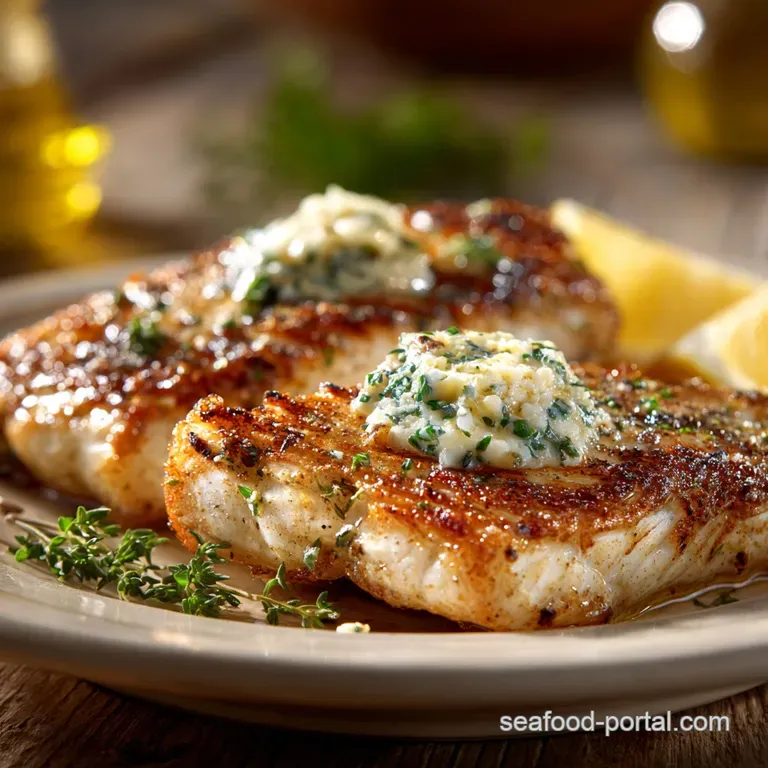
This is where we nail the process, moving from prep to a perfect sear. Read these instructions twice, especially the part about oiling the grates it’s the game changer for grilled walleye.
Prep Work: Tempering the Fish and Applying the Seasoning
Take the walleye fillets out of the fridge about 15 minutes before grilling so they can temper slightly, which ensures far more even cooking. Pat them totally dry, then lightly brush them with grapeseed oil and season generously with salt and pepper.
Moisture is the single biggest cause of sticking and uneven searing.
Grill Set-Up: Mastering Direct vs. Indirect Heat Zones
Clean your grates aggressively while the grill preheats to medium high heat (400°F / 200°C). We are cooking this walleye entirely over direct heat because the cook time is so brief (8– 12 minutes total).
However, always ensure you have a "safe zone" or indirect zone ready in case the fillets flare up or start cooking too quickly.
The Critical Flip: Timing and Technique for Delicate Fish
Place the fillets presentation side down (the side that will face up on the plate) and close the lid for 4– 5 minutes, cooking undisturbed. Do not even attempt to flip until the fish naturally releases from the grates; if it resists, it needs another minute forcing it will make it tear apart.
Slide that thin, supportive fish spatula right under the centre for maximum support before you turn it over, nice and smooth.
Resting and Serving with Melted Compound Butter
Immediately place a spoonful of that Lemon Herb Compound Butter onto the top of each fillet right after flipping, then close the lid to let it melt. Once the fish hits 145°F (63°C) and flakes easily with a fork, immediately transfer it off the heat.
Resting for just two minutes lets the residual heat equalize the temperature throughout the grilled walleye fillet, making it perfectly moist.
Expert Tips: Avoiding Common Grilled Walleye Mistakes
Everyone messes up grilling fish sometimes, myself included I once thought a dirty grate would somehow add "character." It only added immediate sticking and ruin. Learn from my errors!
Preventing Sticking: The Importance of a Clean, Oiled Grate
This is the biggest hurdle for delicate grilled walleye. Scrub your grill aggressively while it preheats, then take a folded paper towel soaked in high smoke point oil (like grapeseed or canola). Use tongs to wipe the hot grates right before the fish goes on this creates a crucial non-stick barrier.
For more techniques on avoiding tearing, you should definitely check out my guide on Grilled Fish Recipes: Non-Stick Crispy Sea Bass Skin Technique .
Checking for Doneness: The Flake Test vs. Internal Temperature
While the visual flake test is classic, if you want guaranteed perfection for this grilled walleye fillet recipe, use an instant read thermometer. Walleye is safe and perfect at 145°F (63° C) .
Pulling it slightly early (around 140°F) is smart, as the residual heat will finish the job perfectly during the short rest period.
Saving a Dry Fillet: Emergency Moisture Solutions
If you overcooked your walleye slightly, don't panic it happens to the best of us. Immediately douse the finished fillet with extra fresh lemon juice and more melted compound butter. You can also quickly whip up a simple, light glaze, perhaps inspired by my guide on Bbq Seafood Sauces: Three Light, Tangy Glazes for Grilled Seafood , to add back crucial moisture and flavour.
Perfect Pairings for Your Grilled Walleye Meal
Keep the sides light and fresh to complement the walleye's delicate, herbaceous flavour. Simple, clean textures work best here.
Suggested Side Dishes for a Fresh Summer Spread
Simple grilled asparagus tossed with salt and olive oil is always a winner, or you could try a light quinoa salad tossed with fresh bell peppers and a simple vinaigrette. If you're feeling ambitious and want a full Mediterranean vibe, this grilled walleye pairs beautifully with the side dishes suggested in my Grilled Tuna Steak Recipes: Mediterranean Style, Ready in 30 Minutes article.
Wine, Beer, and Non-Alcoholic Beverage Pairings
A crisp, dry white wine like Sauvignon Blanc or Pinot Grigio cuts through the richness of the butter perfectly, providing a phenomenal counterpoint. For beer fans, a light Pilsner or a crisp Lager works wonders too. Non-alcoholic? You can’t beat sparkling water with a heavy slice of cucumber and mint.
Post Cook Care: Storage, Reheating, and Shelf Life
But does it freeze well? You bet but only if you haven't cooked it yet.
Repurposing Leftover Grilled Walleye
Leftover grilled walleye keeps beautifully in an airtight container for 3 4 days in the refrigerator. I actually love cold grilled walleye broken up and mixed into a simple fish salad sandwich the next day, using a touch of mayo and celery.
Do not, however, try to freeze already cooked walleye; the texture turns disappointingly mushy upon thawing.
Reheating Grilled Walleye
The microwave is the enemy of flaky grilled fish; it turns it rubbery in seconds, avoid it like the plague. The best way to reheat grilled walleye is in a 300°F (150°C) oven or toaster oven for about 5– 7 minutes until just heated through.
Adding a tiny bit of extra compound butter on top during the reheat helps restore that lost moisture, making the grilled walleye nearly as good as the first time you cooked it.

Recipe FAQs
How do I prevent the delicate walleye fillets from sticking to the grill grates?
Preheat your grill thoroughly to a high temperature before brushing the grates down with a wire brush. The critical step is oiling the fish, not the grates; lightly coat both sides of the fillet with oil right before placing it down. Resist the urge to flip the fish until it releases naturally after about 4 minutes.
My walleye turned out dry. How do I guarantee a moist, flaky result?
Walleye is very lean, so precise cooking time is crucial; it should cook quickly, usually 8-10 minutes total per inch of thickness. Use a meat thermometer to check for an internal temperature of 145°F (63°C) and remove it immediately, as it will continue cooking briefly off the heat.
The compound butter also acts as a basting agent, adding necessary fat to keep the meat moist.
I can't find walleye. What is a good substitute fish for this grilling method?
You can successfully substitute other white, flaky, lean fish like cod, snapper, or sea bass using this same grilling method. Adjust the cooking time slightly based on the thickness of the fillet, keeping the grill temperature consistent. Avoid very oily or very thin fish, as they may require different heat management.
Can I grill walleye with the skin left on, or is skinless better?
Absolutely, grilling with the skin on is often preferred as it acts as a protective layer, helping the fillet stay intact and preventing sticking. Place the fish skin side down first for about two-thirds of the cooking time, flipping only for the last few minutes to finish the flesh.
The skin should peel off easily after cooking, or you can eat it if crisped properly.
My fillets are all different thicknesses. How do I ensure they all cook evenly?
To achieve uniform cooking, try to cut the thicker parts of the fillet so they match the thickness of the thinner sections before seasoning. Alternatively, if some fillets are significantly smaller, start the larger fillets first and introduce the smaller ones onto the grill about two minutes later.
This prevents the delicate smaller pieces from overcooking.
How should I store leftover grilled walleye, and can I freeze it?
Store leftovers promptly in an airtight container in the refrigerator and consume them within 3 days for best quality. It is not recommended to freeze cooked walleye, as the delicate texture of the lean fish will degrade significantly and become dry or mushy upon thawing.
The recipe uses Lemon Herb Compound Butter. Can I use a simple marinade instead?
Yes, you can replace the compound butter with a simple marinade of olive oil, lemon juice, and desired herbs like dill or parsley. Marinate for only 20-30 minutes before grilling, as the acid in the lemon can begin to "cook" the fish if left too long.
If using a marinade, make sure to pat the fillets very dry before oiling and placing them on the grill for better searing.
Grilled Walleye With Lemon Butter
Ingredients:
Instructions:
Nutrition Facts:
| Calories | 280 kcal |
|---|---|
| Fat | 14 g |
| Fiber | 0.5 g |
