Simple Steps to Grilled Red Fish
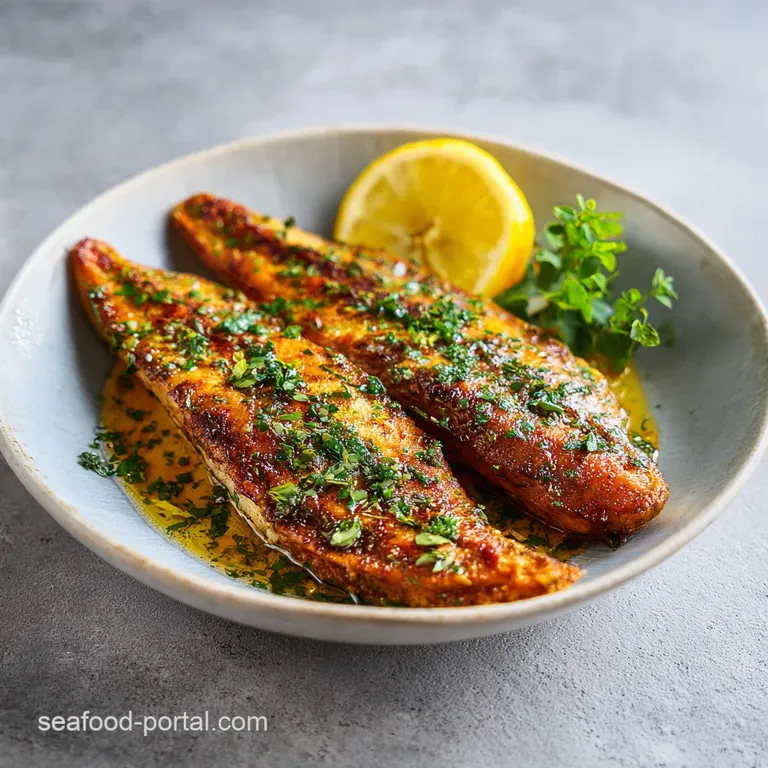
- Time: Active 15 minutes, Passive 10 minutes, Total 25 minutes
- Flavor/Texture Hook: Shatter crisp skin with a silky, herb infused center
- Perfect for: A quick weeknight luxury or an impressive summer backyard hang
- The Science Behind Getting Flaky Perfect Results
- Essential Specs for Your Next Backyard Cookout
- Choosing the Best Ingredients for Maximum Flavor
- Must Have Gear for a Seamless Grilling Experience
- Clear Instructions for a Perfect Golden Char
- Pro Tips to Avoid Common Grilling Pitfalls
- Clever Variations and Easy Ingredient Substitutions
- Best Ways to Store and Reheat Leftovers
- Fresh Sides to Serve with Your Grilled Red Fish
- Kitchen Myths Debunked
- Recipe FAQs
- 📝 Recipe Card
The Science Behind Getting Flaky Perfect Results
Understanding the "how" makes the "do" much easier when you are working with delicate proteins.
- Thermal Protection: Leaving the skin on acts as a natural heat shield, allowing the meat to steam gently in its own juices while the exterior crisps.
- The Maillard Reaction: High heat (400°F/200°C) triggers a chemical reaction between amino acids and reducing sugars, creating that savory, browned crust we crave.
- Protein Denaturation: The lemon juice in the marinade begins to "cook" the fish slightly before it even hits the heat, ensuring a shorter, more even cook time.
- Capillary Action: Patting the fish dry removes surface moisture that would otherwise turn to steam, preventing the fish from becoming rubbery or pale.
| Method | Time | Texture | Best For |
|---|---|---|---|
| Outdoor Grill | 8-10 mins | Maximum char and smoky depth | Authentic backyard flavor |
| Cast Iron (Stovetop) | 10-12 mins | Even, deep golden crust | Year round cooking indoors |
| Oven Broil | 6-8 mins | Consistent top down heat | Minimum cleanup and effort |
Cooking fish can feel like a race against time, but the real secret is just staying still. When the fish hits the heat, the proteins contract and grab onto the metal. If you try to move it too soon, it will tear. But if you wait for the "release," the fish will naturally lift off once the crust has formed.
It is a lesson in patience that pays off in beautiful, whole fillets.
Essential Specs for Your Next Backyard Cookout
Before we fire up the burners, let's look at why these specific components matter for our Fish Recipes.
| Ingredient | Science Role | Pro Secret |
|---|---|---|
| Red Snapper | Lean protein base | Keep the skin on to prevent the delicate meat from falling through the grates. |
| Extra Virgin Olive Oil | Heat conductor | Acts as a barrier to prevent sticking and helps herbs stick to the flesh. |
| Lemon Juice | Acidic tenderizer | Brightens the heavy fats in the butter and snapper for a balanced bite. |
| Garlic Paste | Flavor aromatic | Mincing into a paste ensures the garlic melds into the oil rather than burning in chunks. |
Choosing the right fish is half the battle. Red Snapper is the gold standard here because it has a firm enough texture to withstand the grates but a sweet, nutty flavor that loves lemon and herbs. If you can, get it fresh from a local market. You want clear eyes and a clean, salty smell like the ocean.
Anything that smells "fishy" is an immediate no go.
Choosing the Best Ingredients for Maximum Flavor
You do not need a massive pantry to make this work, but quality matters when the ingredient list is this short.
- 4 (6 oz) red snapper fillets: Ensure they are skin on. Why this? The skin protects the meat and provides a satisfying crunch.
- 1 tbsp kosher salt: Use a coarse grain like Diamond Crystal. Why this? It draws out moisture more effectively than fine table salt.
- 1/4 cup extra virgin olive oil: Use the good stuff you'd use for a salad.
- 2 tbsp freshly squeezed lemon juice: Never the bottled stuff. Why this? Fresh juice has the volatile oils needed for that vibrant aroma.
- 3 cloves garlic: Minced into a fine paste.
- 1 tbsp fresh parsley: Finely chopped for a peppery finish.
- 1 tsp fresh oregano or thyme: Fresh is always better than dried here.
- 1/2 tsp cracked black pepper: Grinding it fresh makes a world of difference.
- 1 lemon: Sliced into rounds for the grill.
- 2 tbsp salted butter: To finish the dish with a velvety mouthfeel.
| Original Ingredient | Substitute | Why It Works |
|---|---|---|
| Red Snapper Fillets | Branzino or Sea Bass | Similar firm texture. Note: Sea bass is fattier, so it might flare up more. |
| Fresh Oregano | Dried Oregano (1/2 tsp) | More concentrated flavor. Note: Adds a woodier, more intense herbal note. |
| Kosher Salt | Sea Salt | Similar mineral profile. Note: Use slightly less as sea salt can be "saltier" by volume. |
Using fresh herbs is non negotiable for me. Dried herbs have their place in long stews, but for a quick grill, you want that punch of green. If you're out of parsley, even some fresh cilantro or dill can create a completely different, yet equally delicious, profile.
It is all about what is growing in your garden or looks best at the shop.
Must Have Gear for a Seamless Grilling Experience
Having the right tools is the difference between a relaxing dinner and a kitchen disaster.
- A clean grill: Any leftover residue will act like glue for your fish.
- Long handled tongs: You need distance from the heat to maneuver.
- Fish spatula: These are thinner and more flexible than regular spatulas.
- Instant read thermometer: This is the only way to be 100% sure it is done.
- Basting brush: A silicone one works best for slathering on that herb oil.
Chef's Tip: Take a folded paper towel dipped in oil and use your tongs to rub it over the hot grates right before the fish goes on. This creates a non stick "seasoning" similar to a cast iron pan.
Clear Instructions for a Perfect Golden Char
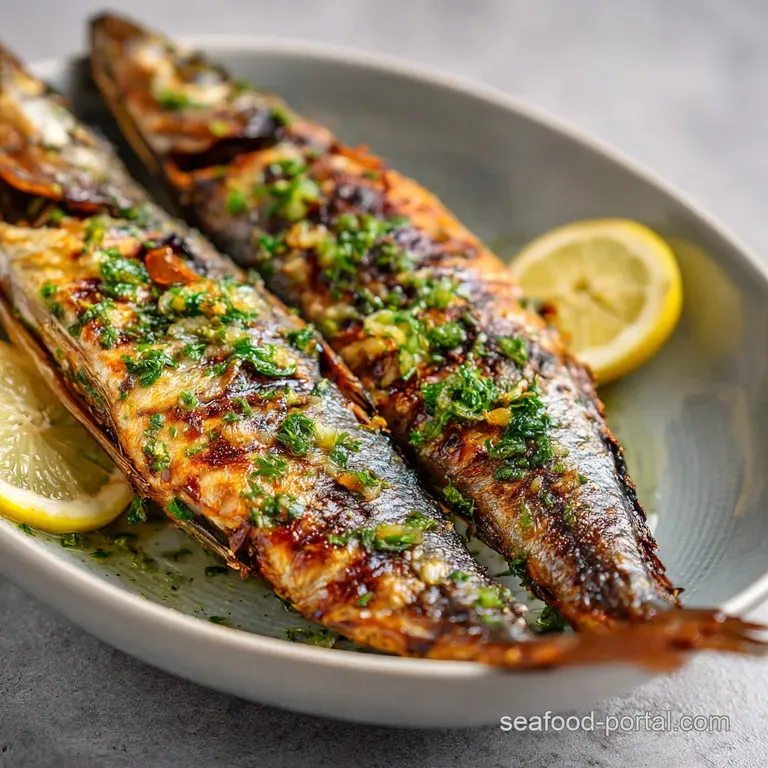
Let's get into the nitty gritty of these Simple Steps to Grilled Red Fish. Follow these closely, and you will have a masterpiece on your plate in less than half an hour.
- Preheat the grill. Set your gas grill to medium high (about 400°F or 200°C). Note: A hot grill is essential for an immediate sear.
- Dry the fish. Use paper towels to pat the skin and flesh of the snapper completely dry. Note: Moisture is the enemy of a crispy crust.
- Make the marinade. In a small bowl, whisk the olive oil, lemon juice, garlic paste, parsley, oregano, and pepper.
- Season the fillets. Rub the salt evenly over both sides of the fish.
- Apply the herb oil. Brush a generous layer of the marinade onto the flesh side of the snapper.
- Oil the grates. Carefully rub an oil soaked paper towel over the hot grill grates.
- Start skin side down. Place the fish on the grill, skin side first. Cook for 5-6 minutes until the skin is charred and releases easily.
- The Flip. Gently turn the fillets over using your fish spatula.
- The Finish. Place a lemon round and a small pat of butter on each fillet. Cook for 3-4 minutes until the internal temp hits 145°F (63°C).
- Rest and Serve. Remove from heat and let rest for 2 minutes until the juices redistribute and the meat flakes easily.
Make sure you are smelling the air as you cook. Around the 5 minute mark, you should start to smell a nutty, toasted aroma from the skin. That is your cue that the Maillard reaction is doing its thing.
If it smells like something is burning, your heat might be too high just move the fillets to a cooler part of the grill.
Pro Tips to Avoid Common Grilling Pitfalls
We have all had those "oh no" moments at the grill. Here is how to keep things moving smoothly.
Why Your Red Fish Sticks to the Grates
This is usually caused by one of two things: either the grill wasn't hot enough, or you tried to move the fish too early. When the protein hits the hot metal, it bonds instantly. You have to wait for the heat to actually cook the surface enough to release that bond.
If you feel resistance when you try to lift a corner, give it another 60 seconds.
Avoiding the "Rubber" Texture
Overcooking is the most common sin with red snapper. Because it is a lean fish, it can go from silky to rubbery in a matter of seconds. This is why I always suggest an instant read thermometer.
Pull it off at 140°F (60°C) and let the carryover heat bring it to the final 145°F.
| Problem | Root Cause | Solution |
|---|---|---|
| Fish is tearing | Moving it too early | Wait for the skin to fully crisp and release naturally. |
| Flashing/Flare ups | Excess oil dripping | Trim excess marinade before placing on the grill. |
| Dry/Chalky Meat | Internal temp too high | Use a thermometer and pull at 140°F (60°C). |
Common Mistakes Checklist:
- ✓ Pat fish completely dry (prevents steaming).
- ✓ Preheat the grill for at least 10-15 minutes.
- ✓ Don't skip the oil on the grates.
- ✓ Use a thin metal spatula, not a thick plastic one.
- ✓ Let the fish rest before serving to lock in moisture.
Clever Variations and Easy Ingredient Substitutions
If you want to change things up, this recipe is a fantastic base for all sorts of flavors.
The Mediterranean Twist
Swap the oregano for fresh basil and add some chopped sun dried tomatoes to the butter finish. It gives it a sweeter, more complex profile that pairs beautifully with a glass of white wine. You could even toss some olives onto the grill for a smoky, salty side.
The Spicy Cajun Swap (Keto Friendly)
Ditch the herbs and use a heavy hand of smoked paprika, cayenne, and onion powder. This "blackened" style is a classic for redfish. Just be careful with the heat, as the spices can burn quickly. This version is naturally low carb and high flavor.
Diet Specific Adjustments
If you are dairy-free, simply swap the butter finish for a splash of high-quality avocado oil or a dollop of vegan butter. The flavor remains vibrant and fresh without the lactose. For another great preparation, you might enjoy this How to Grill recipe which uses similar techniques for a different catch.
| Method | Temperature | Best For | Outcome |
|---|---|---|---|
| Standard Grill | 400°F (200°C) | Most fillets | Classic char and flaky interior |
| Foil Packet | 375°F (190°C) | Delicate portions | Steamed, very moist, no char |
| Cedar Plank | 350°F (180°C) | Smoky flavor | Infused woody aroma, soft skin |
Best Ways to Store and Reheat Leftovers
Fish is always best fresh, but don't you dare throw away those leftovers.
Storage: Store any remaining fish in an airtight container in the fridge for up to 2 days. I don't recommend freezing cooked fish, as the texture becomes quite grainy and mushy once thawed.
Reheating: Avoid the microwave at all costs it will turn your beautiful snapper into a rubber tire. Instead, place the fish in a pan with a splash of water or a tiny knob of butter, cover it, and warm it over low heat for about 5 minutes.
This creates a gentle steam that revives the moisture without overcooking the protein.
Zero Waste: If you have the bones or skin scraps, don't toss them! You can simmer them with some onion and celery to make a quick seafood stock. Or, flake the leftover cold fish into a salad with some mayo, lemon, and capers for the best fish salad sandwich of your life.
Fresh Sides to Serve with Your Grilled Red Fish
This fish is the star, so keep the sides simple and bright.
The Quick Grain
A light, fluffy couscous or a zesty quinoa salad works wonders. Toss it with some of the leftover herb marinade to tie the whole plate together. If you're looking for more inspiration on how to handle various catches, check out this How to Grill recipe for a different flavor profile.
The Roasted Green
Asparagus or broccolini are my go to choices. You can throw them right onto the grill next to the fish. They only need about 5 minutes, so they'll be done at the exact same time as your snapper. A little squeeze of charred lemon over everything is the final touch that makes it all pop.
Kitchen Myths Debunked
Myth 1: Searing "seals in" the juices. This is a classic kitchen tale, but it is not true. Moisture loss happens regardless of the sear. What the sear actually does is create flavor through the Maillard reaction. The "crust" is for taste and texture, not for acting as a moisture proof seal.
Myth 2: You should only flip fish once. While flipping too much can break the fish, you don't have to be terrified of it. If you have a good spatula and a well oiled grill, you can flip as needed to ensure even cooking.
However, for this specific recipe, one flip is usually sufficient to get that perfect skin to flesh ratio.
Myth 3: Fresh fish shouldn't smell like anything. Actually, fresh fish should smell like the sea salty and clean. If it has no smell at all, it might have been frozen and thawed. If it smells like "old fish," that is when you should be worried.
A light, oceanic scent is exactly what you are looking for.
Right then, you are all set to master these Simple Steps to Grilled Red Fish. It is a dish that makes you feel like a pro every time that lemon butter starts melting over the charred skin. Let's crack on and get that grill fired up!
You’ll be amazed at how such a simple process yields such a vibrant, silky result. Trust me, your friends are going to think you spent hours on this. Happy grilling!
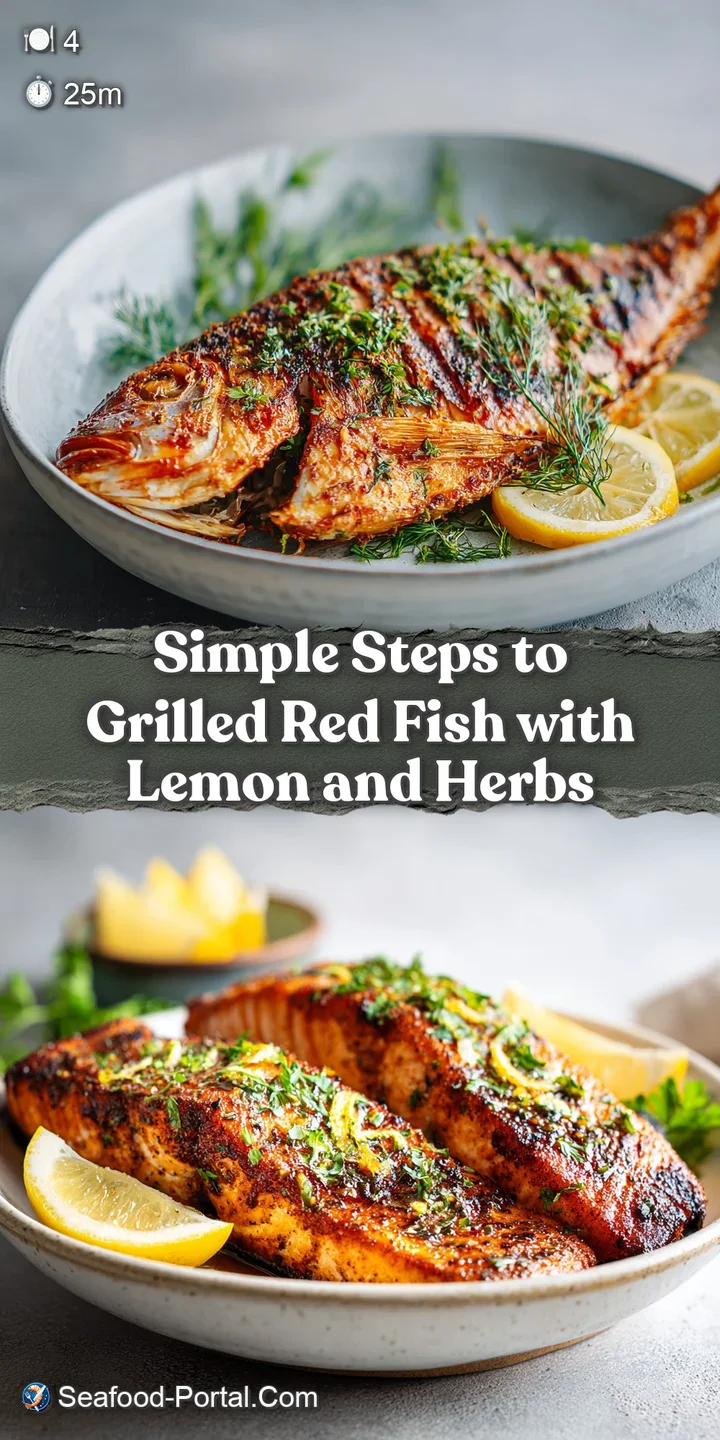
Recipe FAQs
What is the best way to cook redfish on the grill?
Grill skin side down first over medium high heat. This allows the skin to crisp up and act as a protective barrier against direct heat, preventing the delicate flesh from sticking or drying out.
Should I put lemon on fish before or after cooking?
Use lemon both before and after. A small amount of fresh lemon juice in the marinade tenderizes the protein slightly before grilling; save the rest for a bright finish right after it comes off the heat.
What is the best way to cook a redfish?
Grilling over medium high heat (around 400°F) yields the best result. The high heat creates a necessary crust while the skin insulates the meat, resulting in a flaky, moist center.
What seasoning is good for grilled fish?
Keep it simple with salt, pepper, fresh herbs, and garlic paste. The high heat of the grill brings out the sweetness of the fish, so you just need bright accents; this flavor profile is similar to the brown butter used in our Almondine Fish recipe.
How do I prevent the redfish skin from sticking to the grill grates?
Ensure the grill grates are meticulously clean and well oiled right before placing the fish on them. Wait patiently for the fish to naturally release from the grate; forcing it off early guarantees tearing.
What internal temperature should grilled redfish reach?
Pull the fish from the heat at 140°F (60°C). Redfish will continue to cook slightly after being removed from the grill, reaching the safe and perfectly flaky temperature of 145°F (63°C) during resting.
Can I use store-bought spice blends instead of fresh herbs?
Yes, but adjust quantity significantly, especially for pre-made rubs. Store blends are often saltier; if using a mix like Cajun seasoning, start with half the suggested amount, as you can always add more seasoning later.
Grilled Red Fish With Lemon
Ingredients:
Instructions:
Nutrition Facts:
| Calories | 294 kcal |
|---|---|
| Protein | 31.8 g |
| Fat | 17.2 g |
| Carbs | 2.4 g |
| Fiber | 0.6 g |
| Sugar | 0.5 g |
| Sodium | 510 mg |
