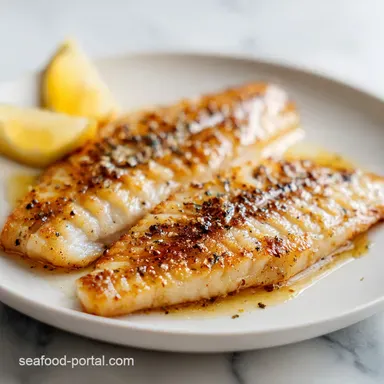
Grilled Flounder Recipe with Easy Steps: Zesty and Flaky
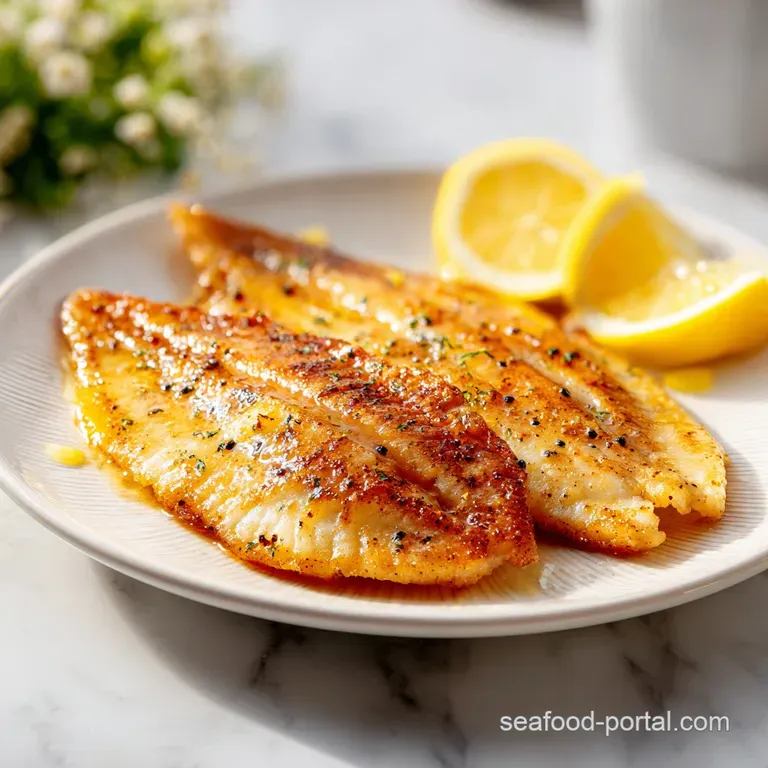
- Time: 5 min active + 10 min cook = Total 17 mins
- Flavor/Texture Hook: Zesty, buttery, and flaky
- Perfect for: Fast weeknight dinners or a light summer meal
The sudden crackle of the grill and that immediate, sharp scent of lemon hitting hot coals is my favorite part of summer. I remember one humid Tuesday last July when I had exactly twenty minutes to get dinner on the table before the kids' swim practice.
I had a few flounder fillets in the fridge and a desperate need for something that felt like a "real meal" without the cleanup of a kitchen full of pots.
I just tossed the fillets on the grates, brushed them with a quick garlic lemon mix, and let the fire do the work. The result was a stark contrast, a slightly charred, salty crust on the outside and a silky, tender center that just melted.
It's that balance of bright acidity and rich, melted butter that makes this work every single time.
You can expect a meal that feels upscale but requires almost zero effort. We are focusing on a "single flip" method here, which keeps the fish from breaking apart. Since flounder is so lean and delicate, the goal is to move fast and keep the heat high.
Grilled flounder recipe with easy steps
Right then, let's get into why this actually works. When you're dealing with a thin white fish, the biggest enemy is overcooking. Because flounder has very little fat, it can go from "silky" to "rubber" in about sixty seconds.
- Surface Moisture
- Patting the fish dry removes the water layer that causes steaming, allowing the grill to sear the protein immediately.
- Fat Barrier
- Avocado oil has a high smoke point, creating a non stick shield between the delicate flesh and the metal grates.
- Butter Basting
- Adding the lemon butter at the end prevents the milk solids in the butter from burning while adding a velvety finish.
- Carryover Heat
- Resting the fillets for 2 minutes lets the internal temperature stabilize, ensuring the center is opaque without the edges drying out.
| Method | Time | Texture | Best For |
|---|---|---|---|
| over High heat Grill | 10 mins | Charred & Flaky | Bold flavor, fast cook |
| Pan Sear | 8 mins | Golden & Silky | Indoor cooking, control |
| Foil Packet | 15 mins | Steamed & Tender | Low mess, moisture lock |
Component Analysis
| Ingredient | Science Role | Pro Secret |
|---|---|---|
| Avocado Oil | over High heat Lubricant | Prevents sticking better than olive oil |
| Lemon Juice | Acidic Brightener | Cuts through the richness of the butter |
| Kosher Salt | Protein Tightener | Draws out surface moisture for a better sear |
| Unsalted Butter | Flavor Carrier | Binds the garlic and parsley to the fish |
The Essential Pantry List
For this recipe, you want ingredients that enhance the fish without masking its natural sweetness. Flounder is mild, so the lemon garlic combo acts as a spotlight.
- 4 flounder fillets, approx 6 oz (170g) each Why this? Flat fillets cook evenly and quickly
- 1/2 tsp (3g) kosher salt Why this? Coarser grains are easier to distribute
- 1/4 tsp (1g) cracked black pepper
- 1 tbsp (15ml) avocado oil Why this? High smoke point prevents acrid burnt taste
- 3 tbsp (42g) unsalted butter, melted Why this? Base for the zesty baste
- 1 tbsp (15ml) fresh lemon juice Why this? Fresh is always more vibrant than bottled
- 2 cloves (6g) garlic, minced Why this? Adds a savory, aromatic punch
- 1 tbsp (4g) fresh parsley, finely chopped Why this? Adds a clean, herbaceous finish
- 1/2 tsp (1g) lemon zest Why this? Concentrated citrus oils for aroma
If you find yourself without avocado oil, you can use grapeseed oil. If you're looking for a different white fish, my guide on cooking cod explains how to handle slightly thicker fillets.
Gear for the Grill
You don't need a fancy setup, but there are two tools that make this a lot easier. First, a fish spatula is absolutely non negotiable. Unlike a regular spatula, a fish spatula is long, thin, and flexible, which allows it to slide under the delicate fillet without tearing the flesh.
Second, a pastry brush is your best friend here. You need to be able to coat the grates and the fish quickly. If you use a spoon, you'll likely push the fish around, which ruins the sear and increases the chance of the fillet sticking.
Finally,, make sure your grill is clean. Any leftover residue from last night's burgers will cling to the flounder, and once a fillet sticks, it's almost impossible to remove it in one piece. A quick scrub with a wire brush while the grill is heating up is all you need.
Step by step Cooking
Let's crack on. The key here is speed and confidence. Don't second guess the fish; trust the timer.
The Rapid Prep
- Pat the flounder fillets completely dry with paper towels to ensure searing rather than steaming. Season both sides lightly with salt and pepper. Note: Wet fish will slide and stick to the grill.
- In a small bowl, whisk together the melted butter, lemon juice, minced garlic, parsley, and lemon zest.
The over High heat Sear
- Preheat the grill to medium high. Using a pastry brush, coat the grill grates generously with avocado oil. Note: Oil the grates, not just the fish, for a cleaner release.
- Lay the fillets on the grates, close the lid, and sear for 3–4 minutes without moving them until the edges turn opaque and the fish releases naturally from the grate.
The Butter Finish
- Carefully flip the fillets using a fish spatula. Immediately brush the top side with the prepared lemon garlic butter.
- Grill for another 3 minutes until the fish flakes easily with a fork.
- Remove from heat and let the fillets rest for 2 minutes to allow the juices to redistribute.
Chef's Tip: If you want a deeper flavor, try adding a pinch of smoked paprika to the butter mix. It adds a woody note that complements the charcoal.
Troubleshooting Your Fish
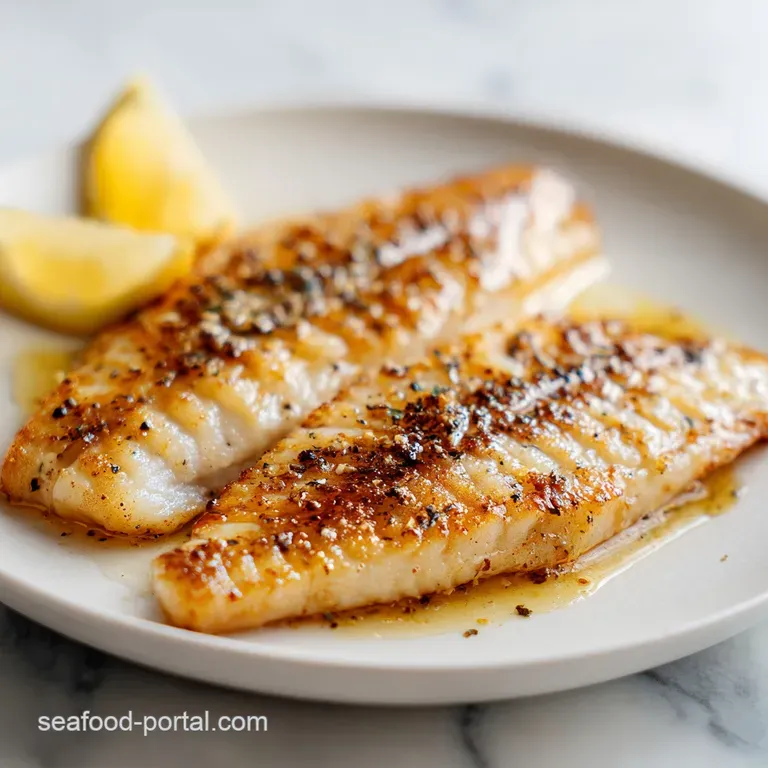
Even with a grilled flounder recipe with easy steps, things can go sideways if the heat isn't just right. Most issues come down to temperature or timing.
Sticky Fish Fixes
If your fish is clinging to the grill, it's usually because the grates weren't hot enough or the fish was flipped too early. The fish needs to form a "crust" before it will let go. If it's stuck, give it another minute.
Dry Fish Causes
Flounder is very thin. If you grill it for even two minutes too long, the proteins tighten up and squeeze out all the moisture. Always check the thickest part of the fillet with a fork; as soon as it flakes, pull it off.
Overcooked Texture Issues
When fish becomes rubbery, it's a sign of temperature overshoot. Using a meat thermometer to hit 145°F (63°C) is the safest bet, but visually, the fish should be opaque throughout, not stark white and shrunken.
| Problem | Root Cause | Solution |
|---|---|---|
| Fillet tore upon flipping | Flipped too early | Wait for the fish to release naturally |
| Butter burnt/blackened | Grill too hot | Lower heat or add butter only after flipping |
| Bland flavor | Under seasoned | Season immediately before hitting the grill |
Common Mistakes Checklist
- ✓ Did you pat the fillets bone dry?
- ✓ Is the grill preheated to medium high?
- ✓ Did you oil the grates directly?
- ✓ Did you avoid moving the fish during the first sear?
- ✓ Did you let the fish rest for 2 minutes?
Swaps for Different Diets
Depending on who you're feeding, you might need to tweak the ingredients. The great thing about this recipe is that the core method stays the same regardless of the substitutes.
For those avoiding dairy, you can swap the unsalted butter for a high-quality vegan butter or even melted coconut oil. Coconut oil works well because it's saturated and handles the heat, though it adds a slight tropical note.
If you want something even lighter, a drizzle of extra virgin olive oil mixed with the lemon and garlic works, though you lose that velvety mouthfeel.
If you need a low sodium version, replace the kosher salt with a squeeze of extra lemon juice and a pinch of garlic powder. The acidity mimics the "bright" sensation of salt without the sodium. For a different protein, you could use sole or tilapia, though you'll need to adjust the time if the fillets are thicker. If you're craving more variety, these lemon garlic notes are similar to my creamy lemon garlic salmon sauce, which you can use as a dipping sauce on the side.
| Original Ingredient | Substitute | Why It Works |
|---|---|---|
| Unsalted Butter | Vegan Butter | Similar fat content. Note: Slightly different flavor profile |
| Avocado Oil | Grapeseed Oil | Similar high smoke point. Note: Very neutral taste |
| Fresh Parsley | Fresh Cilantro | Similar herbal freshness. Note: Changes flavor to more citrusy/earthy |
Right then, if you're cooking for a crowd, remember that overcrowding the grill is the fastest way to ruin the sear. When you put too many cold fillets on at once, the grate temperature drops, and the fish starts to steam instead of sear.
Adjusting the Quantity
Scaling fish is different from scaling a cake. You can't just double the time.
Scaling Down: If you're just cooking for one or two, use a smaller section of the grill to concentrate the heat. The cook time remains exactly the same, but you'll have more room to maneuver.
Scaling Up: When doubling or tripling the recipe, work in batches. I recommend grilling 4 fillets at a time. If you crowd the grill, the fish will release moisture, and you'll end up with "boiled" flounder. For the lemon butter sauce, you can double it, but keep in mind that you only need a thin layer.
Don't over saturate the fish, or it will slide right off the grate.
For the seasoning, don't just double the salt. Start with 1.5x the salt and pepper, taste a small piece of the finished fish, and adjust. Spices can sometimes become overwhelming when scaled linearly.
Common Kitchen Myths
One of the biggest myths I hear is that you need to "seal in the juices" by searing the fish first. In reality, searing doesn't create a waterproof seal. It creates flavor through browning. The moisture is preserved by not overcooking the protein, not by the sear itself.
Another common misconception is that you should oil the fish itself before it hits the grill. While that helps a bit, oiling the grates is far more effective. Oiling the fish can lead to flare ups as the oil drips, which can char the outside of the fish while the inside stays raw.
Storing Your Leftovers
Grilled flounder is best eaten immediately, but if you have leftovers, you can store them in an airtight container in the fridge for up to 2 days.
To reheat without drying it out, avoid the microwave. Instead, place the fillets in a pan over low heat with a teaspoon of water or a small knob of butter. Cover the pan with a lid for 2-3 minutes. This creates a mini steam chamber that gently warms the fish without cooking it further.
For zero waste, don't throw away the remaining lemon garlic butter. You can whisk it into some cooked quinoa or drizzle it over steamed asparagus. If you have leftover lemon zest, freeze it in a small container to add to your morning oatmeal or a smoothie.
Perfect Side Pairing Ideas
Because this dish is so light and zesty, you want sides that provide a bit of earthiness or a soft texture to balance the char.
A simple side of steamed asparagus or sautéed spinach works brilliantly. The bitterness of the greens cuts through the rich butter sauce. For a heartier meal, I love serving this over a bed of wild rice or a light lemon herb quinoa. The grains soak up any extra butter that drips off the fish.
If you're looking for something a bit more indulgent, a side of roasted baby potatoes with rosemary is the way to go. The crispy skin of the potatoes echoes the charred exterior of the flounder. Trust me on this, a glass of chilled Sauvignon Blanc or a crisp Pinot Grigio is the only way to round out this meal.
It pulls all those citrus and garlic notes together for a really cohesive dinner.
Recipe FAQs
Why should I pat the fillets dry before grilling?
To ensure a proper sear. Moisture on the surface creates steam, which prevents browning and causes the fish to stick to the grates.
How to tell when it is time to flip the flounder?
Wait until the edges turn opaque and the fillet releases naturally from the grate. This typically happens after 3 4 minutes of searing.
What sauce pairs best with grilled flounder?
A zesty, creamy condiment provides the best contrast. While the lemon garlic butter is excellent, serving the fish with homemade tartar sauce adds a bright, tangy finish.
Is it true that flounder is too delicate to be grilled?
No, this is a common misconception. Using a fish spatula and generously oiling the grates allows you to grill this lean fish without it falling apart.
How to reheat leftover grilled flounder without drying it out?
Place fillets in a pan over low heat with a teaspoon of water or butter. Cover with a lid for 2 3 minutes to create a steam chamber that warms the fish gently.
How to know if the flounder is fully cooked?
Verify that the fish flakes easily with a fork. This usually occurs after the final 3 minutes of grilling.
Why use avocado oil on the grill grates?
It has a high smoke point. This prevents the oil from burning at medium high temperatures and ensures the fillets don't stick.
Grilled Flounder Easy Steps