The Best Fried Cod Recipes Golden and Crispy
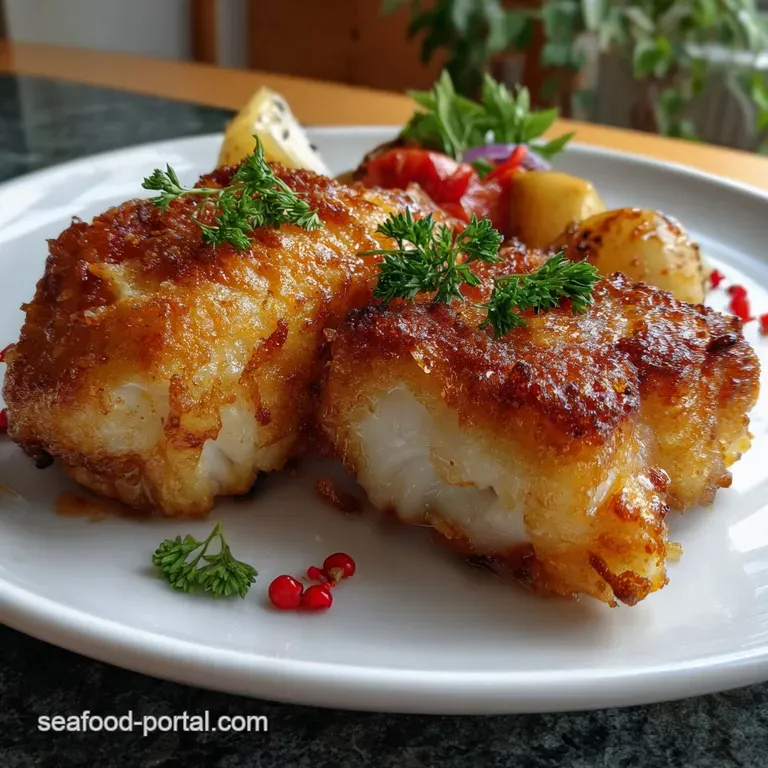
- Effort/Time:25 minutes total (Low effort, high reward)
- Flavor Hook: Savory, garlic-onion infused crunch with a zesty, creamy dill dip.
- Perfect for: Casual Friday-night "pub at home" dinners or quick-turnaround weeknight meals.
- Mastering Fried Cod Recipes Golden and Crispy: The Ultimate Guide
- Fried Cod Recipes Golden and Crispy: The Ultimate Overview
- The Science of Crunch: Why This Recipe Works
- The Science Behind Your Ingredients
- Essential Ingredients and Savvy Substitutions
- Step-by-Step Instructions for Fried Cod Recipes Golden and Crispy
- Expert Tips and Common Frying Mistakes to Avoid
- Storage and Reheating for Fried Cod Recipes Golden and Crispy
- Serving Suggestions: Classic Sides and Pairings
- Common Myths
- Final Thoughts on Fried Cod Recipes Golden and Crispy
- Recipe FAQs
- 📝 Recipe Card
Mastering Fried Cod Recipes Golden and Crispy: The Ultimate Guide
Nothing kills a Friday night mood faster than a piece of fried fish that’s oily and limp. I used to think the secret was just "turning up the heat," but I ended up with burnt crumbs and raw fish.
We’ve all been there scraping soggy breading off a perfectly good piece of cod because it didn't have that satisfying "crack" when you bit into it.
I finally stopped guessing and started looking at the physics of the fry. The secret to Fried Cod Recipes Golden and Crispy isn't just the oil; it's how you prep the fish and the sequence of your dredge.
By mastering moisture control and the Maillard reaction, you can get that restaurant quality shatter at home every single time.
This guide will walk you through the technical steps of why panko outperforms traditional crumbs and how to keep your oil at the sweet spot. We're going to turn 1.5 lbs of fresh cod into the best meal you've had all week. Trust me, once you hear that first crunch, there’s no going back to the frozen stuff.
Fried Cod Recipes Golden and Crispy: The Ultimate Overview
Fried Cod Recipes Golden and Crispy require a over high heat stable oil and a dry-wet-dry dredging technique to ensure the breading adheres perfectly to the fish. By using 1.5 cups of panko breadcrumbs, you increase the surface area for frying, which creates a lighter, airier texture than standard breading.
The foundation of this dish is the cod itself. We use 1.5 lbs of fresh cod fillets because their low-fat content and large flakes provide the perfect contrast to a seasoned, crunchy shell. When you fry, you're essentially performing a rapid dehydration of the outer layer while the interior steams in its own juices. To round out the meal, I often serve this alongside my Easy Poached Cod with Lemon and Butter Sauce | Quick Dinner if I'm feeding a crowd with different dietary preferences.
The Science of Crunch: Why This Recipe Works
- Maillard Reaction: High heat (350°F) causes amino acids and reducing sugars in the 1/2 cup all-purpose flour and 1.5 cups panko to brown, creating complex savory flavors.
- Protein Denaturation: As the cod reaches an internal temperature of 145°F, the muscle fibers unwind and coagulate, resulting in a firm, flaky texture that holds its shape.
- Steam Barrier: The 2 large eggs create an emulsified protein film that traps the fish’s natural moisture inside, preventing the oil from penetrating the flesh and making it greasy.
- Surface Area Physics: Panko breadcrumbs have a jagged, porous structure that increases the contact points with the 2 cups of vegetable oil, maximizing the "crunch" per square inch.
Achieving a Restaurant Quality Pub Experience
To get that authentic pub feel for Fried Cod Recipes Golden and Crispy, you need to focus on temperature recovery. When you drop cold fish into hot oil, the temperature plummets.
Using a heavy bottomed tool like a Lodge Cast Iron Skillet helps maintain thermal mass, ensuring the oil stays hot enough to sear the breading instantly. This prevents the oil from soaking into the crust, which is the primary cause of greasiness.
The Importance of Moisture Control for Flaky Fish
If your fish is wet, your breading will fall off. It’s that simple. Excess water on the surface of the cod turns to steam under the flour layer, pushing the coating away from the meat. This creates a gap where the breading eventually sags and slides off.
Always pat your 1.5 lbs of cod fillets with paper towels until they are bone dry before you even touch the 1/2 cup of all-purpose flour.
Why Breadcrumbs Beat Batter for Newbies
While beer batters are great, they are temperamental. For consistent Fried Cod Recipes Golden and Crispy, a panko based breading is much more forgiving. The 1.5 cups of panko provide a structural "cage" around the fish.
This mechanical bond is stronger than a liquid batter, which can often lead to "blowouts" if the fish releases too much steam during the 10 minutes of cook time.
The Science Behind Your Ingredients
The Science Behind Fresh Cod Fillets
- What They Do
- Provide the structural protein base for the dish.
- The Chemistry
- Cod undergoes protein denaturation where the translucent flesh turns opaque as the heat reorganizes the myofibrillar proteins into a firm, flaky matrix.
- Why This Matters
- It creates a clean, mild flavor profile that allows the 1 tsp garlic powder and 1 tsp onion powder to shine without being "fishy."
The Science Behind Large Eggs
- What They Do
- Act as a biological adhesive and emulsifier.
- The Chemistry
- The lecithins in the egg yolks facilitate emulsification, bridging the gap between the dry flour layer and the jagged panko crumbs.
- Why This Matters
- This ensures the breading stays attached to the fish during the high turbulence environment of a 2 cup vegetable oil fry.
The Science Behind Panko Breadcrumbs
- What They Do
- Create the ultimate crispy exoskeleton.
- The Chemistry
- Panko is made via electro fusing, resulting in a crumb without a crust that has a larger, airier cell structure than traditional crumbs.
- Why This Matters
- The increased surface area facilitates faster moisture evaporation, leading to a "shatter" texture rather than a "chewy" crunch.
The Science Behind Mayonnaise (for the sauce)
- What They Do
- Provide a rich, fatty base for the homemade tartar sauce.
- The Chemistry
- Mayo is a stable oil-in-water emulsion that suspends the 1 tbsp minced dill pickles and 1 tsp lemon juice.
- Why This Matters
- The fat content coats the palate, balancing the sharp acidity of the lemon and the salty crunch of the fried fish.
Essential Ingredients and Savvy Substitutions
For Fried Cod Recipes Golden and Crispy, using high-quality components is non-negotiable. I recommend Diamond Crystal Sea Salt for the 1 tsp seasoning because its flaked structure dissolves more evenly than table salt.
For the frying oil, a high smoke point option like Crisco Vegetable Oil is essential to avoid acrid flavors.
| Original Ingredient | Substitute | Why It Works |
|---|---|---|
| 1/2 cup All-purpose Flour | Cornstarch | Creates an even crispier, gluten-free barrier. |
| 1.5 cups Panko Breadcrumbs | Crushed Saltines | Provides a salty, buttery crunch but with a denser texture. |
| 1/2 cup Mayonnaise | Greek Yogurt | Higher protein, lower fat, but adds a tangier profile. |
| 1/2 tsp Dijon Mustard | Yellow Mustard | Similar acidity but lacks the complex spice of Dijon. |
Selecting Your Fish: Cod Loin vs. Fillets
When shopping for Fried Cod Recipes Golden and Crispy, you’ll often see "loins" and "fillets." Loins are the prime, thick middle cut of the fish. They are great for uniform cooking. Fillets include the tail end, which is thinner.
If you use fillets, keep an eye on those thin tail pieces; they’ll cook in about half the time of the thicker center cuts.
The Best Oils for over High heat Frying
You need an oil with a smoke point above 400°F. Vegetable oil, canola oil, or grapeseed oil are your best friends here. Avoid extra virgin olive oil or butter for the main fry they will burn and turn bitter long before the fish is done.
The 2 cups of vegetable oil specified in the recipe provide enough depth for a shallow fry without wasting a whole gallon.
step-by-step Instructions for Fried Cod Recipes Golden and Crispy
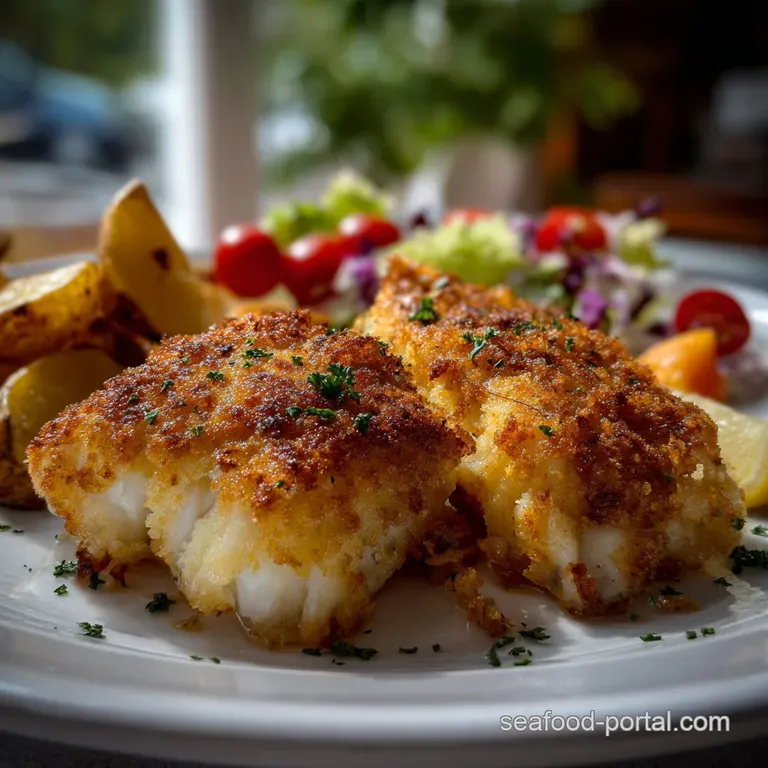
Prepping the Cod for Maximum Batter Adhesion
- Pat dry 1.5 lbs fresh cod fillets thoroughly.Note: Removing surface water prevents the "steam gap" that causes breading to fall off during protein denaturation.
- Season fish with 1 tsp sea salt and 1/2 tsp black pepper.Note: Salt initiates osmosis, drawing out deep seated moisture that the flour layer will then absorb.
- Cut cod into 4 inch pieces.Note: Smaller surface area ensures even heat distribution throughout the 10 minutes of cooking.
Mixing the Batter for a Light and Airy Texture
- Set up three shallow bowls.Note: A dedicated "station" prevents cross contamination and keeps the breading dry.
- Whisk 2 large eggs with 1 tbsp water.Note: Water thins the egg protein, creating a lighter coating that doesn't become "rubbery."
- Combine 1.5 cups panko with 1 tsp garlic powder, 1 tsp onion powder, and 1/2 tsp paprika.Note: Dry-mixing seasonings into the panko ensures every bite has an even distribution of aromatics.
The Proper Frying Technique for Uniform Color
- Heat 2 cups vegetable oil in a Lodge Cast Iron Skillet to 350°F. Note: 350°F is the "Goldilocks" zone for the Maillard reaction without burning the panko.
- Dredge fish in 1/2 cup flour, dip in egg, then press into panko.Note: Pressing firmly anchors the panko jagged edges into the egg wash adhesive.
- Lay fish away from you into the hot oil.Note: Prevents hot oil splashes and ensures immediate searing of the bottom crust.
How to Tell When Your Cod is Perfectly Cooked
- Fry for 3 4 minutes per side. Note: Total cook time of 10 minutes accounts for heat loss during the flip.
- Observe for a "golden brown" and "shatter crisp" exterior.Note: Visual cues indicate the successful caramelization of the starches.
- Check internal temperature with a ThermoPro Digital Meat Thermometer.Note: 145°F is the FDA standard for safe, flaky white fish.
Expert Tips and Common Frying Mistakes to Avoid
| Problem | Why It Happens | The Fix | Pro Protocol |
|---|---|---|---|
| Breading Slips Off | Fish was too wet or "wet hand/dry hand" method failed. | Pat fish bone dry; use one hand for wet, one for dry. | Use a cooling rack for 5 mins after breading to "set" the crust. |
| Greasy Texture | Oil temperature was too low (under 325°F). | Increase heat and fry in smaller batches. | Use a laser thermometer for 350°F oil verification before every batch. |
| Burnt Crust/Raw Fish | Oil was too hot; Maillard happened too fast. | Lower heat; use thicker 4 inch pieces for better heat buffer. | If browning too fast, finish the fish in a 350°F oven for 3 minutes. |
Chef's Tip: For the ultimate crunch, place the fried fish on a wire cooling rack instead of paper towels. Paper towels trap steam under the fish, which quickly turns your Golden and Crispy crust into a soggy mess.
Storage and Reheating for Fried Cod Recipes Golden and Crispy
Can you store fried cod? Yes, fried cod stays safe in the fridge for up to 2 days when stored in an airtight container. However, the moisture from the fish will naturally soften the breading over time.
Reheating: Never use a microwave! It will turn the panko into a rubbery sponge. Instead, use an Air Fryer at 375°F for 3 4 minutes. This circulates hot air around the panko, re-dehydrating the crust and restoring the crunch.
Alternatively, use a toaster oven at 400°F for 5 minutes.
Freezing: You can freeze these for up to 1 month. Freeze them in a single layer on a baking sheet first, then transfer to a freezer bag. To serve, bake from frozen at 425°F for 15 minutes to ensure the center reaches 145°F without burning the exterior.
Serving Suggestions: Classic Sides and Pairings
Homemade Tartar Sauce and Authentic Malt Vinegar Pairings
No Fried Cod Recipes Golden and Crispy are complete without a sharp sauce. While you can buy the bottled stuff, my Tartar Sauce Recipe: Easy Homemade Sauce for Fried Fish uses the 1/2 cup mayonnaise, 1 tbsp dill pickles, and 1 tsp fresh dill from this recipe to create a bright, acidic counterpoint to the fried oils.
How to Prevent Your Coating from Falling Off
- The Flour
- Absorbs surface moisture.
- The Egg
- Provides the biological "glue."
- The Panko
- Provides the structural shell.
The Secret to Keeping Fish Warm and Crispy in Batches
If you're cooking for a crowd, don't serve the first batch while it's hot and the last batch when it's cold. Set your oven to 200°F and place a wire rack over a baking sheet inside. As each piece of cod finishes its 10 minutes of cooking, transfer it to the rack.
The dry heat of the oven keeps the crust crisp while the air circulation prevents steam buildup.
Common Myths
Myth: You must use beer for the best fried fish. Truth: While beer batter is delicious, a panko breaded crust actually provides a more durable and consistent "crunch" that stays crispy longer on the plate.
Myth: Deep frying is healthier than shallow frying. Truth: If the oil temperature is correct (350°F), the fish absorbs very little oil regardless of the depth. The "greasiness" is a result of low temperature, not the amount of oil in the pan.
Final Thoughts on Fried Cod Recipes Golden and Crispy
This recipe is more than just a meal; it's a technical exercise in heat management and texture. By using the 1.5 lbs of cod fillets and the panko dredge method, you ensure a result that is Golden and Crispy every time you step into the kitchen. If you're looking for more ways to master white fish, don't miss my guide on How to Make Fried Cod Fillets: The Crispy Secret.
Whether you're making this for a quick Tuesday night dinner or a full blown fish fry, remember the science: dry the fish, watch your oil temp, and never skip the dill pickles in your sauce. Now, grab that 2 cups of vegetable oil and let's get frying!
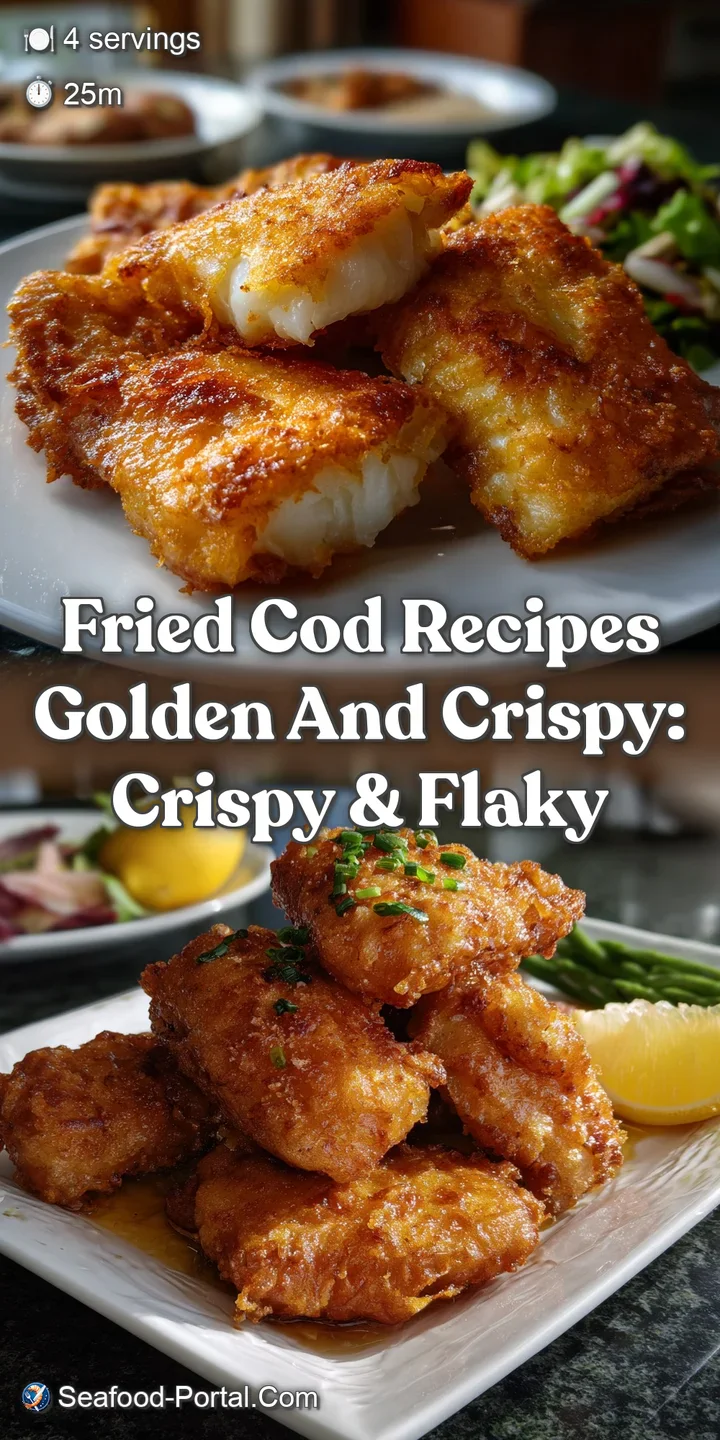
Recipe FAQs
What oil temperature yields the crispiest crust?
375°F (190°C) for the first dip, reducing to 350°F (175°C) thereafter. Maintaining this narrow thermal window ensures the quick dehydration of the batter surface without burning the coating before the cod cooks through. Moisture released by the fish lowers the oil temperature rapidly.
- Use a high smoke point oil (Peanut/Canola)
- Use a deep fry thermometer
- Do not overcrowd the fryer basket
Is a three stage breading process mandatory for maximum crispness?
Yes, the dredging sequence seals in moisture. The initial liquid dip hydrates the starch, the egg acts as a binder, and the final dry layer forms the crust. This sequence is key, similar to preparing a perfect Chicken Fried Steak: The Ultimate Ultra Crispy Diner Classic.
Can I use Panko breadcrumbs instead of standard breading?
Panko provides a lighter, shaggier texture. Standard breadcrumbs create a dense, cohesive shield, while Panko’s flaky structure absorbs less oil, resulting in a slightly less dense final product.
Must I pat the cod fillets completely dry before breading?
Yes, excess surface moisture ruins the crust adhesion. Surface water instantly converts to steam upon hitting hot oil, creating a barrier between the coating and the fillet that leads to premature detachment.
What is the primary benefit of soaking fish in buttermilk?
Buttermilk tenderizes protein bonds through lactic acid. The mild acidity helps break down connective tissues, yielding a softer interior texture, often utilized in recipes like Southern Fried Catfish: The Ultimate Buttermilk Soaked Comfort Classic.
Myth: Freezing fish ruins its ability to crisp when fried.
Myth: Freezing ruins crispness. Reality: Properly thawed, patted dry frozen fish fries identically; refreezing raw fish after thawing, however, causes cell rupture and excess moisture release.
Myth: Baking powder in the flour guarantees a fluffy batter.
Myth: Baking powder guarantees fluffiness. Reality: While it aids lift via carbon dioxide release, proper hydration levels and oil temperature are far more critical factors for achieving crispness than leavening agents alone.
Golden Crispy Fried Cod
Ingredients:
Instructions:
Nutrition Facts:
| Calories | 608 calories |
|---|---|
| Protein | 34g |
| Fat | 42g |
| Carbs | 31g |
| Fiber | 1.4g |
| Sugar | 2.1g |
| Sodium | 985mg |
