Grandmas Golden Baked Scallops Recipe
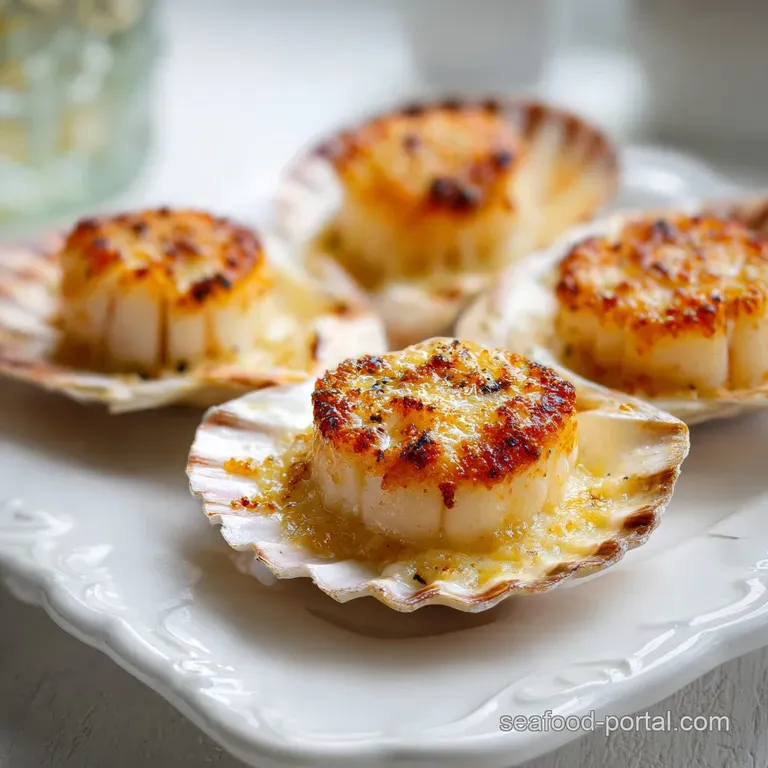
- Time: Active 10 mins, Passive 12 mins, Total 22 mins
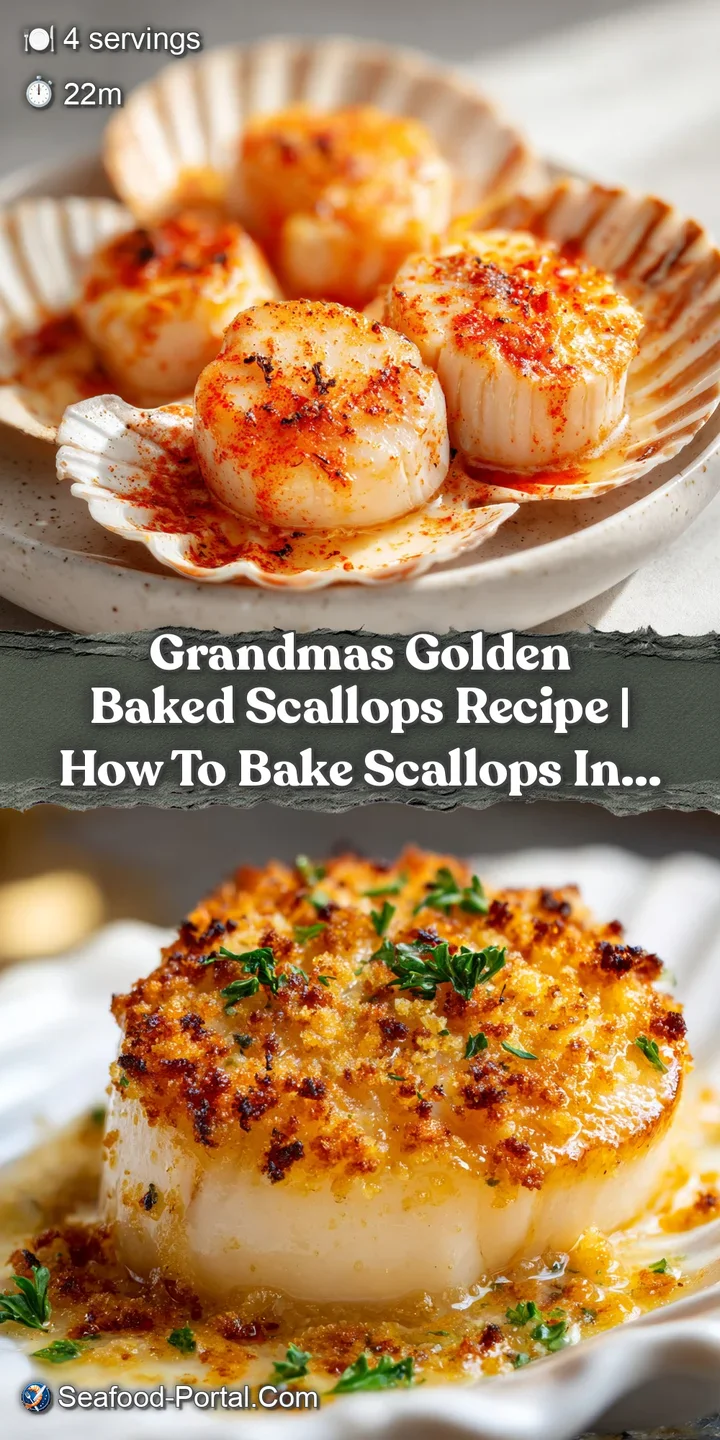
- Flavor/Texture Hook: Shattering panko crust meets velvety, sweet sea scallops
- Perfect for: Anniversary dinners, impressive weeknight meals, or seafood lovers
- Mastering Grandmas Golden Baked Scallops Recipe
- Why These Textures Work Together
- Precision Checkpoints for Best Results
- Component Analysis
- Essential Ingredients and Smart Substitutes
- Necessary Kitchen Tools for Baking
- Step by Step Baking Instructions
- Solving Common Scallop Cooking Problems
- Flavor Variations and Dietary Tweaks
- Scaling This Recipe For Groups
- Three Truths About Baked Scallops
- Safe Storage and Zero Waste
- Serving Suggestions and Side Dishes
- Recipe FAQs
- 📝 Recipe Card
Mastering Grandmas Golden Baked Scallops Recipe
Whenever I smell garlic hitting bubbling butter, I am five years old again, standing on a stool in my grandmother’s kitchen. She had this tiny, weathered baking dish that had seen more seafood than a coastal pier, and she never used a timer.
She just knew by the sizzle and the specific way the breadcrumbs turned that deep, sunset gold. It was the first "fancy" meal I ever learned to cook, and honestly, it’s still the one I make when I want to feel a little bit pampered without spending hours over a hot stove.
The secret she taught me wasn't in some complicated technique, but in the contrast. You have the sweetness of the scallop, the bite of the garlic, and that panko topping that literally shatters when your fork hits it.
I’ve made this dozens of times, sometimes failing by overcrowding the pan or letting them go a minute too long, but those mistakes taught me exactly how to get it right every single time. We’re going for a dish that feels like a celebration but comes together in less than half an hour.
You might think baking scallops is risky won't they get rubbery? Trust me, we’ve got a system here that protects the protein while the oven works its magic on the crust. It’s all about heat management and moisture control. If you’ve been intimidated by seafood before, this is your entry point.
It’s accessible, it’s foolproof if you follow these sensory cues, and the results are consistently flavorful. Let’s get into why this method actually works.
Why These Textures Work Together
Understanding the science behind the bake is what separates a soggy scallop from a legendary one. We aren't just tossing things in a pan; we are managing hydration and thermal energy to protect the delicate muscle fibers of the seafood.
- The Panko Shield: Unlike standard breadcrumbs, panko has a larger, airier surface area that creates an insulating layer, allowing the scallop to steam gently in butter while the top browns.
- Enzymatic Brightness: The lemon juice and white wine provide acidity that breaks down the richness of the 6 tbsp unsalted butter, preventing the dish from feeling heavy on the palate.
- Maillard Acceleration: The small amount of 1/4 cup grated Parmesan cheese in the topping contains proteins and sugars that undergo the Maillard reaction faster than breadcrumbs alone, ensuring a golden hue before the scallops overcook.
- Moisture Migration Control: Patting the 1.5 lbs large sea scallops dry is non negotiable because surface water creates steam, which would turn our crispy topping into a mushy paste.
- Fat Emulsification: The garlic and herbs are suspended in the melted butter, creating a flavored "bath" that bastes the scallops throughout the 12 minutes of cooking time.
Insulating with Panko Shield
The panko acts like a tiny heat reflector. Because scallops are mostly water and protein, they tighten up and turn rubbery the second they hit high heat for too long. By piling that panko and Parmesan mixture on top, you’re creating a buffer.
The heat has to work through the breadcrumbs first, which gives the scallop time to reach that perfect 125°F (52°C) internal temperature without the exterior becoming tough.
Emulsifying Garlic Butter Base
When you mix the 2 tbsp dry white wine and 1 tbsp fresh lemon juice into the melted butter, you're creating a temporary emulsion. As it bakes, the alcohol in the wine evaporates, leaving behind a concentrated fruitiness that cuts right through the 3 cloves of minced garlic. This is a trick I also love using when I make my Baked Scallop Recipe, as it ensures the sauce stays vibrant rather than just greasy.
Optimizing Surface Moisture
If your scallops are sitting in a pool of liquid in the package, they are holding onto excess brine. When that hits the oven, it leaks out. By drying them thoroughly and then using the wine/butter mixture strategically, we control where the moisture is. We want the moisture inside the scallop, not under the crust.
| Scallop Thickness | Internal Temp | Rest Time | Visual Cue |
|---|---|---|---|
| 1 inch (Large) | 125°F (52°C) | 2 mins | Opaque sides, firm touch |
| 1.5 inches (Jumbo) | 130°F (54°C) | 3 mins | Slight spring when pressed |
| 0.5 inch (Bay) | 120°F (49°C) | 1 min | Just turned white/opaque |
Precision Checkpoints for Best Results
Getting the timing right is the most common hurdle for home cooks. Scallops wait for no one, so having these checkpoints in mind will save your dinner.
Component Analysis
| Ingredient | Science Role | Pro Secret |
|---|---|---|
| Sea Scallops | Lean Protein | Remove the "foot" (side muscle) or it stays chewy even when cooked. |
| Panko Breadcrumbs | Textural Contrast | Use panko over traditional crumbs for a jagged, crispier surface area. |
| Unsalted Butter | Fat & Flavor | high-quality European butter adds a deeper, nuttier profile to the base. |
| Smoked Paprika | Color & Depth | Provides a "grilled" visual cue and subtle earthiness without actual smoke. |
Choosing the right seafood is half the battle. I always look for "dry packed" scallops. If they are sitting in a milky white liquid, they’ve been treated with sodium tripolyphosphate, which makes them soak up water. You’re basically paying for water weight, and they will never sear or bake properly.
If you can't find dry packed, just spend extra time patting them dry with paper towels. Trust me, it makes a massive difference in the final texture.
Essential Ingredients and Smart Substitutes
- 1.5 lbs Large Sea Scallops (U-10 or U-12)Why this? Larger scallops stay tender while the topping browns perfectly.
- Substitute: Colossal shrimp (peeled and deveined).
- 6 tbsp Unsalted Butter (melted)Why this? Provides the rich, velvety mouthfeel and carries the garlic flavor.
- Substitute: Ghee (for a higher smoke point and nuttier taste).
- 3/4 cup Panko BreadcrumbsWhy this? Creates the signature "shatter" crunch that defines this recipe.
- Substitute: Crushed buttery crackers (like Ritz) for a sweeter, softer crunch.
- 1/4 cup Grated Parmesan CheeseWhy this? Adds saltiness and helps the crust brown via protein browning.
- Substitute: Pecorino Romano for a sharper, saltier bite.
- 2 tbsp Dry White WineWhy this? The acidity balances the fat and prevents the dish from tasting flat.
- Substitute: Extra lemon juice mixed with a splash of chicken stock.
- 3 cloves Garlic (minced fine)Why this? Essential aromatic that infuses the butter and the scallop itself.
- Substitute: 1 tsp garlic powder (though fresh is infinitely better).
- 1 tsp Smoked PaprikaWhy this? Adds a beautiful golden red hue and a hint of woodsy flavor.
- Substitute: Sweet paprika or a pinch of cayenne for heat.
- Lemon Zest & JuiceWhy this? Zest provides the aroma; juice provides the "bright" top notes.
- Substitute: Lime zest for a more tropical, sharp citrus profile.
Necessary Kitchen Tools for Baking
To get that restaurant quality finish, you don't need a professional kitchen, but a few specific tools make the job much easier. A shallow ceramic baking dish is my go to because it retains heat evenly without scorching the bottom of the scallops.
If you use a metal pan, just keep an eye on it, as it heats up much faster.
Chef's Tip: Use a small microplane for the garlic and the lemon zest. It turns the garlic into a paste that distributes perfectly in the butter, so you don't end up biting into a raw chunk of garlic mid meal.
You'll also want a sturdy whisk to combine the butter, wine, and lemon juice. If the butter is too cold when you add the wine, it might clump, so make sure everything is at room temperature or slightly warm. Finally,, a good set of kitchen tongs is essential for placing the scallops.
They are delicate, and you don't want to pierce the flesh with a fork before they even hit the oven.
step-by-step Baking Instructions
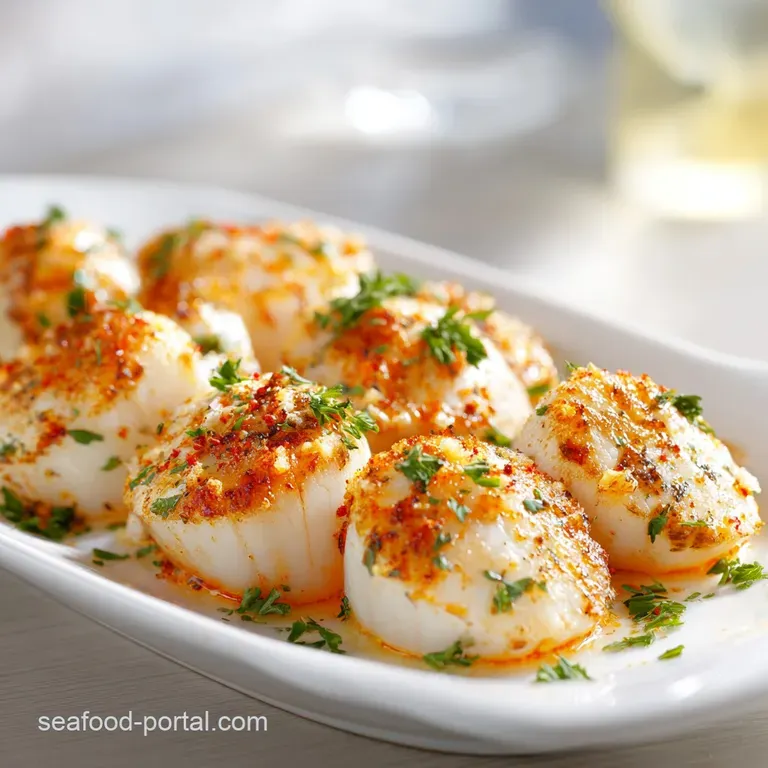
- Prep the scallops. Rinse the 1.5 lbs sea scallops under cold water and remove the tough side muscle if present. Note: The muscle is a small, rectangular flap of skin on the side.
- Dry thoroughly. Lay the scallops on a double layer of paper towels and pat the tops and bottoms until completely bone dry to the touch.
- Preheat the oven. Set your oven to 400°F (200°C). Note: A hot oven is crucial for browning the topping before the middle overcooks.
- Create the butter bath. In a small bowl, whisk together 6 tbsp melted butter, 2 tbsp white wine, 1 tbsp lemon juice, and 3 cloves minced garlic.
- Season the base. Arrange the scallops in a single layer in a baking dish and sprinkle with 1/2 tsp sea salt and 1/4 tsp cracked black pepper.
- Apply the liquid. Pour the butter and wine mixture over the scallops until they are sitting in a shallow pool.
- Mix the topping. In a separate bowl, combine 3/4 cup panko, 1/4 cup Parmesan, 1 tsp smoked paprika, 2 tbsp parsley, and the lemon zest.
- Crown the scallops. Spoon the panko mixture generously onto the top of each scallop, pressing slightly so it sticks.
- Bake to perfection. Slide into the oven for 12 minutes until the topping is golden brown and the scallops are opaque.
- Rest and serve. Let the dish sit for 2 minutes so the juices redistribute, then serve immediately with a final squeeze of fresh lemon.
Solving Common Scallop Cooking Problems
Even with a solid plan, seafood can be temperamental. Most issues come down to moisture and heat. If you've ever ended up with a pool of water at the bottom of your dish, you aren't alone it's usually a matter of the scallop type or the oven temperature.
Why Your Scallops Are Rubbery
If the scallops feel like a bouncy ball, they've spent too much time in the heat. This happens either because the oven was too cool (taking too long to brown the top) or they were left in the oven past the 12 minute mark.
Scallops continue to cook for a minute after you take them out, so pull them when they are just firm.
Why Your Topping Is Soggy
A soggy topping is usually caused by "wet" scallops that weren't dried properly. The excess water turns into steam, which travels upward and hydrates the panko from underneath. Another culprit is using too much lemon juice in the butter mixture stick to the 1 tbsp measurement to keep things balanced.
| Problem | Root Cause | Solution |
|---|---|---|
| Scallops are swimming in liquid | Used "wet packed" scallops or didn't pat dry | Use "dry packed" and double dry with paper towels next time. |
| Panko is burnt but scallop is raw | Oven rack was too high or heat too intense | Move the rack to the center and check at 10 minutes. |
| Topping won't stick to the top | Scallops were too dry or crust was too crumbly | Press the panko firmly; ensure it's moistened with the paprika/zest. |
Common Mistakes Checklist
- ✓ Skipping the "side muscle" removal (it stays tough and chewy).
- ✓ Overcrowding the dish (this causes them to steam rather than bake).
- ✓ Using pre minced garlic from a jar (it tastes bitter when baked at high heat).
- ✓ Forgetting to preheat the oven (the slow climb in temp will toughen the seafood).
- ✓ Using low-fat "butter" spreads (these have too much water and won't crisp).
Flavor Variations and Dietary Tweaks
If you want to change things up, this recipe is incredibly forgiving. I sometimes add a teaspoon of Dijon mustard to the butter mixture for a little extra tang it's a technique I picked up from a Sourdough Grilled Cheese recipe where mustard was the secret ingredient to balance the fat.
Infusing Deep Smokiness
If the smoked paprika isn't enough, you can finely mince a single strip of cooked bacon and mix it into the panko. The salty, smoky fat from the bacon renders into the panko as it bakes, creating a "Surf and Turf" vibe that is absolutely addictive.
Just make sure the bacon is already crispy before it goes into the topping.
Swapping for Dietary Needs
For a gluten-free version, swap the panko for crushed pork rinds or a gluten-free breadcrumb brand. If you need to go dairy-free, use a high-quality vegan butter stick and nutritional yeast instead of the Parmesan. The nutritional yeast provides that "funky" savory note that makes the topping feel complete.
Scaling This Recipe For Groups
- Scaling DOWN (1-2 People): Use a smaller baking dish (like a loaf pan) to keep the butter concentrated around the scallops. You can easily halve all ingredients. If using half an egg (not in this recipe, but common in others), beat it first and then measure.
- Scaling UP (8-10 People): Work in two separate baking dishes rather than one giant one. If you crowd a single large tray, the scallops in the center will stay cold while the edges overcook. Increase the salt and spices by only 1.5x to avoid over seasoning.
- Baking for a Crowd: When doubling, keep the oven temp at 400°F (200°C) but be prepared for the cook time to increase by 2-3 minutes as the oven works harder to recover heat after you open the door.
Three Truths About Baked Scallops
One myth is that you must sear scallops in a pan first to get flavor. That’s simply not true for a baked dish. The "golden" flavor comes from the Parmesan and panko browning in the garlic butter, which creates plenty of savory depth without the stress of a over high heat sear.
Another misconception is that frozen scallops are always inferior. While fresh is great, "IQF" (Individually Quick Frozen) scallops are often frozen right on the boat, making them fresher than "fresh" scallops that have been sitting in a display case for three days. Just thaw them slowly in the fridge overnight.
Finally, don't believe that you need a lot of salt. Scallops are naturally salty because they live in the ocean. The 1/2 tsp sea salt in the recipe is just enough to enhance the sweetness without overwhelming the delicate flavor of the seafood.
Safe Storage and Zero Waste
Storage: These are best eaten immediately, but you can store leftovers in an airtight container in the fridge for up to 2 days. To reheat, don't use the microwave (it will turn them into rubber).
Instead, put them in a 350°F (180°C) oven for 5-7 minutes until just warmed through.
Zero Waste: If you have leftover garlic butter and panko in the bottom of the pan, don't toss it! It's basically liquid gold. Toss it with some angel hair pasta or use it as a dip for crusty bread.
If you have extra parsley stems or lemon halves, throw them into a bag in the freezer to make seafood stock later.
Serving Suggestions and Side Dishes
I always serve these with something that can soak up that extra garlic butter. A side of The Twice Baked recipe is my absolute favorite pairing because the creaminess of the potato complements the richness of the scallop perfectly. If you want something lighter, a simple arugula salad with a sharp vinaigrette provides a nice peppery contrast.
For a classic coastal feel, serve them over a bed of jasmine rice or with a side of steamed asparagus. The green of the vegetables makes the golden brown crust of the scallops really pop on the plate.
No matter what you choose, make sure you have extra lemon wedges on the table that final hit of acid right before eating is what makes the whole dish sing.
Recipe FAQs
What are the common mistakes in baking scallops?
Overcrowding the dish or using wet scallops. Overcrowding causes steaming instead of baking, leading to a soggy bottom, while failing to pat the scallops dry releases moisture that softens the panko crust.
What is the best way to bake scallops?
Bake at a high heat (400°F/200°C) in a single layer. A hot oven ensures the panko topping browns quickly, creating texture before the delicate protein inside has time to toughen up.
What is the secret to cooking scallops perfectly?
Controlling surface moisture and using a protective topping. Patting the scallops completely dry is crucial, and the buttered panko crust acts as an insulating shield that browns beautifully.
How to get a golden crust on scallops?
Combine panko, Parmesan, and smoked paprika in the topping. The Parmesan contains proteins that accelerate the Maillard reaction, which, combined with the paprika’s color, ensures a deep, appetizing golden hue.
Why do my baked scallops taste rubbery?
They have been subjected to excessive heat exposure or time. Scallops cook very quickly; pull them out when they are just opaque and let them rest for 2 minutes so carryover cooking finishes the process gently.
Is it true I must sear scallops before baking for flavor?
No, this is an unnecessary step for this recipe. The golden color and deep flavor come entirely from the toasted Parmesan and panko crust baking in the seasoned butter, not from a pre-sear.
Can I substitute the wine in the butter mixture?
Yes, substitute the wine with extra lemon juice diluted with a splash of broth. The primary role of the wine is acidity to cut the fat, so mimicking that brightness achieves a similar flavor balance.
Golden Baked Scallops Recipe
Ingredients:
Instructions:
Nutrition Facts:
| Calories | 377 kcal |
|---|---|
| Protein | 33 g |
| Fat | 20 g |
| Carbs | 13 g |
| Fiber | 1 g |
| Sugar | 1 g |
| Sodium | 485 mg |
