Steak and Shrimp Recipe with Garlic Butter
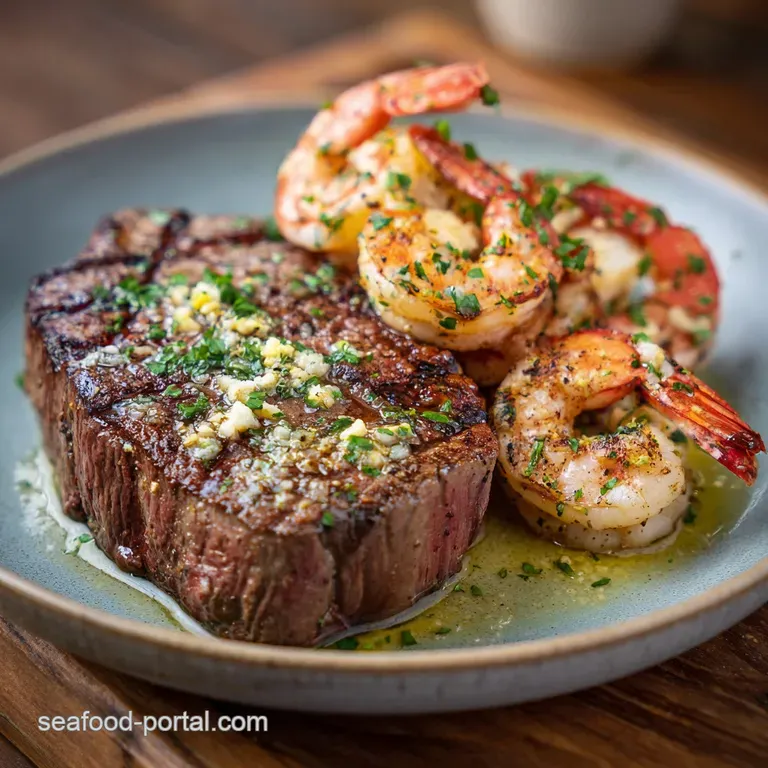
- Time: Active 10 mins, Passive 10 mins, Total 20 mins
- Flavor/Texture Hook: Crusty seared beef and snappy shrimp
- Perfect for: Date night or a high protein weeknight win
- Best Steak and Shrimp Recipe with Garlic
- Why This Technique Works
- Component Analysis
- Essential Elements and Substitutions
- Detailed Cooking Steps
- Common Mistakes & Troubleshooting
- Adapting for Different Crowds
- Culinary Legends Debunked
- How to Store and Keep Fresh
- How to Serve and Enjoy
- Very High in Sodium
- Recipe FAQs
- 📝 Recipe Card
Best Steak and Shrimp Recipe with Garlic
I used to think "Surf and Turf" was strictly reserved for white tablecloth spots where the waiters wear vests and the menus don't have prices. Then I realized the secret: it’s just about timing and a really hot pan.
This Steak and Shrimp Recipe with Garlic Butter promises a restaurant worthy meal you can easily make at home without the stiff collar or the massive bill.
The first time I tried this, I crowded the pan so much the steak basically boiled in its own juices. It was grey, sad, and looked nothing like the glossy photos I’d seen. I learned the hard way that space and heat are your best friends.
Now, when that 12 oz Top Sirloin hits the avocado oil, the sizzle is so loud you can’t hear the TV, and that’s exactly how you know you’re doing it right.
We are going for a specific contrast here: a deeply browned, salty crust on the beef and a velvety, garlic slicked finish on the shrimp. It's about building layers of flavor in one single skillet so the shrimp pick up all those browned bits the steak leaves behind.
Trust me, once you see that butter foam up and smell the fresh garlic hitting the heat, you’ll never want to eat this anywhere else.
Why This Technique Works
- Maillard Mastery: over High heat avocado oil creates a dark, flavorful crust through a chemical reaction between amino acids and reducing sugars.
- Carryover Precision: Pulling the steak at 130°F allows internal heat to finish the cook during the rest, ensuring a juicy center.
- Cold Butter Emulsion: Using chilled butter cubes at the end prevents the sauce from "breaking" into a greasy mess, keeping it thick and creamy.
- Protein Timing: Searing the shrimp separately prevents them from overcooking into rubbery rings while the steak rests.
| Steak Thickness | Target Internal Temp | Rest Time | Visual Finish |
|---|---|---|---|
| 1 inch | 130°F (Med Rare) | 5 minutes | Warm red center |
| 1.5 inches | 135°F (Medium) | 8 minutes | Warm pink center |
| 2 inches | 145°F (Med Well) | 10 minutes | Slightly pink center |
Getting the timing right is the difference between a tender bite and something that feels like chewing a sneaker. If you're looking for a different vibe, you might enjoy a Shrimp with Garlic Sauce recipe for a lighter, more saucy experience.
Component Analysis
| Ingredient | Science Role | Pro Secret |
|---|---|---|
| Top Sirloin | Lean muscle fiber | Salt it 45 mins early to dry brine the surface. |
| Avocado Oil | High smoke point | Won't burn or turn bitter at the high temps needed for a sear. |
| Fresh Garlic | Aromatic sulfur | Mince it fresh; jarred garlic lacks the sharp bite we need here. |
| Lemon Juice | Acid catalyst | Cuts through the heavy fat of the butter and beef. |
Adding that splash of lemon at the very end acts like a "volume knob" for all the other flavors. Without it, the dish feels heavy; with it, every bite of the 0.5 lb large shrimp pops against the rich steak.
Essential Elements and Substitutions
- 12 oz Top Sirloin steak: Use a 1.5 inch thick cut. Why this? Sirloin offers the best balance of beefy flavor and lean texture for searing.
- Substitute: Ribeye (higher fat) or Filet Mignon (more tender).
- 0.5 lb large shrimp: Peeled and deveined. Why this? Large shrimp stay juicy longer than small ones in a hot pan.
- Substitute: Scallops for a sweeter, more delicate surf and turf.
- 2 tbsp unsalted grass fed butter: Chilled and cubed. Why this? Grass fed butter has a higher beta carotene content and richer flavor.
- Substitute: Ghee for a nuttier, dairy-free alternative with a high smoke point.
- 4 cloves fresh garlic: Minced.
- Substitute: 1 tsp garlic powder (though it won't have the same punch).
- 1 tbsp avocado oil: For the initial sear.
- Substitute: Grapeseed oil or any oil with a smoke point above 400°F.
- 1 tsp kosher salt: Use coarse grains.
- 0.5 tsp freshly cracked black pepper: For heat.
- 1 tbsp fresh parsley: Finely chopped.
- 1 tbsp fresh lemon juice: For brightness.
- 0.25 tsp red pepper flakes: For a subtle background hum.
Detailed Cooking Steps
- Prep the beef. Pat the 12 oz Top Sirloin completely dry with paper towels. Note: Moisture is the enemy of a good sear; wet meat steams instead of browning.
- Season heavily. Rub the steak with the 1 tbsp avocado oil, then coat all sides with the 1 tsp kosher salt and 0.5 tsp black pepper.
- Heat the skillet. Place a heavy cast iron pan over high heat until you see thin wisps of smoke.
- Sear the steak. Lay the steak in the pan (away from you!) and cook for 4-5 minutes per side until a dark, mahogany crust forms.
- Rest the meat. Remove the steak to a warm plate. Note: This allows the fibers to relax and reabsorb their juices.
- Sauté the shrimp. In the same pan, toss in the 0.5 lb large shrimp. Cook for 1-2 minutes per side until they turn opaque and pink.
- Build the sauce. Lower the heat to medium light. Toss in the 4 cloves minced garlic and 0.25 tsp red pepper flakes, stirring for 30 seconds until fragrant but not brown.
- Emulsify the butter. Add the 2 tbsp chilled butter cubes and 1 tbsp lemon juice. Swirl the pan until the butter melts into a glossy sauce.
- Finish with herbs. Toss the 1 tbsp fresh parsley into the sauce and give it one last stir.
- Combine and serve. Slice the steak against the grain and pile the shrimp on top, drizzling every drop of that garlic butter over the plate.
Common Mistakes & Troubleshooting
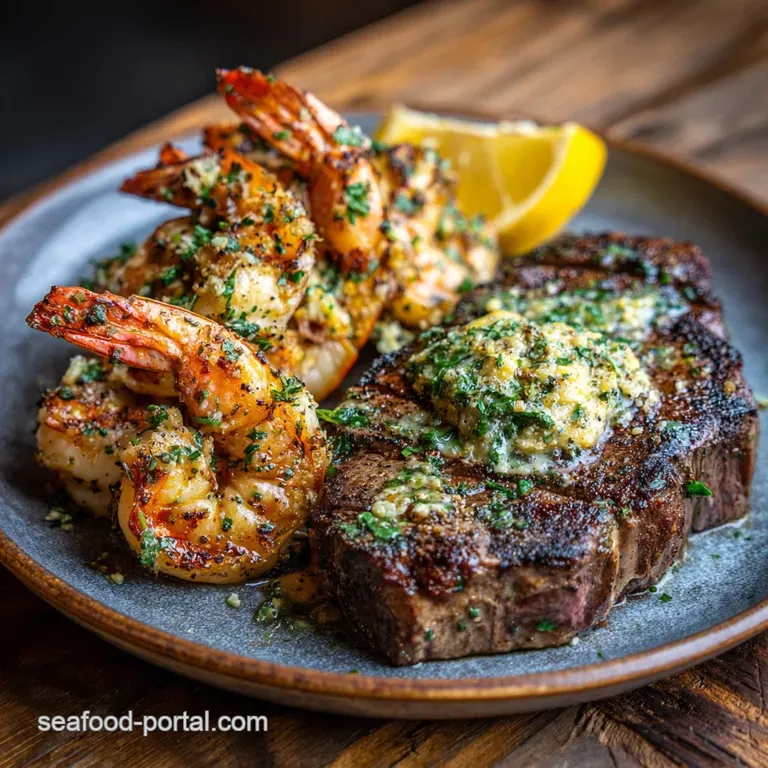
Why Your Steak is Grey
If the pan isn't screaming hot, the meat won't brown before the inside overcooks. You need that initial contact to trigger the Maillard reaction. If you see liquid pooling in the pan, your heat is too low or your steak was too wet.
Why Your Shrimp is Tough
Shrimp cook in a heartbeat. If they look like a tight "O" shape, they're overdone. You want them in a loose "C" shape. Always pull them off the heat the second they lose their translucency. For a more sauce heavy version, you can try my Creamy Garlic Shrimp recipe.
| Problem | Root Cause | Solution |
|---|---|---|
| Burnt Garlic | Heat too high when adding | Turn off the flame before adding garlic to the pan. |
| Greasy Sauce | Butter melted too fast | Use chilled butter and whisk constantly to create an emulsion. |
| Rubbery Shrimp | Cooked with the steak | Always cook the shrimp separately after the steak is done. |
Chef's Tip: To get that professional "basted" flavor, tilt the pan while the butter is melting and spoon it repeatedly over the shrimp.
Common Mistakes Checklist:
- ✓ Pat the steak bone dry with paper towels (moisture prevents the crust).
- ✓ Let the steak sit at room temperature for 20 minutes before cooking.
- ✓ Use a heavy bottomed pan like cast iron for better heat retention.
- ✓ Don't move the steak once it hits the pan; let the crust develop.
- ✓ Rest the meat for at least 5 minutes before slicing.
Adapting for Different Crowds
If you are cooking for one, this recipe is incredibly easy to cut in half. Just use a smaller 8 inch skillet so the butter doesn't spread too thin and burn. For the steak, you can still use a thick cut but just buy a smaller weight.
When doubling the recipe for 4 people, don't try to fit two large steaks and a pound of shrimp in one pan. Work in batches. Sear the steaks first, set them aside to rest, and then do the shrimp. If you try to do it all at once, the pan temperature will drop, and you'll end up with steamed meat instead of a crispy sear.
Culinary Legends Debunked
One of the biggest myths in the kitchen is that searing "seals in the juices." Science tells us this isn't true moisture is lost whether you sear or not. The real reason we sear is for the Maillard reaction, which creates hundreds of new flavor compounds that give the steak its "meaty" punch.
Another common misconception is that you should only flip a steak once. Actually, flipping every minute or so can help the steak cook more evenly and faster, though you might lose out on that thick, singular crust.
For this specific recipe, I prefer the "set it and forget it" method for 4 minutes to get that deep, restaurant style char.
| Cook Method | Time | Texture | Best For |
|---|---|---|---|
| Stovetop | 10 mins | Maximum crust | Quick weeknight luxury |
| Oven Finish | 15 mins | Even edge to edge | Extra thick steaks (2"+) |
| Reverse Sear | 45 mins | Most tender | Thick cuts where precision is key |
How to Store and Keep Fresh
Storage: You can keep leftovers in an airtight container in the fridge for up to 3 days. However, the shrimp will naturally get a bit firmer the longer they sit.
Freezing: I don't recommend freezing this once it's cooked. The texture of the garlic butter sauce will break upon thawing, and the shrimp will turn mushy. It’s definitely a "make and eat" kind of meal.
Reheating: This is the tricky part. To avoid rubbery shrimp, remove them from the container and heat the steak slowly in a pan with a splash of water or beef broth. Add the shrimp at the very last second just to warm them through.
Zero Waste Tip: If you have leftover garlic butter in the pan, don't wash it away! Toss in some pre cooked pasta or a handful of spinach to soak up all those beefy, garlicky juices for a quick side dish the next day.
How to Serve and Enjoy
This dish is heavy and rich, so I usually pair it with something bright or starchy. A pile of mashed potatoes is the classic choice to soak up the garlic butter, but a simple arugula salad with a lemon vinaigrette provides a nice peppery contrast. If you're feeling fancy, a Shrimp and Crab recipe can serve as a great secondary inspiration for a seafood heavy dinner party.
I love serving this right in the cast iron skillet if it’s just me and a friend. It keeps everything hot and looks rustic and intentional. Just make sure to warn everyone that the pan is "surface of the sun" hot.
Top it with an extra sprinkle of fresh parsley and a few more cracks of black pepper right before it hits the table for that final pop of color and heat.
Very High in Sodium
1185 mg mg of sodium per serving (52% of daily value)
The American Heart Association recommends limiting sodium intake to about 2,300mg per day for optimal health.
Sodium Reduction Tips for Your Steak and Shrimp Recipe
-
Reduce Salt-25%
Eliminate the 1 tsp of kosher salt entirely. The other ingredients offer plenty of flavor without added sodium. You can always add a tiny pinch at the end to your liking. Taste first!
-
Enhance with Lemon-15%
Increase the fresh lemon juice from 1 tbsp to 2 tbsp. The acidity enhances the existing flavors, potentially reducing the desire for salt. Fresh lemon is a great sodium free flavor booster! 🍋
-
Spice it Up!-10%
Increase the red pepper flakes to 0.5 tsp (or more to your liking). The added heat can help mask the need for salt. 🌶️
-
Herb Power
Double the amount of fresh parsley from 1 tbsp to 2 tbsp. The fresh, vibrant flavor of parsley can help compensate for reduced salt. 🌿
Recipe FAQs
What is the secret to getting a deep brown crust on the steak?
Use high heat and ensure the steak is completely dry. Moisture steams the meat, preventing the Maillard reaction; patting the steak dry with paper towels is essential before searing in hot avocado oil.
How long should I cook the shrimp to avoid them becoming rubbery?
Cook the shrimp for 1 to 2 minutes per side maximum. Shrimp cook incredibly fast; pull them off the heat the second they turn opaque and are shaped like a loose "C".
When should I add the garlic to the pan during this recipe?
Add the minced garlic after the steak is removed and the heat is lowered to medium low. Sauté it for only about 30 seconds until fragrant, ensuring it does not brown or burn.
How can I make the final garlic butter sauce thick and glossy instead of oily?
Use chilled, cubed butter added off the heat and swirl constantly. This technique helps the fat and liquid emulsify properly, creating a stable sauce that clings nicely; if you enjoyed mastering this emulsion, see how the same principle works in our Garlic Butter Cream recipe.
Is it true that searing the steak seals in the juices?
No, this is a common misconception. Searing is done purely for flavor development through the Maillard reaction, not moisture retention, which is why resting the steak afterwards is critical for juiciness.
What is the best internal temperature to pull the steak for medium rare?
Pull the steak from the heat at 130°F (54°C). Carryover cooking will raise the internal temperature about 5 degrees while it rests, resulting in a perfect warm red center.
What is a good side dish to balance the richness of this garlic butter meal?
Serve with something acidic or starchy to cut the richness. A simple arugula salad with lemon or something absorbent like mashed potatoes works perfectly; these pair well with other rich sauces, like in The Homemade Hamburger recipe.
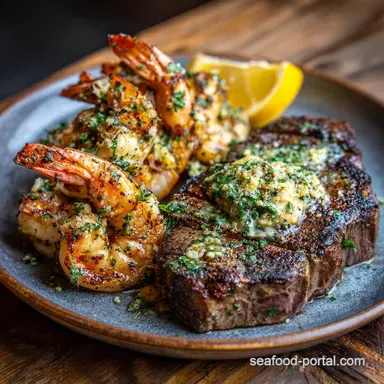
Garlic Steak Shrimp Recipe
Ingredients:
Instructions:
Nutrition Facts:
| Calories | 478 kcal |
|---|---|
| Protein | 56.4 g |
| Fat | 26.8 g |
| Carbs | 2.4 g |
| Fiber | 0.4 g |
| Sugar | 0.3 g |
| Sodium | 1185 mg |
