Frozen Shrimp Recipe with Garlic and Butter: Velvety Sauce
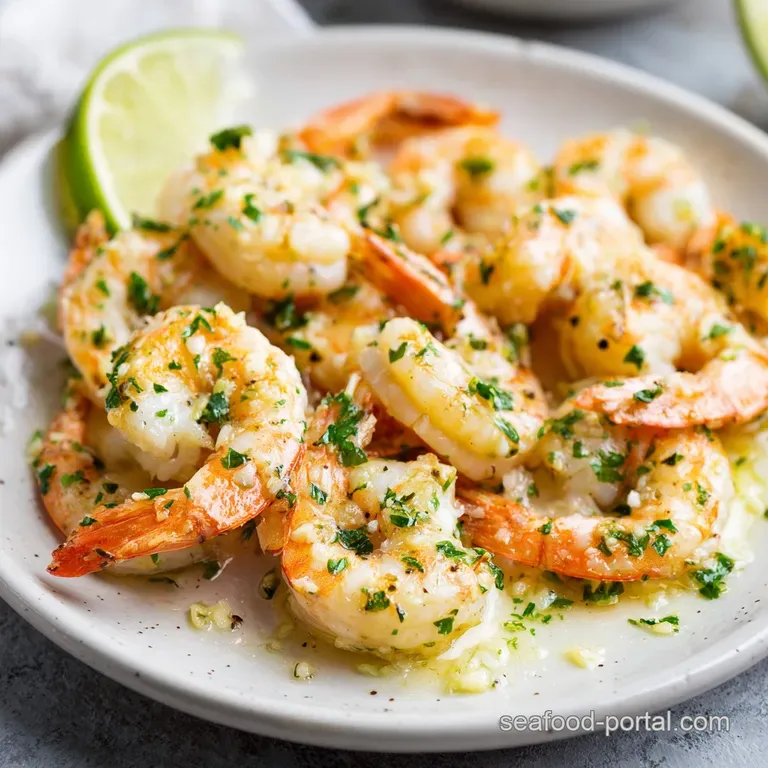
- Time: Active 5 mins, Passive 5 mins, Total 10 mins
- Flavor/Texture Hook: Velvety butter sauce with a sharp citrus finish and snappy shrimp
- Perfect for: Busy weeknights when you forgot to plan ahead
- The Best Quick Frozen Shrimp Recipe with Garlic and Butter
- Why This Fast Seafood Sizzle Method Actually Succeeds
- Selecting Quality Elements for a Better Butter Sauce
- Essential Kitchen Gear for Perfect Seafood Searing
- Step by Step Execution for Five Minute Shrimp
- Pro Techniques for Avoiding Common Kitchen Disasters
- Creative Ways to Customize Your Garlic Butter Dish
- Safe Storage and Reheating Tips for Seafood Leftovers
- Delicious Sides to Serve with Your Garlic Shrimp
- Recipe FAQs
- 📝 Recipe Card
The Best Quick Frozen Shrimp Recipe with Garlic and Butter
That sound of a rock solid bag of shrimp hitting the granite counter used to be the sound of failure for me. I’d stand there at 6:00 PM, stomach growling, realizing I’d forgotten to pull anything out of the freezer.
For years, I thought my only options were a watery "quick thaw" in a bowl of ice or giving up and ordering takeout. But after enough rubbery mistakes and bland dinners, I realized that this frozen shrimp recipe with garlic and butter actually works better when you embrace the cold.
This frozen shrimp recipe with garlic and butter delivers a restaurant worthy dish in minutes. It isn't just a backup plan; it’s a deliberate technique that uses the moisture from the frozen shellfish to help build a luscious, emulsified sauce.
You get that incredible sizzle the second they hit the pan, followed by the pungent, sweet aroma of toasted garlic that fills the whole kitchen. It’s the kind of meal that makes you feel like a pro even when you're cooking in your pajamas.
We’ve all been there, staring at a bag of "large" shrimp wondering if they'll just shrink into nothing. Trust me, if you follow these specific temperature cues, they stay plump and juicy. We are going to focus on high heat, lots of fat, and a splash of acid to cut through the richness.
By the time the wine hits the hot skillet and that steam rises, you'll know exactly why this is my go to "emergency" dinner.
Why This Fast Seafood Sizzle Method Actually Succeeds
- Thermal Momentum: Starting with cold shrimp prevents the center from overcooking while the exterior develops a light sear.
- Emulsion Stability: The small amount of ice crystals on the shrimp helps "tighten" the butter sauce, preventing it from breaking into a greasy mess.
- Aromatic Infusion: Sautéing the garlic in olive oil before adding butter ensures the flavor permeates the fat without the milk solids burning too quickly.
- Carryover Precision: Pulling the pan off the heat while the shrimp are still slightly "tight" ensures they finish cooking in the residual warmth of the sauce.
| Feature | Fresh Shrimp | Frozen Shrimp (Shortcut) |
|---|---|---|
| Prep Time | 20 mins (peeling) | 0 mins (pre prepped) |
| Texture | Snap like | Tender if flash cooked |
| Convenience | Low | High (always in freezer) |
This comparison shows that while fresh is great for special occasions, the frozen shortcut is a weeknight hero. The ice glaze on frozen bags actually acts as a protective barrier against freezer burn, often making them "fresher" than the "fresh" shrimp that have been sitting in a display case for three days.
The Physics of the Flash Sear
The rapid evaporation of surface moisture creates a pressurized steam environment within each shrimp. This ensures the protein strands don't tighten too aggressively, keeping the texture velvety rather than rubbery.
| Thickness | Internal Temp | Rest Time | Visual Cue |
|---|---|---|---|
| Large (31/40) | 63°C (145°F) | 2 mins | Opaque and C shaped |
| Jumbo (21/25) | 63°C (145°F) | 3 mins | Pink edges, white center |
| Colossal (16/20) | 63°C (145°F) | 3 mins | Firm to the touch |
Selecting Quality Elements for a Better Butter Sauce
| Ingredient | Science Role | Pro Secret |
|---|---|---|
| Unsalted Butter | Fat & Emulsion | Add half at the start and half at the end for a glossier finish. |
| Garlic Cloves | Aromatic Base | Slicing vs. mincing changes intensity; mincing releases more pungent allicin. |
| White Wine | Deglazing Acid | Use a dry crisp wine like Pinot Grigio to lift the heavy fat profile. |
| Red Pepper Flakes | Heat Balance | Toast them in the oil first to distribute spice evenly throughout the dish. |
Finding the right balance of fat and acid is the secret to making this frozen shrimp recipe with garlic and butter taste like it came from a high end bistro. I always keep a bag of large, peeled, and deveined shrimp in the back of the freezer specifically the ones that are individually quick frozen (IQF).
It makes a world of difference because you can grab exactly what you need without thawing the whole block.
For the base of this dish, you'll need 1 lb large frozen shrimp, peeled and deveined. Don't worry about the tails; they add flavor, but you can remove them if you prefer. You'll also need 1 tbsp extra virgin olive oil and 4 tbsp unsalted butter, divided.
Using unsalted butter is key because it lets you control the seasoning with the 0.5 tsp sea salt required.
The aromatics are where the magic happens. We’re using 6 cloves garlic, minced, and 0.25 tsp red pepper flakes for a subtle hum of heat. To brighten everything up, keep 2 tbsp fresh lemon juice and 0.25 cup fresh parsley, finely chopped, ready to go. Finally, 0.25 cup dry white wine or chicken broth will be our deglazing liquid to scrape up all those delicious brown bits. If you're looking for a slightly different vibe, you might also enjoy a Classic Shrimp Scampi recipe which uses similar ingredients but a different pasta heavy ratio.
Substitution Table:
| Original Ingredient | Substitute | Why It Works |
|---|---|---|
| Dry White Wine | Chicken Broth | Provides depth without the acidity of alcohol. |
| Unsalted Butter | Ghee | Higher smoke point but still offers that nutty, rich flavor. |
| Fresh Parsley | Dried Oregano | Shifts the flavor to a more Mediterranean, earthy profile. |
| Sea Salt | Himalayan Pink Salt | Similar salinity with slightly more trace minerals. |
If you decide to swap the wine for broth, I usually add an extra squeeze of lemon at the end. The wine provides a specific type of tartness that the broth lacks, so that extra citrus helps bridge the gap.
Essential Kitchen Gear for Perfect Seafood Searing
You don't need a pantry full of gadgets, but a heavy bottomed skillet is non negotiable here. A 12 inch cast iron or heavy stainless steel pan (like an All Clad) works best because it holds heat well.
When you drop cold shrimp into a thin, cheap pan, the temperature plummets, and instead of searing, the shrimp just sit there and boil in their own juices. That's how you get that gray, sad texture we're trying to avoid.
You'll also want a sturdy silicone spatula or stainless steel tongs. Since we’re working with high heat, plastic tools might melt or fail to scrape the "fond" (the brown bits) off the bottom of the pan.
A microplane is also my favorite "hidden" tool for this recipe; it makes mincing those 6 cloves of garlic a thirty second job rather than a five minute chore.
Chef's Tip: Freeze your butter for 10 minutes before starting. When you whisk the cold butter into the hot sauce at the very end, it creates a much more stable emulsion that won't separate on the plate.
step-by-step Execution for Five Minute Shrimp
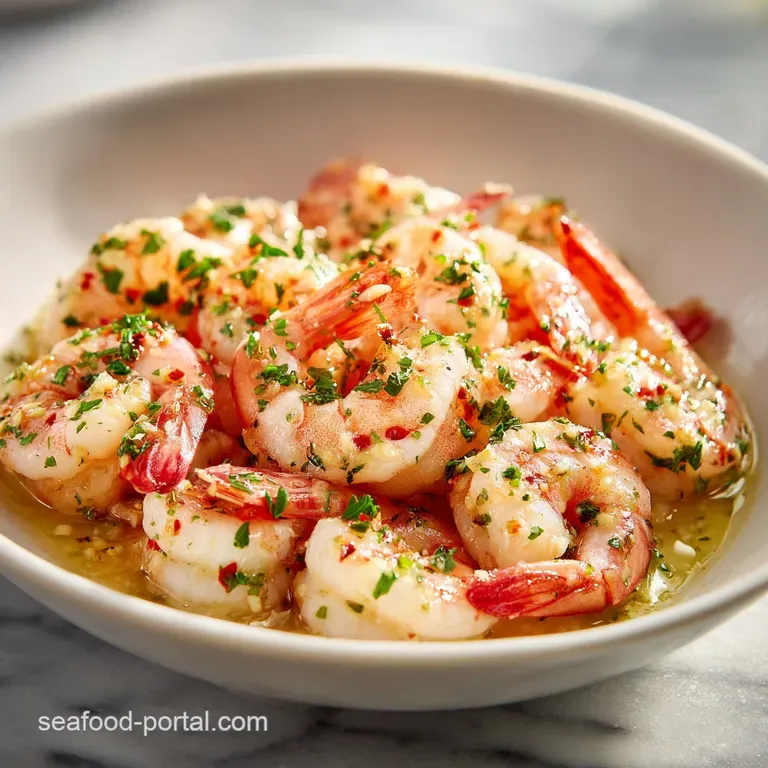
- Prep the surface. Rinse the 1 lb large frozen shrimp under cold water for 60 seconds just to remove any surface ice crystals. Note: This prevents the oil from splattering too violently when they hit the pan.
- Heat the oil. Add 1 tbsp extra virgin olive oil to your skillet over medium high heat. Cook until the oil shimmers and a tiny drop of water sizzles instantly.
- Infuse the aromatics. Toss in the 0.25 tsp red pepper flakes and 2 tbsp of the unsalted butter. Wait until the butter foams and smells nutty.
- Sear the shrimp. Add the shrimp in a single layer. Cook for 2 minutes without moving them until the edges turn pink.
- Flip and garlic. Turn the shrimp over and scatter the 6 cloves of minced garlic into the gaps. Note: Adding garlic now prevents it from burning during the initial over high heat sear.
- Deglaze the pan. Pour in the 0.25 cup dry white wine or chicken broth. Sizzle until the liquid reduces by half and the sharp alcohol scent vanishes.
- Emulsify the sauce. Add the remaining 2 tbsp unsalted butter and 2 tbsp fresh lemon juice. Whisk the pan constantly until the sauce looks velvety and thick.
- Season. Sprinkle the 0.5 tsp sea salt over the shrimp. Smell for the bright, zesty aroma of lemon and toasted garlic.
- Finish. Toss in the 0.25 cup fresh parsley. Cook for 30 seconds until the shrimp are opaque and curled into a "C" shape.
- Rest and serve. Remove from heat immediately. Note: The residual heat will finish any slightly translucent centers in about 60 seconds.
As you're cooking, pay attention to the smell of the garlic. It should go from sharp and pungent to sweet and "toasty." If it starts smelling bitter or looks dark brown, pull the pan off the heat immediately and add a splash of water to stop the cooking. This is a common hurdle when making a Creamy Garlic Shrimp recipe, where the garlic needs to be perfectly softened but never scorched.
Pro Techniques for Avoiding Common Kitchen Disasters
Why Your Shrimp Tastes Rubbery
The most common heartbreak with this dish is overcooking. Shrimp are tiny, and they cook in a flash. If they curl into a tight "O" shape, they're overdone. You're looking for a relaxed "C" shape.
The heat from the butter sauce is intense, so don't be afraid to kill the flame when they still look a tiny bit underdone in the very center.
Why Your Sauce is Watery
If you find a pool of liquid at the bottom of your pan that doesn't look like sauce, it’s usually because the pan wasn't hot enough or the shrimp weren't drained well. The liquid should be thick enough to coat the back of a spoon.
If it's too thin, remove the shrimp and boil the liquid for an extra minute before whisking in that final tablespoon of cold butter.
Troubleshooting Table:
| Problem | Root Cause | Solution |
|---|---|---|
| Burnt Garlic | Heat was too high or garlic added too early | Add garlic only after the first flip and reduce heat slightly. |
| Toughened Shrimp | Cooked past 63°C (145°F) | Pull from heat when they are just turning opaque; they finish while resting. |
| Broken Sauce | Butter added too fast to a boiling liquid | Remove pan from heat before whisking in the final cold butter chunks. |
Common Mistakes Checklist:
- ✓ Pat the shrimp dry with a paper towel after the quick rinse to ensure a better sear.
- ✓ Never crowd the pan; if the shrimp are overlapping, they will steam instead of fry.
- ✓ Use a dry wine; sweet wines like Riesling will make the sauce cloying.
- ✓ Don't skip the parsley; the fresh herb cuts through the heavy fat of the butter.
- ✓ Use fresh lemon juice; the bottled stuff has a metallic aftertaste that ruins the delicate seafood.
Creative Ways to Customize Your Garlic Butter Dish
If you're looking for a heartier meal, you can easily turn this into Garlic Butter Shrimp and Rice. Simply double the sauce components (butter, wine, lemon, and garlic) and pour the whole pan over a bed of fluffy jasmine rice. The grains soak up the garlic butter, making every bite incredibly rich.
For a Healthy Frozen Garlic Butter Shrimp version, swap half the butter for more olive oil and serve it over zoodles or steamed asparagus. It keeps the flavor profile but drops the saturated fat.
For those who want a "Costco" style bulk prep, you can multiply this recipe by three and cook it in batches. Never try to cook 3 lbs of shrimp in one skillet at once, or you'll end up with a soggy mess. I’ve tried it, and it's a mistake you only make once.
Cook them in 1 lb batches, set the finished shrimp aside in a warm bowl, and then make one giant batch of sauce at the end to toss everything back together.
Scaling for Different Groups
When scaling DOWN (½ or ¼), use a smaller skillet to prevent the sauce from evaporating too quickly. Reduce the wine reduction time by about 30%. When scaling UP (2x-4x), keep the spices and salt to about 1.5x the original amount and adjust to taste at the end.
Over salting is much easier to do in large batches than in small ones.
Safe Storage and Reheating Tips for Seafood Leftovers
Shrimp are best eaten immediately, but you can store leftovers in an airtight container in the fridge for up to 2 days. I don't recommend freezing the cooked dish, as the texture of the shrimp becomes "mealy" once reheated from a second freeze.
For zero waste, if you have leftover sauce but no shrimp, use it to sauté some spinach or drizzle it over a piece of crusty bread the next day.
To reheat, avoid the microwave at all costs. It will turn your beautiful shrimp into rubber balls in seconds. Instead, put them back in a skillet over low heat with a tiny splash of water or broth. Cover the pan for 2 minutes just until they are warmed through.
This gently steams them back to life without toughening the proteins.
Delicious Sides to Serve with Your Garlic Shrimp
The question of what to serve with Garlic Butter Shrimp usually comes down to what can best soak up that sauce. A crusty baguette is the classic choice, but I also love serving this over a bed of angel hair pasta. The thin noodles grab onto the garlic bits and parsley perfectly.
If you want something lower carb, a simple roasted cauliflower with a hint of lemon zest mirrors the flavors of the shrimp beautifully.
- If you want a crunchier texture, toss the shrimp in a tablespoon of cornstarch before searing.
- If you want a creamier sauce, add 2 tablespoons of heavy cream right before the final butter whisk.
- If you want an earthy vibe, add a teaspoon of smoked paprika when you add the garlic.
This recipe is also a fantastic component for a larger spread. It pairs surprisingly well with other shellfish. In fact, if you're planning a bigger seafood night, you might want to look into a Shrimp and Crab recipe to add some variety to the table. Whether it's a simple weeknight fix or part of a feast, this garlic butter method is a skill you'll use forever.
Myths About Cooking Frozen Seafood
A common misconception is that you must thaw shrimp completely before they touch a pan. In reality, "cooking from frozen" (with a quick surface rinse) often results in a more tender interior because the cold center protects the shrimp from the aggressive heat needed to get a good exterior color.
Another myth is that the "shrimp vein" is dangerous; while most prefer it removed for aesthetics, it's actually harmless. Buying them pre deveined is purely for convenience and a cleaner look in your final sauce.
Recipe FAQs
What's the best way to cook frozen shrimp?
Cook them directly from frozen using high heat and minimal moving. Starting frozen helps prevent the exterior from overcooking while the center warms through, resulting in a snappier texture.
How to make garlic butter shrimp recipe?
Sauté minced garlic and pepper flakes in olive oil and half the butter until fragrant, then add the frozen shrimp in a single layer. After searing one side, deglaze with white wine, then whisk in the remaining cold butter and lemon juice off the heat to create a stable emulsion.
Do I need to thaw out frozen shrimp before cooking?
No, fully thawing is generally unnecessary and can lead to mushy texture. A quick rinse under cold water removes surface ice, which is sufficient preparation for cooking them straight from the freezer in this high heat method.
How do you add flavor to frozen cooked shrimp?
Reheat them quickly in a flavorful sauce, focusing on high acid and fresh aromatics. The best method is to simmer them briefly in fresh lemon juice, butter, and garlic, applying the same rapid finishing technique used in our Shrimp Francese Recipe to re-infuse moisture.
Why did my shrimp turn out rubbery after cooking from frozen?
False. Rubbery texture is caused by overcooking, not by starting frozen. When the protein is exposed to high heat for too long, the muscle fibers tighten excessively; ensure you pull the shrimp off the heat when they are just beginning to turn opaque, aiming for a "C" shape.
What is the secret to a non-breaking garlic butter sauce?
The secret is temperature contrast and gradual emulsification. Always whisk the final portion of butter in off the heat, ensuring the liquid isn't boiling rapidly; this stable emulsion process is similar to what you master when creating a rich coating for dishes like the Shrimp Crab Pasta recipe.
Can I use broth instead of white wine when deglazing?
Yes, chicken broth works well as a substitute for white wine. While broth lacks the sharp acidity of wine, which helps cut the fat, you can compensate by adding an extra half teaspoon of fresh lemon juice at the very end of the cooking process.
Garlic Butter Frozen Shrimp
Ingredients:
Instructions:
Nutrition Facts:
| Calories | 264 kcal |
|---|---|
| Protein | 27.4 g |
| Fat | 15.1 g |
| Carbs | 2.8 g |
| Fiber | 0.4 g |
| Sugar | 0.6 g |
| Sodium | 495 mg |
