How to Make Fried Cod Fillets: Ultimate Crunch Guide
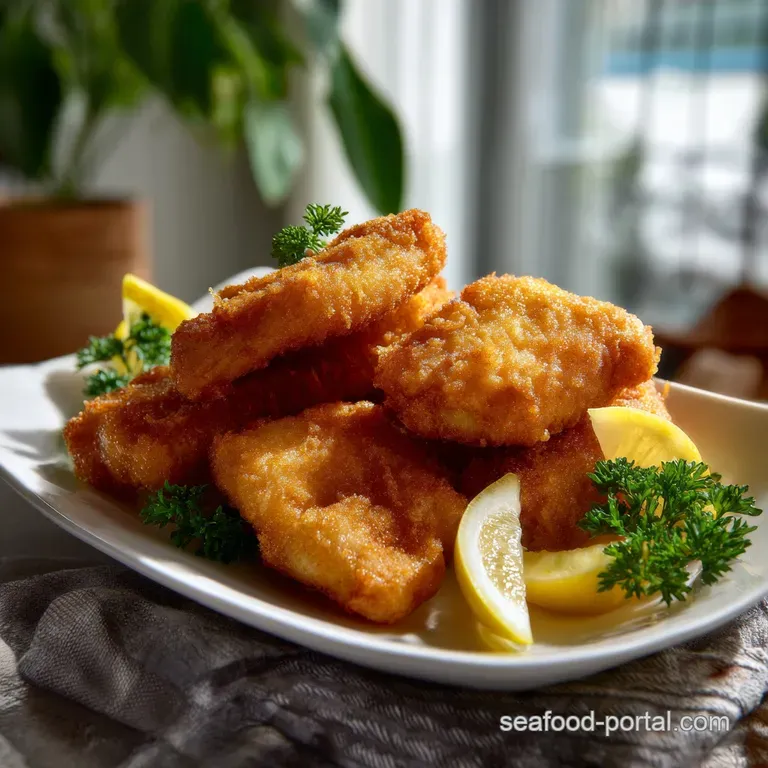
- Effort/Time: 25 minutes total
- Flavor Hook: Smoked paprika and garlic-infused golden-brown crunch
- Perfect for: Quick-turnaround weeknight dinners or classic weekend fish-frys
- The Ultimate Guide on How to Make Fried Cod Fillets
- Why This Crispy Alaskan Cod Recipe Works
- Essential Ingredients and Smart Substitutions
- Step-by-Step: How to Make Fried Cod Fillets
- Expert Tips and Common Mistakes to Avoid
- Storage, Reheating, and Freezing Instructions
- Best Serving Suggestions for a Classic Fish Fry
- Recipe FAQs
- 📝 Recipe Card
The Ultimate Guide on How to Make Fried Cod Fillets
Why You’ve Struggled Before
Nothing kills a Friday night faster than soggy, oil-logged fish that slides right out of its breading. We’ve all been there: the oil wasn't hot enough, the batter was too thick, or the fish wasn't dried properly, leading to a steamed, mushy mess instead of a crisp bite.
I spent months scrubbing burnt batter off my Lodge Cast Iron Skillet before I realized that How to Make Fried Cod Fillets is more about physics than it is about "luck."
The secret isn't a "secret sauce" it's managing moisture and heat with precision. When you drop cold, carbonated batter into 350°F oil, the gas expands instantly, creating a light, aerated structure that shatters when you bite into it.
Let's look at the science of why this method works so you can nail it every single time.
Why This Crispy Alaskan Cod Recipe Works
- Evaporative Cooling: The ice-cold sparkling water prevents the flour from over hydrating, keeping the gluten network relaxed for a tender, rather than chewy, crust.
- Carbonation Expansion: CO2 bubbles in the lager or sparkling water expand rapidly in the oil, creating a porous, aerated "foam" that solidifies into a crisp shell.
- Thermal Shock: The extreme temperature difference between the chilled batter and the 1 cup high smoke point vegetable oil ensures the crust sets before the fish overcooks.
- Starch Dilution: Mixing 0.5 cup cornstarch with flour lowers the protein content, preventing the batter from becoming heavy or bread like.
The Science Behind a Shatteringly Crisp Exterior
To understand How to Make Fried Cod Fillets, you have to understand the Maillard reaction. This is the chemical reaction between amino acids and reducing sugars that gives browned food its distinctive flavor.
When we fry at high heat, the moisture on the surface of the batter evaporates almost instantly. This creates a dry "zone" where the temperature can rise above the boiling point of water, triggering the Maillard reaction and creating that deep, nutty aroma.
Why Simple Dredging Beats Heavy Batter
Many recipes fail because the batter is too heavy, acting like an insulating blanket that steams the fish. By using a two-step process a dry dredge of 0.5 cup all-purpose flour followed by a thin, cold batter we create an anchor point.
The dry flour absorbs the surface moisture of the 1.5 lbs Alaskan Cod fillets, ensuring the wet batter clings tight instead of sliding off like a loose sweater.
Achieving Restaurant Quality Results at Home
Professional kitchens use high recovery fryers that keep oil temperatures stable. At home, using a heavy bottomed pan like a Lodge Cast Iron Skillet is your best bet. The cast iron holds massive amounts of thermal energy, so when you add your cod, the oil temperature doesn't plummet.
Maintaining that 350°F threshold is the difference between "greasy" and "golden."
Essential Ingredients and Smart Substitutions
Selecting the Best Alaskan Cod Fillets
We use 1.5 lbs Alaskan Cod fillets cut into 4 inch portions because they have the ideal thickness for frying. Cod is a lean, white fish with a large, delicate flake. If you can't find Alaskan Cod, you might enjoy the flavor profile in this How to Grill Blue Fish Perfectly: Smoky Citrus Flake guide, though the textures differ significantly.
The Science Behind Our Ingredients
- What It Does
- Acts as the mild, flaky protein base.
- The Chemistry
- Protein denaturation occurs as the heat causes the muscle fibers to contract and release moisture, creating a "flaky" texture.
- Why This Matters
- Provides a clean canvas that contrasts with the high fat, high crunch exterior.
- What It Does
- Inhibits gluten development in the batter.
- The Chemistry
- Cornstarch interferes with the long chain proteins in the all-purpose flour, preventing a "bready" or "doughy" result.
- Why This Matters
- Guarantees a "shatter crisp" texture that stays crunchy even as the fish cools slightly.
- What It Does
- Introduces acidity and carbonation.
- The Chemistry
- The dissolved CO2 gas creates immediate leavening, while the slightly acidic pH of the lager limits the Maillard reaction speed, allowing the fish to cook through without the crust burning.
- Why This Matters
- Results in a lighter, airier batter that feels less "heavy" on the palate.
Substitution Table
| Original Ingredient | Substitute | Why It Works |
|---|---|---|
| Alaskan Cod | Haddock or Pollock | Similar firm, white flesh with large flakes; Haddock is slightly sweeter. |
| All-purpose Flour | 1 to-1 gluten-free Flour | Rice based blends often fry even crispier due to lower protein. |
| Vegetable Oil | Grapeseed or Avocado Oil | High smoke points (400°F+) prevent the oil from breaking down and tasting bitter. |
| Light Lager | Club Soda | Provides the same carbonation without the yeasty flavor profile. |
step-by-step: How to Make Fried Cod Fillets
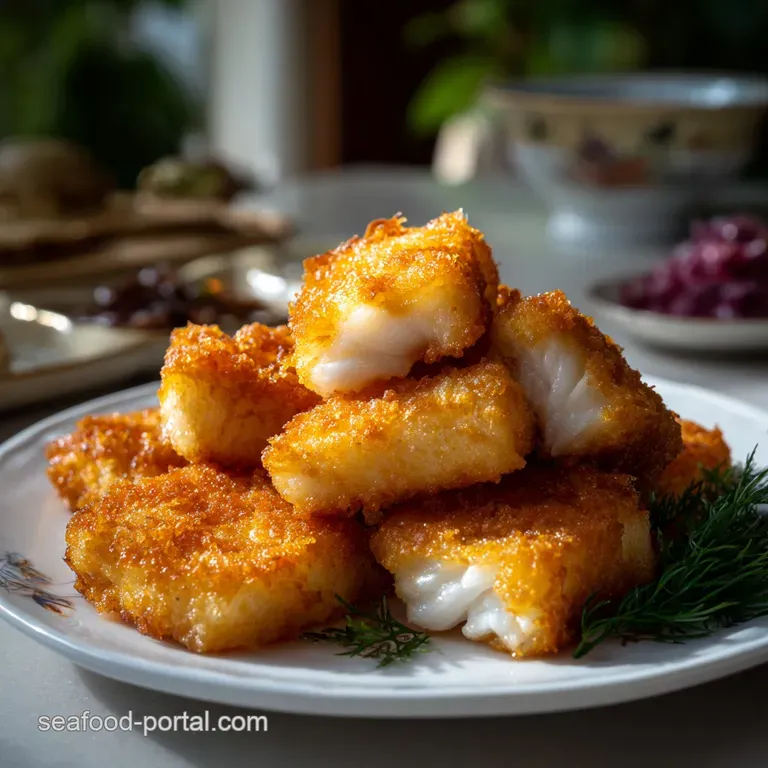
Prepping and Seasoning Your Fish
Pat the 1.5 lbs Alaskan Cod fillets dry with paper towels until they are bone dry. Note: Surface moisture creates steam, which will push the breading away from the fish during frying. Season both sides with 1 tsp Diamond Crystal Kosher salt and 0.5 tsp black pepper.
The Three Step Dredging Technique
Place 0.5 cup all-purpose flour in a shallow bowl. Dredge each 4 inch portion of cod, shaking off any excess. Note: This thin layer of flour acts as a "primer," allowing the wet batter to bond to the protein fibers.
Mastering the Perfect Pan-Fry
Heat 1 cup high smoke point vegetable oil in a Lodge Cast Iron Skillet over medium high heat until it reaches 350°F. Whisk the 1 cup all-purpose flour, 0.5 cup cornstarch, 1 tsp baking powder, 1 tsp garlic powder, and 1 tsp paprika with the 1 cup ice-cold sparkling water.
Dip the floured cod into the batter and immediately place it in the hot oil. Note: The baking powder and cold liquid create a chemical reaction that releases gas, puffing the crust instantly.
How to Tell When Cod is Perfectly Flaky
Fry for 3 4 minutes per side until the exterior is deep golden brown. Note: Use a ThermoPro Digital Meat Thermometer to ensure the internal temperature reaches 145°F for food safety. The fish should feel firm to the touch but yield to a gentle squeeze.
Expert Tips and Common Mistakes to Avoid
Chef’s Tip: For an even lighter crust, put your dry flour/starch mix in the freezer for 20 minutes before whisking in the cold liquid. The colder the batter, the less oil it absorbs.
Troubleshooting Table
| Problem | Root Cause | Solution |
|---|---|---|
| Soggy Breading | Oil temperature dropped below 325°F. | Fry in smaller batches; never crowd the skillet. |
| Breading Falling Off | Fish was too wet before dredging. | Pat dry with paper towels until the surface is tacky, not slippery. |
| Dark Crust, Raw Fish | Heat was too high (above 375°F). | Lower heat and use a Laser thermometer for 350°F oil verification. |
Common Myths
Myth: You must use beer for a good batter. Truth: While lager adds flavor, the real "magic" comes from the carbonation. Ice-cold sparkling water works just as well for those avoiding alcohol.
Myth: Frying at home is always messy and smells. Truth: If you use a high smoke point oil like avocado or refined vegetable oil and maintain 350°F, the oil won't smoke or break down, significantly reducing odors.
Storage, Reheating, and Freezing Instructions
- Storage: Place leftovers in an airtight container lined with a paper towel. Keep in the fridge for up to 2 days.
- Freezing: Not recommended for the cooked batter, as it loses its structural integrity upon thawing.
- Reheating: Avoid the microwave at all costs. To Make Fried Cod Fillets Easily taste fresh again, place them on a wire rack over a baking sheet in a 375°F oven for 8 10 minutes. This allows hot air to circulate around the entire fillet, re-crisping the bottom.
Best Serving Suggestions for a Classic Fish Fry
To round out the meal, serve these fillets with a wedge of lemon and a side of tartar sauce. If you want a more refined presentation, consider pairing this with the zesty notes found in my Mediterranean Fish Fillets: Zesty Pan Sauce in 20 Minutes recipe.
How to Prevent the Breading from Falling Off
The "glue" of your fish fry is the initial flour dredge. If you skip this, the steam from the cooking fish will create a gap between the meat and the batter, causing it to slough off. Ensure you use 0.5 cup all-purpose flour for that first coating and press it firmly into the flesh.
Managing Oil Temperature for Maximum Crunch
When learning How to Make Fried Cod Fillets, the thermometer is your best friend. Every time you add a piece of cold fish, the oil temperature drops. Wait 30 60 seconds between batches to let the oil "recover" back to 350°F.
This prevents the fish from sitting in lukewarm oil and absorbing excess grease.
By following these scientific principles and using the exact quantities of Alaskan Cod, cornstarch, and ice-cold lager, you can Make Fried Cod Fillets Easily that rival any professional kitchen.
Learning How to Make Fried Cod Fillets is a foundational skill that, once mastered, ensures you'll never settle for soggy take out again.The Science of Why it Works: This recipe utilizes "thermal shock" and carbonation.
The ice-cold sparkling water and baking powder create a rapid expansion of CO2 when hitting 350°F oil, resulting in an aerated, shatter crisp crust that doesn't absorb excess grease.
Recipe FAQs
Can I use frozen cod instead of fresh?
Yes, ensure they are fully thawed and patted bone dry. Thawing speed affects texture; rapid thawing in cold water is superior to sitting on the counter. If texture is compromised, consider using the soaking method found in our Southern Fried Catfish: The Ultimate Buttermilk Soaked Comfort Classic guide.
What oil should I use for the crispiest crust?
High smoke point oils like peanut or canola are best. These oils resist breakdown at high temperatures (375°F+), ensuring the batter crisps immediately rather than absorbing excess grease. This temperature control is key to avoiding a heavy, soggy final product.
Is beer batter superior to a standard flour dredge?
Beer batter achieves greater lightness. The CO2 in beer reacts with the heat, creating superior lift and a more aerated, fragile crust compared to a simple dry coating. For an alternative coating, examine the coating techniques used for Spicy Southern Fried Catfish With Mustard Sauce: Crisp Tangy Dinner.
My batter fell off immediately; what went wrong?
Oil temperature was too low for adhesion. Insufficient heat prevents the exterior starches from instantly setting, causing the coating to slip off the moist fish surface.
- Ensure oil reaches 365°F before adding fish
- Coat fish immediately before submerging
- Do not overcrowd the frying vessel
Does marinating the cod in milk improve flavor?
Myth: Milk tenderizes cod as much as it does other white fish. Reality: Cod has fewer surface proteins to react with lactic acid than catfish, offering minimal textural change; it mainly aids dryness for batter adherence.
Should I use cornstarch or all-purpose flour in my dry dredge?
Cornstarch yields a lighter, crispier finish. Cornstarch has a lower protein content than AP flour, which limits gluten development, resulting in a less chewy and more brittle coating when fried. All-purpose flour is acceptable if aiming for a thicker, more protective layer.
Can I fry this in an air fryer instead of deep oil?
Air frying is possible but yields a drier product. Deep frying utilizes thermal conduction via hot oil for rapid, even crust formation, whereas air frying relies on circulating hot air. The deep fried texture will be superior, similar to the initial crust achieved in Chicken Fried Steak: The Ultimate Ultra Crispy Diner Classic.
Fried Cod Fillets Masterclass
Ingredients:
Instructions:
Nutrition Facts:
| Calories | 492 kcal |
|---|---|
| Protein | 35.1 g |
| Fat | 16.5 g |
| Carbs | 48.2 g |
| Fiber | 1.4 g |
| Sugar | 0.6 g |
| Sodium | 595 mg |
