Foolproof Creamy Shrimp Scampi Recipe
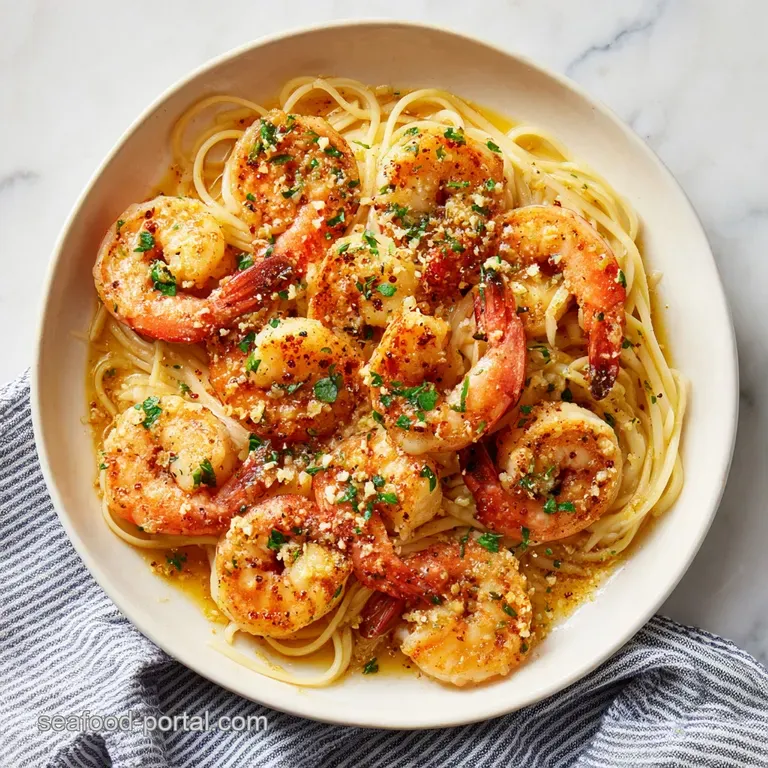
- Time: Active 10 minutes, Passive 15 minutes, Total 25 minutes
- Flavor/Texture Hook: Velvety garlic cream with a citrus snap and buttery shrimp
- Perfect for: Impressive weeknight dinners or a cozy date night at home
- Mastering This Foolproof Creamy Shrimp Scampi Recipe
- The Science of Silky Emulsions
- Essential Benchmarks and Timing
- Essential Components for Rich Sauce
- Essential Tools for Seafood Success
- Step-by-Step Cooking Guide
- Pro Tips and Common Pitfalls
- Flavor Variations and Personal Twists
- Storing and Reheating Your Pasta
- Perfect Pairings and Side Dishes
- Kitchen Myths Debunked
- HIGH in Sodium
- Recipe FAQs
- 📝 Recipe Card
Mastering This Foolproof Creamy Shrimp Scampi Recipe
We've all been there. You're craving that garlicky, buttery seafood goodness, you throw everything in the pan, and suddenly the sauce looks like a puddle of yellow oil at the bottom of the bowl. It's frustrating, right? I remember the first time I tried making scampi for a group of friends.
I followed a traditional recipe that relied solely on butter and wine emulsification. Halfway through plating, the sauce split, the shrimp looked sad and shrunken, and I ended up serving what felt like "oily noodles." It was a total buzzkill for someone who takes pride in their kitchen wins.
That experience sent me on a mission to find a better way. I started experimenting with small additions to keep the sauce cohesive without losing that classic scampi soul. This is how to make creamy shrimp scampi that actually stays creamy from the first bite to the last.
We aren't making a heavy Alfredo here, but rather a "hybrid" sauce that uses just enough heavy cream to act as a bridge between the acidic wine and the rich butter. The result is a glossy, golden coating that makes the dish feel incredibly luxurious.
You can expect a dish that hits all the right notes: the sharp bite of fresh garlic, the warmth of red pepper flakes, and the bright zing of lemon zest. Because we're using a specific searing technique for the shrimp, they won't turn into little erasers.
Instead, they’ll have a beautiful snap when you bite into them. This easy creamy shrimp scampi recipe is about to become your new secret weapon for when you want something fancy but only have 25 minutes to spare.
The Science of Silky Emulsions
Fat Stabilization: Heavy cream contains proteins that act as emulsifiers, preventing the butter and wine from separating into an oily mess. This creates a more forgiving environment than a traditional butter only sauce.
Starch Binding: The reserved pasta water contains dissolved starches that physically link the fats in the sauce to the surface of the fettuccine. This is why the sauce clings to the noodles rather than sliding off.
Maillard Reaction: Searing the shrimp quickly at a high heat creates a savory crust and complex flavor molecules. By removing them before they're fully cooked, we prevent the protein fibers from tightening too much and becoming tough.
| Cooking Style | Speed | Sauce Texture | Best For |
|---|---|---|---|
| Fast Method | 15 mins | Thick and Velvety | Busy weeknights |
| Classic Method | 30 mins | Thin and Oily | Traditionalists |
| This Recipe | 25 mins | Glossy and Balanced | The "Golden Middle" |
Similar to the technique used in our Creamy Garlic Shrimp recipe, this method relies on building layers of flavor rather than just dumping everything in at once.
Essential Benchmarks and Timing
Getting the timing right is the difference between a "good" meal and a "did you really make this?" meal. I've found that precision at three specific points makes all the difference. First, your shrimp should only spend about 90 seconds per side in the pan.
If they start to form a tight "O" shape, they're already overdone. You're looking for a "C" shape. Second, your garlic needs exactly 30 to 45 seconds of heat before you add the wine. Any longer and it turns bitter, which ruins the delicate cream.
Third, the pasta water is your lifeblood. I always set a timer for 2 minutes before the pasta is done to remind myself to scoop out that liquid gold. If you drain the pasta without saving the water, you lose the "glue" that makes the sauce work.
| Component | Science Role | Pro Secret |
|---|---|---|
| Large Shrimp | Main Protein | Pat them bone dry with paper towels before seasoning to get a better sear. |
| Dry White Wine | Acidity | Use a Pinot Grigio or Sauvignon Blanc to cut through the heavy cream. |
| Cold Butter | Fat/Gloss | Whisk in chilled butter at the very end to create a stable, shiny finish. |
Essential Components for Rich Sauce
Every ingredient in this best creamy shrimp scampi recipe has a job to do. Don't skip the smoked paprika on the shrimp it provides a subtle depth that plays off the sweetness of the seafood. For the wine, if you wouldn't drink it, don't cook with it.
A cheap "cooking wine" often has added salt that can throw off the entire balance of the dish.
- 1.5 lbs large shrimp (16-20 count): Peeled and deveined. Why this? Larger shrimp stay juicier and are harder to overcook during the initial sear.
- Sub: Scallops (sear for 2 mins per side)
- 1 tsp kosher salt: For seasoning the shrimp and the sauce.
- Sub: Sea salt (use slightly less as it's finer)
- 0.5 tsp smoked paprika: Adds a hint of woodsy flavor.
- Sub: Regular paprika or a pinch of cayenne
- 2 tbsp extra virgin olive oil: high-quality oil for the initial sear.
- Sub: Avocado oil or grapeseed oil
- 6 cloves fresh garlic: Thinly sliced rather than minced. Why this? Slices are less likely to burn and provide a milder, nutty garlic flavor.
- Sub: 2 tsp garlic paste (add at the very end of sauteing)
- 0.5 cup dry white wine: Provides necessary acidity.
- Sub: Seafood stock with an extra squeeze of lemon
- 0.5 cup heavy cream: The stabilizer for our creamy shrimp scampi recipe with cream.
- Sub: Full fat coconut milk (note: adds a distinct tropical flavor)
- 4 tbsp unsalted butter: Chilled and cubed for finishing.
- Sub: Ghee (but the sauce won't be quite as creamy)
- 0.5 tsp red pepper flakes: For a gentle warmth.
- Sub: Freshly cracked black pepper
- 2 tbsp lemon juice: Freshly squeezed is non negotiable here.
- Sub: Lime juice (though it changes the flavor profile significantly)
- 12 oz fettuccine pasta: The perfect vessel for thick sauces.
- Sub: Linguine or spaghetti
- 0.25 cup fresh parsley: Finely chopped for freshness.
- Sub: Fresh basil or chives
- 1 tsp lemon zest: Intensifies the citrus notes without the sourness.
- Sub: Dried lemon peel (use half the amount)
- 0.5 cup reserved pasta water: To adjust the final consistency.
Essential Tools for Seafood Success
You don't need a kitchen full of gadgets, but a large stainless steel or cast iron skillet is vital. These pans hold heat better than non stick, which is exactly what you need to get that quick sear on the shrimp without them steaming in their own juices.
I personally love using a 12 inch stainless steel pan because it allows me to see the color of the butter and garlic clearly, preventing any accidental burning.
You'll also want a sturdy set of tongs. Trying to flip 20 shrimp with a fork is a recipe for uneven cooking. A microplane is also a lifesaver for getting that fine lemon zest and potentially some extra parmesan if you're feeling adventurous. If you're looking for more ways to use your pasta tools, check out my Homemade Shrimp Alfredo recipe which uses a very similar setup.
step-by-step Cooking Guide
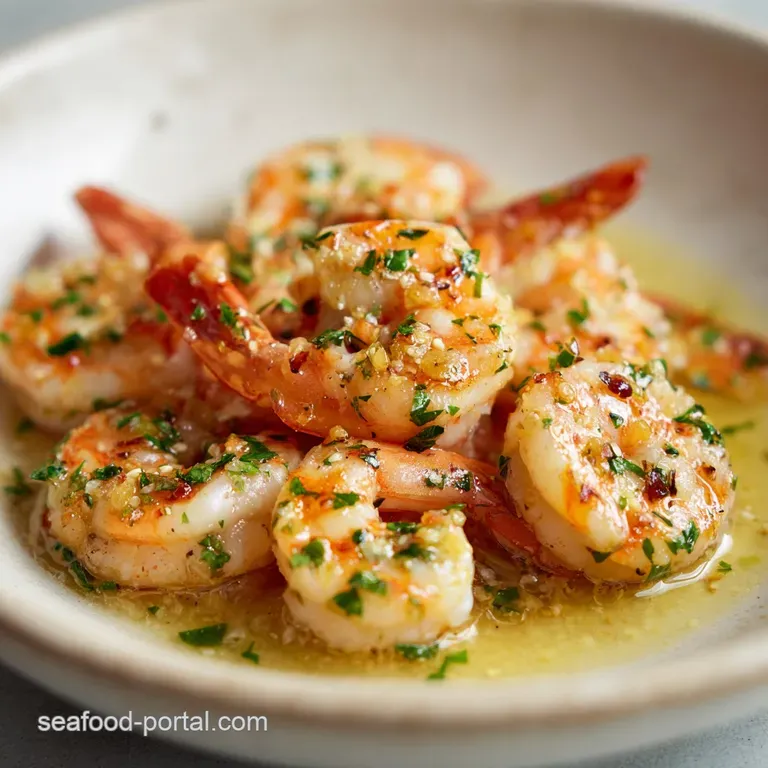
Ready to get cooking? Let's break down this Shrimp Scampi Fettuccine Creamy style. Keep your ingredients prepped and ready because once you start, the process moves quickly.
- Prepare the pasta. Boil a large pot of salted water and cook the fettuccine according to the package directions until it's just shy of al dente. Don't forget to save 0.5 cup of pasta water.
- Season the shrimp. Pat the 1.5 lbs of shrimp completely dry. Toss them in a bowl with 1 tsp salt and 0.5 tsp smoked paprika. Note: Drying the shrimp is the only way to get a golden crust.
- Sear the shrimp. Heat 2 tbsp olive oil in a large skillet over medium high heat. Add the shrimp in a single layer and cook for 90 seconds until they turn pink and opaque. Flip and cook for another 60 seconds. Remove them from the pan immediately.
- Toast the aromatics. Lower the heat to medium. In the same pan, add the 6 cloves of sliced garlic and 0.5 tsp red pepper flakes. Sauté for 30 seconds until the kitchen smells like a dream.
- Deglaze the pan. Pour in 0.5 cup dry white wine. Use a wooden spoon to scrape up all the brown bits (the fond) from the bottom of the pan. Simmer for 3 minutes until the liquid is reduced by half.
- Create the cream base. Pour in 0.5 cup heavy cream. Bring to a gentle simmer for 2 minutes. The sauce should start to thicken slightly and look like a rich Shrimp Scampi Cream Sauce recipe base.
- Emulsify the butter. Turn the heat to low. Whisk in the 4 tbsp of chilled, cubed butter one piece at a time. Note: Whisking cold butter into a warm sauce creates a stable emulsion.
- Combine and finish. Add the cooked fettuccine, the seared shrimp, 2 tbsp lemon juice, 1 tsp lemon zest, and half of the parsley into the skillet.
- Adjust the consistency. Toss everything together, adding the reserved pasta water 1 tablespoon at a time until the sauce looks glossy and clings to the noodles.
- The final touch. Garnish with the remaining parsley and an extra sprinkle of red pepper flakes if you like the heat. Serve immediately while it's silky and warm.
Pro Tips and Common Pitfalls
The biggest mistake I see people make with this creamy shrimp scampi made a foolproof recipe is letting the sauce boil after the butter and cream are added. High heat is the enemy of a smooth sauce. Once you add that dairy, keep things at a gentle simmer.
If you see bubbles getting large and aggressive, pull the pan off the heat for a second.
Another tip: don't be afraid of the pasta water. It might look cloudy and unappealing, but it's the secret to that restaurant style finish. If your pasta looks a little dry after tossing, add a splash more water. It will loosen the sauce and make it incredibly smooth.
The Problem of Broken Sauces
A "broken" sauce looks curdled or oily. This usually happens if the heat is too high or if you add the lemon juice too early. Acid can curdle cream if it's boiled together for too long. By adding the lemon at the very end, we keep the sauce stable and the flavor bright.
| Problem | Root Cause | Solution |
|---|---|---|
| Oily Sauce | Butter melted too fast or heat was too high | Whisk in a splash of heavy cream or pasta water over low heat to re emulsify. |
| Tough Shrimp | Overcooked during the initial sear | Remove shrimp when they are still slightly translucent in the center; they finish in the sauce. |
| Bland Flavor | Not enough salt or acidity | Add an extra squeeze of lemon juice and a pinch of salt right before serving. |
- ✓ Always pat your shrimp dry to ensure a proper sear instead of steaming.
- ✓ Slice your garlic thinly rather than mincing to prevent burning and bitterness.
- ✓ Use a dry wine like Sauvignon Blanc; sweet wines will make the dish cloying.
- ✓ Save more pasta water than you think you'll need just in case.
- ✓ Warm your serving bowls in the oven (150°F / 65°C) to keep the seafood from cooling too fast.
Flavor Variations and Personal Twists
If you want to change things up, this recipe is a fantastic base. You can easily turn this into a Mediterranean feast by adding a handful of halved cherry tomatoes and some pitted kalamata olives during the wine reduction stage. The tomatoes will burst and add a lovely sweetness to the Creamy Garlic Shrimp Scampi.
For a bit of an earthy twist, try sautéing some sliced baby bella mushrooms before you sear the shrimp. The mushrooms soak up all that garlic butter and add a meaty texture that pairs perfectly with the seafood. If you're a fan of deeper, more complex flavors, you might even enjoy the profile of a Shrimp and Crab recipe which uses similar citrus and butter notes.
- Spice it up: Double the red pepper flakes and add a teaspoon of Calabrian chili paste for a "Scampi Fra Diavolo" vibe.
- Green it up: Stir in two cups of fresh baby spinach right at the end; the residual heat will wilt it perfectly into the sauce.
- Crunch factor: Toasted panko breadcrumbs seasoned with lemon zest and parsley sprinkled on top add a "shatter" texture that contrasts the velvety sauce.
Storing and Reheating Your Pasta
Seafood pasta is always best eaten immediately, but if you have leftovers, they don't have to go to waste. Store your scampi in an airtight container in the fridge for up to 2 days.
I don't recommend freezing this dish, as the cream sauce will likely separate and the shrimp will become grainy and unpleasant when thawed.
When it comes to reheating, the microwave is your enemy. It will turn your shrimp into rubber bullets. Instead, place the leftovers in a small skillet over low heat. Add a splash of water or a little bit of milk to help loosen the sauce. Stir gently until it's just warmed through.
This prevents the fats from separating and keeps the pasta from getting gummy. For a zero waste tip, if you have extra shrimp shells from peeling, don't toss them! Simmer them with some water, onion scraps, and peppercorns for 20 minutes to make a quick shrimp stock you can use for your next risotto.
Perfect Pairings and Side Dishes
Because this pasta is quite rich, you'll want side dishes that provide a bit of crunch or acidity to balance the palate. A simple arugula salad with a lemon shallot vinaigrette is my go to. The peppery bite of the arugula cuts right through the garlic cream sauce.
If you want something heartier, a loaf of crusty sourdough bread is essential for mopping up every last drop of that sauce. You can even rub a raw garlic clove on the toasted bread for an extra punch. If you're looking for another classic pairing, a crisp glass of the same white wine you used in the cooking process will tie the whole meal together beautifully. If you're in the mood for a different style of seafood entirely, our Classic Shrimp Scampi recipe offers a lighter, wine forward version that pairs excellently with roasted asparagus.
Kitchen Myths Debunked
One of the biggest myths is that you should rinse your pasta after cooking to keep it from sticking. Never do this! Rinsing washes away the starch that helps the sauce adhere to the noodles. Just toss it directly into the sauce.
Another common misconception is that searing "seals in the juices." Science shows that searing actually causes moisture loss due to the high heat. However, we sear for the flavor development (the Maillard reaction).
The key is to sear quickly so the interior stays tender while the exterior develops that savory, golden crust we all love.
Finally, some people think that cheese and seafood never mix. While a heavy layer of cheddar might be a crime, a fine dusting of aged Pecorino Romano or Parmesan can actually enhance the salty, umami notes of the shrimp. Just keep it light so you don't overshadow the delicate seafood.
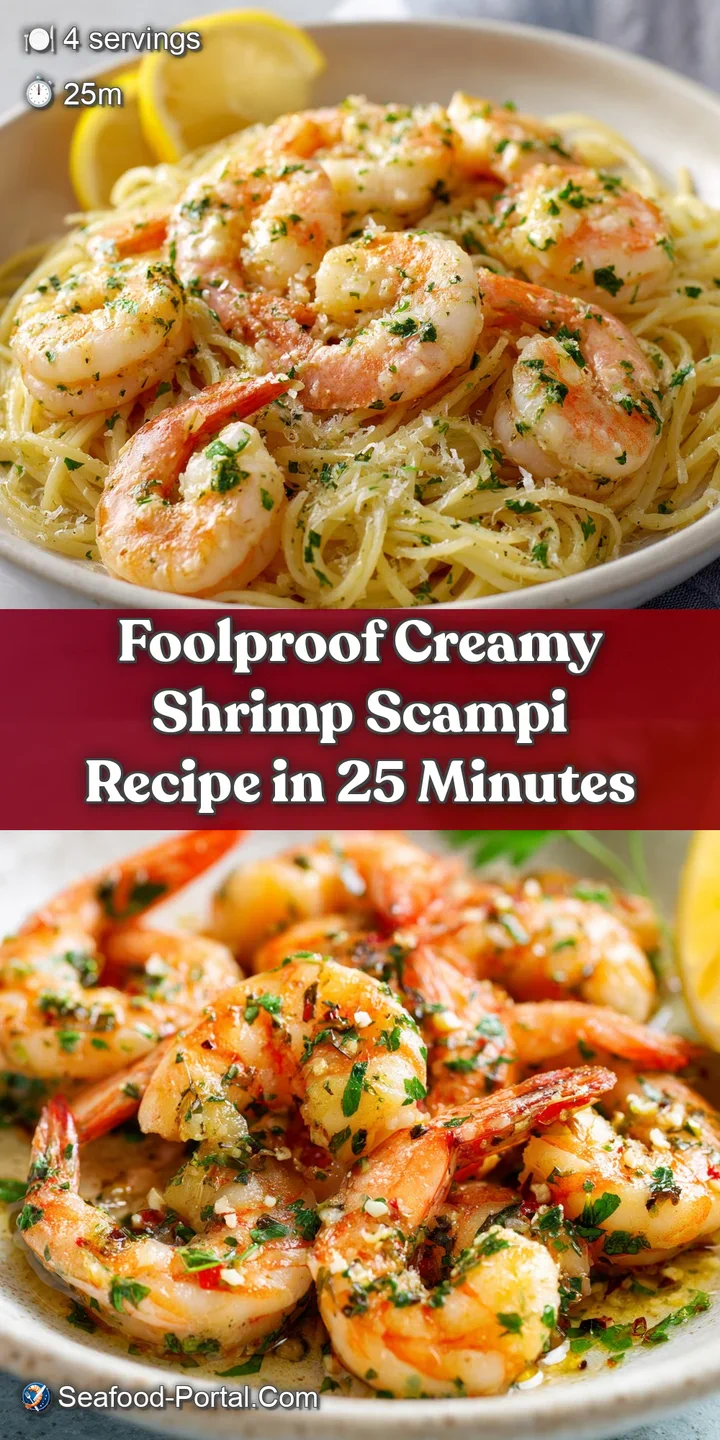
HIGH in Sodium
875 mg of sodium per serving (38% of daily value)
The American Heart Association recommends limiting sodium intake to about 2,300mg per day.
Tips to Reduce Sodium in Your Shrimp Fettuccine
-
Reduce Added Salt-25%
Eliminate the 1 tsp of kosher salt from the shrimp marinade. The other ingredients will provide enough flavor. Reduction in sodium: up to 25%
-
Choose Low-Sodium Pasta-15%
Select a fettuccine pasta that is labeled as low-sodium or sodium free. Check the nutrition label to compare brands. Reduction in sodium: approximately 15%
-
Enhance Lemon Flavor-10%
Increase the amount of fresh lemon juice and zest to boost the citrus flavor profile, allowing for less reliance on salt. Reduction in sodium: approximately 10%
-
Unsalted Butter-10%
Confirm you are using unsalted butter as the recipe specifies. Check the package to be sure! Salted butter can contribute a significant amount of sodium. Reduction in sodium: approximately 10%
-
No-Salt Added Wine-5%
When possible, select a no-salt added or low-sodium dry white wine to reduce sodium intake. While the sodium content in wine is often minimal, every little bit helps. Reduction in sodium: approximately 5%
-
Flavor with Herbs & Spices
Experiment with other fresh herbs like basil, oregano, or thyme in addition to parsley to enhance the flavor without adding sodium.
Recipe FAQs
Is heavy cream absolutely necessary for this creamy shrimp scampi?
Yes, for guaranteed creaminess. Heavy cream contains the necessary fat and protein to stabilize the sauce, preventing the butter and wine from separating into an oily mess.
How to prevent the shrimp from becoming tough and rubbery?
Sear them quickly over high heat and remove them immediately. Cook the shrimp for only 90 seconds per side initially; they finish cooking gently when reintroduced to the sauce.
Why is my sauce breaking and looking oily after adding the butter?
The heat was likely too high when incorporating the butter. Whisk in the chilled, cubed butter very slowly over low heat; this creates a stable emulsion, a technique similar to what we use when building sauces in our The Shrimp Scampi recipe.
How to get the sauce to cling perfectly to the fettuccine noodles?
Reserve and use the starchy pasta cooking water. This starchy liquid acts as a binder, physically linking the fats in your sauce to the surface of the noodles for a glossy, clinging finish.
How long should the sliced garlic cook before I add the wine?
Sauté the garlic for 30 to 45 seconds only. You want it fragrant and lightly toasted, but any longer risks burning the garlic, which introduces a bitter flavor that ruins the delicate cream base.
What is the best substitute if I don't have dry white wine available?
Use seafood stock with an extra squeeze of fresh lemon juice. The wine’s main role is acidity to balance the fat, so substitute the volume with stock and boost the citrus component to mimic that brightness.
Can I use pre-minced garlic instead of slicing fresh cloves?
No, stick to thinly slicing fresh garlic for best results. Pre-minced garlic often contains preservatives and burns much faster than sliced garlic, which can turn bitter before the sauce is built.
Foolproof Creamy Shrimp Scampi
Ingredients:
Instructions:
Nutrition Facts:
| Calories | 775 calories |
|---|---|
| Protein | 47.4 g |
| Fat | 32.2 g |
| Carbs | 67.4 g |
| Fiber | 2.5 g |
| Sugar | 1.8 g |
| Sodium | 875 mg |
