Best Sauce for Salmon to Unlock Flavor with Lemon Butter
- Time: Active 10 minutes, Passive 12 minutes, Total 22 minutes
- Flavor/Texture Hook: Shatter crisp skin meets a velvety, zesty emulsion
- Perfect for: Impressive date nights or a sophisticated 20 minute weeknight meal
- Discover the Best Sauce for Salmon to Unlock Flavor with Lemon Butter
- How Acid and Fat Create Culinary Magic
- Precision Measurements for a Flawless Seafood Dinner
- Essential Components for Your Golden Pan Seared Salmon
- Tools Required for Achieving That Professional Quality Sear
- A Step by Step Guide to Flaky Fish Mastery
- Troubleshooting Tips for Silky Smooth Lemon Butter Sauce
- Creative Ways to Personalize Your Citrus Butter Glaze
- Smart Storage and Repurposing Ideas for Leftover Salmon
- Elegant Garnishing Techniques for a Restaurant Style Plate
- Recipe FAQs
- 📝 Recipe Card
Discover the Best Sauce for Salmon to Unlock Flavor with Lemon Butter
Picture this: you place a cold fillet into a shimmering pan, and that immediate, aggressive sizzle fills the kitchen. It is a sound that promises texture. I used to be terrified of cooking fish at home, convinced I would either leave it raw or turn it into a dry, sad brick.
But everything changed when I realized that the secret isn't just the heat it is the liquid gold you pour over it at the end.
This recipe for the best sauce for salmon uses lemon butter to unlock incredible flavor. I first stumbled onto this method during a rainy Tuesday when I had nothing but a half empty bottle of Chardonnay and a lemon rolling around the fridge drawer.
By deglazing the pan where the salmon seared, I captured all those little browned bits, turning them into a sauce so bright and rich you'll want to drink it with a spoon. We are going for a balance of sharp acidity and creamy fat that makes the natural oils of the fish truly sing.
I have made plenty of mistakes along the way like the time I added the lemon juice too early and the whole thing curdled, or when I didn't pat the skin dry and ended up with a soggy mess. Today, we are skipping those pitfalls.
We are going to build a sauce that is stable, glossy, and so fresh it feels like summer on a plate. Trust me, once you master this pan reduction technique, you'll never go back to plain baked fish again.
How Acid and Fat Create Culinary Magic
The Cold Emulsion Effect: By whisking chilled, cubed butter into a hot wine reduction, you create a stable emulsion where milk solids stay suspended, resulting in a velvety texture rather than a greasy pool.
Acidic Brightness: The white wine and lemon juice work together to break down the perception of heavy fats, acting as a palate cleanser that highlights the delicate sweetness of the salmon.
Optimal Cooking Method Comparison
| Method | Time | Texture | Best For |
|---|---|---|---|
| Stovetop Sear | 8-10 mins | Maximum crispy skin, intense browning | Achieving restaurant style crust |
| oven-roasted | 12-15 mins | Consistent edge to edge tenderness | Large batches or thicker fillets |
| Air Fryer | 10-12 mins | Even crunch without much oil | Quick, low mess weeknight prep |
The choice between stovetop and oven often comes down to how much you value that "shatter" factor on the skin. While the oven provides a gentle, even heat, the direct contact of a heavy skillet is what creates the Maillard reaction we crave. If you are looking for more inspiration on getting that skin just right, my Pan Seared Salmon recipe goes deep into the mechanics of over high heat searing.
Precision Measurements for a Flawless Seafood Dinner
| Component | Science Role | Pro Secret |
|---|---|---|
| Chilled Butter | Emulsifier & Fat | Use cubes straight from the fridge to prevent the sauce from breaking |
| Dry White Wine | Deglazer & Acid | Choose a Pinot Grigio or Sauvignon Blanc for a crisp, clean finish |
| Lemon Zest | Aromatic Oil | Add at the very end to keep the citrus oils from turning bitter |
Essential Components for Your Golden Pan Seared Salmon
- 4 (6 oz) Salmon fillets: Look for center cut pieces with skin on for the best texture. Why this? Skin protects the flesh from overcooking and provides a necessary crunch.
- Substitute: Steelhead trout (very similar fat content and flavor).
- 1 tbsp Neutral oil: Avocado or grapeseed oil works best due to their high smoke points.
- Substitute: Light olive oil (not extra virgin, which burns too easily here).
- 1/2 tsp Sea salt: Essential for drawing out surface moisture.
- 1/4 tsp Cracked black pepper: Adds a subtle heat to the crust.
- 3 tbsp Unsalted butter: Must be chilled and cubed into small pieces.
- 2 cloves Garlic: Finely minced so it melts into the sauce.
- 1/4 cup Dry white wine: Provides the base for the reduction.
- Substitute: Chicken or vegetable stock with a teaspoon of white wine vinegar.
- 2 tbsp Freshly squeezed lemon juice: Adds the necessary "zing."
- 1 tsp Lemon zest: For that punchy, floral aroma.
- 1 tbsp Fresh parsley: Finely chopped for a hit of color and earthiness.
Tools Required for Achieving That Professional Quality Sear
You don't need a kitchen full of gadgets, but a heavy bottomed skillet is non negotiable. A cast iron pan or a high-quality stainless steel skillet (like a Heritage Steel) will hold heat far better than thin aluminum, which is the key to preventing the fish from sticking.
You'll also want a flexible fish spatula. These are thinner and slightly curved, allowing you to get under the delicate skin without tearing it. If you use a thick plastic spatula, you risk mangling the fillet when it is time to flip.
Finally, a small whisk or even just a fork will help you mount the butter into the sauce efficiently.
Chef Tip: Freeze your butter for 10 minutes before cubing it. The colder the butter, the more slowly it melts, which is the "cheat code" for getting a thick, glossy sauce that doesn't separate into a layer of oil.
A step-by-step Guide to Flaky Fish Mastery
- Dry the fish. Use paper towels to pat the salmon fillets completely dry on all sides. Note: Surface moisture is the enemy of a crispy sear; it creates steam instead of a crust.
- Season generously. Sprinkle the salt and cracked black pepper over the flesh and skin of the fillets.
- Heat the pan. Add the neutral oil to the skillet over medium high heat until it shimmer and wisps of smoke appear.
- Sear skin side down. Carefully lay the salmon in the pan. Press down lightly with a spatula for 10 seconds to ensure full contact.
- Cook undisturbed. Let the salmon sear for 5-6 minutes until the skin is golden and releases easily from the pan.
- Flip and finish. Turn the fillets and cook for another 2-3 minutes. Remove the salmon to a warm plate and let it rest.
- Sauté aromatics. Reduce heat to medium, add a tiny knob of butter, and sauté the garlic for 30 seconds until fragrant but not browned.
- Deglaze the skillet. Pour in the white wine and lemon juice, scraping the bottom of the pan to loosen the savory bits.
- Reduce the liquid. Simmer the sauce for 2-3 minutes until the liquid has reduced by half.
- Mount the butter. Whisk in the chilled butter cubes one at a time. Stir constantly until the sauce is velvety and thick enough to coat a spoon. Stir in the zest and parsley.
Troubleshooting Tips for Silky Smooth Lemon Butter Sauce
Why Your Sauce Broke
If your sauce looks like a pool of yellow oil with white flecks, the emulsion has broken. This usually happens because the pan was too hot when the butter was added, or the butter was added too quickly. To fix it, remove the pan from the heat entirely, add a splash of cold water or cream, and whisk vigorously.
Why Your Salmon Sticked
If the skin tore when you tried to flip it, you likely tried to move it too soon. Salmon has a "self release" mechanism once the proteins have caramelized and formed a crust, the fish will naturally pull away from the metal. If it's sticking, give it another 60 seconds.
| Problem | Root Cause | Solution |
|---|---|---|
| Thin, watery sauce | Liquid didn't reduce enough | Simmer for another 2 minutes before adding butter |
| Burnt garlic | Pan was too hot after searing | Remove pan from heat for 30 seconds before adding garlic |
| Grey, mushy skin | Pan wasn't hot enough | Wait for the oil to shimmer before adding the fish |
Common Mistakes Checklist
- ✓ Never skip the "pat dry" step with paper towels.
- ✓ Don't use "cold pressed" extra virgin olive oil for the sear; it will smoke and turn bitter.
- ✓ Avoid overcrowding the pan; if the fillets touch, they will steam rather than fry.
- ✓ Always use chilled butter for the final sauce to ensure a creamy finish.
- ✓ Let the salmon rest for 3 minutes before saucing to keep the juices inside.
Creative Ways to Personalize Your Citrus Butter Glaze
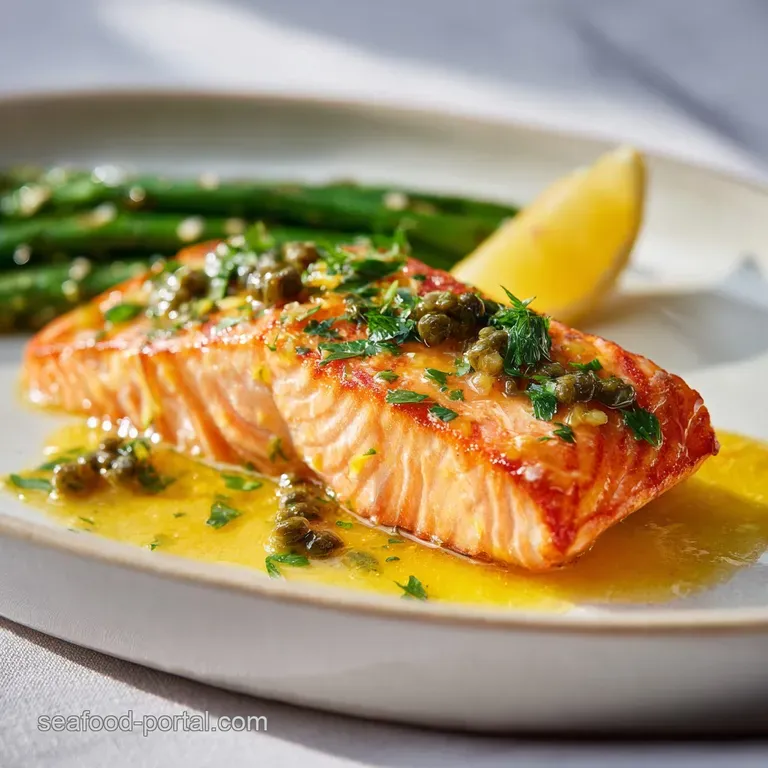
If you find yourself making this often, you can easily tweak the profile. For a "Mediterranean Twist," swap the parsley for fresh dill and add a tablespoon of drained capers to the sauce at the very end. The saltiness of the capers is a brilliant foil to the rich butter.
Scaling this recipe is straightforward. If you are cooking for two, simply halve the ingredients. For a larger crowd of eight, I recommend searing the salmon in batches. Keep the first batch in a warm oven (200°F) while you finish the rest. When it comes to the sauce, you don't need to double the wine exactly 1.5x the amount of liquid is usually enough to coat eight fillets without making the reduction take forever. For another creamy variation, you might enjoy the technique in my Salmon with Herb recipe.
Budget Friendly Flavor Adjustments
| Premium Ingredient | Budget Alternative | Flavor Impact |
|---|---|---|
| Dry White Wine | Apple Cider Vinegar + Water | More tart, less depth of flavor |
| Fresh Parsley | Dried Parsley (half amount) | Less vibrant color, more muted herbal notes |
| Sea Salt | Table Salt (use 1/4 tsp) | Sharper saltiness, use sparingly |
Smart Storage and Repurposing Ideas for Leftover Salmon
Storage: Store any leftover salmon and sauce in an airtight container in the fridge for up to 2 days. I don't recommend freezing the cooked salmon with the butter sauce, as the emulsion will completely break upon thawing, leaving the fish sitting in a pool of oil.
Zero Waste: If you have leftover sauce but no fish, it makes an incredible dressing for roasted asparagus or steamed green beans. Leftover salmon is best served cold the next day over a salad or flaked into a quick pasta.
To reheat without drying out the fish, place it in a pan with a splash of water, cover with a lid, and warm on low heat for 3-4 minutes.
Elegant Garnishing Techniques for a Restaurant Style Plate
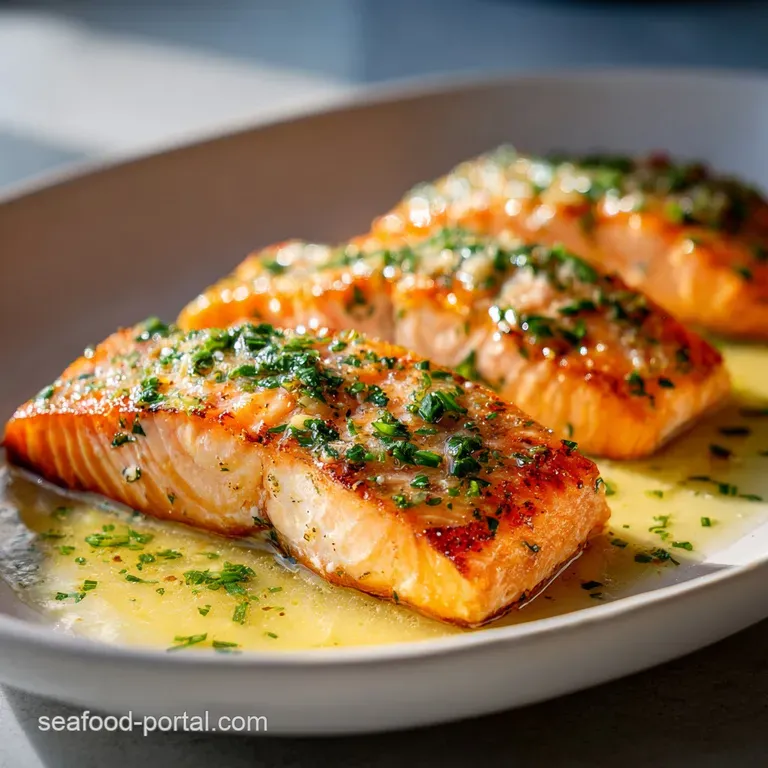
Presentation is where the "flavor unlock" becomes visual. Instead of just pouring the sauce over the top, try spooning it onto the plate first, creating a "pool" for the salmon to sit on. This keeps the skin side on top perfectly crispy until the moment it's eaten.
Top the fish with a tiny pinch of flaky salt (like Maldon) and the reserved lemon zest. A few whole parsley leaves or a very thin slice of lemon tucked under the edge of the fillet adds height and professional flair.
It's the little things the contrast of the green herbs against the pink fish and the golden sauce that make this feel like a celebration rather than just another Tuesday night dinner.
Debunking Kitchen Myths
One common myth is that you should start salmon in a cold pan to render the fat. While that works for duck breast, for salmon, you want a hot start. A cold pan often leads to the fish sticking as the proteins bond to the metal before the sear can happen.
Another misconception is that you need heavy cream to make a "creamy" sauce. As we've shown here, a proper butter emulsion (beurre blanc style) creates a rich mouthfeel without the heaviness of cream.

Recipe FAQs
Does lemon butter sauce go with salmon?
Yes, absolutely. Lemon butter sauce is a classic pairing because the acidity cuts through the richness of the salmon's natural oils, creating a perfectly balanced flavor profile.
What is the best sauce to use on salmon?
A bright, emulsified sauce built from the pan drippings is best. The lemon butter reduction captures the browned fond from searing, intensifying the fish's flavor far better than an added after-the-fact sauce.
How to enhance the flavor of salmon?
Achieve a deep sear on the skin first, then deglaze the pan for the sauce. Capturing those flavorful browned bits by deglazing with wine creates an instant depth that dramatically enhances the mild fish flavor.
How to make creamy lemon butter sauce for fish?
Whisk cold, cubed butter slowly into a hot, reduced liquid base. This process, called mounting, forces the fat to emulsify, creating a stable, velvety texture without needing heavy cream.
Is it true you must add the lemon juice after removing the pan from the heat?
No, this is a common misconception. You add the lemon juice with the wine to reduce and concentrate the flavor, but you must add the zest at the very end to prevent the oils from becoming bitter.
What liquid works best for deglazing the pan for this sauce?
A dry white wine like Pinot Grigio provides the best foundation. The alcohol evaporates, leaving behind complex acidity that balances the fat beautifully, similar to how the acid works in a Salmon Sauces recipe.
Why does my butter sauce keep breaking or separating?
The sauce broke because the butter was likely added too fast or the heat was too high. If you master the technique of stable emulsification here, you can apply the same principles to other dressings, like in our Creamy Lemon Dill recipe
Flavorful Lemon Butter Salmon Sauce
Ingredients:
Instructions:
Nutrition Facts:
| Calories | 472 kcal |
|---|---|
| Protein | 34.5g |
| Fat | 33.8g |
| Carbs | 1.9g |
| Fiber | 0.2g |
| Sugar | 0.4g |
| Sodium | 345mg |
