Baked Walleye Recipe a Flavorful Twist
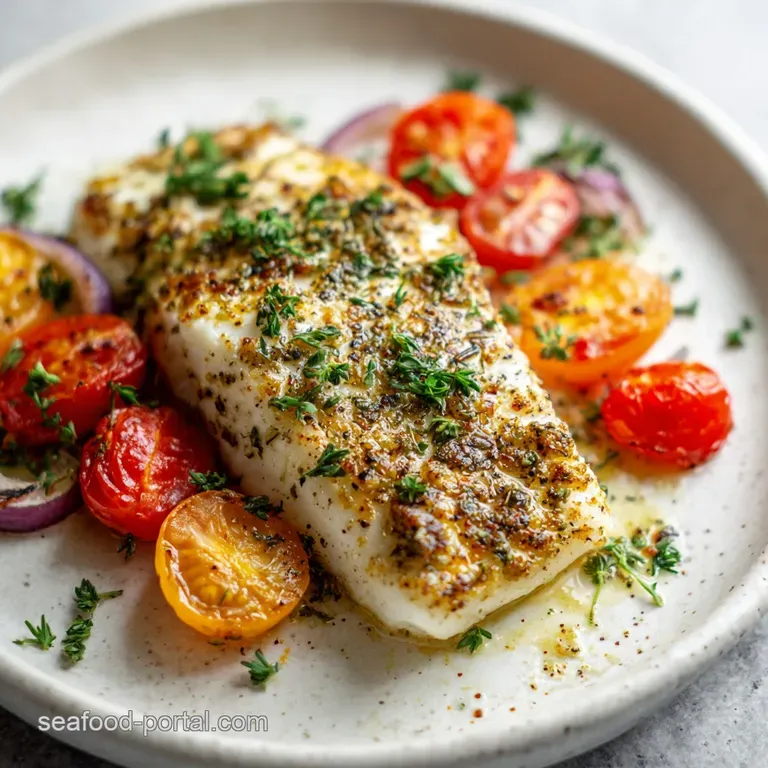
- Time: Active 15 minutes, Passive 12 minutes, Total 27 minutes
- Flavor/Texture Hook: Shatter crisp herb crust with a silky, lemon butter finish
- Perfect for: Impressing dinner guests or a high protein weeknight meal
- Create the Perfect Baked Walleye Recipe Twist
- Why This Flavorful Twist Works
- Deep Dive into Flavor Components
- Elements of the Signature Flavor
- Tools for Professional Fish Baking
- Step-by-Step Guide to Success
- Avoiding Common Fish Baking Mistakes
- Simple Substitutes for Different Tastes
- Storage and Smart Zero Waste
- Restaurant Style Presentation Tricks
- Recipe FAQs
- 📝 Recipe Card
Create the Perfect Baked Walleye Recipe Twist
The first time I pulled a tray of walleye out of the oven, I was devastated. The breading was a damp, grey sludge, and the fish had the texture of a wet sponge. It’s a common heartbreak when cooking lean white fish you want that crunch, but the moisture from the fillets just sabotages everything.
I realized then that the "dredge and dip" method everyone uses for frying simply doesn't work in the dry heat of an oven.
That’s why I started experimenting with what I call the "barrier method." By using Dijon mustard as a glue instead of egg, you create a savory seal that locks juices inside the fish while providing a tacky surface for the panko to grab onto.
When the heat hits, the mustard transforms into a subtle tang that cuts right through the richness of the parmesan. Trust me, the aroma of toasted dill and lemon zest wafting from your oven will have you hovering by the door with a fork in hand. This is the simple baked walleye recipe you've been searching for.
We’re going to achieve a texture that usually requires a deep fryer, but we’re doing it with just a hot oven and a little bit of science. We've all seen famous walleye recipes that rely on heavy batters, but this version keeps things light, vibrant, and surprisingly healthy.
You’ll get that satisfying "shatter" with every bite, followed by the velvety flake of perfectly cooked walleye. Let’s get the pans prepped and crack on.
Why This Flavorful Twist Works
- Capillary Inhibition: The Dijon mustard acts as a hydrophobic barrier, preventing steam from the fish from migrating into the panko and turning it into mush.
- Acidic Tenderization: Natural enzymes in the lemon zest and mustard gently break down connective tissues in the fish during the first few minutes of baking, ensuring a buttery flake.
- Thermal Buffering: The parmesan cheese in the crust melts slightly before the panko browns, creating a microscopic "net" that holds the crumbs in place so they don't fall off during serving.
- Maillard Synchronization: By mixing the breadcrumbs with melted butter before topping, we ensure the crust browns at the exact same rate the fish reaches its safe internal temperature.
| Thickness | Internal Temp | Rest Time | Visual Cue |
|---|---|---|---|
| 0.5 inch | 145°F (63°C) | 2 minutes | Flesh is opaque and separates easily |
| 0.75 inch | 145°F (63°C) | 3 minutes | Center is white, not translucent |
| 1 inch | 145°F (63°C) | 4 minutes | Flakes pull apart with a gentle fork twist |
If you want a truly crispy baked walleye, the secret is all in the moisture management. Even if you follow everything else perfectly, if your fillets are sitting in a pool of their own juices, the bottom will be soft. If you prefer a more traditional citrus profile, you might like the brightness of my How to Make recipe for tilapia, which uses similar logic for moisture control.
Deep Dive into Flavor Components
| Ingredient | Science Role | Pro Secret |
|---|---|---|
| Walleye Fillets | Lean Protein | Pat dry for 10 minutes before seasoning to ensure the mustard sticks. |
| Panko Crumbs | Structural Crunch | Use Japanese style panko; the larger surface area creates more "shatter" points. |
| Dijon Mustard | Emulsified Binder | The vinegar content adds a bright top note that mimics traditional tartar sauce. |
| Parmesan Cheese | Umami Fat Source | Use finely grated (powder like) cheese to fill the gaps between panko flakes. |
Choosing the right fish is the first step in any best baked walleye recipe. Look for fillets that are firm to the touch and have a clean, oceanic scent rather than a "fishy" one. If you can't find walleye, this technique works wonders on any firm white fish, much like the approach I take in my Crispy Baked Mackerel recipe, though mackerel has a much higher oil content.
Elements of the Signature Flavor
- 4 large walleye fillets (6-8 oz each): Skin removed. Why this? Skinless fillets allow the crust to adhere to the entire top surface evenly.
- 1 tbsp extra virgin olive oil: To coat the pan. Why this? high-quality oil prevents sticking and adds a subtle fruity undertone.
- 0.5 tsp sea salt & 0.25 tsp black pepper: Basic seasoning. Why this? Essential for drawing out the natural sweetness of the freshwater fish.
- 1 cup panko breadcrumbs: The texture base. Why this? They stay crispier than standard breadcrumbs in an oven environment.
- 0.25 cup finely grated parmesan cheese: For the salty kick. Why this? It acts as the "mortar" holding the panko "bricks" together.
- 1 tbsp fresh dill, minced: The primary herb. Why this? Dill and walleye are a classic pairing that screams fresh catch.
- 1 tsp lemon zest: For citrus aroma. Why this? Zest provides the scent of lemon without the thinning moisture of juice.
- 0.5 tsp smoked paprika: For color and depth. Why this? It gives the crust a gorgeous golden red hue without over spicing.
- 2 tbsp Dijon mustard: The binder. Why this? It provides a sharp contrast to the mild, sweet fish meat.
- 3 tbsp unsalted butter: For the finishing sauce. Why this? Using unsalted allows you to control the final seasoning perfectly.
- 1 tbsp fresh lemon juice: For the sauce. Why this? This provides the "zing" that wakes up the cooked proteins.
- 1 tbsp small non pareil capers: For the "piccata" twist. Why this? They provide little bursts of salt that cut through the butter.
- 1 tbsp fresh parsley, chopped: For the garnish. Why this? Adds a pop of color and a fresh, earthy finish.
Tools for Professional Fish Baking
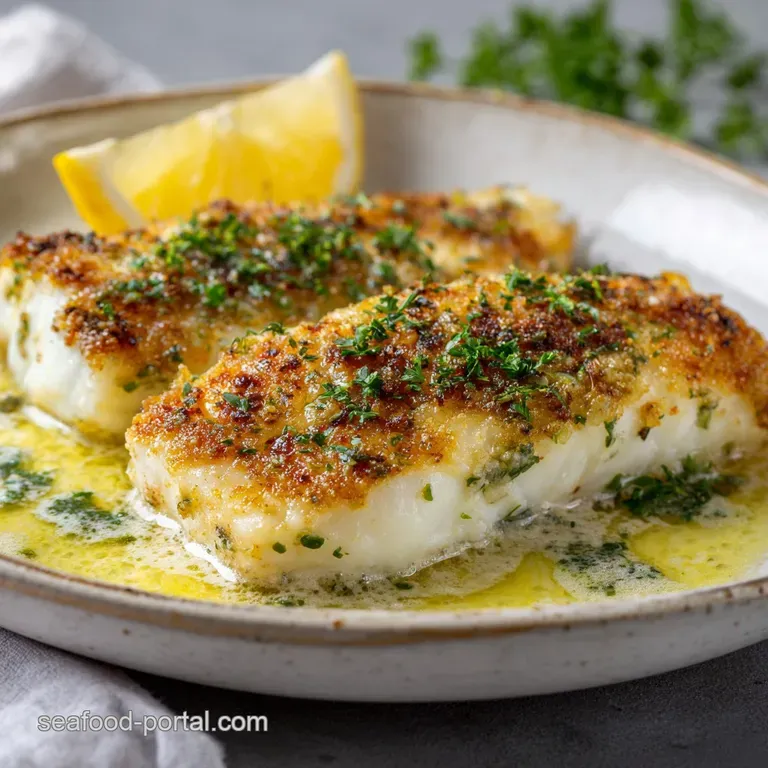
You don't need a kitchen full of gadgets, but a few specific items make this healthy baked walleye recipes much easier to execute. First, a large rimmed baking sheet is non negotiable. Don't use a deep glass casserole dish; the high sides trap steam and will turn your crispy coating into a soggy mess.
I prefer a heavy duty half sheet pan that allows for plenty of airflow.
A small offset spatula is also a game changer for spreading the Dijon mustard thinly and evenly. If you don't have one, the back of a spoon works, but the spatula gives you that professional precision. Finally,, grab a digital meat thermometer. Fish goes from "perfectly flaky" to "dry and rubbery" in about 90 seconds.
Pulling the fish at exactly 145°F (63°C) is the difference between a good meal and a legendary one.
step-by-step Guide to Success
- Preheat the oven to 400°F (200°C). Note: A hot oven is critical for browning the crust before the fish overcooks.
- Dry the fillets. Use paper towels to pat the 4 walleye fillets completely dry. They should feel tacky, not slippery.
- Prepare the baking sheet. Drizzle 1 tbsp olive oil onto the pan and spread it with your fingers or a brush.
- Season the base. Sprinkle 0.5 tsp sea salt and 0.25 tsp black pepper evenly over both sides of the fillets.
- Apply the binder. Use a spatula to spread 2 tbsp Dijon mustard in a thin, even layer only on the top side of each fillet.
- Create the crust. In a small bowl, toss 1 cup panko, 0.25 cup parmesan, 1 tbsp dill, 1 tsp lemon zest, and 0.5 tsp smoked paprika.
- Top the fish. Press the panko mixture firmly into the mustard layer. Note: Press hard so the crumbs "lock" into the mustard.
- The Precision Bake. Place in the center of the oven for 12 minutes until the crust is golden brown and the fish flakes with a fork.
- Make the finishing sauce. While baking, melt 3 tbsp butter in a small pan, then whisk in 1 tbsp lemon juice and 1 tbsp capers.
- The Final Polish. Spoon the warm lemon butter sauce over the fish and garnish with 1 tbsp parsley. Note: The butter should sizzle slightly against the hot crust.
Avoiding Common Fish Baking Mistakes
Why Your Walleye Crust is Soggy
If the panko feels soft rather than crunchy, the culprit is usually trapped steam. This happens if the fillets were too wet when you started or if you crowded the pan. Always leave at least two inches of space between each fillet to allow moisture to evaporate into the oven air rather than soaking back into the breading.
Why Your Fish is Tough
White fish like walleye has very little connective tissue. If it feels rubbery, it has been overcooked, causing the protein fibers to tighten and squeeze out all the moisture. This often happens if the oven wasn't preheated properly, leading to a long, slow bake that dries out the interior before the exterior can brown.
| Problem | Root Cause | Solution |
|---|---|---|
| Crust falling off | Mustard layer too thick | Spread a translucent "veil" of mustard, not a thick paste. |
| Fish sticking to pan | Cold pan or lack of oil | Ensure the pan is oiled and use a thin metal spatula for lifting. |
| Pale, white crust | Oven temperature too low | Verify oven temp with a thermometer; use the broiler for the last 60 seconds if needed. |
Common Mistakes Checklist
- ✓ Never skip the pat dry step; moisture is the enemy of a golden crust.
- ✓ Avoid using "pre grated" parmesan in a green can; the cellulose prevents it from melting into the panko.
- ✓ Don't use a glass baking dish; rimmed metal sheets transfer heat faster for better browning.
- ✓ Let the fish rest for 2 minutes after baking to allow the juices to redistribute.
- ✓ Use fresh dill rather than dried; the essential oils in fresh herbs react better with the lemon zest.
Simple Substitutes for Different Tastes
| Original Ingredient | Substitute | Why It Works |
|---|---|---|
| Panko Breadcrumbs | Crushed Ritz Crackers | Adds a buttery, nostalgic crunch but increases the salt content significantly. |
| Dijon Mustard | Mayonnaise | Provides a richer, more mellow fat based binder. Note: Lacks the sharp tang of Dijon. |
| Walleye Fillets | Yellow Perch | Almost identical texture and flavor profile. Note: Usually smaller, so reduce cook time by 3 minutes. |
Chef's Tip: For an unconventional but incredible crunch, freeze your 3 tbsp of unsalted butter for 10 minutes, then grate it directly into the panko mixture instead of melting it for the sauce. This creates "pockets" of steam that puff up the breadcrumbs as they bake.
Storage and Smart Zero Waste
Freshness is everything with this baked walleye recipe a flavorful twist. If you have leftovers, they will keep in the fridge for up to 2 days in an airtight container. However, the crust will lose its "shatter" factor. To reheat, avoid the microwave at all costs it will turn the fish into rubber.
Instead, place the fillets in a toaster oven or air fryer at 350°F (180°C) for 4-5 minutes until the topping sizzles again.
Don't toss those lemon peels or herb stems! I like to keep a "seafood scrap" bag in my freezer. Throw the lemon rinds (after juicing) and the parsley/dill stems into a pot with some water and peppercorns to make a quick aromatic poaching liquid for next time. If you have leftover panko parmesan mix, it’s brilliant toasted in a dry pan and sprinkled over a Caesar salad or a bowl of Proper Classic Tuna recipe.
Restaurant Style Presentation Tricks
If you want your kitchen to feel like a high end bistro, the secret is in the "Pro Drizzle." Instead of just dumping the lemon butter sauce over the fish, use a spoon to draw a thin line of sauce across the center of the fillet, then let it naturally cascade down the sides.
This keeps a portion of the crust dry and ultra crunchy while the rest is bathed in that velvety butter.
For maximum visual impact, serve the fillets on dark colored plates to make the golden crust and bright green parsley pop. A small wedge of fresh lemon on the side isn't just for show; a final spritz of fresh acid right before the first bite cuts through the richness of the parmesan and butter.
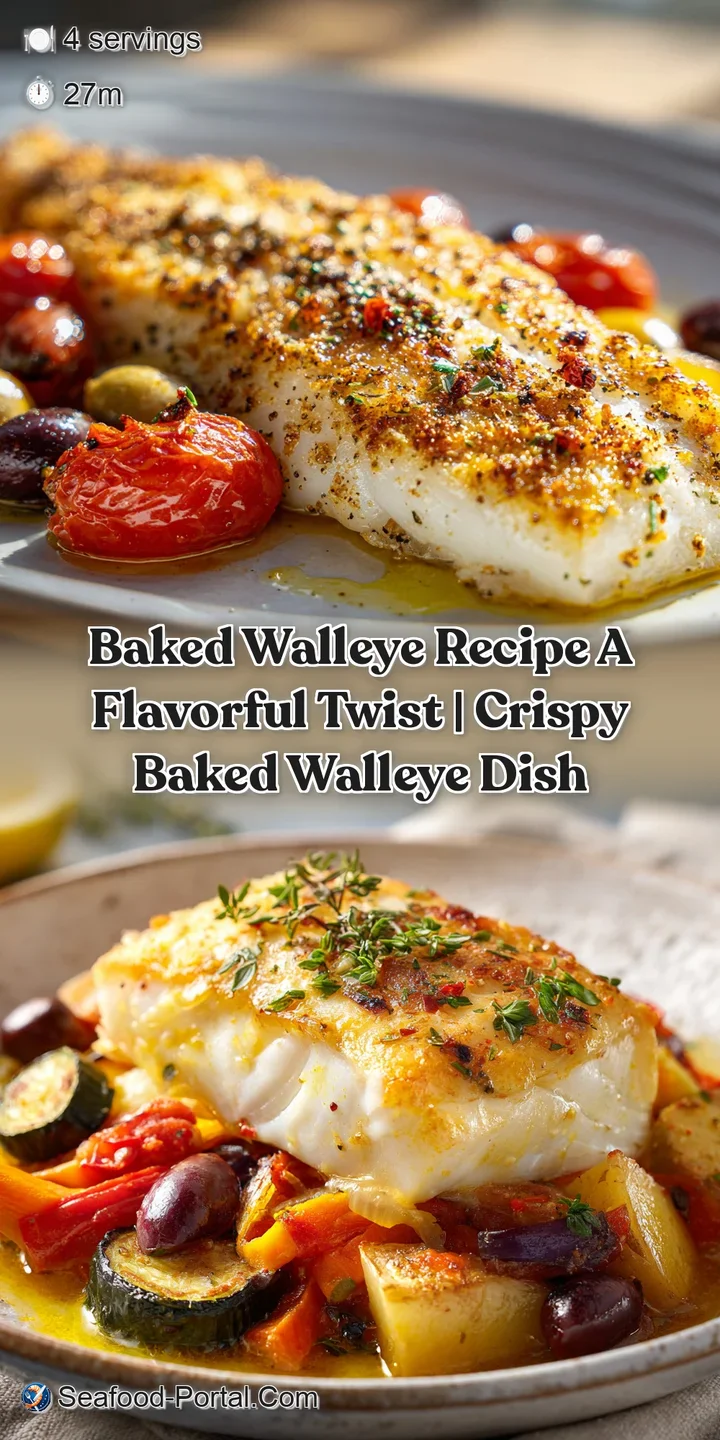
This walleye piccata recipe style finish is what elevates a simple baked walleye recipe into a "flavorful twist" masterpiece that your friends will be asking for every time they visit.
Recipe FAQs
Can I use frozen walleye fillets instead of fresh for this recipe?
No, this will compromise the texture. Frozen fish releases excess water during thawing, which saturates the mustard binder and results in a soggy crust.
How do I ensure the panko crust stays crispy in the oven?
Press the crust firmly into the mustard binder. The mustard acts as a hydrophobic seal, preventing steam from the fish from migrating up and softening the panko crumbs.
What internal temperature must the walleye reach before removing it from the oven?
Target 145°F (63°C) exactly. Use a digital thermometer; white fish cooks rapidly, and going beyond this temperature will cause the proteins to tighten, resulting in dry, tough flesh.
What is the purpose of using Dijon mustard instead of traditional egg wash?
Mustard acts as a superior moisture barrier and flavor enhancer. The vinegar in the Dijon cuts the richness and creates a tacky surface that bonds the panko better than egg, especially in dry oven heat.
How to prepare the panko mixture for the best flavor adhesion?
Combine the dry ingredients thoroughly before pressing onto the fish. Mix the panko, parmesan, dill, zest, and paprika until uniformly distributed to ensure every bite has the intended flavor balance.
Is it true that using a glass baking dish yields better results than a metal sheet pan?
False. Glass retains heat too slowly, leading to trapped steam around the fish base, which softens the bottom crust; use a rimmed metal sheet pan for faster, even heat transfer.
How can I incorporate leftover herb crust mixture if I have extra?
Toast the excess mixture in a dry skillet until golden. This crunchy topping is excellent sprinkled over salads or soups; it shares the same technique principles for achieving crisp texture found in our Classic Tuna Casserole recipe.
Flavorful Baked Walleye Twist
Ingredients:
Instructions:
Nutrition Facts:
| Calories | 388 kcal |
|---|---|
| Protein | 40.2 g |
| Fat | 19.8 g |
| Carbs | 12.6 g |
| Fiber | 0.8 g |
| Sugar | 0.9 g |
| Sodium | 645 mg |
