Grilled Cod: the Perfect Flaky Fish Recipe
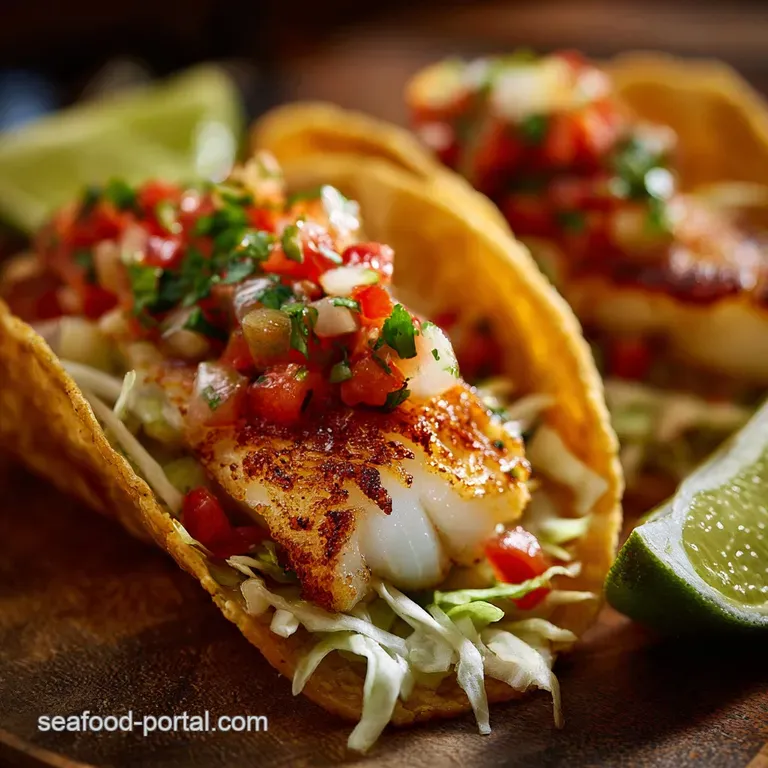
- The Perfect Flaky Grilled Cod: A Mediterranean Classic
- Essential Components for the Lemon-Herb Cod Marinade
- Step-by-Step Guide to Grilling Succulent Fish
- Mastering the Grill: The Science Behind Non-Stick Cod
- Expert Techniques: Ensuring Your Grilled Fish Doesn't Stick or Dry Out
- Safe Handling and Storage of Cooked Cod
- Ideal Side Dishes to Complete Your Grilled Cod Dinner
- Recipe FAQs
- 📝 Recipe Card
The Perfect Flaky Grilled Cod: A Mediterranean Classic
Can we just talk about that moment? That incredible second when the perfectly seasoned piece of fish hits the scorching hot grill grates, and you hear that loud, glorious hiss . The aroma of smoky char mixing with bright lemon and garlic is honestly better than any fancy air freshener.
That smell, my friend, is the promise of incredible Grilled Cod , and it tells you everything you need to know about tonight's dinner.
For too long, grilling cod has been relegated to "too hard basket" territory. People worry it will stick, fall apart, or dry out, which is a massive shame because this fish is a weeknight lifesaver.
It’s cheap, incredibly healthy, and thanks to this specific technique, it cooks perfectly in under 12 minutes.
I promise you, if you follow my simple rules rules I learned the hard way through many messy, spatula clutching mishaps you will nail this every time. Forget the fear; let's master the art of making truly delicious, unbelievably flaky Grilled Cod that tastes like sunshine and salt air.
Why Grilling Cod Fillets is Easier Than You Think
People assume that because cod is delicate, it requires elaborate setup, but that’s backward thinking. Cod needs less fuss than almost any other protein. Its mild flavor begs for simple, bright ingredients, and its structure demands quick, high heat.
The reason this method works so well is counterintuitive: we use high heat to create a protective crust instantly. If you try to cook cod low and slow, it will weep moisture, steam itself, and bond permanently to the grate.
We need a blast of heat to trigger the Maillard reaction that lovely browning and crusting in seconds. That crust then acts as a barrier, keeping the inside incredibly moist while providing the structural integrity needed for a clean flip.
This technique is the cornerstone of amazing Grilled Cod Recipes .
The Power of a Quick Lemon Herb Marinade
We are not looking for a long, acid heavy soak here. That’s a mistake I made early on, leading to mushy fish. Our lemon herb mixture acts more like a protective, flavorful coating than a tenderizer.
The olive oil in the marinade carries the fat-soluble flavors (like garlic and thyme) deep into the cod’s muscle structure before hitting the heat. Meanwhile, the very short exposure to lemon brightens the surface without dissolving the proteins beneath.
When grilling delicate fish like this, you want flavor infusion, not denaturation.
What Defines a "Perfectly Flaky" Finish?
Flakiness means two things: moisture and separation. When a piece of Grilled Cod is cooked correctly, the muscle fibers (which are organized into those beautiful layers) should separate easily when you apply gentle pressure, but they should not fall apart on the plate.
When you see those distinct layers, moist and opaque white throughout, you know you’ve hit the jackpot. Overcooked cod is dense, chewy, and opaque all the way through; perfectly cooked cod is still slightly translucent right in the center when you pull it off the heat, finishing the job beautifully while resting.
Trust the internal temperature check, but also trust your eyes!
Essential Components for the Lemon Herb Cod Marinade
This marinade is based on classic Mediterranean flavors because they simply work best with lean, white fish. We need bold brightness to cut through the richness of the oil, plus grounding herbs. The beauty of great Grilled Cod is its simplicity.
| Ingredient | Measurement (Metric/US) | Purpose | Viable Substitution |
|---|---|---|---|
| Cod Fillets | 4 (6 oz / 175g each) | Lean Protein | Halibut, Haddock, or thick cut Mahi Mahi |
| Olive Oil | 80 ml (1/3 cup) | Flavor base, moisture retention | Avocado oil or Grapeseed oil |
| Lemon Juice | 60 ml (4 tbsp) | Acidity, Brightness | Lime juice (use slightly less) or White Wine Vinegar |
| Garlic | 2 cloves, minced | Aromatic backbone | 1/2 tsp Garlic Powder (but fresh is better!) |
| Fresh Parsley | 15 g (3 tbsp), chopped | Herbaceous flavor | Fresh Cilantro or Basil |
| Smoked Paprika | 2.5 ml (1/2 tsp) | Color, Depth, Smoky notes | Regular sweet paprika or a pinch of chipotle powder |
Selecting the Best Cod Fillets for Grilling (Thickness Matters)
Listen, you want a fat piece of fish. Really. If you buy thin, spindly fillets, they will be overcooked before they even have a chance to develop a nice crust. Look for thick cut Atlantic or Pacific cod, ideally at least 1.5 inches thick.
If you can find it with the skin on, even better. Skin-on cod acts as a natural, edible protective layer. If you use skin-on, you’ll grill it mostly skin side down, making perfect Grilled Cod even easier.
If you only have skinless, don't worry just follow the grating instructions strictly.
Fresh vs. Dried Herbs: Maximizing Mediterranean Flavor
While you can use dried herbs, this is one of those dishes where fresh really matters. Dried herbs have their place (especially in long, slow cooks), but here, the bright, volatile oils in fresh parsley and thyme are what make the marinade sing.
If you are stuck using dried, remember the 3:1 rule: use one-third the amount of dried herbs compared to fresh. For this specific Grilled Cod marinade, dried oregano is also a wonderful substitute if you can't find fresh thyme.
Tools Checklist: Prepping Your Grill Station
Do not try to grill delicate fish using standard BBQ tongs and a flimsy plastic spatula. You’re setting yourself up for failure.
- The Spatula is King: You need a thin, flexible, perforated metal fish spatula. They’re angled perfectly to slide under the fish and lift without tearing. If you don't own one, stop everything and buy one.
- A Clean Brush: You need a stiff wire brush to clean the grates while they are hot . No exception.
- The Oiling Rag: Use a piece of kitchen roll balled up, held securely by long tongs, dipped in oil, to coat the hot grates. This is far safer and more effective than spraying oil directly onto the flame.
step-by-step Guide to Grilling Succulent Fish
Preparing the Cod and Applying the Marinade
Before you even think about the marinade, grab those fillets and pat them down like they are ready for a bath in the desert. We are aiming for absolutely bone dry surfaces. This is the number one secret to non-stick fish.
- Whisk the Marinade: In a small bowl, whisk together the olive oil, lemon juice, garlic, parsley, thyme, paprika, and a good pinch of salt and pepper.
- Reserve: This is a key trick! Immediately set aside about 2 tablespoons of this marinade in a separate cup. This is your fresh finishing sauce; we don't want to brush fish slime back onto the perfectly cooked fillet later.
- Marinate (Briefly): Place the dried cod in a dish and pour the remaining marinade over it. Ensure all sides are coated. Cover and refrigerate for a maximum of 30 minutes. If you go much longer, the acid will start the cooking process (ceviche) and yield a mushy final product.
Chef’s Note: Never marinade delicate white fish overnight. The acid will destroy the texture. 30 minutes is the sweet spot for maximizing the flavor profile of this Grilled Cod .
Preheating and Grate Preparation for Optimal Release
This part feels like the longest wait, but it's the most essential 15 minutes of the process. If your grill isn't ready, your Grilled Cod is doomed.
- High Heat: Preheat your grill gas or charcoal to medium high heat (about 400°F / 200°C). If you're using charcoal, ensure the coals are grey and glowing, not flaming.
- Clean the Grates: Once the grill is screaming hot, attack the grates with the wire brush until they are spotless. Any old residue is a sticking point waiting to happen.
- Oil the Hot Grates: Dip your oil-soaked paper towel (held by tongs!) into a bit of cooking oil and run it quickly and generously over the hot grates several times. You want a shiny, thick coating. Smoke means it's working!
The 4 Minute Flip Rule: Precise Cooking Times
Now for the main event. Grab the cod, leaving excess marinade behind (we don’t want it dripping onto the flames).
- Lay it Down: Place the cod fillets on the hottest, most heavily oiled part of the grate. If using skin-on, place it skin side down first.
- Hands Off! Grill undisturbed for 4 to 5 minutes. Do not peek, poke, or try to move the fish. The proteins need time to denature and form that protective, non-stick crust.
- The Release Test: After 4 minutes, gently slide your thin fish spatula beneath the fillet. If it resists or sticks even slightly, leave it for another 30 to 60 seconds. Perfect Grilled Cod will release itself from the grate with minimal resistance when it’s ready.
- Flip and Finish: Flip the cod carefully. Grill the second side for another 3 to 5 minutes.
- Basting: In the final minute, brush the cooked side lightly with the reserved 2 tablespoons of fresh marinade. This adds a punch of uncooked brightness right before serving.
Checking Internal Temperature for Doneness
The standard safe internal temperature for fish is 145°F (63°C).
I recommend pulling the fish off the heat when it hits 140°F (60°C). As it rests, it will carryover cook those final five degrees, ensuring the cod stays juicy and moist. If you wait until 145°F on the grill, you're already headed toward dry-town.
The flesh should be uniformly opaque and flake easily with a fork.
Mastering the Grill: The Science Behind Non-Stick Cod
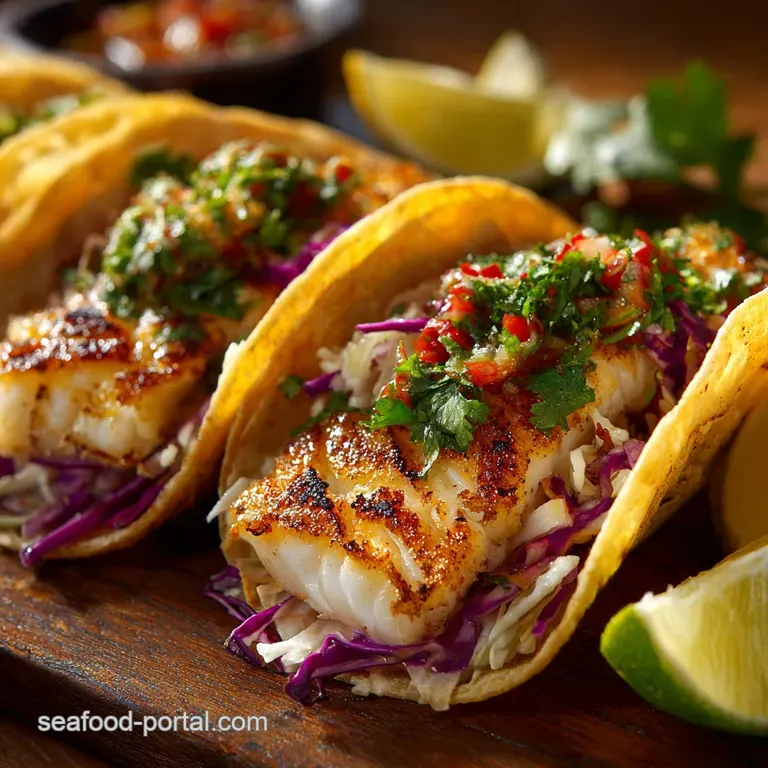
Honestly, getting your Grilled Cod to release cleanly is 80% preparation and 20% cooking. The sticking issue is entirely predictable and avoidable.
When cold, wet protein (the fish) hits a dry, cold, or dirty surface, the proteins physically fuse with the metal grate as they heat up. The solution, which we just covered, involves three non-negotiables: Clean Grates, Hot Grates, and Oiled Grates.
If you cheat on any of these steps, you will be scraping fish off the metal and calling for takeout. The best way to make flawless Grilled Cod is to respect the heat.
Expert Techniques: Ensuring Your Grilled Fish Doesn't Stick or Dry Out
Here are the secrets I learned after ruining countless fillets, wishing I had known better.
Marinade Timing: Flavor Infusion vs. Protein Denaturation
As mentioned, the citric acid in lemon juice will "cook" the fish if left too long this is ceviche. While tasty, ceviche texture is completely different. For firm, flaky Grilled Cod Fillets , stick strictly to that 30 minute chill time.
You get all the flavor without any texture degradation. If you need to prep this early, skip the lemon entirely during the marinade phase, and just marinate in the oil and herbs. Add the lemon juice five minutes before you walk out to the grill.
The Importance of High Heat and Oiling the Grates
High heat is your friend here. It creates instant vaporization of surface moisture, followed quickly by crust formation. I know it feels scary to put delicate fish on high heat, but low heat is the enemy of Best Grilled Cod .
Tip for Oiling: If you are worried about oiling the grates directly, use over high heat oil (like grapeseed or avocado) instead of olive oil, as it has a higher smoke point.
The Foil or Cedar Plank Alternative (For Beginner Grills)
Okay, look, if you’ve tried the direct grill method and still can’t conquer the sticking fear or maybe you just inherited a truly awful, rusty grill there are alternatives that still deliver excellent flavor.
- Grilled Cod in Foil: Place the seasoned cod fillets in a small foil boat, drizzle with extra marinade and a splash of white wine, and crimp the edges closed. Place the boat on the grill. This steams the fish but still imparts great smoky flavor. This technique is often used in recipes like Baked Lemon Cod: The 25 Minute Zingy Weeknight Dinner Recipe , though we get the smoke here too.
- Cedar Plank: Soak a cedar plank for at least two hours. Place the seasoned cod on the plank and put the plank on the grill. This gives you a sublime, smoky flavor profile. This is also a fantastic technique when cooking larger fish, similar to making Grilled Walleye Recipe: Perfectly Flaky Fillets with Lemon Herb Butter .
Recognizing When the Cod is Ready to Flip (The Release Test)
I can’t stress this enough: The fish will tell you when it’s ready.
When the crust has fully formed, the proteins on the surface contract, naturally pulling away from the grate. If you try to flip too early, you interrupt that contraction and rip the fish apart.
Wait until you see a visible opaque line tracking about 3/4 of the way up the side of the fillet, and then try the gentle spatula slide. This patience is the difference between mangled fish and gorgeous, perfect Grilled Cod .
Safe Handling and Storage of Cooked Cod
Best Practices for Refrigerating Leftovers
If you happen to have any leftover Grilled Cod (a rarity in my house), cool it quickly after dinner. Place it in an airtight container lined with a paper towel (to absorb any residual moisture) and seal it up. Cooked cod is safe in the refrigerator for up to 3 days.
Past that, the texture and flavor really start to diminish.
Can you freeze cooked Grilled Cod? Yes, you can. Wrap individual portions tightly in plastic wrap, then place them inside a freezer safe bag, pressing out all the air. It will hold well for up to 2 months, although the texture might be slightly softer upon thawing and reheating.
Reheating Grilled Cod Without Losing Moisture
The biggest mistake when reheating fish is using high, dry heat (like a microwave). That is the fast track to shoe leather.
- Oven Method: The best method is a low, slow heat in the oven. Preheat your oven to 275°F (135°C).
- Moisture Trick: Place the cod on a foil lined baking sheet and add a single splash of water or broth to the foil around the cod (not directly on it).
- Cover and Reheat: Tent the cod loosely with foil. Bake for 10 to 15 minutes, or until just heated through. The steam trapped under the foil prevents the cod from drying out and helps it maintain that beautifully flaky texture.
Ideal Side Dishes to Complete Your Grilled Cod Dinner
Making the perfect Grilled Cod deserves sides that complement, not overwhelm, that gorgeous lemon herb flavor.
Simple Sides for a Stress Free Meal
- Crispy Roast Potatoes: Nothing beats classic, small roasted potatoes tossed with rosemary.
- Grilled Summer Vegetables: Asparagus, zucchini, or bell peppers thrown right next to the cod on the grill are brilliant. Toss them with a pinch of salt and the extra reserved olive oil you didn't use for the fish.
- Couscous Salad: A fast, light couscous mixed with diced cucumber, tomatoes, and a little feta provides that perfect Mediterranean texture.
Sauces and Dressings
Because our cod marinade is so bright and clean, we want a contrast for dipping. Skip heavy cream sauces.
- A simple lemon caper-butter sauce made quickly in a pan is divine.
- Or, if you love a tangy kick, a fresh chimichurri is always welcome. If you're looking for other ideas, I have a great blog post on Bbq Seafood Sauces: Three Light, Tangy Glazes for Grilled Seafood that pairs wonderfully with this light Grilled Cod .
This approach to grilling cod is truly transformative. It takes minutes, uses humble ingredients, and delivers a fish dinner that is healthy, flavorful, and wonderfully impressive. Master the heat, respect the rest, and you'll be making the Best Grilled Cod of your life every time.
Now go fire up that grill!
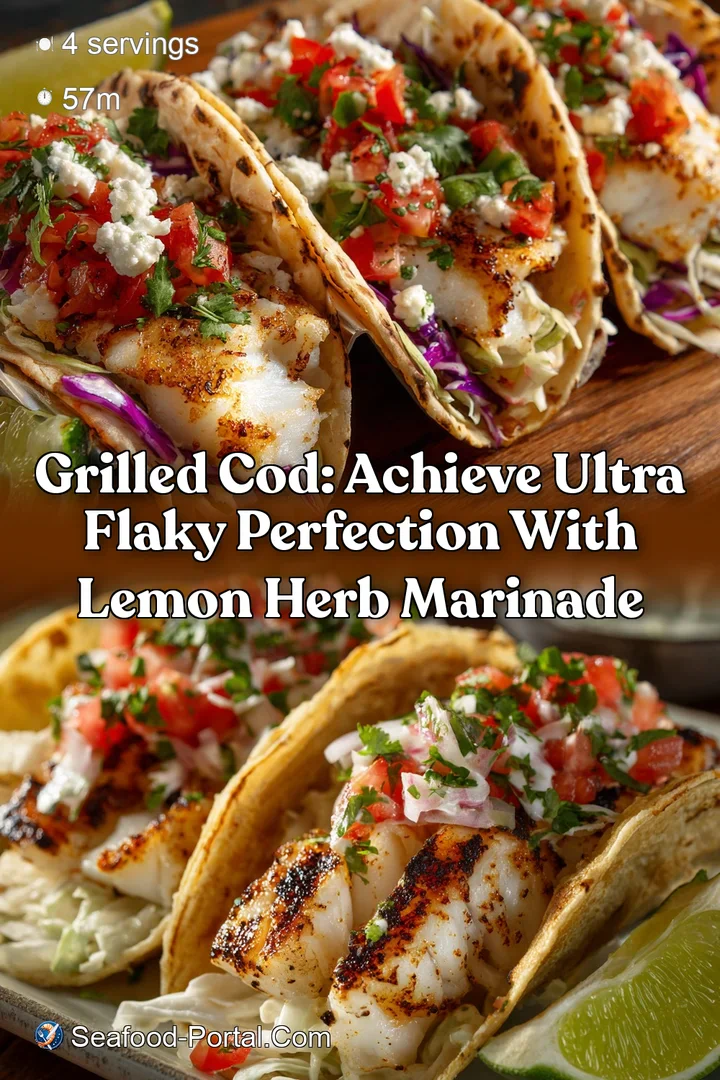
Recipe FAQs
How do I prevent the cod fillets from sticking to the grill grates?
The key to preventing sticking is ensuring the grill is screaming hot and properly oiled before the fish touches it. First, clean your grates thoroughly, then dip a paper towel in high heat oil (like grapeseed or avocado) and wipe down the hot grates just before placing the fish.
Additionally, ensure the cod fillets themselves are lightly brushed with oil on both sides to create a protective barrier.
My grilled cod often turns out dry. What should I change?
Cod is a very lean fish, making it prone to drying out if overcooked, so monitor the time closely. Grill the fish over medium high heat rather than high, and use a meat thermometer to pull it off the heat immediately once it reaches an internal temperature of 145°F (63°C).
The initial brief marination in the lemon herb mixture also helps seal in some essential moisture.
How can I tell when the cod is perfectly cooked and flaky?
The cod is perfectly done when the flesh changes from translucent and shiny to opaque white throughout the thickest part of the fillet. You can check for doneness by gently inserting a fork into the thickest area; if it flakes easily without resistance, it is ready.
If you use the skin-on method, look for the skin to release cleanly from the grate.
Can I use this Lemon Herb marinade on other types of fish?
Absolutely, this marinade works beautifully with other firm, white fish fillets like halibut, snapper, or thick cut sea bass. If you use a denser fish like halibut, you may wish to increase the marinating time slightly, but never exceed 45 minutes with acidic marinades.
Avoid using this mixture on oily fish like salmon, which benefits from different seasoning profiles.
Is it better to grill cod with the skin on or off?
Grilling cod with the skin on is highly recommended, as the skin acts as a built-in protective barrier that keeps the delicate flesh intact and prevents it from sticking to the grates. Always start skin side down over the heat and let it cook for about 80% of the total cook time.
The skin can be easily peeled off before serving, or eaten if you enjoy the crispy texture.
How long should I marinate the cod, given the lemon juice content?
Because lemon juice is highly acidic, cod fillets should only marinate for 15 to 30 minutes at most, stored in the refrigerator. If left too long, the acid will begin to "cook" the delicate proteins (a process called denaturation), resulting in a fish that turns mushy or cottony when grilled.
Always use non-reactive glass or ceramic containers for marinating.
How should I store leftover grilled cod, and can it be frozen?
Store any leftovers promptly in an airtight container in the refrigerator and consume them within 3 days; leftover grilled cod is excellent cold on salads. While you can technically freeze cooked fish, the texture will degrade significantly and become rubbery or dry upon reheating.
For best results, it is highly recommended to eat grilled cod fresh.
Flaky Grilled Cod Lemon Marinade
Ingredients:
Instructions:
Nutrition Facts:
| Calories | 320 kcal |
|---|---|
| Fat | 16 g |
| Fiber | 1 g |
